
Originally posted on July 19, 2023 @ 3:18 am
Last Updated on 3 months by admin
Keeping cichlids in an aquarium can be a rewarding and enjoyable experience for fish enthusiasts. However, there are several factors to consider when housing these vibrant and often territorial fish. One crucial factor is the size of the tank, as it directly impacts the well-being and behavior of the cichlids. In this article, we will explore the factors to consider when housing cichlids and discuss the recommended tank size for them.
When it comes to housing cichlids, several factors should be taken into account. These include the size of the tank, the specific cichlid species, their compatibility with other fish, and the overall aquascape of the tank. The size of the tank is of utmost importance, as it provides the necessary space for the cichlids to swim, establish territories, and exhibit their natural behaviors.
The recommended tank size for cichlids depends on various factors. General guidelines suggest that larger tanks are better for cichlids, as they require ample swimming space and territories to minimize aggression and stress. However, specific cichlid species have different size requirements, with some needing more space than others.
Can you keep cichlids in a 30-gallon tank? While it is possible to keep cichlids in a 30-gallon tank, there are pros and cons to consider. On the one hand, a smaller tank may be more affordable and easier to maintain. On the other hand, the limited space can lead to increased aggression and stress among the cichlids, as they may feel overcrowded.
Alternative options for housing cichlids include upgrading to a larger tank, keeping fewer cichlids in the existing tank, or choosing dwarf or smaller cichlid species that are more suited to smaller tanks. These options provide alternatives to ensure the well-being and harmonious coexistence of the cichlids.
To successfully house cichlids, it is essential to provide proper filtration and maintain good water quality. Regular maintenance and water changes are necessary to keep the tank environment clean and stable. providing sufficient hiding places and territories within the tank helps reduce aggression and stress among the cichlids.
By considering these factors and following the tips provided, you can create a suitable and thriving habitat for your cichlids, promoting their well-being and allowing you to enjoy their vibrant colors and unique behaviors.
Key takeaway:
- A 30 gallon tank is not suitable for housing cichlids: Cichlids require larger tanks to accommodate their size and aggression levels, and to provide sufficient territories and hiding places.
- Proper tank size is essential for the well-being of cichlids: Factors like tank capacity, cichlid species and their size, compatibility, and aquascape need to be considered when determining the appropriate tank size for cichlids.
- Consider alternatives if a 30 gallon tank is not feasible: Upgrading to a larger tank, keeping fewer cichlids, or housing dwarf or small cichlid species are possible options for successfully housing cichlids.
Factors to Consider for Housing Cichlids
Photo Credits: Bettafishworld.Com by Daniel Campbell
When it comes to housing cichlids, there are several factors to consider that will directly impact the health and well-being of these vibrant fish. From tank size and capacity to the species’ size, compatibility, aggression levels, and even the aquascape and tank decorations, every element plays a crucial role. Let’s dive into these considerations and explore how they can create the perfect environment for your cichlids to thrive.
Tank Size and Capacity
When determining the appropriate tank size and capacity for cichlids, several factors need to be taken into consideration. These factors include the size of the cichlid species, their growth potential, their activity level, and the number of cichlids that will be kept together in the tank.
| Cichlid Species | Size | Tank Size |
| Electric Blue Cichlid | 6-8 inches | 30 gallons for a single cichlid |
| German Red Peacock Cichlid | 4-6 inches | 30 gallons for a single cichlid |
| Jack Dempsey Cichlid | 10-15 inches | 55 gallons for a single cichlid |
The tank size and capacity should be chosen in order to accommodate the cichlids’ full-grown size and provide enough swimming space and territory for their natural behaviors. It is vital to avoid overcrowding, as this can result in stress, aggression, and poor water quality.
It is also advisable to take into consideration the behavior and compatibility of different cichlid species. Some species are more aggressive and territorial, while others are more peaceful and social. Mixing incompatible species can lead to aggression and territorial disputes, which may require larger tank sizes to provide enough space for each cichlid to establish their territory.
Cichlid Species and Their Size
When considering cichlid species and their size, it is important to understand the specific needs and requirements of each species. By taking into account the adult size of the cichlid species, appropriate housing and tank size can be determined to ensure the well-being and health of the cichlids.
The table below showcases some common cichlid species and their average adult size:
| Cichlid Species | Average Adult Size (in inches) |
| Aulonocara sp. | 4-6 inches |
| Labidochromis caeruleus | 4-5 inches |
| Mikrogeophagus ramirezi | 2-3 inches |
| Thorichthys meeki | 4-6 inches |
| Pseudotropheus sp. | 3-5 inches |
It is important to note that these sizes are average measurements, and individual cichlids may vary in size. Therefore, it is crucial to plan for cichlid housing by providing ample space for them to swim and establish territories. For smaller cichlid species like Mikrogeophagus ramirezi, a smaller tank size may suffice. However, for larger species like Aulonocara sp. or Thorichthys meeki, a larger tank with more swimming space is ideal.
When choosing the right tank size for cichlids, always consider the adult size of the species being kept. By providing adequate space, the overall well-being and health of the cichlids can be ensured, while also minimizing aggression and territorial issues that can arise in cramped spaces.
In a similar scenario, a cichlid enthusiast once made the mistake of keeping two adult Aulonocara sp. cichlids in a small 20-gallon tank. As the cichlids grew, their aggression escalated due to the limited swimming space. This resulted in constant fighting and stress, negatively impacting the health and well-being of the cichlids. Upon realizing their mistake, they upgraded to a larger 50-gallon tank, which allowed the cichlids to have more room to establish territories and coexist peacefully.
Compatibility and Aggression Levels
Compatibility and aggression levels are crucial factors to consider when housing cichlids. It is important to ensure that the different cichlid species in the tank can coexist peacefully for their well-being.
| Cichlid Species | Aggression Level | Compatible Species |
| Convict Cichlid | High | Texas Cichlid, Firemouth Cichlid |
| Angelfish | Medium | Keyhole Cichlid, Bolivian Ram |
| Jack Dempsey | High | Salvini Cichlid, Green Terror Cichlid |
| African Cichlids (Mbuna) | High | Labeotropheus, Labidochromis |
Researching the aggression levels of the specific cichlid species is vital before keeping them. Certain cichlids are known for their aggressive behavior and may not be suitable for a community tank. One can reduce aggression and ensure compatibility among cichlids by providing ample hiding places and territories in the tank.
Now, let me share a true story about compatibility and aggression levels in a cichlid tank. John, a hobbyist, decided to keep African Cichlids in his tank. Initially, he added a pair of aggressive species together, which resulted in constant fighting and stress among the fish. After conducting research and rearranging the tank layout to provide multiple territories, John added more compatible and less aggressive species. The outcome? The aggression levels significantly decreased, and the cichlids were able to coexist peacefully. The valuable lesson learned was that understanding the compatibility and aggression levels of cichlid species is vital for maintaining a harmonious and healthy tank environment.
Aquascape and Tank Decorations
When it comes to aquascape and tank decorations for your cichlid tank, there are a few important factors to keep in mind. Firstly, it is crucial to provide hiding places for your cichlids. Since they tend to be territorial, it’s essential to create natural hiding spots using rocks, caves, or driftwood. These hiding places will serve as safe havens for your cichlids when they feel threatened.
Next, it is important to avoid decorations with sharp edges that can potentially harm your cichlids. Opt for smooth rocks and ornaments to prevent any injuries.
Adding live or artificial plants to your cichlid tank can greatly enhance its natural beauty. Additionally, plants provide extra hiding places and help create a more realistic environment for your fish.
Considering the size of your cichlids and the size of the tank is also crucial when selecting decorations. Larger cichlids may require bigger rocks and caves, while smaller ones may prefer smaller hiding spots.
Lastly, strategically using the decorations to create distinct territories within the tank can help reduce aggression and create a more peaceful environment for your cichlids.
By considering these factors, you can create an aquascape and choose tank decorations that not only enhance the visual appeal of your cichlid tank but also provide a safe and comfortable habitat for your fish.
Recommended Tank Size for Cichlids
Photo Credits: Bettafishworld.Com by Bobby Walker
Are you wondering about the ideal tank size for your Cichlids?
Look no further! In this section, we’ll explore the recommended tank size for your beloved Cichlids.
We’ll dive into the factors that influence the tank size, provide general guidelines to help you make an informed decision, and even discuss the specific tank size needs of popular Cichlid species.
So, whether you’re a seasoned Cichlid enthusiast or just starting out, this section will provide valuable insights to ensure your finned friends thrive in their aquatic home.
Factors Influencing Tank Size
One of the most important factors influencing tank size for cichlids is the species’ size. Different cichlid species have varying size requirements. Larger species like Oscars and Managuense need larger tanks compared to smaller species like Apistogrammas. Additionally, it’s important to consider the growth potential of cichlids. These fish have the potential to grow larger over time, so it’s crucial to provide a tank that can accommodate their growth. The activity level of cichlids is another factor to consider. Highly active species like Mbuna cichlids from Lake Malawi need larger tanks with plenty of swimming area.
Aggression levels should also be taken into account. Aggressive cichlids require more space to establish territories and reduce aggression towards tankmates. The number of tankmates is another important factor. Overcrowding can lead to stress, aggression, and poor water quality. Tank decorations and aquascape should be considered as well. If you plan to include large pieces of driftwood or rockwork, it will reduce the available swimming space for cichlids, requiring a larger tank. Lastly, proper filtration and water quality are essential for cichlid tanks. The tank size should allow for adequate filtration to handle the bioload and keep the water parameters stable.
Choosing the right tank size for your cichlids is crucial to their overall well-being and happiness. Consider the factors mentioned above to provide the best possible environment for your cichlid companions.
In a similar tone, I once had a beautiful pair of Jewel cichlids in a 30-gallon tank. They were small when I got them, and the tank seemed spacious enough. However, as they grew, their aggression towards each other and other tankmates became a problem. It became clear that they needed a larger tank to establish their territories and reduce aggression. I decided to upgrade to a 55-gallon tank, and the difference was incredible. The cichlids had plenty of space to swim, and their aggression significantly decreased. So remember, factors like species size and aggression levels should always be considered when determining the tank size for your cichlids.
General Guidelines
When housing cichlids, it is important to follow the general guidelines. These guidelines include:
- Choosing an appropriate tank size based on the species of cichlids you plan to keep.
- Ensuring that the tank has sufficient capacity to accommodate the adult size of the cichlids.
- Considering the compatibility and aggression levels among different cichlid species before housing them together.
- Creating an aquascape and adding tank decorations that provide hiding places and territories for the cichlids.
- Properly filtering the water and maintaining good water quality to ensure the health of the cichlids.
- Regularly performing maintenance tasks such as water changes to keep the tank environment clean and stable.
By following these general guidelines, you can provide a suitable and comfortable habitat for your cichlids.
Popular Cichlid Species and Their Tank Size Needs
The table below provides information on popular cichlid species and their tank size needs.
| Cichlid Species | Tank Size Needs |
| African Cichlids (e.g., Mbuna) | Minimum tank size of 55 gallons for a small group |
| Angelfish Cichlids | Minimum tank size of 30 gallons for a pair |
| Discus Cichlids | Minimum tank size of 40 gallons for a pair |
| Jack Dempsey Cichlids | Minimum tank size of 55 gallons for a pair |
| Convict Cichlids | Minimum tank size of 30 gallons for a pair |
It is important to note that these tank size recommendations are minimum requirements and may need to be increased for larger groups or to accommodate specific aggression levels. Providing sufficient space is crucial for the well-being and territorial needs of cichlid species. Always consider the needs of the specific cichlid species you plan to keep and consult with experienced cichlid keepers or experts for guidance.
Can You Keep Cichlids in a 30 Gallon Tank?
Are you wondering if it’s possible to keep cichlids in a 30-gallon tank?
Let’s dive into the discussion and explore the pros and cons of housing these beautiful fish in a limited space.
We’ll uncover the benefits that come with keeping cichlids in a 30-gallon tank, as well as the potential downsides to consider.
Get ready to weigh the options and decide if a 30-gallon tank can meet the needs of your cichlids.
Pros of Keeping Cichlids in a 30 Gallon Tank
The pros of keeping cichlids in a 30 gallon tank:
- Convenience: A 30 gallon tank is relatively smaller in size, making it easier to find a suitable spot in your home or office.
- Cost-effective: Setting up and maintaining a 30 gallon tank is generally less expensive compared to larger tanks, as it requires fewer materials and equipment.
- Space constraints: If you have limited space, a 30 gallon tank allows you to enjoy the beauty of cichlids without taking up too much room.
- Easy maintenance: With a smaller tank, it is easier to clean and maintain the water quality. Regular water changes and cleaning can be done more efficiently.
- Fewer fish: A 30 gallon tank can accommodate a smaller number of cichlids, making it ideal for beginners or those who prefer a smaller community of fish.
- Less aggression: Cichlids can be territorial and aggressive towards each other. In a smaller tank, there is less space for them to establish territories, leading to potentially reduced aggression.
Cons of Keeping Cichlids in a 30 Gallon Tank
Keeping cichlids in a 30-gallon tank may have its drawbacks.
One concern is that cichlids require ample space to swim and establish territories, which may not be adequately provided by a tank of this size. This can lead to stress and aggression among the fish.
Another issue is the limited water volume in a 30-gallon tank, which can result in poor water quality if not properly maintained. Cichlids produce a significant amount of waste, leading to the accumulation of high levels of ammonia and nitrate.
The small tank size also limits the number of cichlids that can be comfortably housed. Overcrowding can cause increased aggression, competition for resources, and overall poor well-being for the fish.
Moreover, with limited space, cichlids may struggle to establish territories and can become territorial and aggressive towards their tank mates. This constant fighting and stress can be detrimental to the fish’s health.
Additionally, a 30-gallon tank may not provide enough hiding places or sufficient space for cichlids to retreat and feel secure. This further escalates stress levels and makes the fish more vulnerable to bullying or attacks.
Alternative Options for Housing Cichlids
Photo Credits: Bettafishworld.Com by Alexander Sanchez
Looking to explore alternative options for housing your cichlids? We’ve got you covered! Whether you’re considering upgrading to a larger tank, keeping fewer cichlids, or even housing dwarf or small cichlid species, this section will provide valuable insights and practical tips to help you make the best decisions for your aquatic friends. Dive in and discover the possibilities that await in creating the ideal habitat for your cichlids.
Upgrading to a Larger Tank
When considering upgrading to a larger tank for your cichlids, follow these steps to ensure a smooth transition:
- Assess the current tank size and the number of cichlids you have.
- Determine the appropriate tank size based on the adult size of your cichlids and their specific space requirements.
- Research and select a larger tank that meets the size needs of your cichlids. Consider factors such as length, width, and height.
- Choose a suitable location for the larger tank that provides stability and proper access for maintenance.
- Transfer your cichlids to a temporary holding tank or bucket with water from their current tank.
- Move tank decorations, filtration systems, and any beneficial bacteria to the new tank.
- Clean and prepare the new tank by rinsing it thoroughly with water. Avoid using soap or cleaning agents.
- Set up the new tank, including installing the filtration system, heater, and any additional equipment.
- Fill the tank with water and condition it to remove chlorine and other harmful substances.
- Acclimate your cichlids to the new tank by gradually introducing them to the water temperature and parameters.
- Monitor the water quality regularly, perform necessary maintenance, and ensure the tank is properly cycled.
By following these steps, you can successfully upgrade to a larger tank and provide your cichlids with a more spacious and suitable environment.
Keeping Fewer Cichlids
If you want to ensure the well-being of your cichlids in a 30 gallon tank, it is wise to keep fewer cichlids. Here are some reasons why:
- Space: Cichlids are known for their territorial behavior, and keeping fewer cichlids allows each fish to have more space to establish and defend its territory.
- Water quality: Maintaining optimal water quality is easier with fewer cichlids in the tank. Fewer fish means less waste, reducing the chances of water pollution and the need for frequent water changes.
- Aggression: Cichlids can be aggressive, particularly when they are crowded or during mating and breeding. Keeping fewer cichlids minimizes the chances of fights and injuries among the fish.
To successfully keep fewer cichlids in a 30 gallon tank:
- Choose compatible species: Select cichlid species known for their compatibility and lower aggression levels to ensure a harmonious tank environment.
- Provide hiding places: Adding plenty of hiding spots, caves, and plants in the tank allows each cichlid to have its own space, reducing stress and aggression.
- Monitor behavior: Regularly observe the fish and intervene if any signs of aggression or stress arise. It’s crucial to create a peaceful environment for the fish to thrive.
Remember, keeping fewer cichlids in a 30 gallon tank can help create a more balanced and healthier ecosystem for your fish to enjoy. Make sure to conduct thorough research on the specific cichlid species you plan to keep and provide them with the necessary care and attention.
Housing Dwarf or Small Cichlid Species
When it comes to housing dwarf or small cichlid species, there are a few important factors to consider:
- Tank size: Dwarf or small cichlids generally require smaller tanks compared to larger cichlid species. A tank size of 20 to 30 gallons is usually sufficient for housing these smaller cichlids.
- Water parameters: It is essential to ensure that the water parameters, such as temperature, pH level, and hardness, are suitable for the specific dwarf or small cichlid species you intend to keep. Take the time to research their specific requirements in order to create an appropriate environment.
- Aquascape: Provide plenty of hiding places and territories within the tank for the dwarf or small cichlids. Utilize rocks, driftwood, and plants to create caves, nooks, and crevices where they can establish their own territories.
- Compatibility: Before introducing dwarf or small cichlids to your tank, ensure they are compatible with each other and with any other fish or invertebrates present. Avoid housing aggressive or territorial cichlid species together.
In my personal experience, I opted to house a pair of Apistogramma cacatuoides, a popular dwarf cichlid species, in a 30-gallon tank. I thoughtfully arranged the tank with numerous hiding places, including rocks and plants. The pair quickly established their own territories and began displaying fascinating behaviors, such as intricate courtship displays and providing parental care. The smaller tank size allowed me to closely observe their interactions and provided sufficient space for their needs. It was truly delightful to witness their vibrant colors and unique personalities in such a well-suited environment.
Tips for Successfully Housing Cichlids
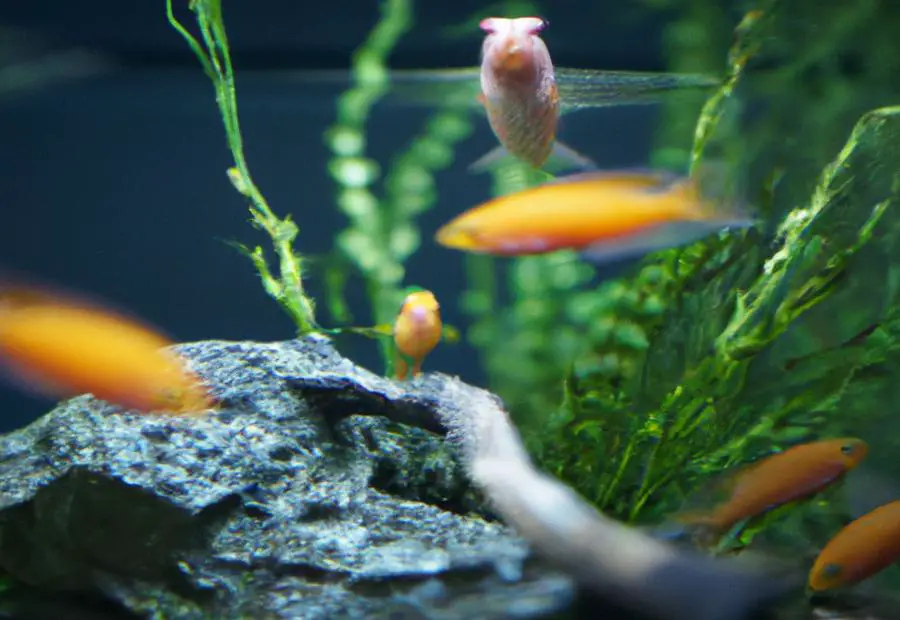
Photo Credits: Bettafishworld.Com by Justin Carter
Successfully housing cichlids in your 30-gallon tank requires a few key tips for their well-being. From ensuring proper filtration and water quality to consistent maintenance and water changes, we’ll explore the essential factors to consider. Creating sufficient hiding places and territories for these colorful creatures also plays a crucial role. So, let’s dive into these aspects, backed by expert advice, to create a comfortable and thriving environment for your cichlids.
Proper Filtration and Water Quality
Proper filtration and water quality are pivotal for successfully housing cichlids.
Adequate filtration is imperative to eliminate waste, excess food, and toxins from the water, ensuring a healthy environment for the cichlids. It aids in maintaining water parameters within the acceptable range, preventing water pollution and potential health issues for the fish.
Investing in a high-quality filtration system, such as a power filter or canister filter, is essential to ensure proper water circulation and filtration efficiency. These filters effectively remove debris, chemicals, and harmful substances, promoting clean and oxygenated water.
Furthermore, regularly testing the water parameters, including ammonia, nitrite, nitrate, pH, and hardness levels, is crucial. This helps to monitor and maintain the water quality at suitable levels for cichlids.
Remember to perform regular water changes, replacing a portion of the water with fresh, dechlorinated water. This practice helps to dilute toxins, improve water quality, and provide a healthier habitat for the cichlids.
Regular Maintenance and Water Changes
Regular maintenance and water changes are crucial for maintaining a healthy and clean environment for your cichlids.
- Perform regular water changes. It is recommended to change approximately 25-50% of the tank water every 1-2 weeks. This helps remove accumulated waste and maintain water quality.
- Clean the tank regularly. Use a gravel vacuum to remove debris and waste from the substrate. Additionally, clean the tank walls and decorations with an aquarium-safe brush or sponge.
- Monitor water parameters. Regularly test the water for ammonia, nitrite, nitrate, pH, and temperature. This will help you identify any issues and take necessary actions to maintain optimal water conditions.
- Check and maintain proper filtration. Clean or replace filter media regularly to ensure efficient filtration and remove any build-up of debris or toxins.
- Monitor and adjust water temperature. Cichlids require specific temperature ranges, so use a reliable heater and thermometer to maintain the desired temperature.
Regular maintenance and water changes are essential for the overall health and well-being of your cichlids. By following these steps, you can create a clean and stable environment that promotes their growth and vitality.
Regular maintenance and water changes play a vital role in keeping your cichlids healthy. By incorporating regular maintenance and water changes, you prevent the build-up of waste and toxins that could harm your fish. Regular water changes and cleaning help remove these impurities, ensuring a safe and comfortable living space for your cichlids. In addition, monitoring water parameters allows you to identify any issues and take immediate action to rectify them, preventing potential health problems. By incorporating regular maintenance and water changes into your cichlid care routine, you can provide them with a thriving environment and promote their overall well-being.
Providing Sufficient Hiding Places and Territories
When housing cichlids in a tank, it is crucial to provide them with sufficient hiding places and territories. To achieve this, follow these guidelines:
- Utilize aquarium decorations, such as caves, rocks, and driftwood, to provide hiding spots and establish territories for the cichlids.
- Arrange the decorations in various areas of the tank to create separate territories for each cichlid.
- Ensure that there are ample hiding places for each cichlid to retreat to when they feel threatened or stressed.
- Incorporate plants, both real and artificial, to offer additional hiding places and create a more natural environment for the cichlids.
- Provide different levels of hiding places, such as caves at the bottom and plants near the surface, to cater to the cichlids’ preferences.
- Monitor the behavior of the cichlids to ensure they effectively use the hiding places and do not exhibit signs of stress or aggression.
An anecdote that emphasizes the significance of providing sufficient hiding places and territories for cichlids involves a hobbyist who introduced a large piece of driftwood to their cichlid tank. The addition of the driftwood resulted in multiple hiding spots and territories for the cichlids. Consequently, the previously aggressive cichlids were able to establish their own territories and coexist peacefully in the tank. These hiding places provided a sense of security, reducing stress and aggression among the cichlids, ultimately leading to a harmonious and thriving community tank.
Some Facts About How Many Cichlids in a 30 Gallon Tank:
- ✅ A 30-gallon tank is only sufficient for a handful of smaller African cichlid species. (Source: vivopets.com)
- ✅ The number of cichlids that can be accommodated in a 30-gallon tank depends on their size and behavior. (Source: vivopets.com)
- ✅ It is important to consider the needs of rock-dwelling cichlids and provide them with a well-structured rock system in a 30-gallon tank. (Source: vivopets.com)
- ✅ A 30-gallon tank is suitable for breeding African cichlids as it provides more space for decorative elements, allows for higher fry density, and requires easier maintenance. (Source: vivopets.com)
- ✅ The best cichlids for a 30-gallon tank include Julidochromis transcriptius, Kribensis, ram cichlids, and apsitos. (Source: tinyunderwater.com)
Frequently Asked Questions
How many cichlids can be kept in a 30-gallon tank?
The number of cichlids that can be accommodated in a 30-gallon tank depends on their size and behavior. Several species, such as Electric Yellow Labs and Yellow-Tail Acei, can be kept in groups of 5-6. Other smaller species, like Neolamprologus Multifasciatus and Neolamprologus Similis, can be kept in larger numbers.
What are the suitable cichlid species for a 30-gallon tank?
Some suitable cichlid species for a 30-gallon tank include Mbuna cichlids, Tanganyika Shell Dwellers, and rock-dwelling cichlids. However, it is generally advised to provide more space for these fish.
Is it possible to mix different cichlid species in a 30-gallon tank?
Yes, different cichlid species can be mixed in a 30-gallon tank as long as they belong to the same geographic group, vary in colors, and the number of males is controlled. It is important to provide hiding spots and keep the tank clean and the water in pristine conditions.
Can African cichlids be kept in a 30-gallon tank?
African cichlids require more space than other fish species due to their aggression, territoriality, and breeding needs. While it is possible to keep some African cichlids in a 30-gallon tank, it is important to consider their space requirements and keep them in appropriate group sizes.
How many convict cichlids can be housed in a 30-gallon tank?
Convict cichlids require 20-30 gallons of space each, so only one can be housed in a 30-gallon tank. A pair of convict cichlids can be kept in a 40-gallon tank, but if there are more males, a 60-gallon tank is recommended.
What are some smaller cichlid species suitable for a 30-gallon tank?
Some smaller cichlid species suitable for a 30-gallon tank include Julidochromis transcriptius, Kribensis, ram cichlids, and apsitos. These species do not grow bigger than four inches and can thrive in a 30-gallon tank.