
Originally posted on July 19, 2023 @ 3:18 am
Last Updated on 3 months by admin

Cichlids are a diverse group of fish known for their vibrant colors and unique behaviors. If you’re considering adding cichlids to your aquarium, it’s important to understand how long these fish can live in a captive environment. The lifespan of cichlids can vary depending on several factors, such as species, water quality, diet, tank size, and overall care. By considering these factors and implementing proper care practices, you can maximize the lifespan of your cichlids and enjoy their presence for many years.
This article will provide an introduction to cichlids, discuss the factors that affect their life expectancy, explore the typical lifespan of different cichlid species in aquariums, examine the factors that influence their longevity, and offer tips for maximizing the lifespan of cichlids in your aquarium. With the right knowledge and care, you can ensure that your cichlids thrive and live a long and healthy life in your aquarium.
Key takeaway:
- Cichlids have varying life spans: The life expectancy of cichlids in an aquarium is influenced by species, water quality, diet, tank size, and environment.
- Proper care and maintenance are crucial: Maximizing the lifespan of cichlids requires proper tank maintenance, balanced diet, suitable tank mates, and managing stress and disease prevention.
- Longevity varies with size and species: Small, medium-sized, large, and long-lived cichlids have different typical life spans in aquariums.
Factors Affecting Life Expectancy of Cichlids
Cichlids in an aquarium: what determines how long they live? Let’s dive into the factors that play a role in the life expectancy of these vibrant fish. From the specific species of cichlids to the quality of water they swim in, the diet and nutrition they receive, and even the size and environment of their tank, each element holds the key to their longevity. Get ready to unravel the secrets behind the thriving lives of these fascinating aquatic creatures.
Species of Cichlids
Cichlids are a diverse group of fishes, with different species of Cichlids originating from various parts of the world. Some common species of Cichlids include African Cichlids, South American Cichlids, Central American Cichlids, Malawi Cichlids, and Tanganyika Cichlids.
African Cichlids are found in Africa and can grow to be 3-15 inches in size. South American Cichlids are native to South America and can range in size from 2-16 inches. Central American Cichlids are from Central America and typically grow to be 2-14 inches long. Malawi Cichlids are found in Lake Malawi, Africa, and can reach sizes of 3-9 inches. Tanganyika Cichlids, found in Lake Tanganyika, Africa, can grow to be 4-10 inches long.
Each species of Cichlids has its own unique characteristics and requirements, so it’s important to research and understand the specific needs of the species of Cichlids you are interested in keeping in your aquarium. Providing the right environment and care will contribute to the overall well-being and lifespan of your Cichlids.
Fun fact: Cichlids are known for their vibrant colors, intricate behaviors, and the ability to adapt to various aquatic environments.
Water Quality
Water quality is an essential aspect that directly affects the life expectancy of cichlids in aquariums. The overall health and well-being of these fish are directly impacted by the quality of the water they inhabit. It is crucial to maintain optimal water conditions to ensure the longevity of these vibrant creatures.
To guarantee a healthy habitat for cichlids, it is important to regularly test the water parameters, including pH levels, ammonia, nitrate, and nitrite levels. These values should always fall within an acceptable range.
Having a reliable filtration system in place is vital as it helps to remove impurities and maintain good water quality. This ensures that harmful substances and toxins are eliminated, providing a clean and safe environment for the fish.
Regular water changes are necessary to eliminate accumulated toxins and uphold the overall quality of the water. As a general guideline, it is recommended to change 10-15% of the water every week or two.
Tap water often contains chlorine, which can be harmful to cichlids. To remove chlorine from the water, it is advised to use a dechlorinator or let the water sit for 24 hours before adding it to the tank.
Maintaining a stable water temperature is crucial for the well-being of cichlids. Sudden fluctuations in temperature can cause stress to the fish and compromise their immune system.
By ensuring proper water quality, cichlid owners can provide a healthy environment that promotes the well-being and longevity of these vibrant fish.
Diet and Nutrition
Diet and nutrition play a vital role in the health and longevity of cichlids in aquariums.
- Providing a balanced diet: Diet and nutrition are crucial for cichlids. It is important to include high-quality pellet or flake food as a staple in their diet, as it serves as a source of essential vitamins and minerals.
- Supplementing with live or frozen foods: To ensure optimal nutrition, cichlids can benefit from occasional feedings of live or frozen foods such as brine shrimp, bloodworms, or daphnia. These foods contribute to their overall well-being and enhance their natural foraging behavior.
- Avoid overfeeding: While cichlids have a hearty appetite, it is important to refrain from overfeeding as it can lead to obesity and associated complications. It is recommended to feed them an amount that they can consume within a few minutes and remove any excess food to maintain water quality.
- Meeting nutritional needs: It is essential to consider the specific dietary requirements of your cichlid species. Some cichlids are carnivorous, while others are omnivorous or herbivorous. To cater to their nutritional needs, it is advisable to research their feeding habits and provide appropriate food accordingly.
- Supplementing with vegetables: Herbivorous cichlids can benefit from consuming vegetables such as blanched spinach, peas, or cucumber slices. These vegetables are rich in essential fiber and nutrients that contribute to their overall health.
- Regularly monitor food intake: It is important to keep a close eye on your cichlids’ eating habits. If you notice a reduced appetite or signs of malnutrition, it is recommended to adjust their diet or seek guidance from a knowledgeable source to ensure they receive proper diet and nutrition.
Tank Size and Environment
The tank size and environment play a vital role in the well-being and longevity of cichlids in aquariums.
| Tank Size | Minimum Tank Size | Recommended Tank Size |
| Small Cichlids | 20 gallons | 30-40 gallons |
| Medium-sized Cichlids | 40 gallons | 55-75 gallons |
| Large Cichlids | 75 gallons | 100-125 gallons |
| Long-lived Cichlids | 100 gallons | 150+ gallons |
Adequate tank size provides enough swimming space for cichlids to thrive and reduces stress. It also allows for the setup of appropriate hiding places and territories, which are important for cichlids’ natural behaviors.
In terms of the environment, cichlids prefer a well-maintained tank with clean water, appropriate temperature, and good filtration. Regular water changes and proper filtration help maintain water quality and minimize the risk of diseases.
Fact: Overcrowding cichlids in a small tank can lead to aggression, stress, and territorial conflicts, resulting in poor health and reduced lifespan.
Typical Life Span of Cichlids in Aquariums
Cichlids in aquariums come in all sizes and shapes, and knowing their typical life span can help you create a thriving aquatic community. From small and colorful cichlids to large and majestic ones, each sub-section in this guide will unveil their unique life spans. Get ready to dive into the fascinating world of these vibrant fish and discover how long they can brighten up your aquarium!
Small Cichlids
When it comes to small cichlids, there are a few important factors to consider for their care and well-being in an aquarium. Here is a list of considerations:
1. Adequate tank size: Small cichlids should be provided with a tank that is spacious enough for them to swim and explore. A tank size of at least 20 gallons is recommended.
2. Water quality: It is crucial to maintain clean and well-filtered water in the aquarium to ensure the health of small cichlids. Regular water testing and proper filtration are essential.
3. Proper diet: Small cichlids require a balanced diet to thrive. It is important to provide them with high-quality, species-appropriate food that meets their nutritional needs. Pellets, flakes, and frozen or live foods can be included in their diet.
4. Compatibility: When keeping small cichlids, it is important to consider their compatibility with other fish in the aquarium. Some cichlid species may be aggressive or territorial, so it is best to choose tank mates that are compatible with their behavior.
5. Managing stress: Small cichlids can be sensitive to changes in their environment, so it is important to minimize stressors such as sudden temperature fluctuations or overcrowding in the tank. Providing hiding places and a suitable aquarium layout can help reduce stress.
6. Monitoring health: Regular observation and monitoring of small cichlids’ behavior, appetite, and physical appearance are important. Any signs of illness should be addressed promptly to ensure their well-being.
By considering these factors, small cichlids can thrive and live a healthy and fulfilling life in an aquarium setting.
Medium-sized Cichlids
Medium-sized cichlids are a popular choice for aquarium enthusiasts due to their vibrant colors and moderately sized bodies. These cichlids typically range from 4 to 6 inches in length and require a tank of appropriate size to thrive.
Here is a table showcasing some examples of medium-sized cichlids and their average size:
| Common Name | Scientific Name | Average Size |
|---|---|---|
| Electric Blue Acara | Aequidens pulcher | 4-5 inches |
| Kribensis | Pelvicachromis pulcher | 4-5 inches |
| German Blue Ram | Mikrogeophagus ramirezi | 3 inches |
Medium-sized cichlids require a well-maintained tank to ensure their health and longevity. It is essential to provide them with a suitable environment, including proper filtration, regular water changes, and appropriate hiding spots.
When it comes to feeding, medium-sized cichlids have diverse dietary needs. They thrive on a combination of high-quality pellets, fresh or frozen foods, and occasional live foods. A balanced diet will promote their overall well-being and enhance their vibrant colors.
Maintaining a peaceful community tank is crucial for medium-sized cichlids. It is essential to select compatible tank mates that occupy different levels of the aquarium to avoid aggression and territorial conflicts.
Fun fact: Medium-sized cichlids are known for their ability to exhibit fascinating breeding behaviors, such as mouthbrooding and intricate courtship rituals.
Large Cichlids
|
Common Name |
Scientific Name |
Average Lifespan (years) |
|
Oscar |
Astronotus ocellatus |
10-15 |
|
Red Devil Cichlid |
Amphilophus labiatus |
10-15 |
|
Flowerhorn |
Hybrid |
8-12 |
|
Jack Dempsey |
Rocio octofasciata |
8-12 |
Large cichlids, such as the Large Cichlids, Oscar, Red Devil Cichlid, Flowerhorn, and Jack Dempsey, can live for about 10-15 years in aquariums. These majestic fish, known for their vibrant colors and impressive size, require special care to thrive. It is important to ensure they have a spacious tank to accommodate their growth and provide a suitable environment.
Large Cichlids like the Oscar (Astronotus ocellatus) and Red Devil Cichlid (Amphilophus labiatus) are known for their longevity, with an average lifespan of 10-15 years. Flowerhorns, a popular hybrid cichlid, can also live for 8-12 years. The Jack Dempsey (Rocio octofasciata), another well-known Large Cichlid, has a similar lifespan.
Proper tank maintenance is crucial for the well-being of Large Cichlids. Regular water changes, filtration, and maintaining optimal water quality are essential for their health. A balanced diet with a variety of foods, including high-quality pellets, live or frozen foods, and fresh vegetables, helps promote their overall well-being.
Large Cichlids can be aggressive, so it is important to choose suitable tank mates that can tolerate their behavior. Providing hiding spots and territories within the aquarium can help reduce aggression. Additionally, managing stress and preventing diseases through a clean and stress-free environment is essential for their longevity.
To maximize the lifespan of your Large Cichlids, it is crucial to provide them with the appropriate care, nutrition, and environment. By meeting their specific needs, you can ensure these fascinating fish thrive and bring joy to your aquarium for many years.
Long-lived Cichlids
Long-lived cichlids, such as the ones mentioned here, have a significantly longer lifespan compared to other species of cichlids.
In an aquarium, these long-lived cichlids can live for an average of 10 to 20 years or even more.
To ensure the longevity of long-lived cichlids, proper care and maintenance are essential.
A crucial aspect for the well-being of these cichlids is providing a suitable tank environment with adequate space.
For long-lived cichlids to thrive and live a long life, a balanced and nutritious diet is required.
Optimal water quality in the aquarium is important for the lifespan of long-lived cichlids. Poor water conditions can negatively impact them.
Regular tank maintenance, including water changes and filtration, is essential for the health and longevity of these long-lived cichlids.
To avoid stress and aggression, which can shorten their lifespan, long-lived cichlids should be housed with compatible tank mates.
Monitoring and providing proper care to minimize stress and prevent diseases is crucial for the longevity of long-lived cichlids.
By following these guidelines and providing optimal care, long-lived cichlids can experience a fulfilling and extended life in an aquarium.
Factors Influencing Longevity of Cichlids in Aquariums
Did you know that the longevity of cichlids in aquariums can be influenced by several key factors? In this section, we’ll uncover the secrets to ensuring that your cichlids live a long and healthy life. From proper tank maintenance and balanced diet to managing stress and preventing diseases, we’ll explore the crucial elements that contribute to the well-being and lifespan of these colorful aquatic creatures. So dive in, and let’s discover how to create the perfect environment for your cherished cichlids!
Proper Tank Maintenance
Proper tank maintenance is vital for the health of cichlids. This includes regular water changes, testing water parameters, cleaning the tank, maintaining proper filtration, monitoring temperature and lighting, keeping the tank well-oxygenated, removing uneaten food, and addressing any signs of illness.
Regular water changes are crucial for maintaining the health of cichlids. It is recommended to change 20-30% of the water every week to remove waste and pollutants.
Testing water parameters, such as ammonia, nitrite, and nitrate levels, is essential to ensure they are within the appropriate range. Ammonia and nitrite levels should be at 0 ppm, and nitrate should be below 20 ppm.
Cleaning the tank and its components regularly is necessary to remove algae, uneaten food, and waste. Use a gravel vacuum to clean the substrate and a scrub brush to clean the sides of the tank.
Maintaining proper filtration is vital for water quality. Ensure the filtration system is functioning properly and clean or replace filter media as recommended by the manufacturer.
It is important to monitor the water temperature and provide stable conditions within the recommended range for your specific cichlid species. Ensure proper lighting conditions by providing a suitable photoperiod.
Keeping the tank well-oxygenated is crucial for the health and well-being of cichlids. Use an air pump or provide water movement to promote oxygenation.
To prevent water contamination, remove any uneaten food from the tank after feeding. Overfeeding can lead to poor water quality and health issues for cichlids.
Regularly observe your cichlids for any signs of disease or stress. Promptly address any health issues by seeking appropriate treatment and providing a suitable environment.
Balanced Diet and Feeding Practices
When it comes to the life expectancy of cichlids in aquariums, balanced diet and feeding practices are crucial. It is essential to provide cichlids with a varied and nutritious diet to ensure their overall health and longevity.
- Cichlids should be fed a combination of high-quality commercial cichlid pellets, flakes, and frozen or live foods.
- Avoid overfeeding as it can lead to obesity and health issues. Feed cichlids small portions multiple times a day instead of one large meal.
- Incorporate a diverse range of foods in their diet such as brine shrimp, bloodworms, daphnia, and vegetables like peas and spinach.
- Supplement their diet with occasional treats like freeze-dried krill or mealworms.
- Ensure that the food is appropriate for the size of the cichlid. Smaller cichlids may require smaller pellets or flakes, while larger cichlids may need bigger food items.
- Monitor the feeding habits of your cichlids and adjust the amount of food accordingly. Do not leave excess food in the tank as it can lead to water quality issues.
By following balanced diet and feeding practices, you can promote the overall well-being and lifespan of your cichlids in the aquarium.
Suitable Tank Mates
When considering suitable tank mates for cichlids, it is important to choose species that can coexist harmoniously and minimize the risk of aggression or territorial disputes. Here are some examples of suitable tank mates for cichlids:
- Dwarf Cichlids: Small non-aggressive fish such as tetras, rasboras, and guppies can be compatible tank mates for dwarf cichlids. They can peacefully coexist and create a visually appealing community tank.
- Peaceful Bottom Dwellers: Catfish species like Corydoras or Plecos can make good tank mates for cichlids, as they occupy different areas of the aquarium and have peaceful temperaments.
- Aggressive Cichlid Species: Sometimes, the best tank mate for a cichlid is another cichlid of similar size and aggression level. However, careful consideration and monitoring are necessary to prevent territorial conflicts.
- Fast-swimming Species: Certain active, fast-swimming fish like danios or barbs can be suitable tank mates for cichlids. Their quick movements and ability to escape can help avoid conflicts.
It is crucial to research specific cichlid species and their compatibility requirements before introducing any tank mates. Additionally, closely observe the behaviors and reactions of all fish when introducing them to ensure a harmonious and stress-free environment.
Managing Stress and Disease Prevention
Managing stress and disease prevention are crucial for ensuring the well-being and longevity of cichlids in aquariums.
-
Regularly observe the behavior and appearance of your cichlids to detect any signs of stress or illness. By proactively managing stress and implementing disease prevention measures, you can ensure the well-being and extend the lifespan of your cichlids in the aquarium. Rapid swimming, gasping at the water’s surface, loss of appetite, or faded colors can indicate stress or the presence of disease.
-
Provide a suitable and stable environment for your cichlids. By managing stress and practicing disease prevention, you can maintain their well-being. Maintain proper water quality by regularly testing and adjusting the parameters such as temperature, pH, and ammonia levels. Filtration and water changes should be done regularly to remove toxins and maintain optimal conditions.
-
Quarantine new cichlids before introducing them to the main tank. This helps prevent the spread of potential diseases to other healthy fish. By managing stress and practicing disease prevention, you can ensure the well-being and longevity of your cichlids. Quarantine tanks should be properly set up with their own filtration system and maintained separately.
-
Implement a balanced diet and feeding practices. Feeding high-quality food suitable for cichlids and ensuring a varied diet will provide them with essential nutrients and enhance their overall health. By managing stress and practicing disease prevention, you can promote the well-being and extend the lifespan of your cichlids. Avoid overfeeding, as it can lead to obesity and stress.
-
Minimize handling and disturbances in the tank to reduce stress levels. By managing stress and practicing disease prevention, you can maintain the well-being of your cichlids. Sudden loud noises, excessive lighting, and frequent changes in the tank’s environment should be avoided.
-
Keep the tank clean and free from excess waste and debris. By managing stress and practicing disease prevention, you can ensure the well-being of your cichlids. Remove uneaten food promptly to prevent water contamination and bacterial growth.
-
Regularly check for common diseases in cichlids, such as Ich, Fin Rot, or Swim Bladder Disease. By managing stress and practicing disease prevention, you can ensure the well-being and longevity of your cichlids in the aquarium. Promptly address any signs of illness by isolating affected fish, treating with appropriate medications, and adjusting water conditions as necessary.
-
Avoid introducing aggressive tank mates that may cause stress or physical harm to your cichlids. By managing stress and practicing disease prevention, you can create a harmonious community within the tank and ensure the well-being of your cichlids. Research compatible species and create a harmonious community within the tank.
By proactively managing stress and implementing disease prevention measures, you can promote the well-being and extend the lifespan of your cichlids in the aquarium.
Tips for Maximizing the Lifespan of Cichlids
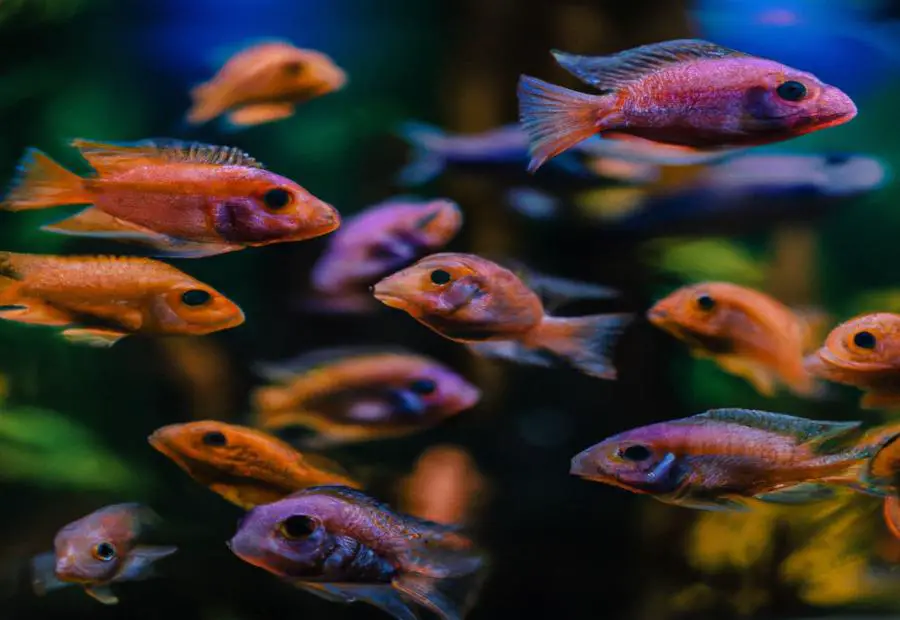
Photo Credits: Bettafishworld.Com by Ethan Davis
When it comes to maximizing the lifespan of cichlids in an aquarium, there are several tips for maximizing the lifespan of cichlids:
- Provide a suitable environment: Maintain the water temperature between 75-82°F and ensure the pH levels are optimal for your specific cichlid species.
- Create a balanced diet: Feed your cichlids a well-rounded diet that includes a mix of high-quality pellets, flakes, and occasional live or frozen foods.
- Keep the aquarium clean: Regularly perform water changes and maintain proper filtration to remove waste and maintain water quality.
- Provide hiding spots: Cichlids appreciate having places to hide and feel secure in the aquarium. Use rocks, driftwood, or plants to create hiding spots.
- Monitor tank mates: Ensure that the cichlids are compatible with other fish species in the tank to minimize aggression and stress.
- Observe behavior: Pay attention to any unusual behavior or signs of illness, such as decreased appetite, lethargy, or fin deterioration. Take immediate action if required.
An example of how these tips can be beneficial in maximizing the lifespan of cichlids is seen in my friend’s aquarium. By carefully maintaining the water temperature, providing a varied diet, and creating ample hiding spots, their cichlids have flourished, living well beyond the average lifespan for their species. The careful attention to water quality and monitoring of tank mates has also helped to prevent any issues or aggression. It is a true testament to how implementing these tips can contribute to the long and healthy life of cichlids in an aquarium.
Some Facts About How Long Do Cichlids Live in an Aquarium:
- ✅ Most cichlid species live between 5-10 years in captivity when well cared for.
- ✅ African cichlids have an average lifespan of eight years, but some species can live up to fifteen years with proper care. (Source: Fishtankmaster)
- ✅ Mbuna Cichlids from Lake Malawi typically live for 8-10 years. (Source: Aquariadise)
- ✅ Peacock Cichlids from Lake Malawi also live for 8-10 years, but can sometimes exceed 15 years. (Source: Aquariadise)
- ✅ Lake Tanganyika Cichlids have varying lifespans, with the Lemon Cichlid living for 8 years and the Blue Goby Cichlid living for 3-5 years. (Source: Aquariadise)
Frequently Asked Questions
How long do cichlids live in an aquarium?
African cichlids have an average lifespan of eight years, but some species can live up to 15 years with proper care and the right environment.
What are some popular species of cichlids with unique patterns?
Some popular cichlid species with unique patterns include the Daffodil Cichlid, Convict Cichlids, Rainbow Cichlid, Lionhead Cichlid, White Pearly Calvus, and Electric Blue Hap.
What are the necessary conditions to prolong the life of cichlids?
To prolong the life of cichlids, it is important to simulate their ideal conditions. This includes providing a balanced diet, maintaining a healthy tank environment, ensuring the right number of fish in the tank, adding hiding spots with rocks and plants, and promptly addressing any signs of illness.
What are some diverse fish species of cichlids found in African lakes?
African lakes are home to a wide variety of cichlid species. Some examples include Lake Tanganyika Cichlids, Mbuna Cichlids, Haplochromis (Haps) from Lake Malawi and Lake Victoria, and West African Cichlids.
Do cichlids have a long lifespan compared to other fish?
Yes, cichlids generally have a longer lifespan compared to many other aquarium fish. They can live between 6 to 15 years depending on the species and care provided.
Social interaction is crucial for cichlids as they are social fish. They should not be kept alone as they can get lonely and stressed. Providing a suitable tank environment with compatible tank mates is important for their well-being.