Originally posted on July 19, 2023 @ 3:14 am
Last Updated on 2 weeks by admin
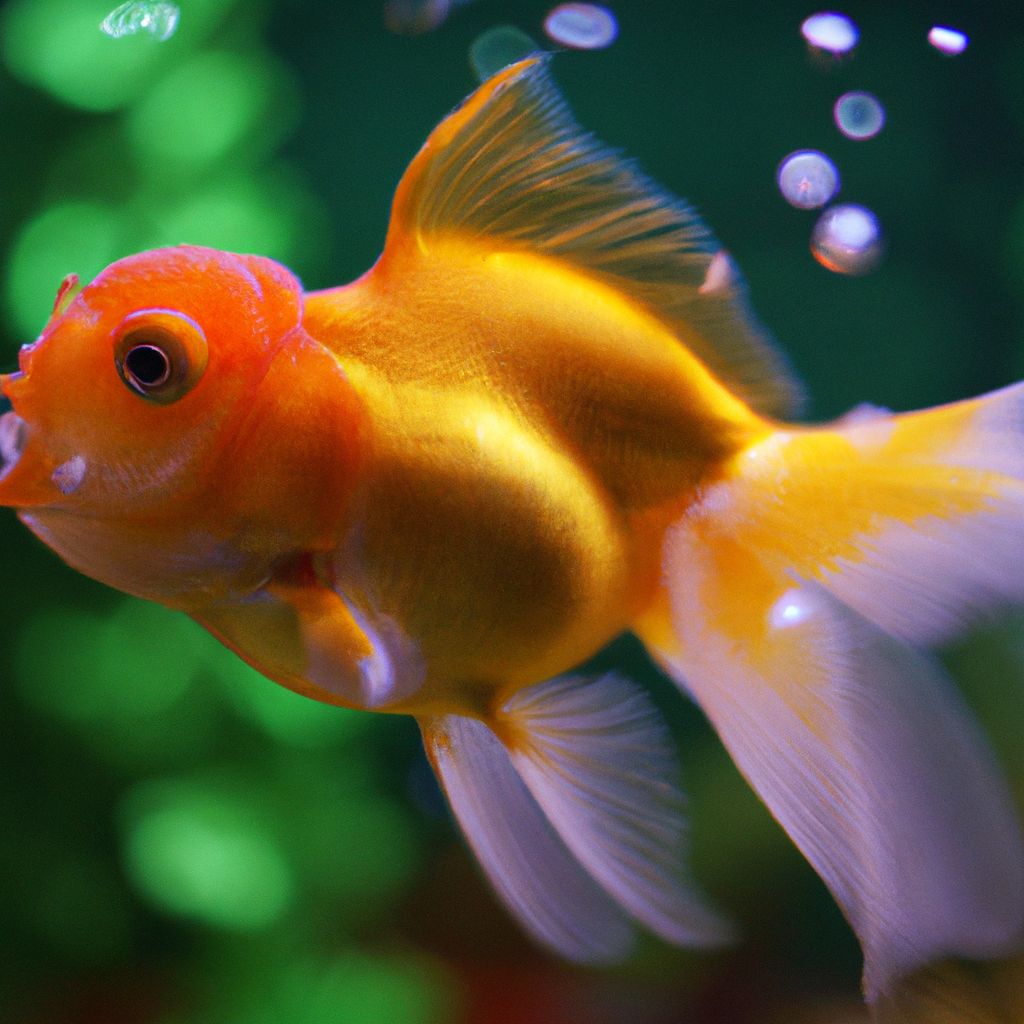
Goldfish and cichlids are popular freshwater fish species that require specific dietary needs to thrive. While their nutritional requirements may differ, there is a common question among fish owners: can goldfish eat cichlid food? Let’s delve into this topic to understand the nutritional needs of goldfish and cichlids and address any potential issues that may arise from feeding them the wrong type of food.
Goldfish have a unique digestive system and dietary preferences. They are omnivores and require a balanced diet that includes both plant matter and protein-based foods. On the other hand, cichlids are primarily carnivorous and thrive on a protein-rich diet. These differences in their dietary needs make it important to choose food that suits their specific requirements.
Feeding goldfish cichlid food can pose certain challenges. Cichlid food is often higher in protein content, which can potentially cause digestive issues in goldfish. Goldfish have a delicate digestive system, and feeding them the wrong type of food can result in swim bladder problems, bloating, and other health issues.
To ensure the optimal health of goldfish, it is crucial to provide them with a diet that meets their unique nutritional needs. Generally, goldfish should be fed a well-balanced diet that consists of high-quality pellet or flake food specifically formulated for goldfish. This type of food contains the necessary nutrients, vitamins, and minerals to support their growth and overall well-being.
Conversely, can cichlids eat goldfish food? Cichlids have different nutritional requirements compared to goldfish. These fish species thrive on a protein-rich diet that mimics their natural feeding habits. Feeding them goldfish food that is typically lower in protein content may lead to nutritional deficiencies and compromised health in the long run. It is recommended to provide cichlids with specialized cichlid food that fulfills their specific dietary needs.
Key takeaway:
- Goldfish and cichlids have different dietary needs: Goldfish and cichlids require different types of food to meet their specific nutritional requirements.
- Feeding cichlid food to goldfish can have potential issues: Goldfish may not be able to digest cichlid food properly and it may lead to health problems.
- It is important to provide appropriate diets for goldfish and cichlids: Understanding the nutritional needs of goldfish and cichlids is crucial to maintain their health and well-being.
Can Goldfish Eat Cichlid Food?
Curious about whether goldfish can enjoy cichlid food? Let’s dive into the world of fish dietary differences. From exploring the unique nutritional needs of goldfish to potential issues that arise when feeding them cichlid food, we’ll uncover fascinating insights and facts that might surprise you. So, buckle up, fish enthusiasts, as we unravel the secrets behind the compatibility of goldfish and cichlid food.
Dietary Differences Between Goldfish and Cichlids
Dietary Differences Between Goldfish and Cichlids
| Goldfish | Cichlids |
| Goldfish have a diverse diet consisting of both plant and animal matter. | Cichlids have a more carnivorous diet, deriving a larger portion of their nutrition from animal-based foods. |
| Goldfish require a higher percentage of carbohydrates in their diet for energy. | Cichlids require a higher percentage of protein in their diet for growth and muscle development. |
| Goldfish have a slower metabolism and a shorter digestive tract, which affects their ability to digest certain foods. | Cichlids have a faster metabolism and a longer digestive tract, allowing them to digest a wider range of foods more efficiently. |
| Goldfish can be prone to buoyancy problems if fed high-fat diets or if overfed. | Cichlids, especially species with aggressive personalities, have a higher tolerance for fatty foods and are less likely to experience buoyancy issues. |
| Goldfish can benefit from a diet rich in plant-based proteins, such as soybean meal or wheat gluten meal. | Cichlids thrive on a diet that includes a variety of animal-based proteins, such as brine shrimp or frozen bloodworms. |
Understanding the dietary differences between goldfish and cichlids is essential for providing them with a balanced and appropriate diet. Goldfish have specific nutritional needs that differ from cichlids, including a higher carbohydrate intake and a lower protein requirement. They are also more prone to digestive issues and buoyancy problems if not fed the right foods. On the other hand, cichlids have a higher protein intake and can tolerate a wider range of foods due to their faster metabolism and longer digestive tract. Providing each species with species-specific food that meets their unique nutritional requirements will ensure optimal health and vitality.
Potential Issues with Feeding Goldfish Cichlid Food
Feeding goldfish cichlid food can potentially lead to issues with their diet. Goldfish and cichlids have different dietary requirements, which can result in nutritional imbalances if goldfish are consistently fed cichlid food. Goldfish need a low protein and high carbohydrate diet, while cichlid food is typically high in protein. The excess protein can cause kidney and liver problems in goldfish. Moreover, cichlid food often contains ingredients unsuitable for goldfish, such as wheat flour and soy protein concentrate. These ingredients can negatively impact digestion and overall health.
Therefore, it is crucial to provide goldfish with a balanced diet that meets their specific nutritional needs. Opt for high-quality flake foods or sinking pellets specially formulated for goldfish. These foods should contain the right balance of vitamins and minerals to support growth and vibrant coloration. It is also beneficial to supplement their diet with fresh vegetables and gel foods made from nutritious ingredients like brewers dried yeast and wheaten gluten meal.
To avoid potential issues, refrain from feeding goldfish cichlid flakes or any food intended for other species. By ensuring goldfish receive the appropriate diet, you can prevent issues and ensure their long-term health and well-being.
What should Goldfish Eat?
When it comes to feeding our goldfish, it’s important to understand their nutritional needs and make the right choices. In this section, we’ll explore what goldfish should eat and discuss the recommended food options. We’ll also uncover the potential risks associated with feeding them cichlid food. So, let’s dive into the world of goldfish nutrition and ensure our finned friends stay healthy and happy.
Goldfish Nutritional Needs
Goldfish have specific nutritional needs that should be met to ensure their overall health and well-being. Here is a table outlining the important nutritional needs of goldfish:
| Nutrient | Importance | Food Sources |
|---|---|---|
| Protein | Essential for growth, tissue repair, and overall development. | High-quality flake foods, sinking pellets, frozen bloodworms. |
| Fat | Provides energy and aids in nutrient absorption. | Sinking food, high-quality flake foods. |
| Carbohydrates | Source of energy for daily activities. | Rolled oats, wheaten gluten meal. |
| Vitamins and minerals | Essential for overall health, immune function, and vibrant coloration. | Fresh vegetables, gel foods fortified with vitamins and minerals. |
Goldfish have specific nutritional needs that should be met to ensure their overall health and well-being. They require protein, fat, carbohydrates, vitamins, and minerals to thrive. Protein is essential for growth, tissue repair, and overall development, and can be obtained from high-quality flake foods, sinking pellets, and frozen bloodworms. Fat provides energy and aids in nutrient absorption, and can be found in sinking food and high-quality flake foods. Carbohydrates, such as rolled oats and wheaten gluten meal, serve as a source of energy for their daily activities. Vitamins and minerals are crucial for their overall health, immune function, and vibrant coloration, and can be obtained from fresh vegetables and gel foods fortified with vitamins and minerals.
To meet the nutritional needs of goldfish, it is important to provide them with a balanced diet consisting of protein-rich foods, such as high-quality flakes or pellets. Occasional treats like frozen bloodworms can also be given. It is important to note that goldfish are omnivorous, meaning their diet should include both plant-based and protein-based foods.
Goldfish have been domesticated for centuries and have become one of the most popular pet fish around the world. Due to their appealing colors and fascinating behaviors, goldfish are often kept in aquariums as beloved pets. To ensure the well-being of goldfish, it is crucial to provide them with a proper diet that meets their nutritional needs. By understanding their specific nutritional requirements and offering a variety of nutritious foods, goldfish can thrive and live a long and healthy life.
Recommended Goldfish Food
When it comes to feeding your goldfish, it is important to choose the right kind of food. Here is a list of recommended goldfish food:
- Hikari Gold: This high-quality flake food is specially formulated for goldfish, ensuring that they receive all the essential nutrients they need. It also helps enhance their vibrant coloration.
- Gel foods: These types of foods are made by combining fresh vegetables, proteins, and vitamins. They offer a balanced diet for goldfish and can be easily customized to meet their nutritional needs.
- Sinking pellets: If your goldfish has fin or buoyancy problems, sinking pellets can be beneficial. These pellets provide the necessary nutrients without causing any stress to the fish.
- Tropical fish flakes: Although not specifically designed for goldfish, tropical fish flakes can still be a good option as part of a varied diet. They contain a mix of plant-based proteins and are suitable for goldfish with no specific dietary requirements.
- NLS pellets: These floating pellets are known for their high-quality ingredients and balanced nutritional profile. They are specifically formulated to meet the needs of coldwater fish like goldfish and fulfill their protein requirements.
Potential Risks of Feeding Cichlids Goldfish Food
The potential risks of feeding cichlids goldfish food include:
- Imbalanced Nutrition: Feeding cichlids goldfish food may not meet their specific nutritional needs. Cichlids require higher protein content and certain minerals that might be lacking in goldfish food.
- Digestive Issues: Cichlids have different digestive systems compared to goldfish, and giving them goldfish food can lead to digestive upsets, such as bloating or constipation.
- Stunted Growth: Goldfish food is designed to meet the dietary needs of goldfish, which have a slower growth rate compared to cichlids. Feeding cichlids goldfish food can result in stunted growth and poor development.
- Aggressive Behavior: Cichlids are known for their aggressive personalities, and the high carbohydrate content in goldfish food can worsen their territorial behavior, leading to increased aggression and fighting among cichlids.
Story: A fishkeeper once made the mistake of feeding their cichlids goldfish food. Within a few weeks, the cichlids started showing signs of poor growth and digestive issues. The fishkeeper realized their mistake and switched to a specialized cichlid food. Over time, the cichlids’ health improved, they displayed vibrant coloration, and their growth rate increased significantly. This anecdote emphasizes the importance of providing cichlids with the appropriate diet to ensure their overall well-being.
Can Cichlids Eat Goldfish Food?
Looking to feed your cichlids with goldfish food? Let’s dig deeper into whether it’s a suitable choice. Exploring the differences in nutritional requirements between cichlids and goldfish, as well as the potential risks involved, we’ll uncover the facts about this feeding practice. Get ready to uncover the truth about whether cichlids can truly thrive on a goldfish diet.
Differences in Nutritional Requirements Between Cichlids and Goldfish
The nutritional requirements of cichlids and goldfish differ significantly. Here is a table highlighting the differences:
| Nutrient | Cichlids | Goldfish |
|---|---|---|
| Protein | Require higher protein content (around 30-40%) | Require moderate protein content (around 25-30%) |
| Fat | Need more fat in their diet | Require less fat to avoid digestive issues |
| Vitamins | Require specific vitamins like A, D, and E | Have different vitamin requirements |
| Plant-based diets | Can have more plant-based proteins in their diet | Do better with higher levels of animal protein |
| Specialized food | May require species-specific food tailored to their needs | Can eat a variety of high-quality flake foods |
To meet the specific nutritional requirements of cichlids and goldfish, it is important to choose the right fish food. For cichlids, opt for a high-protein diet with supplements that contain the necessary vitamins and minerals they need. Cichlid flakes and sinking pellets are good options. Goldfish, on the other hand, require a balanced diet of protein and plant matter. Good choices include high-quality flake foods and sinking food pellets.
It is crucial to avoid feeding cichlid food to goldfish and vice versa, as it may lead to nutrient deficiencies or digestive issues. By understanding the differences in nutritional requirements between cichlids and goldfish, you can ensure that your fish thrive and maintain optimal health.
Remember to always consult with a veterinarian or fish expert for the specific dietary needs of your fish.
Potential Risks of Feeding Cichlids Goldfish Food
The potential risks of feeding cichlids goldfish food, such as the one mentioned, can have several negative effects:
- Imbalanced nutrition: One of the main issues when giving cichlids goldfish food is the lack of balanced nutrition. Goldfish food is specially designed to meet the specific nutritional needs of goldfish, which differ from those of cichlids. This imbalance of essential nutrients can lead to long-term health problems.
- Reduced vibrant coloration: Cichlids rely on specific pigments to maintain their vibrant colors. Unfortunately, goldfish food may not contain the necessary pigments, resulting in duller coloration for cichlids.
- Digestive upsets: Cichlids have different digestive systems compared to goldfish. Goldfish food may contain ingredients that are harder for cichlids to digest, potentially causing digestive issues and discomfort.
- Potential aggression: Cichlids are known for their aggressive behavior, particularly when establishing their territory and breeding. Feeding them goldfish food, which can stimulate their appetite, may increase territorial aggression and disrupt their social dynamics.
- Increased risk of disease: Goldfish food may not provide the specific nutrients required to support cichlids’ immune systems. This weakens their resistance to diseases and infections, making them more prone to health problems.
To ensure the overall well-being of cichlids and prevent the potential risks associated with feeding them goldfish food, it is important to provide them with specialized food that meets their specific nutritional requirements.
Some Facts About “Can Goldfish Eat Cichlid Food?”:
- ✅ Goldfish cannot eat cichlid food because it does not provide the right balance of nutrients for their health.
- ✅ Cichlids require a diet high in protein and fat, while goldfish need more plant-based proteins and carbohydrates.
- ✅ Goldfish can eat tropical fish flakes, but it is not the best food for them.
- ✅ Goldfish can eat bloodworms, which are a great source of nutrition for them.
- ✅ Cichlid flakes are not suitable for other types of tropical fish because they may lack the necessary nutrients and minerals they need.
Frequently Asked Questions
Can goldfish eat cichlid food?
No, goldfish cannot eat cichlid food as it does not provide the right balance of nutrients for their health. Goldfish have different dietary requirements, needing more plant-based proteins and carbohydrates. Cichlid food, high in protein and fat, may make goldfish ill as it lacks the necessary nutrition for their growth. It is best to stick with specially formulated food for goldfish.
Can goldfish eat betta fish food?
Yes, goldfish can eat betta fish food occasionally. However, it is important to note that betta fish food is tailored to the nutritional needs of bettas and may not provide all the necessary nutrients that goldfish require. It is advisable to choose species-specific food formulated for goldfish to ensure their proper nutrition and overall health.
What are some suitable fish foods for goldfish?
Goldfish should be fed high-quality flake or pellet foods specifically designed for them. These foods provide essential proteins, fats, and carbohydrates to support their nutritional needs. Additionally, occasional treats like bloodworms, brine shrimp, and other small crustaceans can be offered. It is important to feed goldfish a balanced diet and avoid overfeeding to prevent health issues and water pollution.
Can goldfish eat guppy fish food?
Goldfish can consume guppy fish food occasionally, but it may not provide them with all the necessary nutrients they need. Guppy fish food is formulated for the specific nutritional requirements of guppies and may not cater to the needs of goldfish. To ensure the best health and growth for goldfish, it is recommended to feed them food that is designed specifically for their species.
What should be the main components of goldfish food?
Goldfish require a balanced diet consisting of essential proteins, fats, vitamins, minerals, and some carbohydrates. Specially formulated high-quality flake or pellet foods for goldfish should be the main staple. These foods provide the necessary nutrients to support their growth and overall health. It is important to choose a brand where fish meal and krill meal are the main ingredients, as these ingredients offer vital nutrients for goldfish.
Can goldfish eat any kind of fish food?
While goldfish can tolerate other types of fish food to some extent, it is best to feed them food specifically formulated for their species. Different fish have different nutritional requirements, and using food not intended for goldfish may not provide the necessary nutrients and can lead to health problems. To ensure the best health and well-being for goldfish, it is advisable to choose and provide them with species-specific food.