Originally posted on July 19, 2023 @ 3:16 am
Last Updated on 1 week by admin
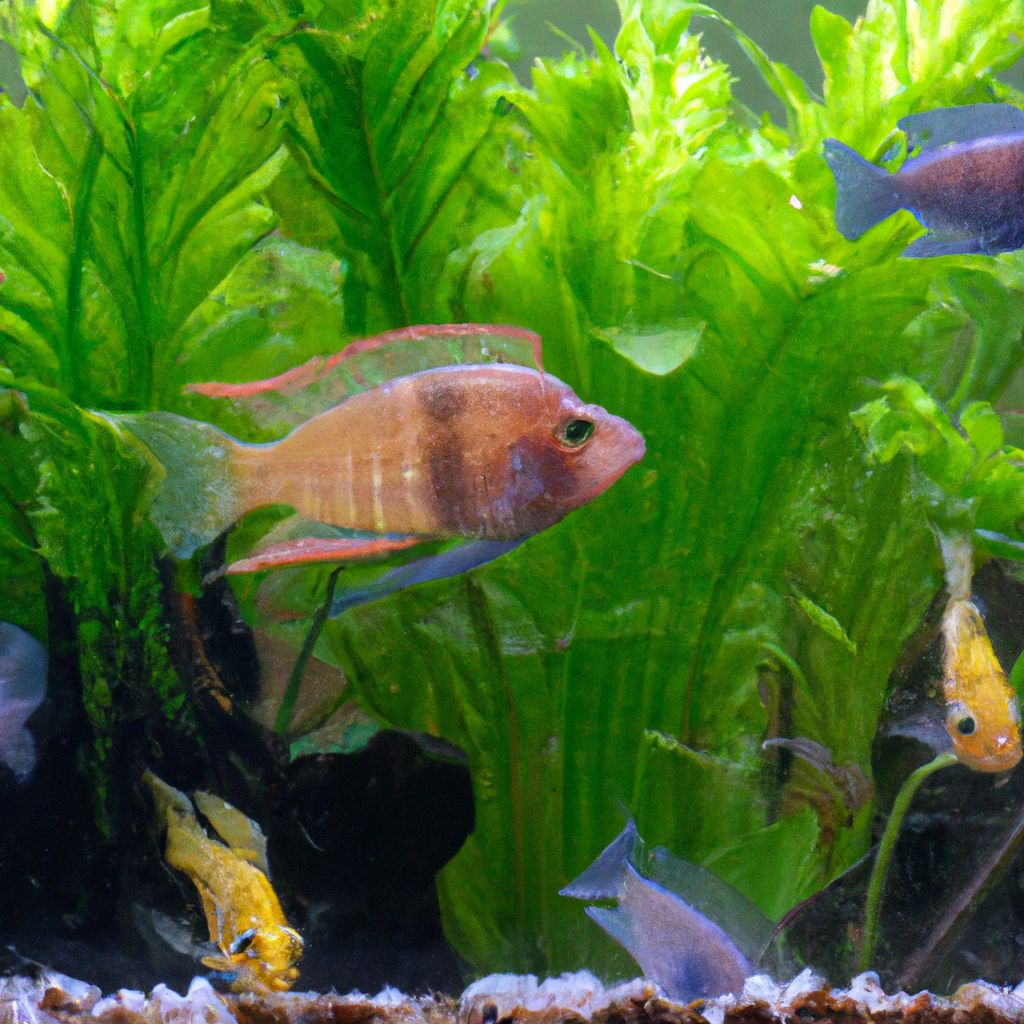
Keeping a balanced and harmonious aquarium environment is crucial for the well-being of its inhabitants. One common question among aquarium enthusiasts is whether snails can coexist with African cichlids. Understanding the compatibility between these two species is vital to maintaining a healthy and thriving aquarium ecosystem.
African cichlids are a diverse group of freshwater fish known for their vibrant colors and territorial behavior. To determine if snails can live with African cichlids, it is important to consider the characteristics and behaviors of both species.
Certain types of snails can be kept with African cichlids without major issues. These snails, such as Malaysian Trumpet Snails or Nerite Snails, are better suited for African cichlid tanks due to their hard shells and ability to withstand aggressive behavior from these fish.
There are several benefits to having snails in African cichlid tanks. Snails serve as natural cleaners by consuming leftover food and algae, helping to keep the tank clean and reducing waste. Snails can serve as a supplemental food source for cichlids, providing them with extra nutrients and promoting their natural foraging behavior.
However, there are potential challenges and risks to consider when keeping snails with African cichlids. African cichlids may view snails as potential prey and can harass or attack them. The snail population may also increase rapidly if not properly controlled, leading to overpopulation and potential water quality issues.
Before introducing snails to an African cichlid tank, it is essential to consider factors such as tank size and setup, compatibility with cichlid species, and feeding and nutritional needs of both snails and cichlids. Providing adequate hiding places and structures can help minimize aggression and provide shelter for snails.
To successfully introduce and maintain snails in African cichlid tanks, it is recommended to go through a quarantine process to ensure the snails are healthy and free from diseases. Regularly monitoring interactions between snails and cichlids is important, and adjusting feeding strategies to prevent overfeeding and promote balanced nutrition is key.
By carefully considering compatibility, managing potential challenges, and providing proper care, the coexistence of snails and African cichlids can be achieved, creating a visually appealing and thriving aquarium ecosystem.
Key takeaway:
- Snails can live with African Cichlids in the same tank: When properly chosen and managed, certain types of snails can coexist with African Cichlids, adding benefits to the tank ecosystem.
- Snails provide natural cleaning in African Cichlid tanks: Snails act as natural cleaners by consuming excess food and algae, helping to maintain water quality and reducing the maintenance required for the tank.
- Careful consideration is needed for introducing snails with African Cichlids: Factors such as tank size and setup, compatibility with African Cichlid species, and feeding needs must be considered before introducing snails to ensure a harmonious and balanced environment.
Can Snails Live with African Cichlids?
Snails can indeed live with African cichlids. They have the ability to peacefully coexist in the same aquarium without any issues. In fact, snails can provide several benefits to both the cichlids and the overall ecosystem of the tank. They play a crucial role in cleaning up algae and uneaten food, thereby maintaining water quality and keeping the tank clean. Moreover, snails add visual interest with their unique shapes and colors, enhancing the aesthetics of the aquarium. It should be noted, however, that compatibility may vary among different snail species. It is advisable to select larger snail species that can withstand the aggressive behavior of cichlids. Malaysian trumpet snails and nerite snails are popular choices known to thrive alongside African cichlids. To ensure the well-being of both snails and cichlids, it is important to provide proper care and regularly monitor the aquarium conditions.
Understanding the Compatibility
Understanding the compatibility between snails and AfriCan cichlids is crucial before introducing them in the same tank. Snails and cichlids have contrasting social behaviors, with cichlids being aggressive and snails being peaceful. Additionally, their size difference should be considered, as cichlids may view smaller snails as prey. The tank environment and dietary needs of both species may also pose challenges. While snails prefer planted tanks with hiding spots, cichlids require open spaces. Furthermore, snails are detritivores, while cichlids primarily eat meat-based foods. Differences in water parameters, such as alkalinity and acidity, should also be taken into account. Maintaining suitable conditions for both species can be challenging. Considering these compatibility factors will help ensure the well-being of both snails and AfriCan cichlids in the shared tank.
What Are African Cichlids?
African cichlids, also known as What Are African Cichlids?, are a diverse group of freshwater fish native to the lakes of Africa. They are renowned for their vibrant colors, unique patterns, and territorial behavior. These amazing fish come in various sizes, ranging from small to large, and they have the ability to adapt to different water conditions. Due to their remarkable beauty and fascinating behaviors, African cichlids have gained popularity among aquarium enthusiasts.
A characteristic feature of African cichlids is their aggressive nature, especially when it comes to breeding and territorial disputes. These active swimmers require ample space in the aquarium to move around. It is crucial to provide them with a tank that is large enough to accommodate their size and territorial needs.
To thrive, African cichlids have specific dietary requirements and need a well-balanced diet. Being omnivorous, they feed on both meat-based foods and plant matter. Therefore, it is essential to offer them a variety of foods to meet their nutritional needs.
One fascinating fact about African cichlids is that they are excellent algae eaters. They play a crucial role in keeping the tank clean by consuming the algae that may grow on the surfaces of the aquarium. This helps maintain water quality and reduces the need for frequent cleaning.
What Types of Snails Can Be Kept with African Cichlids?
When it comes to keeping snails with African cichlids, certain types of snails are more suitable. Here are some types of snails that can be kept with African cichlids:
- Mystery snails: These snails are a popular choice for African cichlid tanks. They have a hard shell, which makes them less likely to be harmed by the cichlids. They also help in keeping the tank clean by consuming algae and other debris.
- Nerite snails: Nerite snails are another good option for African cichlid tanks. They have a hard shell, similar to mystery snails, and they are effective in controlling algae growth. However, it’s important to note that nerite snails require a freshwater environment.
- Rabbit snails: Rabbit snails are larger snails that can also be kept with African cichlids. They have a unique appearance with their long, rabbit-like antennae. These snails are known for their ability to consume algae and help maintain a clean tank.
It’s important to choose snails that can tolerate the aggression of African cichlids and have a hard shell to protect themselves. Additionally, providing enough hiding places and vegetation in the tank can help create a balanced environment for both the snails and the cichlids.
Fun fact: Snails are not only beneficial for their cleaning abilities, but they can also be an interesting addition to the visual aesthetics of an African cichlid tank!
Benefits of Snails in African Cichlid Tanks
Adding snails to your African Cichlid tank brings numerous benefits! From acting as natural cleaners to serving as a potential food source, these slimy creatures play a vital role in maintaining a healthy and balanced aquatic ecosystem. Say goodbye to excess algae and debris, as snails diligently devour unwanted organic matter. Additionally, their presence provides a supplementary food option for your finned friends. Discover the advantages of incorporating snails into your African Cichlid tank and witness the positive impact they can have on your aquatic environment.
Snails as Natural Cleaners
Snails as natural cleaners are an excellent for African cichlid tanks.
They play a vital role in keeping the tank clean by consuming leftover food, algae, and other organic matter.
Their feeding habits are essential in maintaining a healthier and more balanced ecosystem in the tank.
By consuming algae, snails effectively reduce its growth and prevent it from overtaking the tank.
Snails’ constant grazing also aids in minimizing waste and nutrient buildup in the tank.
In addition, snails have the ability to reach areas that are difficult for other tank inhabitants to clean.
They effectively clean the surfaces of rocks, glass, and decorations, keeping them free from debris and algae.
Snails significantly improve the overall water quality in the tank, thereby creating better conditions for the African cichlids.
Having snails as natural cleaners reduces the need for frequent manual cleaning and maintenance in the tank.
When selecting snail species, it is crucial to choose those that are compatible with African cichlids and can thrive in their specific tank conditions.
Proper monitoring and management of snail populations are necessary to prevent overpopulation and potential issues.
Snails as Food Source
Snails can serve as a valuable food source for African cichlids. They naturally provide important nutrients and make a beneficial addition to their diet. Here is a table presenting the nutritional content of common snails that can be fed to African cichlids:
| Snail Species | Protein Content | Fat Content | Fiber Content |
| Tubifex Worms | 62% | 8% | 2% |
| Bloodworms | 58% | 3% | 1.5% |
| Blackworms | 55% | 5% | 3% |
| Snail Eggs | 75% | 12% | 0.5% |
These snails offer a high percentage of protein, crucial for the growth and development of African cichlids. The fat content is moderate, providing an adequate source of energy. Additionally, fiber aids in digestion and nutrient absorption. Incorporating snails into the diet of African cichlids mimics their natural feeding behavior and promotes overall health and well-being. It is essential to provide a variety of snail species to ensure a balanced and diverse diet for the cichlids.
Potential Challenges and Risks
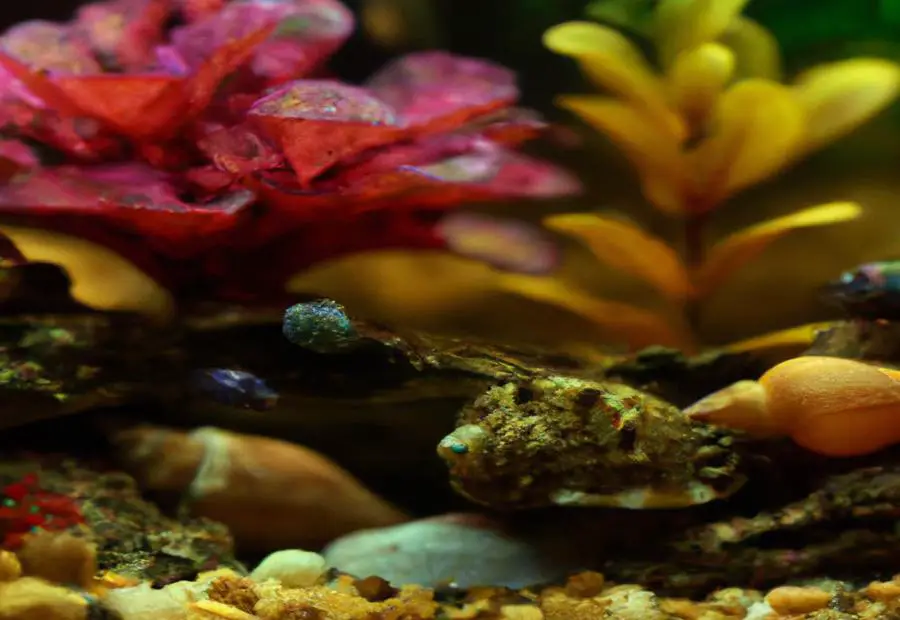
Photo Credits: Bettafishworld.Com by Ethan Jones
When it comes to keeping snails with African cichlids, there are potential challenges and risks to consider. From becoming prey for the cichlids to the need for population control, there are certain factors that require careful consideration. In this section, we will explore the dynamics between snails and African cichlids, highlighting the potential risks involved in their coexistence. So, if you’re contemplating adding snails to your cichlid tank, hold on tight as we dive into the fascinating world of these aquatic adversaries.
Snails as Prey for African Cichlids
Snails can serve as prey for African Cichlids, depending on their size and species.
- African Cichlids have a tendency to target smaller snails that can fit into their mouths.
- Larger snail species such as mystery snails or apple snails are less likely to be viewed as prey.
- It is crucial to monitor the interactions between snails and Cichlids if you have small snails in your tank.
- Cichlids possess robust jaws that can crush snail shells, creating difficulties for the snails to survive.
- In a community aquarium housing both Cichlids and snails, it is advantageous to provide ample hiding spots and dense vegetation to reduce the risks of predation.
Pro-tip: If you wish to keep snails with African Cichlids, opt for larger snail species and establish a well-structured environment that allows snails to hide and evade potential predators.
Snail Population Control
The control of snail population in African cichlid tanks can be achieved through various natural methods.
- One effective method is the manual removal of excess snails by regularly inspecting the tank. This helps prevent overpopulation and maintains a balanced ecosystem.
- Another approach is to adjust the feeding schedule and amount to ensure that the snails do not have access to excessive food, which can lead to population growth.
- Introducing predatory fish species, like specific loaches or pufferfish, can help keep the snail population in check as they naturally prey on snails.
- In some cases, chemical treatments may be necessary to control the snail population. However, it is crucial to choose a treatment that is safe for African cichlids and meticulously follow the instructions.
- Regular monitoring of the snail population is essential to take prompt action if it starts to grow rapidly. By maintaining a balance, the overall health of the tank can be ensured.
By implementing these control measures, the snail population in your African cichlid tank can be effectively managed, resulting in a healthy and balanced ecosystem.
In the 19th century, a small village in France faced an epidemic of snail overpopulation, causing devastation to local gardens and crops. Despite trying various methods like manual removal and introducing predatory birds and frogs, none of them proved effective.
However, a traveler passing through the village suggested a unique solution. They recommended using a plant extract that acted as a natural repellent for snails. Skeptical but willing to give it a try, the villagers sprayed the extract on their gardens. Surprisingly, the snails began to avoid the treated areas. Gradually, the snail population decreased, and the villagers were able to restore their gardens and crops.
This historical example highlights the significance of finding effective methods to control snail populations and maintain ecological balance. Through careful monitoring and proactive measures, snail population can be controlled, creating a harmonious environment for all organisms in the tank.
Factors to Consider Before Introducing Snails
Before introducing snails, there are certain factors to consider:
- Tank Size and Setup: It is important to ensure that your tank is large enough to accommodate both the African cichlids and the snails. A general rule of thumb is to have a minimum of 20 gallons for a small community aquarium.
- Compatibility with African Cichlid Species: Researching and choosing snail species that are compatible with African cichlids is crucial. Some snails may be too small or delicate and could be seen as prey by the cichlids.
- Feeding and Nutritional Needs: The feeding requirements of the snails should be taken into consideration. While they can assist with algae control, snails also need a varied diet that includes meat-based food and vegetables.
Fact: Introducing snails into your African cichlid tank can have additional benefits, such as naturally cleaning the tank and serving as a food source for the cichlids. Proper consideration of these factors will ensure a successful and harmonious coexistence between the snails and the cichlids.
Tank Size and Setup
When considering the tank size and setup for African cichlids and snails, it’s important to create a suitable environment for both species to thrive. Here are some factors to consider:
- Tank size: African cichlids can grow quite large, so a spacious tank is necessary to accommodate their size. A general rule of thumb is to provide at least 75 gallons of water per cichlid.
- Water parameters: African cichlids prefer slightly alkaline water with a pH range of 7.8 to 8.5. It’s important to maintain stable water conditions and monitor temperature, hardness, and ammonia levels.
- Decor and hiding places: Provide plenty of rocks, caves, and other hiding spots for the cichlids and snails. This helps to replicate their natural habitat and allows them to establish territories.
- Filtration: A good filtration system is essential to maintain water quality and remove waste. Consider using a combination of mechanical, biological, and chemical filtration methods.
- Compatibility: Choose snail species that are compatible with African cichlids. Some varieties like Malaysian Trumpet Snails and Nerite Snails can tolerate the cichlid’s aggressive behavior.
- Feeding: Ensure the tank has enough food for both the cichlids and snails. Provide a varied diet that includes both meat-based foods for the cichlids and algae-based foods for the snails.
By considering these factors, you can create a well-balanced tank environment that allows African cichlids and snails to coexist harmoniously.
Fun Fact: African cichlids are known for their vibrant colors and diverse species, making them a popular choice among aquarium enthusiasts.
Compatibility with African Cichlid Species
The compatibility of African cichlids with other species is an important aspect to consider when setting up an aquarium. Here is a table that provides information on the compatibility of African cichlid species with different types of snails:
| African Cichlid Species | Compatibility with Snails |
|---|---|
| Mbunas | Compatible with small and hardy snail species like Malaysian Trumpet Snails. |
| Haplochromis | Compatible with larger snail species like Mystery Snails and Nerite Snails. |
| Peacock Cichlids | Compatible with small snail species like Ramshorn Snails. |
| Frontosa | Compatible with snail species that can tolerate higher water parameters like Zebra Nerite Snails. |
It is important to note that compatibility can vary among individual fish and their behaviors. Some cichlids may view snails as prey and try to harm or eat them. Therefore, it is crucial to monitor the interactions between cichlids and snails closely. Additionally, providing suitable hiding places and sufficient food sources can help to minimize aggression towards snails.
Feeding and Nutritional Needs
Feeding and nutritional needs are essential for the health and well-being of African Cichlids. It is crucial to provide them with a balanced diet that fulfills their specific requirements.
Table: Feeding and Nutritional Needs of African Cichlids
| Feeding | Nutritional Needs |
| African Cichlids have omnivorous feeding habits and need a diverse diet. | To thrive, they require a combination of protein, vitamins, minerals, and fiber. |
| You should offer a mix of high-quality commercial fish foods, such as pellets or flakes. | Ensure that the food is specifically formulated for African Cichlids as it contains vital nutrients. |
| Supplement their diet with meat-based foods like brine shrimp or bloodworms. | These foods provide essential protein for their growth and vitality. |
| Include some plant matter in their diet, such as spirulina or blanched vegetables. | These greens supply necessary vitamins and fiber. |
| Feed them small amounts several times a day since they have a high metabolism. | Overfeeding can lead to obesity and water quality problems. Adjust the quantity based on their appetite and the tank’s size. |
Incorporating a balanced diet based on the feeding and nutritional needs of African Cichlids is crucial for promoting their growth, maintaining vibrant colors, and supporting overall health.
A friend of mine had a beautiful African Cichlid tank but was not aware of the diverse feeding options required by the fish. He primarily fed them flakes, assuming it was enough. However, the fish started losing color and energy. After consulting with an expert, he realized the importance of a varied diet. By incorporating a mix of quality pellets, meat-based foods, and plant matter, he noticed a remarkable difference in the health and vibrancy of his African Cichlids. It was a valuable lesson in understanding the feeding and nutritional needs of these unique fish.
Tips for Introducing and Maintaining Snails in African Cichlid Tanks
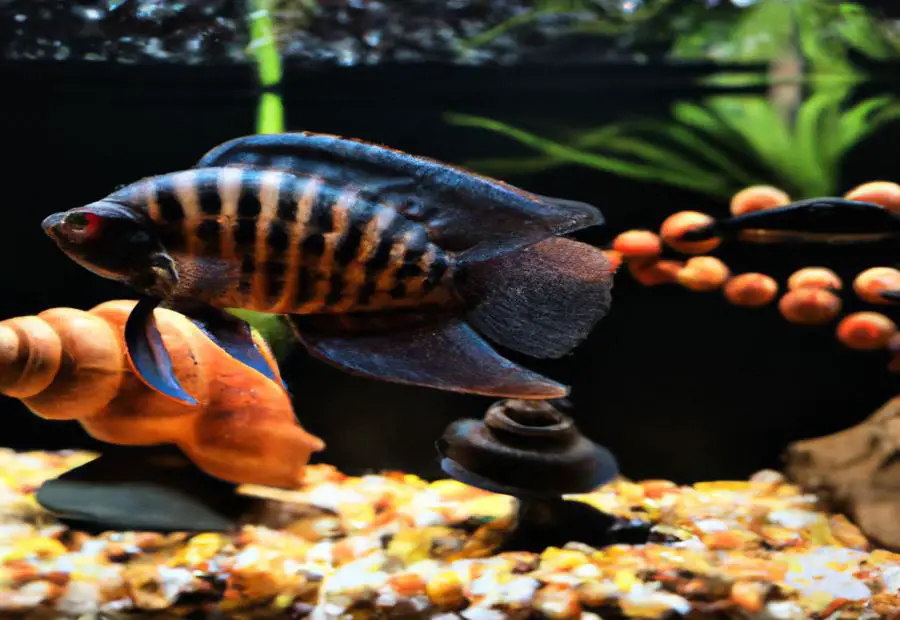
Photo Credits: Bettafishworld.Com by Russell Johnson
Looking to add some snails to your African cichlid tank? Let’s dive into some tips and tricks for introducing and maintaining snails in this unique aquatic environment. We’ll cover the quarantine process to ensure the health of your tank, how to monitor snail and cichlid interactions for compatibility, and explore feeding strategies to keep both species thriving. Get ready to create a harmonious underwater ecosystem that showcases the beauty of coexistence.
Quarantine Process
The Quarantine Process is an essential step when introducing snails to African cichlid tanks to ensure the health and safety of both the snails and the cichlids.
- Separation: Begin by keeping the snails separate from the main tank. Set up a separate quarantine tank specifically for the new snails.
- Observation: Monitor the snails closely during the quarantine period. Look for any signs of illness or disease, such as abnormal behavior or physical deformities.
- Duration: Keep the snails in quarantine for a minimum of two weeks. This allows enough time to identify any potential health issues before introducing them to the main tank.
- Water parameters: Maintain proper water quality in the quarantine tank, ensuring suitable temperature, pH levels, and ammonia/nitrate levels for the snails.
- Feeding: Provide a balanced diet for the snails during the quarantine period, including algae-based foods and calcium supplements.
By following a thorough Quarantine Process, you can minimize the risk of introducing diseases or parasites to your African cichlid tank and promote a healthy aquarium environment for all inhabitants.
Monitoring Snail and Cichlid Interactions
To ensure the compatibility and well-being of both snails and African cichlids in a tank, it is important to monitor their interactions closely. This can be done by closely observing the behavior of both the snails and cichlids and keeping track of any changes or signs of distress.
| Behavior | Interpretation |
|---|---|
| Peaceful coexistence | This indicates that the snails and cichlids are compatible and able to live together harmoniously. |
| Aggressive behavior towards snails | If the cichlids show aggression towards the snails, such as biting or chasing them, it may indicate that the snails are being seen as prey. Immediate action should be taken to separate them to ensure the safety of the snails. |
| Snail stress or hiding | If the snails show signs of stress, such as hiding for extended periods or not coming out to feed, it may be an indication that the cichlids are not compatible with them. In such cases, it would be advisable to remove the snails from the tank for their well-being. |
Monitoring is crucial in maintaining a balanced and harmonious tank environment for both snails and African cichlids. By closely observing their interactions and addressing any issues that arise, you can create a thriving ecosystem for your aquatic pets.
In a similar vein, a friend of mine recently set up a tank with African cichlids and snails. At first, everything seemed to be going well, with the cichlids showing curiosity towards the snails. However, as time went on, my friend noticed the cichlids becoming increasingly aggressive, indicating potential aggression towards the snails. Fortunately, my friend was vigilant in monitoring the interactions and quickly removed the snails from the tank to prevent any harm. This incident further emphasizes the importance of ongoing observation and intervention to maintain the well-being of all tank inhabitants.
Feeding Strategies
| Feeding Strategies |
|
1. Provide a balanced diet: African cichlids are omnivorous and require a mix of meat-based and plant-based foods. Offer high-quality cichlid pellets or flakes as the base of their diet, ensuring they contain the necessary nutrients for growth and health. |
|
2. Offer protein-rich foods: Supplement the diet with live or frozen foods such as brine shrimp, bloodworms, or daphnia. These protein-rich foods will provide essential amino acids and help mimic their natural diet in the wild. |
|
3. Include vegetable matter: Introduce plant matter to the diet by offering blanched vegetables like spinach, zucchini, or peas. This will provide fiber and additional nutrients for optimal digestion and overall well-being. |
|
4. Variety is key: Rotate between different types of foods to prevent monotony and ensure a diverse nutritional intake. Incorporate freeze-dried and pellet-based foods with occasional treats of live or frozen foods to promote a well-rounded diet. |
|
5. Avoid overfeeding: Cichlids have a tendency to overeat, which can lead to obesity and health problems. Feed them small portions multiple times a day, only providing what they can consume within a few minutes. |
|
6. Monitor feeding behavior: Pay attention to how your cichlids respond to different foods and adjust their diet accordingly. Some individuals may have specific preferences or dietary needs, so observing their behavior will help ensure they are getting enough nutrition. |
|
7. Supplement with algae: African cichlids also benefit from consuming algae. Introduce algae-based foods or consider incorporating algae-eating fish or snails into the tank to help control algae growth while providing a natural food source for the cichlids. |
###Facts about “Can Snails Live with African Cichlids”:
Some Facts about “Can Snails Live with African Cichlids”:
- ✅ It is generally unsuitable to keep snails with African cichlids. (Source: aqualifeexpert.com)
- ✅ Small-sized cichlids like German blue rams can coexist with snails. (Source: aqualifeexpert.com)
- ✅ Larger cichlids such as jaguars, blood parrots, and firemouths may unintentionally eat snails. (Source: aqualifeexpert.com)
- ✅ Snails are compatible with Bolivian rams, German blue rams, and African cichlids. (Source: aqualifeexpert.com)
- ✅ Snails should be avoided in tanks with convict cichlids, kribensis cichlids, Oscars, and cockatoo dwarf cichlids. (Source: aqualifeexpert.com)
Frequently Asked Questions
Can snails live with African cichlids?
Yes, snails can live with African cichlids, but it depends on the specific species of cichlid and the size of the snails. Smaller snails are more likely to be eaten or bullied by aggressive cichlids, so it is best to keep snails with peaceful herbivorous cichlids in the same tank.
Which cichlids can be kept with snails?
Some cichlids that can be kept with snails include smaller cichlid breeds like German blue rams, Bolivian rams, and African cichlids. These cichlids are less likely to eat or harm the snails, allowing them to coexist peacefully in the same tank.
What cichlids cannot be kept with snails?
Aggressive cichlids, such as jaguars, blood parrots, cockatoo dwarf cichlids, and convicts, are not compatible with snails. These cichlids may unintentionally eat or bully the snails due to their size or aggressive temperament.
Do African cichlids eat snails?
African cichlids are not active snail eaters, but they may eat snails on rare occasions, especially if they are smaller in size. It is best to choose snail species that can coexist peacefully with African cichlids, such as Nerite snails, Japanese Trapdoor snails, and Rabbit snails.
Can cichlids eat meat-based food?
No, cichlids are primarily herbivorous and their diet is not suited for meat-based food. Protein intake from animal sources can cause intestinal problems for cichlids. It is important to provide them with a balanced diet of plant-based food that meets their nutritional needs.
Are snails beneficial for aquariums?
Yes, snails can be beneficial for aquariums as they help clean up algae and debris, reducing water contamination. They serve as part of the tank’s clean-up crew and can contribute to maintaining a clean and healthy environment for the fish.