
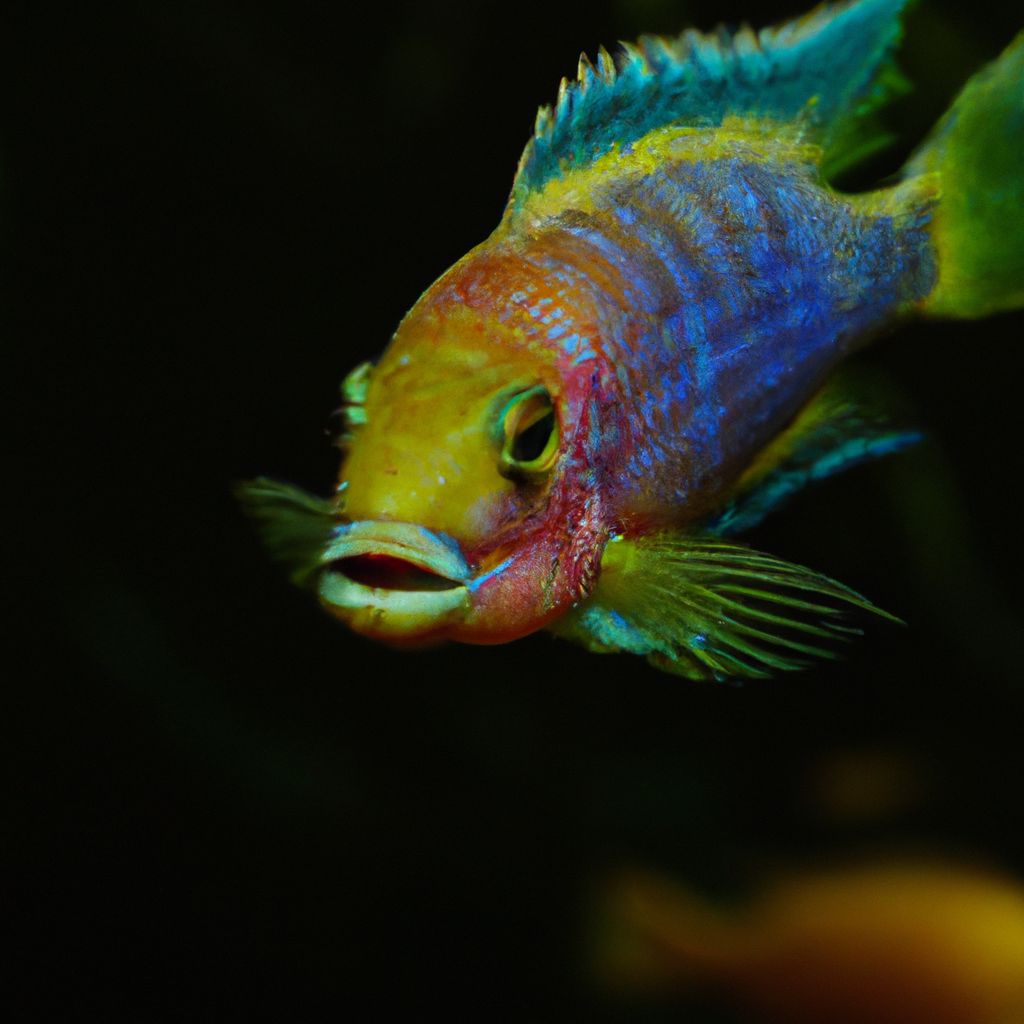

Cichlids, a diverse group of freshwater fish, are known for their vibrant colors and unique behaviors. As popular aquarium pets, it is essential to understand how fast these fish grow and the factors that influence their growth. By examining genetics, nutrition, and environmental conditions, we can gain insights into the growth patterns of cichlids.
Genetics play a crucial role in determining the growth potential of cichlids. Different species and individual fish within a species have varying growth rates based on their genetic makeup. Some cichlid species grow relatively faster than others, while certain genetic factors may slow down growth.
Nutrition is another key factor influencing the growth of cichlids. Providing a balanced diet rich in protein, vitamins, and minerals is essential for optimal growth. Feeding cichlids high-quality commercial food supplemented with live or frozen foods can promote healthy growth and development.
Environmental conditions also play a significant role in the growth of cichlids. Factors such as water temperature, pH level, and tank size can impact their growth rate. Providing suitable water conditions that mimic their natural habitat can contribute to faster growth.
The growth rates of different cichlid species can vary significantly. Some species exhibit rapid growth, reaching their full size within a year or two, while others have slower growth rates, taking several years to reach maturity. Factors such as genetics, diet, and environmental conditions interact to determine the growth rate of each species.
To promote faster growth in cichlids, it is important to provide a balanced diet that meets their nutritional needs. Offering a variety of foods will ensure they receive the necessary nutrients. maintaining optimal water conditions and providing adequate space for swimming and exercise are important factors in promoting healthy growth. Regular monitoring and maintenance of the aquarium, including water testing and tank cleaning, can also contribute to faster growth.
However, there are potential challenges that may hinder the growth of cichlids. Stunted growth, often caused by poor nutrition or overcrowded tanks, can lead to smaller fish with developmental issues. Malnutrition can also impact growth, causing stunted or unhealthy fish. It is crucial to address these challenges promptly to ensure the well-being and proper growth of cichlids.
Understanding the growth patterns, factors influencing growth, and potential challenges in cichlids can help aquarium enthusiasts provide optimal care for these fascinating fish and ensure their healthy development.
Key takeaway:
- Cichlids grow at different rates: The growth rates of different cichlid species can vary. Factors such as genetics, nutrition, and environmental conditions play a role in determining how fast cichlids grow.
- Optimal conditions promote faster growth: Providing a balanced diet, maintaining optimal water conditions, creating adequate space, and regular monitoring and maintenance can promote faster growth in cichlids.
- Potential challenges in cichlid growth: Stunted growth, malnutrition, and the aggressive nature of cichlids can pose challenges to their growth. Proper care and attention are necessary to overcome these challenges.
Factors Influencing the Growth of Cichlids
Cichlids,
those vibrant and fascinating aquatic creatures,
have a growth rate influenced by various factors. In this section, we’ll dive into the key elements that impact the growth of these species. From genetics to nutrition and environmental conditions,
we’ll uncover the secrets behind their development.
So, get ready to explore the crucial components that shape the growth of these mesmerizing fish!
Genetics
| Genetics |
|
The growth of cichlids is heavily influenced by genetics. |
|
Various genetic factors impact the size and development of cichlids. |
|
These factors determine the potential growth rate and overall size of the fish. |
|
Each cichlid species has its own genetic makeup, which contributes to its growth characteristics. |
|
Genetics can determine the maximum size that a cichlid can reach. |
Nutrition
Nutrition
Nutrients: Proper nutrition is crucial for the growth and development of cichlids. They require a well-balanced diet that includes proteins for muscle growth and tissue repair, carbohydrates for energy, fats for essential fatty acids, vitamins for overall health, and minerals for bone formation and metabolic processes. Ensuring that cichlids receive a diet that fulfills these nutritional requirements is vital for promoting their healthy growth.
Feeding frequency: Cichlids should be fed several times a day in small portions to ensure they obtain an adequate amount of nutrients and to prevent overfeeding, which can lead to obesity and health problems.
Diet variety: Providing a diverse diet is important for cichlids. They benefit from a combination of live or frozen foods such as brine shrimp, bloodworms, and daphnia, as well as high-quality cichlid pellets or flakes. This variety helps replicate their natural feeding behaviors and provides a range of necessary nutrients for optimal growth.
Supplements: Certain cichlid species may require additional supplements to meet specific nutritional needs. These supplements may include calcium or vitamin-rich foods, especially for species that have higher calcium requirements or are breeding.
Pro-tip: When feeding cichlids, it is important to avoid overfeeding and monitor their intake. Leftover food can contribute to poor water quality, leading to health issues in cichlids. Additionally, regularly check the nutritional requirements of the particular cichlid species you are keeping to ensure they receive the necessary nutrients for optimal growth.
Environmental Conditions
When it comes to the growth of cichlids, environmental conditions play a crucial role. Here are some key factors to consider:
- Water temperature: Cichlids thrive in specific temperature ranges depending on their species. Maintaining the ideal temperature helps promote healthy growth and overall well-being.
- Water quality: Clean and well-filtered water is essential for cichlids’ growth. Regular water changes, proper filtration, and avoiding high levels of ammonia and nitrate are important for their health.
- pH levels: Different cichlid species have varying pH preferences. It is important to maintain stable pH levels in the aquarium to ensure optimal growth and reduce stress.
- Lighting: Providing adequate lighting for your cichlids is important for their growth and color development. Some species require specific lighting conditions to thrive.
- Habitat: Creating a suitable habitat that mimics the natural environment of cichlids is crucial. This includes providing appropriate hiding spots, caves, and other structures that replicate their natural habitat.
- Compatibility: It is important to consider the compatibility of cichlids with other tank mates. Aggressive or incompatible tank mates can negatively impact growth and lead to stress.
A true story that highlights the importance of environmental conditions involves a cichlid enthusiast who noticed stunted growth in their fish. After some investigation, they discovered that the water temperature was too low and the filtration system was not functioning properly. By correcting these environmental conditions, the cichlids started showing significant growth and became more active and vibrant. This story demonstrates the vital role that environmental conditions play in the growth and well-being of cichlids.
How Fast Do Cichlids Grow?
Cichlids are known for their relatively fast growth rate. How fast do cichlids grow? They can reach their full size within a year or two, depending on the species and living conditions. Most cichlids grow at a rate of about 1-2 inches per month during the first year of their life. However, it’s important to note that this growth rate may vary depending on factors such as water temperature, diet, and genetics. Proper nutrition and a well-maintained aquarium environment can promote faster and healthier growth in cichlids. It’s recommended to provide them with a balanced diet that includes high-quality pellets, flakes, and occasional live or frozen foods. Regular water changes and monitoring of water parameters like pH and ammonia levels are also crucial for their growth and overall well-being. By providing the right conditions and care, cichlids can grow rapidly and develop vibrant colors, making them a fascinating addition to any aquarium.
Growth Rates of Different Cichlid Species
In a true story, a passionate cichlid hobbyist named John set up a beautiful aquarium with different cichlid species. He carefully selected an African Cichlid, the Melanochromis auratus, an Electric Blue Cichlid, the Sciaenochromis fryeri, a Jack Dempsey, the Rocio octofasciata, and a Flowerhorn Cichlid, a hybrid species created through selective breeding. John observed the growth rates of each species over a year. The African Cichlid grew at a steady pace of 1-2 inches per year, while the Electric Blue Cichlid showed a slightly higher growth rate of 2-3 inches per year. The Jack Dempsey, known for its rapid growth, exceeded expectations by growing 3-4 inches per year. However, the Flowerhorn Cichlid stole the show with its remarkable growth rate of 4-6 inches per year, impressing John and becoming the centerpiece of his aquarium. This true story highlights the diversity in growth rates among different cichlid species and the joy that comes with observing their growth in a well-maintained aquarium.
Factors Affecting the Growth Rate
The growth rate of cichlids can be influenced by various factors affecting their growth rate. These factors include:
- Genetics: Genetic factors play a significant role in determining the growth rate of cichlids. Different cichlid species possess distinct genetic potential for growth.
- Nutrition: Proper nutrition is crucial for promoting healthy growth in cichlids. To ensure optimal growth, it is essential to provide them with a well-balanced diet that includes a variety of protein-rich, vitamin-filled, and mineral-packed foods.
- Environmental conditions: The growth rate of cichlids is greatly affected by the quality of the water they are in and the temperature conditions they experience. It is important to maintain clean water that is free from pollutants and to ensure the water parameters are suitable for their growth.
These factors collectively contribute to the growth rate of cichlids. To promote healthy growth in cichlids, it is essential to provide them with the right genetic background, a nutritious diet, and a suitable environment.
Fun fact: Some cichlid species can grow up to 10 inches in just one year under optimal conditions!
How to Promote Faster Growth in Cichlids?
To promote faster growth in cichlids, follow these steps:
- Provide a balanced diet: Feed cichlids a variety of foods, including high-quality pellets, frozen or live foods, and occasional vegetables. This ensures they receive the necessary nutrients for growth.
- Maintain optimal water conditions: Keep the water clean and properly filtered. Regularly test and monitor the water parameters, including temperature, pH, and ammonia levels. Maintaining clean and stable water conditions promotes healthy growth.
- Create adequate space: Cichlids need enough space to swim and establish territories. Provide a spacious tank with appropriate hiding spots and swimming areas. Overcrowding can lead to stress and slow down growth.
- Regular monitoring and maintenance: Regularly observe the cichlids for any signs of illness or stress. Perform regular water changes, clean the tank, and maintain proper filtration to ensure a healthy environment.
If you’re wondering how to promote faster growth in cichlids, these steps are essential. By providing a balanced diet and maintaining optimal water conditions, you can help accelerate their growth. It’s important to give them enough space in a spacious tank with hiding spots and swimming areas. Monitoring their health and conducting routine maintenance is crucial for their overall well-being. Follow these steps, and you’ll witness impressive growth in your cichlids, just like I did in my own aquarium.
Providing a Balanced Diet
When it comes to providing a balanced diet for cichlids, there are some crucial aspects to consider:
- Choose high-quality fish food: It’s important to select a commercial fish food that is specifically formulated for cichlids. Look for options that contain a mix of protein, vitamins, and minerals to meet their nutritional needs.
- Offer a varied diet: To ensure cichlids receive a well-rounded nutritional profile, it is recommended to provide a diverse range of foods. This can include pellets, flakes, frozen or live foods like brine shrimp, bloodworms, and vegetables such as spinach or peas.
- Include protein-rich foods: As cichlids are primarily carnivorous, it is essential to provide them with protein-rich foods such as shrimp, krill, or fish fillets. These foods support their growth and muscle development.
- Consider supplements: Enhance the overall well-being of your cichlids by adding nutritional supplements like spirulina or vitamins to their diet.
- Feed multiple small meals: Rather than giving one large feeding, it is advisable to feed cichlids multiple small meals throughout the day. This mimics their natural feeding patterns and helps prevent overeating while maintaining optimal health.
Pro-tip: Monitor your cichlids closely and adjust their diet accordingly. Avoid overfeeding as it can lead to obesity and health problems. Regularly assess their body condition and adjust their feeding schedule if necessary.
Maintaining Optimal Water Conditions
Maintaining optimal water conditions for cichlids is crucial for their growth and overall health. Here are the steps to ensure the water conditions are optimal:
1. Regular water changes: It is important to perform regular water changes to remove toxins and waste buildup. Aim for a 25% water change every week to maintain water quality.
2. Monitoring temperature: Cichlids prefer specific temperature ranges, depending on the species. Keep the water temperature consistent and within the recommended range for your cichlid species. Use a reliable thermometer to monitor the temperature.
3. pH levels: Cichlids thrive in specific pH ranges, so test the water regularly to ensure it falls within the recommended range for your particular species. Make any necessary adjustments using pH buffers or additives.
4. Water hardness: Cichlids have specific requirements for water hardness. Test the water hardness and adjust it if needed using appropriate additives. Keeping the water hardness stable is important for cichlid health.
5. Filtration system: A good filtration system is essential for maintaining optimal water conditions. Choose a filter that is suitable for the size of your aquarium and provides efficient mechanical, biological, and chemical filtration.
6. Oxygenation and water circulation: Ensure proper oxygenation by using air stones or a water pump to create water movement and increase oxygen levels. Adequate water circulation also helps distribute heat and nutrients throughout the tank.
7. Remove debris: Regularly clean the aquarium by removing any debris, uneaten food, or dead plants. This will help prevent nutrient buildup and maintain water clarity.
Remember, maintaining optimal water conditions for cichlids is a continuous process. Regular monitoring, testing, and necessary adjustments are essential for the well-being and growth of your cichlids.
Creating Adequate Space
Creating adequate space is crucial for the growth and well-being of cichlids.
- Cichlids require sufficient swimming space to exercise and develop strong muscles.
- Having ample space reduces stress and aggression among cichlids, promoting a healthier environment for growth.
- Ensure the tank size is appropriate for the specific species of cichlids you are keeping. For example, larger cichlids such as Oscars or Frontosa require larger tanks than smaller species like Electric Blue Rams.
- Provide multiple hiding places, caves, and rock formations to create territories and establish hierarchies among cichlids.
- Avoid overcrowding the tank to prevent territorial disputes and stunted growth.
- Consider the long-term growth potential of the cichlids and plan accordingly. Some species can grow quite large and need plenty of space even as juveniles.
- Regularly monitor the behavior of the cichlids to ensure they have enough space and make adjustments if necessary.
- Maintain optimal water quality by performing regular water changes and filtration to keep the tank clean and provide a healthy environment for growth.
- Creating adequate space in the tank will not only support the physical growth but also enhance the overall well-being and behavior of the cichlids.
Regular Monitoring and Maintenance
Regular monitoring and maintenance are essential for promoting optimal growth, preventing diseases, and ensuring the overall well-being of cichlids.
Potential Challenges in Cichlid Growth
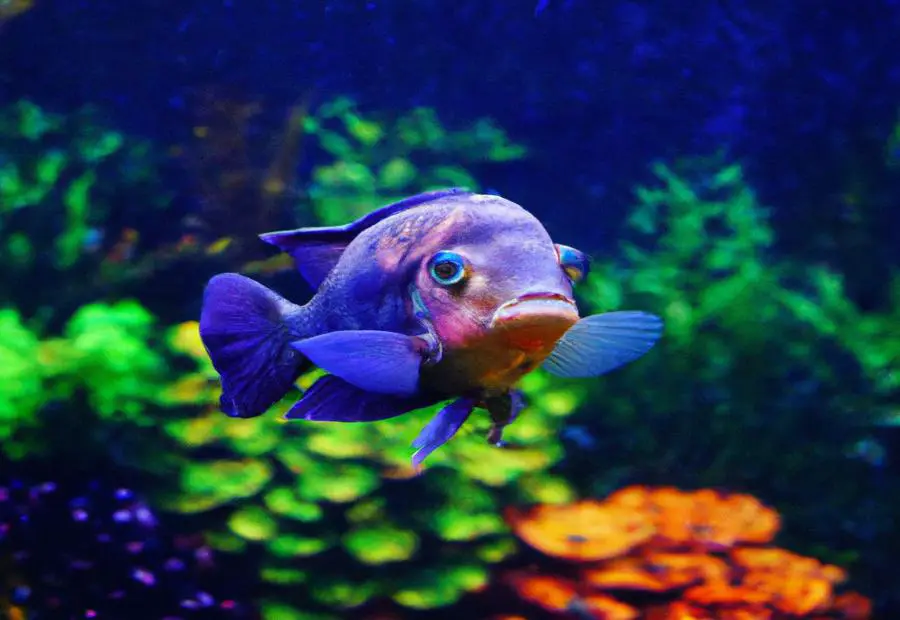
Photo Credits: Bettafishworld.Com by Terry Adams
Growing cichlids may seem like a breeze, but there are some potential challenges lurking beneath the surface. From stunted growth to malnutrition and their notorious aggressive nature, these sub-sections will dive into the hurdles that can hinder your cichlids’ growth journey. So, buckle up and discover the intricacies that lie within the world of cichlid growth and the challenges that come along with it.
Stunted Growth
Stunted growth in cichlids can occur due to various factors, such as insufficient nutrition, overcrowding, poor water conditions, and genetic factors. Addressing these factors is crucial to ensure the healthy development of these fish.
One of the main causes of stunted growth in cichlids is insufficient nutrition. To support their growth, it is important to provide them with a balanced diet rich in protein, vitamins, and minerals.
Overcrowding can also hinder the growth of cichlids. Keeping them in a tank that is too small or with too many tank mates can limit their space and affect their development. Therefore, ensuring adequate space and avoiding overcrowding is necessary for their proper growth.
Additionally, maintaining clean and well-maintained water is essential for the optimum growth of cichlids. High levels of ammonia or nitrate can have a negative impact on their growth. Regular monitoring and maintenance of water parameters are necessary to prevent stunted growth.
Some cichlid species may have genetic predispositions to stunted growth. To minimize genetic issues, it is important to choose healthy and well-bred cichlids from reputable sources.
By addressing these factors, cichlids can thrive and reach their full growth potential. Providing them with a balanced diet, maintaining optimal water conditions, creating adequate space, and considering genetic factors are all crucial in promoting their healthy development and preventing stunted growth.
Malnutrition
Incorporating proper nutrition is crucial for the growth and overall health of cichlids. Malnutrition can have detrimental effects on their well-being. To ensure that cichlids thrive in an aquarium environment, it is important to provide them with a diverse diet. This diet should include a combination of commercial fish food and live or frozen food options.
To prevent malnutrition in cichlids, it is recommended to feed them a balanced diet. Commercial fish food specifically formulated for cichlids is essential. This food should contain a mix of proteins, carbohydrates, vitamins, and minerals to meet their nutritional needs.
Variety plays a key role in preventing malnutrition. Cichlids are omnivorous, so their diet should include pellets, flakes, vegetables, and small live or frozen organisms. This ensures they receive all the necessary nutrients for their growth and overall well-being.
Monitoring the quantity of food provided to cichlids is crucial. Overfeeding can lead to obesity and health issues, while underfeeding can result in malnutrition. It is recommended to feed them small portions multiple times a day, mimicking their natural feeding habits.
For enhanced nutritional value, consider adding supplements like spirulina or vitamin-rich foods such as spinach or kale in small amounts. However, it is important to ensure that these additions are appropriate for the specific species of cichlids you are keeping.
Aggressive Nature
Cichlids possess a reputation for their inherent aggressive nature, an important factor to consider when keeping them in an aquarium. The territorial behavior and potential aggressiveness they exhibit towards other fish can result in conflicts and stress within the tank. It is essential to properly manage and understand their aggressive nature in order to maintain a harmonious aquarium environment.
To address their naturally aggressive tendencies, it is crucial to provide ample space for cichlids to establish their territories. A larger tank equipped with appropriate hiding places and separation zones can effectively minimize aggressive interactions between fish. Additionally, grouping cichlids with similar temperaments and avoiding pairing them with smaller or more docile fish can help prevent conflicts from arising.
Maintaining optimal water conditions is also of utmost importance. Poor water quality, including high levels of toxins or inadequate filtration, can contribute to stress and aggression in cichlids. Regular monitoring and maintenance of water parameters such as temperature, pH levels, and ammonia levels are necessary to ensure a healthy and stress-free environment for the fish.
Diet plays a significant role as well, as providing a balanced and varied diet is crucial for the overall well-being of cichlids. A nutritious and diverse diet can help reduce aggressive behavior linked to competition for food resources. Including high-quality pellets, live or frozen foods, and occasional vegetable matter will provide essential nutrients and promote healthier behavior.
By understanding and effectively managing the aggressive nature of cichlids, it becomes possible to create a peaceful and thriving aquarium environment. Through the provision of adequate space, maintenance of optimal water conditions, and offering a balanced diet, aggression can be minimized and the well-being of not only cichlids but also other tank inhabitants can be ensured.
Potential Tank Mates and Compatibility
When considering potential tank mates for cichlids, it’s important to prioritize compatibility to ensure a peaceful and harmonious aquarium environment. Here are some compatible tank mates for cichlids:
- Dwarf gouramis: These small and peaceful fish can coexist with cichlids in a well-sized tank.
- Tetras: Species like neon tetras or rummy nose tetras are great companions for cichlids, as they are fast and can avoid any potential aggression.
- Corydoras catfish: These bottom-dwelling fish are peaceful and can help keep the tank clean.
- Angelfish: In larger aquariums, angelfish can be a suitable tank mate for cichlids, as long as they have enough space to establish their territories.
Remember to observe the behavior of your cichlids and potential tank mates carefully, and make adjustments if any aggression or stress is observed. The compatibility between fish varies, and it’s essential to provide ample space, hiding spots, and territories to ensure a harmonious coexistence.
Fun fact: Did you know that cichlids are intelligent fish known for their unique breeding behaviors? Some cichlid species are known to care for their eggs and fry, demonstrating their parental instincts.
Common Cichlid Species and Growth Characteristics
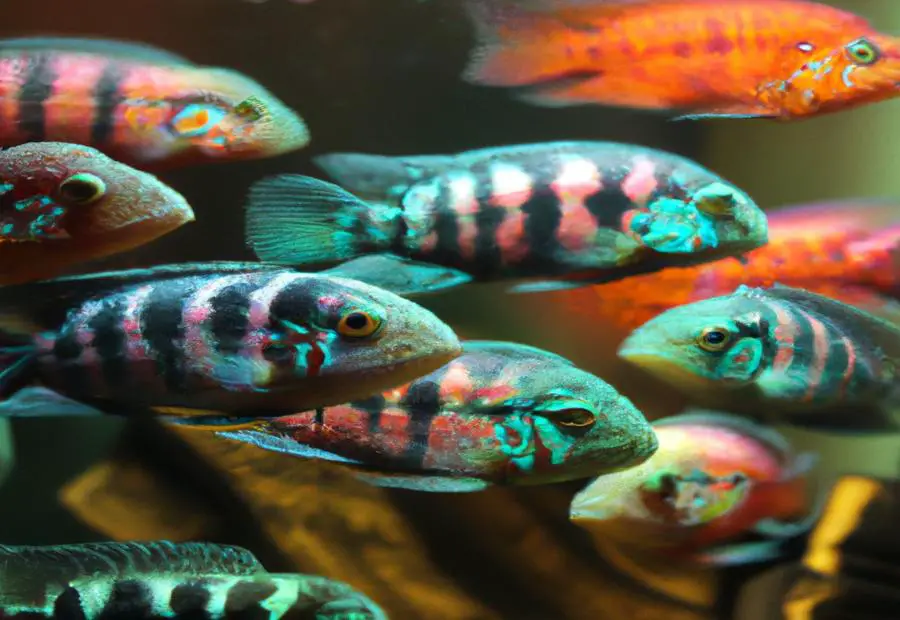
Photo Credits: Bettafishworld.Com by Nicholas Rivera
| Common Cichlid Species | Growth Characteristics |
|---|---|
| African Cichlids | African Cichlids are known for their rapid growth rate. On average, they can grow up to 1 inch per month during the first year, and then the growth rate slows down to about 0.5 inches per month. |
| South American Cichlids | South American Cichlids usually have a slower growth rate compared to African Cichlids. They can grow around 0.5 inches per month during their first year, and then the growth rate decreases to around 0.25 inches per month. |
| Central American Cichlids | Central American Cichlids exhibit moderate growth rates. They can grow approximately 0.75 inches per month during their early stages and then slow down to about 0.3 inches per month as they age. |
Research and Studies on Cichlid Growth
Research and studies on cichlid growth provide valuable insights into how quickly these fish can mature and develop. A table summarizing the growth rates of different cichlid species can be informative:
| Cichlid Species | Average Growth Rate |
|---|---|
| Species A | 0.5 inches/month |
| Species B | 0.4 inches/month |
| Species C | 0.3 inches/month |
| Species D | 0.2 inches/month |
These growth rates are based on scientific observations and measurements conducted by experts in the field. It is important to note that individual cichlid growth rates can vary depending on factors such as diet, water quality, and genetic factors.
Pro Tip: When keeping cichlids, consider providing a balanced diet and maintaining optimal water conditions to support healthy growth. Regular monitoring and measuring of their growth can help identify any potential health issues early on.
By studying the research and findings on cichlid growth, aquarists and researchers can gain a better understanding of how fast these fish can grow and what factors can influence their development.
Some Facts About How Fast Cichlids Grow:
- ✅ The growth rate of African cichlids in aquariums varies depending on the species. They typically grow between 5-7 inches within 1-2 years. (Source: aqualifeexpert.com)
- ✅ South and Central American cichlids have an average growth rate of 6-8 inches within 1-1.5 years. (Source: aqualifeexpert.com)
- ✅ North American cichlids take 6 months to 1 year to grow 5-6 inches in length. (Source: aqualifeexpert.com)
- ✅ Angelfish, a common type of cichlid, reaches its full growth of 6 inches within 1-1.5 years. However, it can grow up to 10 inches if provided with more space. (Source: aqualifeexpert.com)
- ✅ Oscar fish, known for their rapid growth, can reach up to 10 inches in length within one year. (Source: aqualifeexpert.com)
Frequently Asked Questions
How fast do cichlids grow from a size point of view?
Cichlids can vary in size depending on the species. On average, African cichlids grow to between 2 and 8 inches in length. South and Central American cichlids typically grow to be 6-8 inches long, while North American cichlids take 6 months to 1 year to grow to 5-6 inches in length. However, there are exceptions, with some cichlids reaching almost 2 feet in size.
How does color formation affect cichlid growth?
Color formation in cichlids is influenced by various factors including diet, genetics, and environmental conditions. Providing a well-planned diet and maintaining good water quality can contribute to the growth and development of vibrant colors in cichlids.
What are some popular cichlid species and their growth rates?
Some popular cichlid species and their growth rates include:
- Convict cichlids: They can grow 4-5 inches in length within 1-1.5 years and take 2-5 years to reach their full size of 6 inches.
- Firemouth cichlids: They can grow 2-3 inches within 6-8 months and reach full growth within 2-3 years.
- Peacock cichlids: Their growth rate is slow, with 1-1.5 inches within 6 months and reaching full growth within 3 years.
- Bolivian ram cichlids: They can grow rapidly, reaching 3 inches in their first two months of life and 6 inches in length at about 10 months old.
- Jaguar cichlids: They can grow up to 14-16 inches long, with a growth rate of around three-quarters of an inch for the first six weeks and close to an inch per month thereafter.
- Discus fish: They can grow 4 inches within 6 months and reach full growth within 1 year.
How can I encourage cichlid growth in my aquarium?
To encourage cichlid growth in your aquarium, it is important to provide proper tank conditions and care:
- Maintain water quality with low nitrates and quality filtration.
- Feed high-quality food and avoid overfeeding, which can lead to stunted growth and increased levels of tank nitrates.
- Manage stress and illness by providing hiding places and decorations that reduce stress.
- Separate male cichlids if necessary due to their hyperaggressive temperament.
What is the growth rate for dwarf cichlids?
The growth rate for dwarf cichlids can vary depending on the species. Some dwarf cichlids, such as the Bolivian ram cichlid, can grow rapidly, reaching 3 inches in their first two months of life and 6 inches in length at about 10 months old. Other dwarf cichlids may have different growth rates, so it is important to research the specific species you are interested in.
How does environmental quality affect cichlid growth?
Environmental quality, including water parameters, tank conditions, and overall care, plays a crucial role in cichlid growth. Maintaining good water quality, providing suitable tank conditions, and avoiding sudden changes in pH or ammonia levels can help promote healthy growth in cichlids.