
Originally posted on July 19, 2023 @ 3:18 am
Last Updated on 20 hours by admin
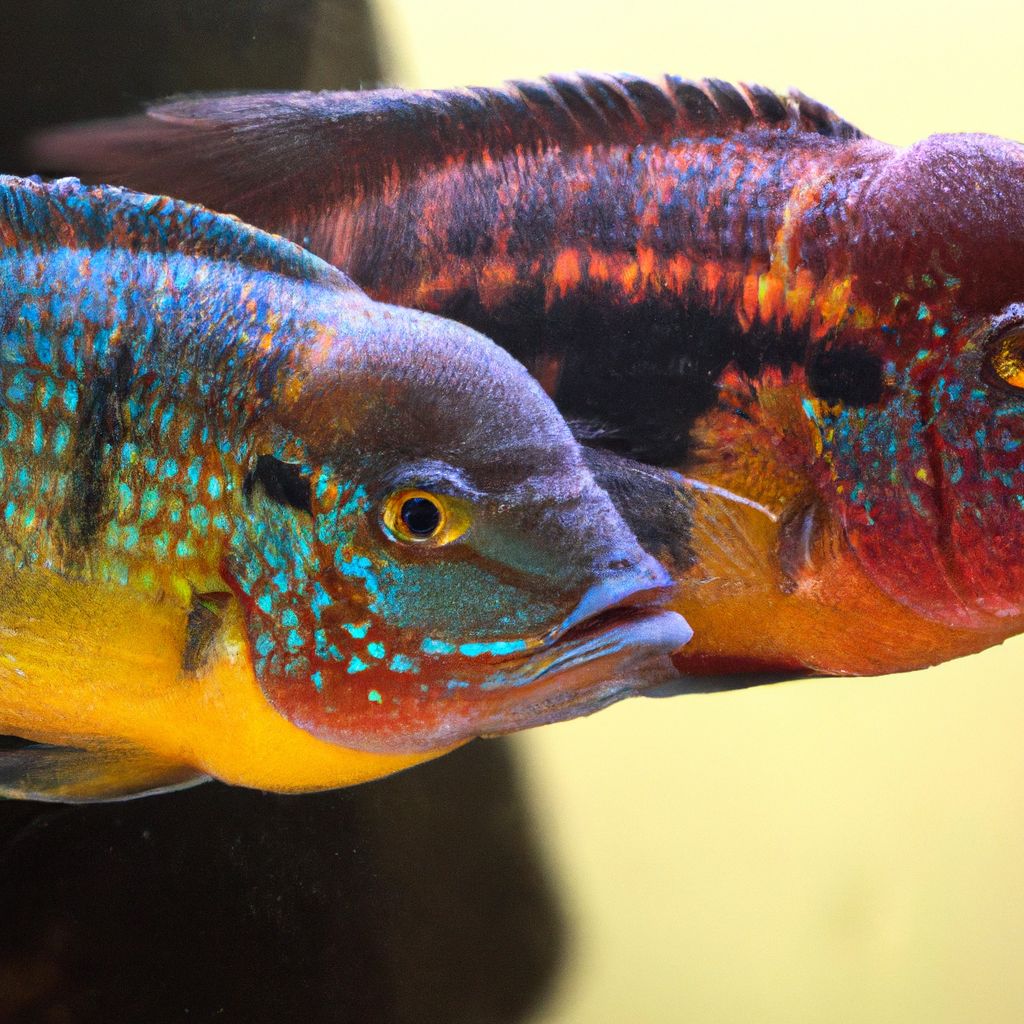
Cichlids are a diverse group of freshwater fish known for their vibrant colors and unique behaviors. Breeding among cichlids is a fascinating and important aspect for aquarium enthusiasts and breeders. Understanding the breeding age of cichlids is crucial for successful reproduction and maintaining a healthy population.
Determining the breeding age of cichlids can vary depending on several factors, including the species, genetics, habitat, and environmental conditions. Factors such as water temperature, water quality, and availability of suitable breeding sites also play a role in determining the breeding age of cichlids.
Different cichlid species have different breeding ages, which can range from several months to a few years. Common cichlid species like angelfish, discus fish, convict cichlids, and oscar fish have specific breeding age ranges. By understanding the specific breeding age requirements of these species, aquarists can be better prepared to encourage successful breeding.
There are several signs that indicate the readiness for breeding in cichlids. These signs include aggressive behavior, nest building, coloration changes, and courtship rituals. Recognizing these signals can help identify when cichlids are ready to breed and provide the appropriate conditions for successful reproduction.
Apart from age and readiness, factors like water conditions, diet and nutrition, and tank size and setup can greatly influence the breeding success of cichlids. Maintaining optimal water conditions, providing a balanced and nutritious diet, and creating a suitable tank environment and setup are essential for promoting successful breeding among cichlids.
By understanding the breeding age of cichlids and the various factors that contribute to successful reproduction, aquarists can create a conducive environment for breeding and enjoy the beauty and diversity of these incredible fish species.
Key takeaway:
- Cichlids breed at different ages: The breeding age of cichlids can vary depending on various factors, such as the species, water conditions, diet, and tank setup.
- Signs of readiness for breeding in cichlids: Aggressive behavior, nest building, coloration changes, and courtship rituals are some of the signs that indicate cichlids are ready to breed.
- Factors influencing breeding success: Water conditions, diet and nutrition, and tank size and setup play a crucial role in the breeding success of cichlids.
What is the Breeding Age of Cichlids?
When it comes to cichlids, one burning question that often comes to mind is: What is the breeding age of these colorful fish?
In this section, we’ll dive into the factors that can influence the breeding age of cichlids. From nutritional considerations to environmental factors, we’ll explore how these variables play a role in determining when these fascinating creatures are ready to reproduce. So, let’s unravel the mysteries and discover the secrets behind the breeding age of cichlids!
Factors Affecting the Breeding Age of Cichlids
The breeding age of cichlids can be influenced by several factors:
- Different cichlid species have varying breeding ages. For example, Angelfish typically reach breeding age between 6-12 months, while Discus Fish may take 10-14 months.
- Size: Cichlids need to reach a certain size before they can breed. Larger species like Oscars may take around 1-2 years to reach breeding size.
- Water conditions: A suitable environment is crucial for breeding. Factors like water temperature, pH levels, and cleanliness can impact the breeding age of cichlids. Optimal conditions can help them reach breeding age sooner.
- Availability of food: Adequate nutrition is essential for cichlids to mature and reach breeding age. A balanced diet rich in proteins and vitamins can promote healthy growth and early breeding.
- Stress levels: High-stress levels can delay breeding. Providing a calm and secure environment for cichlids can help them reach breeding age more quickly.
- Social dynamics: The presence of potential mates can influence the breeding age of cichlids. When suitable partners are available, cichlids may reach breeding age sooner.
Understanding these Factors Affecting the Breeding Age of Cichlids can assist cichlid enthusiasts in creating optimal conditions for their fish and ensuring they reach breeding age at the appropriate time.
How to Determine the Breeding Age of Cichlids?
To determine the breeding age of cichlids, follow these steps:
- Observe sexual dimorphism: Look for physical differences between males and females, such as coloration, body shape, or fin size. This can help identify sexually mature individuals.
- Check for territorial behavior: Male cichlids often establish territories and defend them from other males. If you notice this behavior, it indicates they are reaching breeding age.
- Look for courtship behavior: Males may display courtship behavior like dancing, flaring fins, or creating nests. This indicates their readiness to breed.
- Inspect females for egg spots: Female cichlids may develop egg spots on their anal fins, a sign that they are sexually mature and capable of breeding.
- Examine the size of the fish: Generally, cichlids reach breeding age when they are around 1.5 to 2 inches long. Smaller individuals are likely not ready to breed.
- Consider the age: Cichlid species have different breeding ages. Research the specific species you are dealing with to determine the typical breeding age range.
By following these steps, you can determine the breeding age of cichlids without relying on vague estimates or assumptions. Remember to provide them with the appropriate environment and conditions for successful breeding.
Common Cichlid Species and Their Breeding Ages
Discover the fascinating world of cichlid breeding as we explore the common cichlid species and their respective breeding ages. From the graceful Angelfish to the vibrant Discus Fish, the formidable Convict Cichlids, and the majestic Oscar Fish, each sub-section will showcase the unique characteristics and optimal breeding ages of these remarkable creatures. Get ready to dive into the colorful realm of cichlid breeding and unlock the secrets of their reproductive cycles.
1. Angelfish
The breeding age of Angelfish is influenced by various factors. In the provided table, you can find information about the breeding age of Angelfish:
| Common Name | Breeding Age |
| Angelfish | 6-12 months |
Angelfish typically start breeding between 6 to 12 months of age. However, it’s essential to note that individual Angelfish may reach breeding age at different times based on factors such as their overall health, size, and environment.
The breeding age in Angelfish is influenced by factors like water quality, diet, and tank conditions. Creating a suitable environment with proper water conditions and a balanced diet can enhance the chances of Angelfish reaching breeding age earlier.
To determine the breeding age of your Angelfish, observe their behavior and physical characteristics. Signs of readiness for breeding may include increased aggression, nest building, and changes in coloration. Additionally, observing courtship rituals between male and female Angelfish can indicate their readiness for breeding.
Providing optimal conditions and meeting the specific needs of Angelfish can significantly increase the chances of successful breeding. By considering factors such as water conditions, diet, and tank size, you can create an environment that is conducive to Angelfish breeding.
It is fascinating to learn about the breeding ages and behaviors of different cichlid species. Understanding the specific requirements of each species, such as the Angelfish, can help fish enthusiasts successfully breed and care for these beautiful aquatic creatures.
2. Discus Fish
The breeding age of Discus fish is an important consideration for fish enthusiasts. Here is some factual information about Discus fish breeding age:
| Discus Fish Breeding Age: | 1 year |
| Factors Influencing Breeding Age: | Water conditions, diet and nutrition, tank size and setup |
| Water Conditions: | Discus fish prefer warm water with a temperature range of 82-88°F and pH level of 6-7. |
| Diet and Nutrition: | A well-balanced diet consisting of high-quality protein-rich foods is essential for the fish to reach breeding age. |
| Tank Size and Setup: | A spacious tank with appropriate hiding places and suitable water filtration is necessary to create a suitable breeding environment for Discus fish. |
Discus Fish typically reach breeding age when they are around 1 year old. There are several factors that can influence the breeding age of these fish. First, ensuring suitable water conditions is crucial. Discus fish thrive in warm water with a temperature range of 82-88°F and a pH level of 6-7. Maintaining these conditions is important for their overall health and breeding success.
Second, providing a proper diet and nutrition is essential. Discus fish require a well-balanced diet that includes high-quality protein-rich foods. This helps them grow and develop properly, eventually reaching breeding age.
Finally, the tank size and setup play a vital role in the breeding process. Discus fish prefer spacious tanks with appropriate hiding places and suitable water filtration systems. Creating a comfortable and secure environment promotes their natural breeding behavior.
By considering these factors and providing the right conditions, you can increase the chances of your Discus fish reaching breeding age and experiencing successful breeding.
3. Convict Cichlids
The sub-topic “3. Convict Cichlids” provides information about the breeding age and factors affecting the breeding age of Convict Cichlids.
- Breeding age: Convict Cichlids, including 3. Convict Cichlids, reach sexual maturity at around 6 to 8 months old. This is when they are capable of breeding and producing offspring.
- Factors affecting breeding age: The breeding age of Convict Cichlids, such as 3. Convict Cichlids, can be influenced by various factors, including environmental conditions, diet, and overall health. Suitable water conditions and a nutritious diet can promote early breeding in these fish.
Convict Cichlids, specifically 3. Convict Cichlids, are known for their relatively early breeding age, compared to other cichlid species.
It is important to note that individual Cichlids, including 3. Convict Cichlids, may vary in their specific breeding age depending on various factors.
4. Oscar Fish
When it comes to Oscar Fish, there are a few important things to know about their breeding age:
- Oscar Fish typically reach sexual maturity at around 1-2 years old.
- Factors such as diet, water conditions, and tank size can influence the age at which Oscar Fish are ready to breed.
- Providing a nutritious diet is essential for promoting healthy growth and development, which can enhance their breeding readiness.
- Maintaining optimal water conditions, including temperature and pH levels, is crucial for ensuring the well-being of the fish and increasing their likelihood of breeding.
- The size of the tank is also important, as Oscar Fish need ample space to establish territories and build nests during the breeding process.
If you are interested in breeding Oscar Fish, it is vital to provide them with the right conditions and care to encourage successful reproduction. Consulting with experienced breeders or doing further research can provide additional guidance and tips for breeding Oscar Fish.
Signs of Readiness for Breeding in Cichlids
Get ready to dive into the fascinating world of cichlids and their breeding habits! In this section, we’ll uncover the signs that indicate a cichlid is ready to breed. From observing their aggressive behavior to witnessing the intricate nest building process, we’ll explore the various cues that cichlids display when they are primed for reproduction. Keep an eye out for coloration changes and captivating courtship rituals as we unravel the exciting world of cichlid breeding.
1. Aggressive Behavior
The sub-topic “1. Aggressive Behavior” regarding cichlids can be described as:
- Cichlids are known for their aggressive behavior, especially during the breeding season.
- Males often display aggressive behavior towards other males in order to establish dominance and secure breeding rights.
- This aggression can manifest in various forms, such as chasing, fin-nipping, and even physical fights.
- Aggressive behavior is more pronounced in certain cichlid species, such as the African cichlids.
- During courtship, males may become even more aggressive towards females to encourage them to spawn.
- Aggressive behavior is triggered by hormonal changes and territorial instincts in cichlids.
- It is important to provide enough hiding spots and territories in the aquarium to minimize aggression and create a harmonious environment.
- Females may also exhibit aggressive behavior to protect their territory and offspring.
- To prevent aggression-related injuries, it is recommended to keep cichlids with compatible tank mates and provide ample space for each fish.
- Observing aggressive behavior in cichlids is a sign that they are ready for breeding and establishing their dominance within the tank.
2. Nest Building
When it comes to cichlids, the behavior of nest building holds great importance as it signifies their readiness for breeding. Here are some crucial points to consider about the process of nest building in cichlids:
- Male cichlids take charge of nest building as part of their courtship ritual.
- They form nests in various forms, including pits, caves, or mounds of substrate.
- The process of nest building involves digging and rearranging the substrate or constructing structures using rocks or shells.
- Males carefully choose a suitable location in the tank to construct their nests, which may vary depending on the specific cichlid species.
- While engaged in nest building, male cichlids display territorial behavior to safeguard their selected breeding site.
- A well-built nest indicates that the male cichlid is actively seeking a mate and ready to initiate the breeding process.
- Female cichlids examine the nests built by males and select a mate based on the nest’s quality and the male’s behavior.
- Adequate tank setup with ample hiding spots, rocks, or other materials can encourage and support the nest-building behavior in cichlids.
- Observing the process of nest building can serve as a valuable indicator of the breeding cycle in cichlids.
Understanding the significance of nest building in cichlids can assist aquarium hobbyists in recognizing breeding behaviors and creating suitable conditions to promote successful breeding in their cichlid tanks.
3. Coloration Changes
When it comes to cichlids, coloration changes play a crucial role in determining their readiness for breeding. As cichlids mature, they undergo distinct color transformations, which can serve as indicators for their breeding age.
| Species | Coloration Changes |
|---|---|
| 1. Angelfish | Their coloring intensifies, becoming brighter and more vibrant. Males develop elongated fin rays, and their dorsal and ventral fins darken. |
| 2. Discus Fish | Their overall color deepens and brightens. Their patterns become more intricate, with bold and contrasting hues. |
| 3. Convict Cichlids | Males display a heightened intensity of black markings on their body. Females also develop darker patterns. |
| 4. Oscar Fish | Males exhibit brighter colors and increased iridescence. Their coloration becomes more pronounced and eye-catching. |
Observing these coloration changes provides valuable insight into the breeding age of cichlids. As their colors become more vibrant or distinct, it indicates that they are ready for courtship and reproduction.
4. Courtship Rituals
Courtship rituals play a vital role in the breeding process of cichlids. These rituals encompass various behaviors that cichlids engage in to attract a mate and form breeding pairs.
During courtship, male cichlids showcase vibrant colors and intricate patterns to entice the females. Dancing and displaying fins are commonly observed courtship rituals in cichlids. Males may also impress females by performing intricate swimming patterns or flaring their fins.
In addition, male cichlids may construct nests or establish territories to attract females, often by digging pits in the substrate or creating elaborate structures using rocks and other materials.
Certain species of cichlids even partake in elaborate courtship dances, where males and females swim harmoniously in synchronized movements. These courtship rituals serve as a means for cichlids to form pair bonds and prepare for the breeding process.
Understanding and observing these courtship rituals are crucial for ensuring a successful breeding process in cichlids.
Factors Influencing the Breeding Success of Cichlids
Breeding success in cichlids depends on various factors that play a crucial role in their reproductive journey. Discover how water conditions, diet and nutrition, and tank size and setup directly influence the breeding success of these fascinating fish. From providing optimal habitat conditions to ensuring a well-balanced diet, each sub-section holds key insights into maximizing the chances of successful cichlid breeding. Delve into the world of cichlids and uncover the secrets behind their successful reproduction.
1. Water Conditions
When it comes to breeding cichlids, water conditions play a crucial role in ensuring their success. Here are some key factors to consider:
| Factor | Importance |
| pH level | Extremely important, as cichlids have specific pH preferences. Most species prefer slightly acidic to neutral water, with a pH range of 6.5 to 7.5. |
| Temperature | Maintaining the right temperature is vital for breeding success. Cichlids generally prefer water temperatures between 74°F and 80°F (23°C and 27°C). |
| Water hardness | Cichlids usually thrive in moderately hard water. The ideal range is between 4 to 8 dKH or 50 to 150 ppm (parts per million) for general species. |
| Water filtration | Good filtration is essential to remove toxins and maintain water quality. Cichlids prefer clean and well-oxygenated water. |
| Water movement | Cichlids, especially those from flowing rivers, appreciate some water movement. Mimicking their natural habitat can enhance breeding conditions. |
To ensure successful cichlid breeding, it is crucial to create and maintain optimal water conditions within these specified ranges. Consistency and stability in the water parameters are important for the health and well-being of the fish, leading to increased chances of successful breeding.
By providing the right water conditions, cichlid enthusiasts can create an ideal environment for their fish to thrive and reproduce naturally.
2. Diet and Nutrition
Diet and nutrition are essential components for the breeding success of cichlids.
Adequate nutrition ensures that cichlids have the requisite energy and nutrients for their reproductive activities.
An ideal diet for cichlids should consist of a diverse range of foods, including high-quality pellets, live or frozen foods, and fresh vegetables.
Cichlids, especially during the breeding period, greatly benefit from protein-rich foods as they provide essential amino acids for the development of eggs and the growth of fry.
To simulate their natural feeding behavior in the wild, it is recommended to feed cichlids multiple times a day in smaller portions.
Supplements can be incorporated into their diet to enhance their health and reproductive capabilities.
It is crucial to avoid overfeeding as excess food can deteriorate water quality and lead to health problems in cichlids.
Maintaining optimal water conditions through regular water changes and proper filtration is vital for the overall health and breeding success of cichlids.
3. Tank Size and Setup
When it comes to breeding cichlids, the tank size and setup are crucial factors to consider. Here are some important points to keep in mind:
- Tank size: The size of the tank is important for cichlids to thrive and breed successfully. It is recommended to have a tank size of 30 gallons or larger for smaller cichlid species. Larger species may require tanks that are as big as 75 gallons or more.
- Decoration and hiding spots: Mimicking their natural habitat is important, so provide plenty of rocks, caves, and plants in the aquarium. These items serve as hiding spots for cichlids during breeding and also help reduce aggression among the fish.
- Filtration: Proper filtration is essential to maintain good water quality in the tank. Since cichlids produce a lot of waste, a powerful filtration system is necessary to keep the water clean and well-oxygenated.
- Water parameters: Maintaining stable water parameters is crucial. Cichlids prefer slightly alkaline water with a pH between 7.8 and 8.5. It is important to regularly test and maintain temperature, pH, ammonia, and nitrate levels.
- Lighting: Cichlids prefer moderate lighting conditions. Excessive or direct sunlight should be avoided as it can lead to algae overgrowth and temperature fluctuations.
A true story illustrates the significance of tank size and setup. There was a hobbyist who had a pair of breeding cichlids in a small tank. Despite signs of readiness for breeding, the pair was unable to rear their fry successfully due to limited space and a lack of hiding spots. However, once the cichlids were moved to a larger tank with ample hiding spots, they successfully bred and raised multiple batches of fry. This story emphasizes the impact of tank size and setup on the breeding success of cichlids.
Some Facts about How Old before Cichlids Breed:
- ✅ African cichlids can breed once they are fully developed, usually at 3-5 months of age. (Source: Our Team)
- ✅ The incubation period for cichlid eggs lasts for around 2-3 weeks before the fry hatch. (Source: Our Team)
- ✅ Female African cichlids carry the eggs in their mouths for incubation until the fry can fend for themselves. (Source: Our Team)
- ✅ The number of babies a cichlid can have depends on its maturity and size, with larger cichlids producing more offspring. (Source: Our Team)
- ✅ Well-fed African cichlids can breed every six weeks if other favorable factors are met. (Source: Our Team)
Frequently Asked Questions
FAQ 1: How old do cichlids have to be before they can breed?
Answer: Cichlids can start breeding once they are fully developed, which typically occurs at 3-5 months of age.
FAQ 2: Does the size of the parent cichlid affect the number of eggs they can lay?
Answer: Yes, the size of the parent cichlid can influence the number of eggs they can produce. Larger cichlids tend to have more babies compared to smaller ones.
FAQ 3: Are cichlids easy to breed in captivity?
Answer: Yes, cichlids are relatively easy to breed and require minimal effort from the aquarist. They can breed readily under adequate conditions.
FAQ 4: How long does the incubating process of cichlid eggs last?
Answer: The incubation process for cichlid eggs typically takes around 2-3 weeks before the fry hatch and are released by the mother.
FAQ 5: At what age can cichlid fry fend for themselves?
Answer: Cichlid fry can usually fend for themselves after approximately two weeks of being released by the mother, although the exact duration may range from 21-36 days.
FAQ 6: What are the ideal conditions for cichlid breeding?
Answer: To facilitate successful breeding, cichlids require appropriate nutrition, ample hiding places, and a suitable tank setup. It is also recommended to maintain a male-female ratio and ensure the presence of a suitable courting process.