Originally posted on July 19, 2023 @ 3:18 am
Last Updated on 5 hours by admin
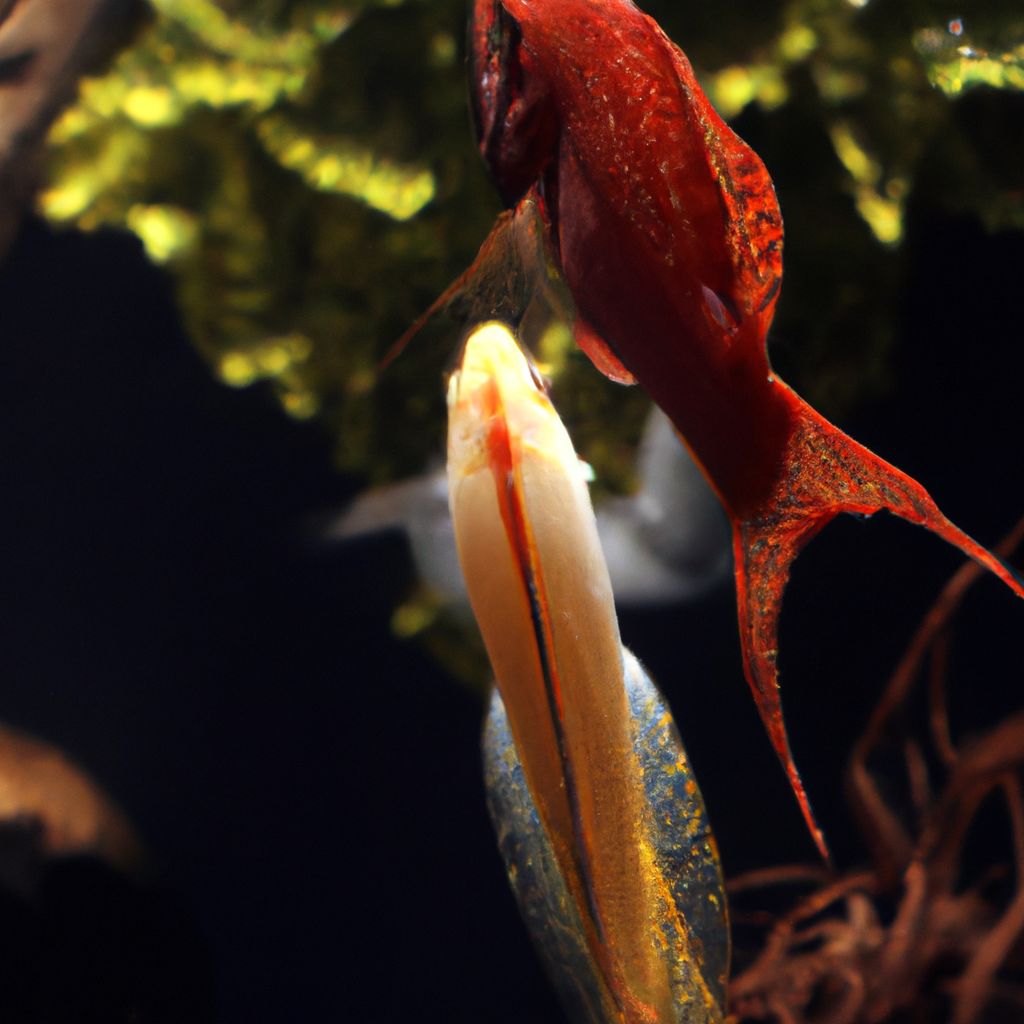
Cichlids and shrimp are two popular species often found in aquariums. Many aquarists wonder if cichlids can eat shrimp and what happens when they do. This article will delve into the relationship between cichlids and shrimp, exploring whether cichlids have a natural inclination to eat shrimp and the potential benefits and risks involved.
Cichlids are a diverse family of freshwater fish known for their vibrant colors and territorial behavior. Shrimp, on the other hand, are crustaceans that can serve as a valuable addition to an aquarium, aiding in algae control and providing a natural aesthetic.
The main focus of this article is to address the question: Can cichlids eat shrimp? Delving deeper into this query, we will explore the types of cichlids that are prone to eating shrimp and the factors that can influence cichlids’ ability to consume them.
Understanding what happens when cichlids eat shrimp is another area of interest. We will discuss the potential nutritional benefits for cichlids as well as the potential risks for shrimp within the same tank.
Considering the various aspects of feeding cichlids shrimp, we will examine the compatibility of cichlids with other tankmates, as well as the size and preparation of shrimp for cichlid consumption.
Finally, we will explore alternative diet options for cichlids, such as pellets, flakes, freeze-dried, and frozen foods that can provide necessary nutrition without the potential risks associated with feeding them shrimp.
By the end of this article, readers will have a comprehensive understanding of the relationship between cichlids and shrimp, allowing them to make informed decisions regarding the feeding and care of their aquarium pets.
Key takeaway:
- Cichlids can eat shrimp: Some types of cichlids have the ability to eat shrimp as part of their diet.
- Factors affecting cichlids’ ability to eat shrimp: The size and type of cichlid, as well as its natural habitat and feeding behavior, can determine whether it will eat shrimp.
- Nutritional benefits for cichlids: Eating shrimp can provide cichlids with essential nutrients and protein.
Can Cichlids Eat Shrimp?
Curious about whether cichlids can indulge in shrimp? Let’s take a deep dive into this intriguing topic. We’ll explore different types of cichlids that have a taste for shrimp and uncover the factors that influence their ability to consume this tasty treat. Get ready to unravel the mysteries of cichlids and their relationship with shrimp in the fishy world!
Types of Cichlids that Eat Shrimp
The various types of cichlids that have a preference for consuming shrimp include:
- Red Devil Cichlids
- Flowerhorn Cichlids
- Oscar Cichlids
- Green Terror Cichlids
- Black Convict Cichlids
These particular types of cichlids naturally exhibit a tendency to actively hunt and prey on shrimp as a part of their dietary habits in their native environments.
It is important to note that not all cichlids have the same inclination towards shrimp. For instance, African Cichlids are herbivores primarily focused on consuming plants and algae. Therefore, it is crucial to thoroughly research and comprehend the specific dietary requirements of each cichlid species before introducing shrimp into their diet.
When considering offering shrimp as food for cichlids, it is vital to exercise caution and ensure that the shrimp provided are of good quality, safe, and free from any potential contaminants. It is highly recommended to obtain shrimp from reliable suppliers who maintain high standards to safeguard the health of the cichlids.
In addition, closely monitoring the behavior and overall well-being of the cichlids when introducing shrimp into their diet is essential. Certain cichlids may display aggression or territorial behavior towards other tank mates, including shrimp. Providing an adequate tank size and suitable hiding spots can help minimize potential conflicts.
Factors Affecting Cichlids’ Ability to Eat Shrimp
| Factors Affecting Cichlids’ Ability to Eat Shrimp |
| – Size of Cichlid |
| – Size of Shrimp |
| – Aggression Level of Cichlid |
| – Feeding Habits of Cichlid |
| – Nutritional Needs of Cichlid |
When it comes to the factors affecting cichlids’ ability to eat shrimp, several elements play a significant role. The size of both the cichlid and the shrimp is crucial as larger cichlids may be more inclined to eat smaller shrimp. The aggression level of the cichlid also impacts its feeding behavior, as more aggressive species are more likely to pursue and consume shrimp. Additionally, the feeding habits of the cichlid, such as whether it is primarily a carnivore, omnivore, or herbivore, can influence its likelihood of eating shrimp. Lastly, considering the nutritional needs of the cichlid is essential, as some species might require specific nutrients that are not adequately provided by shrimp alone.
To ensure a harmonious and balanced diet for cichlids, it is important to carefully assess these factors affecting cichlids’ ability to eat shrimp. Providing appropriate-sized shrimp, accounting for the temperament of the cichlid, and supplementing their diet with other suitable foods can help meet their nutritional requirements. By considering these factors, cichlid keepers can create a favorable environment that supports the health and well-being of their aquatic pets.
What Happens When Cichlids Eat Shrimp?
Curious about the consequences when cichlids devour shrimp? Hold on tight as we dive into the world of these aquatic creatures! We’ll uncover the nutritional benefits awaiting cichlids as they indulge in shrimp feasts, while also exploring the potential risks that the crustaceans face. Stay tuned to unearth fascinating facts and insights about the dynamic relationship between cichlids and shrimp in this underwater showdown!
Nutritional Benefits for Cichlids
| Nutritional Benefits for Cichlids |
| 1. Protein: Cichlids require a diet rich in protein to support their growth and development. Shrimp is an excellent source of high-quality protein, essential for muscle formation and repair. |
| 2. Healthy Fats: Shrimp contains omega-3 fatty acids, which have anti-inflammatory properties and contribute to the overall well-being of cichlids. These fats also support brain function and improve immunity. |
| 3. Vitamins and Minerals: Shrimp is a nutrient-dense food that provides essential vitamins, including vitamin E and B vitamins, which are important for energy metabolism and overall health. It is also a good source of minerals such as calcium, magnesium, and iron, which promote strong bones and optimal physiological function. |
| 4. Color Enhancement: Certain species of shrimp contain pigments, such as astaxanthin, which can enhance the vibrant colors of cichlids, making them more visually appealing. |
Incorporating shrimp into a cichlid’s diet can provide them with important nutritional benefits. The protein content supports muscle growth and repair, while the healthy fats contribute to overall well-being and brain function. Additionally, the vitamins and minerals in shrimp promote optimal physiological function and strengthen their bones. Shrimp can also enhance the vibrant colors of cichlids, making them more visually striking in the aquarium.
Pro-tip: When feeding shrimp to cichlids, ensure that the shrimp is properly prepared and sized to match the cichlids’ mouth size. This will prevent any choking hazards or difficulties in digestion. Additionally, it’s important to consider the compatibility of cichlids with other tankmates, as some may view shrimp as prey.
Potential Risks for Shrimp
Potential risks for shrimp when being eaten by cichlids include:
- Danger of predation: Cichlids are aggressive fish that may view shrimp as prey. Shrimp may be hunted and eaten by cichlids, which can result in potential injury or death.
- Lack of hiding places: Shrimp typically require suitable hiding places in their environment to feel safe. In a cichlid tank, the presence of cichlids may limit the availability of hiding spots for shrimp, making them vulnerable to harassment or attack.
- Competition for food: Cichlids are voracious eaters and may outcompete shrimp for food resources in the tank. This can lead to inadequate nutrition for the shrimp and potential starvation.
- Water conditions: Cichlids have specific water requirements, such as temperature and pH ranges, that may differ from the optimal conditions for shrimp. Unsuitable water parameters can negatively impact the health and survival of the shrimp.
- Aggressive behavior: Cichlids may exhibit territorial and aggressive behavior towards other tankmates, including shrimp. This aggression can cause stress and harm to the shrimp, resulting in a decline in their well-being.
Considerations for Feeding Cichlids Shrimp
When it comes to feeding cichlids shrimp, there are important considerations to keep in mind. In this section, we’ll explore two key factors: compatibility with other tankmates and the necessary size and preparation of shrimp for cichlids. Whether you’re a seasoned cichlid owner or just starting out, understanding these aspects will ensure the health and well-being of your fish. So, let’s dive in and uncover everything you need to know about feeding shrimp to cichlids!
Compatibility with Other Tankmates
When feeding cichlids shrimp, it is important to take into account their compatibility with other tankmates.
- Due to their territorial and aggressive nature, it is crucial to choose tankmates that can tolerate their behavior and are not easily intimidated. Compatible tankmates for cichlids include peaceful and robust species such as catfish, tetras, and certain types of loaches.
- Avoid keeping cichlids with smaller, more passive fish that may become targets for aggression or predation.
- Take into consideration the size of the tank and the number of cichlids present. Overcrowding can lead to increased aggression and stress, making it even more important to choose tankmates that are compatible.
- Some cichlid species have specific requirements for water temperature, pH levels, and water quality. It is essential to ensure that the tankmates you choose have similar requirements in order to maintain a healthy environment for all the fish.
- Regular observation and monitoring of the tank is necessary to identify any signs of aggression or stress among the tankmates. If conflicts arise, it may be necessary to separate incompatible fish to prevent injuries or fatalities.
By taking into account the compatibility of other tankmates, you can create a harmonious and stable environment for your cichlids, ensuring the well-being of all the fish in your tank.
Size and Preparation of Shrimp for Cichlids
When feeding shrimp to cichlids, it is important to carefully consider the size and preparation of the shrimp to ensure the best experience for both the fish and the shrimp.
- Size: It is crucial to select shrimp that are suitable for the size of your cichlids. If you have larger cichlids, they can handle bigger shrimp, whereas smaller cichlids should be given smaller or more finely chopped shrimp.
- Preparation: Before offering shrimp to your cichlids, it is advisable to clean and thaw the shrimp, particularly if you are using frozen ones. Remove any shells or tails to make it easier for the cichlids to consume.
- Feeding Frequency: As part of a well-balanced diet, include shrimp in your cichlids’ meals. However, it should not be their sole food source. It is crucial to vary their diet to ensure they receive all the necessary nutrients.
- Quantity: Like any other food, it is important to avoid overfeeding your cichlids. Provide an amount of shrimp that can be consumed within a few minutes and promptly remove any uneaten portions to maintain water quality.
By carefully considering the size and preparation of shrimp for your cichlids, you can ensure that they receive a suitable and enjoyable meal while promoting their overall health and well-being.
Alternatives to Shrimp for Cichlid Diets
When it comes to nourishing your cichlids, shrimp can be a popular choice. However, there are alternative options that can provide a balanced and nutritious diet for these fish. In this section, we’ll explore two such alternatives: pellets and flakes, as well as freeze-dried and frozen foods. Discover the benefits and considerations associated with these options and find the best fit for your cichlids’ dietary needs.
Pellets and Flakes
Pellets and flakes are common alternatives to shrimp for cichlid diets. These options, such as pellets, are compacted food that typically floats on the water’s surface. They come in various sizes to suit the cichlids’ mouth size. Pellets are formulated to meet the nutritional needs of cichlids and often contain a mix of proteins, vitamins, and minerals. On the other hand, flakes are thin and lightweight, making them easy for cichlids to consume. Flakes are made from a blend of ingredients, including fish meal, algae, and other sources of nutrients important for cichlid health.
- Pellets are designed to provide a well-rounded diet for cichlids, ensuring that they receive all the essential nutrients they require for good health and growth.
- Flakes, on the other hand, are another popular choice for feeding cichlids. Similar to pellets, they are also formulated to meet the nutritional needs of cichlids.
Both pellets and flakes are often fortified with vitamins and minerals to support the cichlids’ immune system and enhance their overall well-being. Some brands may even offer specialized formulas for specific cichlid species or dietary needs.
When using pellets or flakes, it is important to feed them in appropriate amounts based on the size and activity level of the cichlids. Overfeeding can lead to health issues and water quality problems. Therefore, it is recommended to follow the feeding guidelines provided by the manufacturer and adjust the portion sizes accordingly.
Freeze-Dried and Frozen Foods
|
Category |
Pros |
Cons |
|
Freeze-Dried Foods |
Convenient and easy to store |
Limited variety |
|
Frozen Foods |
Retains nutritional value |
Requires freezer space |
Freeze-dried and frozen foods are popular options for feeding cichlids. Freeze-dried foods, including bloodworms, brine shrimp, or daphnia, provide convenience and are easy to store. However, one limitation of freeze-dried foods is their limited variety compared to other options.
On the other hand, frozen foods, such as brine shrimp, mysis shrimp, and krill, retain their nutritional value and closely resemble a cichlid’s natural diet in terms of freshness. They offer a wider variety of options. However, it is important to note that using frozen foods requires freezer space to ensure proper storage.
To provide a balanced nutritional intake, it is recommended to include a combination of freeze-dried and frozen foods in a cichlid’s diet. Regularly alternating between the two options can help maintain the health and vitality of the cichlids. Prior to feeding the fish, ensure proper thawing of frozen foods.
Some Facts About Will Cichlids Eat Shrimp:
- ✅ Cichlids are freshwater fish known for their vibrant colors, active personalities, and voracious appetites. (Source: aquariumia.com)
- ✅ In the wild, cichlids consume a variety of organisms, including small crustaceans like shrimp. (Source: aquariumia.com)
- ✅ It is recommended to offer cichlids a varied diet that includes frozen and live foods such as brine shrimp and bloodworms. (Source: aquariumia.com)
- ✅ Cichlids will generally eat ghost shrimp but should also be provided with a balanced diet of other foods. (Source: aquariumia.com)
- ✅ Feeding cichlids live shrimp can be part of their diet but overfeeding can cause health problems. (Source: aquariumia.com)
Frequently Asked Questions
Will cichlids eat shrimp?
African cichlids’ diet determines whether they will eat shrimp or not. Most cichlids are herbivores and won’t eat shrimp, but those from Lake Malawi, which are omnivores or carnivores, may prefer it. However, it is important to research the specific species of cichlid you own, as some may not accept shrimp as part of their diet.
What should be included in a cichlid’s diet?
Cichlids should have a varied diet that includes frozen and live foods such as brine shrimp, bloodworms, and other small invertebrates. They can also be offered commercially-prepared flake or pellet foods, which can be supplemented with live seafood for added nutrition and enrichment.
Can cichlids eat meat-based foods?
No, feeding meat-based foods to herbivorous cichlids can lead to health problems such as bloating. It is important to provide a balanced diet with a proper combination of proteins and vegetable matter for their optimal health.
Are shrimp safe to keep with cichlids in an aquarium?
While some cichlids can coexist with shrimp in the same tank, it is important to introduce them slowly and provide hiding places for both species. Additionally, it is crucial to choose compatible sizes and maintain proper water parameters to ensure the well-being of both the cichlids and shrimp.
Do cichlids enhance their colors by eating shrimp?
Yes, shrimp can enhance the colors of cichlids due to their content of color-enhancing nutrients. However, shrimp should only be given as a treat in moderation, as feeding them too much can lead to health issues.
What are some suitable tank mates for cichlids?
When choosing tank mates for cichlids, it is important to consider species that can handle the same level of aggression and have similar water parameters and temperature requirements. It is generally best to avoid combining different types of cichlids in one tank to prevent increased aggression levels.