Originally posted on July 19, 2023 @ 3:19 am
Last Updated on 1 day by admin
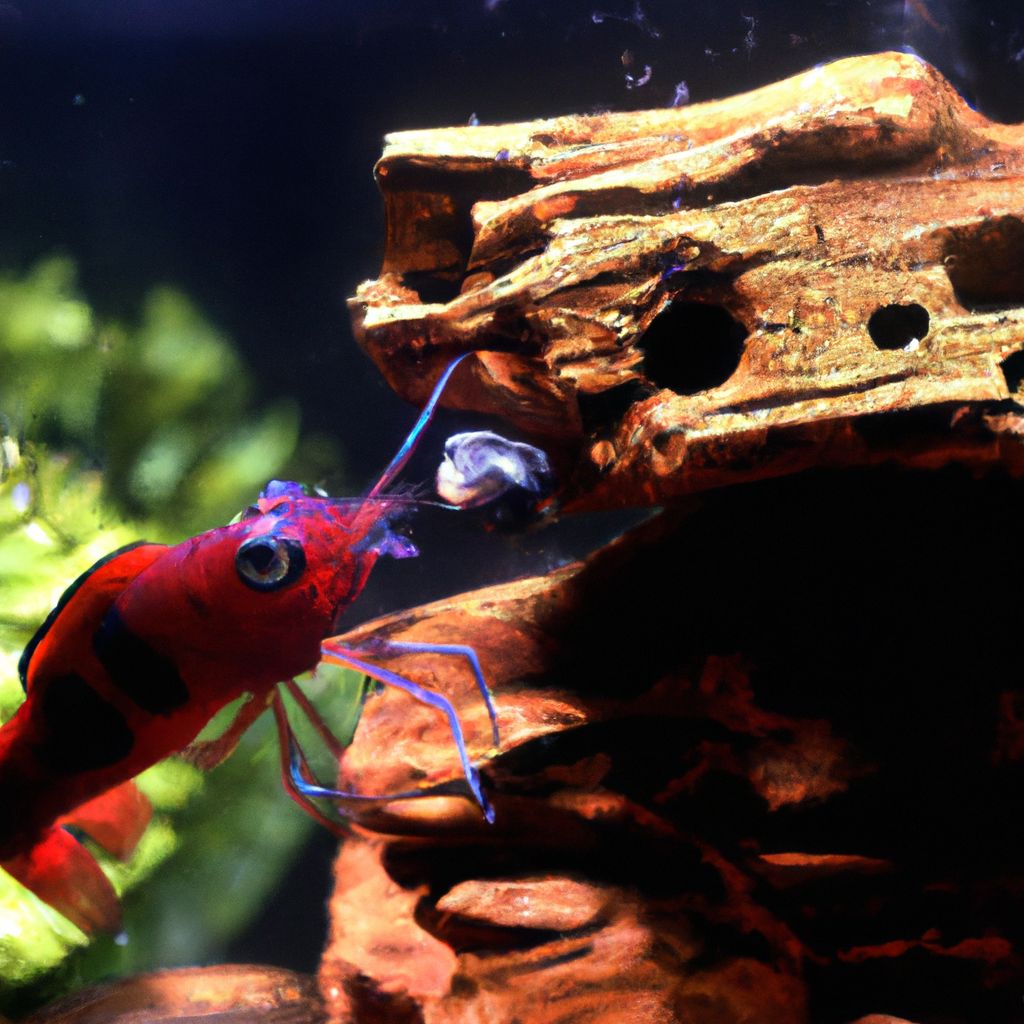
Cichlids and shrimp are both popular aquatic creatures that are often kept in home aquariums.
However, there is some concern about whether cichlids can eat shrimp or if they can coexist peacefully.
This article will explore the relationship between cichlids and shrimp, considering factors such as their natural diet, compatibility, size, and aggressiveness.
We will discuss the potential outcomes of keeping cichlids and shrimp together, including peaceful coexistence, shrimp being attacked or eaten, and the option of separating them.
Finally, we will also explore alternative food options for cichlids, such as pellets, flakes, live, or frozen foods.
Whether you are a cichlid or shrimp enthusiast, understanding the dynamics between these two species will help you create a harmonious and thriving aquarium environment.
1. Cichlids and shrimp: This article explores the relationship between cichlids and shrimp, focusing on whether cichlids can eat shrimp.
2. Factors to consider: The size of cichlids, the size of shrimp, and the aggressiveness of cichlids are important factors in determining whether they can coexist.
3. Potential outcomes: Cichlids may peacefully coexist with shrimp, shrimp may be attacked or eaten by cichlids, or separating them might be necessary.
4. Alternative food options: Pellets or flakes, as well as live or frozen foods, are possible food alternatives for cichlids.
Can Cichlids Eat Shrimp?
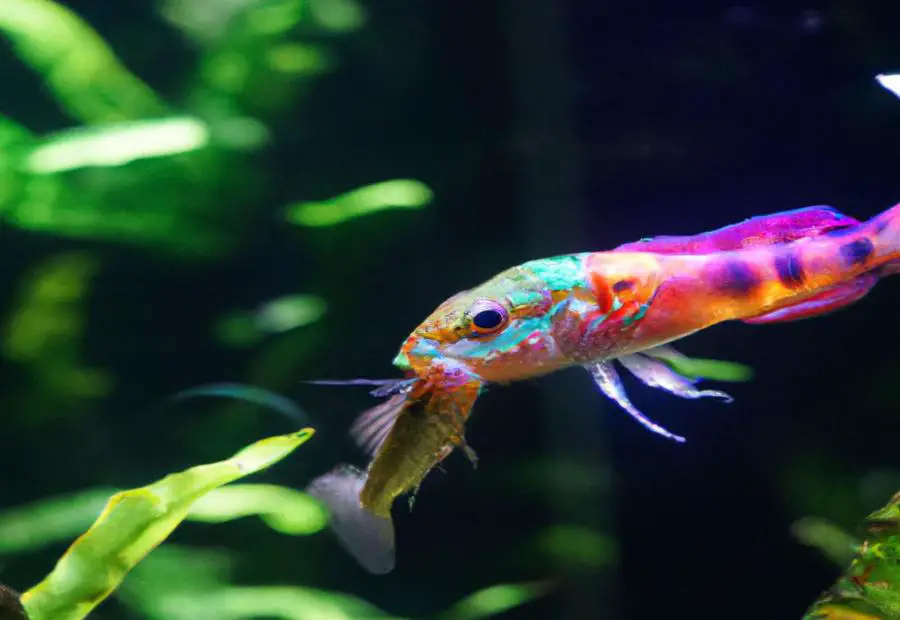
Photo Credits: Bettafishworld.Com by Jose Lopez
Are cichlids fond of feasting on shrimp? Let’s dive into the intriguing world of cichlids and explore whether they have a taste for these tiny crustaceans. We’ll start by uncovering the natural diet of these vibrant fish, and then delve into the compatibility of cichlids and shrimp. Get ready to discover fascinating insights about these aquatic creatures and their culinary preferences.
Natural Diet of Cichlids
The natural diet of cichlids consists of a variety of food sources such as plants, insects, crustaceans, and small fish. They are omnivorous, meaning they eat both plants and animals. However, the specific diet of cichlids can vary depending on their species and habitat.
To understand the natural diet of cichlids, we can refer to the table below:
| Food Source | Description |
| Plants | Cichlids consume algae, aquatic plants, and sometimes even terrestrial plants that are near the water. |
| Insects | They feed on small insects and their larvae found in the water or near the shoreline. |
| Crustaceans | Cichlids are known to eat small crustaceans like shrimp, crabs, and crayfish. |
| Small Fish | Some cichlid species prey on smaller fish, including their own young or other small fish in their ecosystem. |
It is important to note that the natural diet of cichlids can be supplemented with commercial food options such as pellets or flakes. These provide essential nutrients and vitamins necessary for their growth and vitality. However, incorporating a variety of natural food sources into their diet is important to ensure their overall health and well-being.
When considering the diet of cichlids in an aquarium setting, it is crucial to provide them with a balanced diet that mimics their natural food sources as closely as possible. This includes offering a mix of plant-based foods, protein-rich sources like insects or crustaceans, and occasional treats in the form of small live or frozen foods.
By understanding the natural diet of cichlids and providing them with appropriate nutrition, aquarists can help ensure the health and longevity of their cichlid pets.
Compatibility of Cichlids and Shrimp
The compatibility of cichlids and shrimp can be influenced by various factors. To better understand their compatibility, let’s take a look at a table highlighting key considerations:
| Factors | Compatibility Assessment |
|---|---|
| Size of Cichlids | Cichlids vary in size, with larger species being more likely to view shrimp as prey. Smaller cichlids may coexist peacefully with shrimp. |
| Size of Shrimp | Smaller shrimp may be vulnerable to larger cichlids, while larger shrimp have a greater chance of defending themselves against cichlids. |
| Aggressiveness of Cichlids | Some cichlid species are more aggressive than others. Aggressive cichlids are more likely to attack or eat shrimp. |
Taking these factors into account, the compatibility between cichlids and shrimp can vary significantly depending on the specific species involved and their individual temperaments. While smaller cichlids and larger, more resilient shrimp may have a higher chance of coexisting peacefully, it is important to monitor their interactions closely to ensure the safety of the shrimp.
Fact: It is fascinating to observe how different species of fish and invertebrates interact in aquariums, creating unique ecosystems within the confines of a tank. Understanding compatibility can help us create harmonious aquatic communities.
Factors to Consider
When it comes to cichlids and shrimp, there are several key factors to consider. We’ll take a closer look at the size of the cichlids and how it relates to their interaction with shrimp. Additionally, we’ll explore the size of the shrimp itself and whether it matches up with the cichlids’ dietary needs. Lastly, we’ll examine the aggressiveness of cichlids and how it can impact their behavior towards shrimp. Stay tuned to uncover the intriguing dynamics between these aquatic creatures!
Size of Cichlids
The compatibility of shrimp with cichlids depends on the size of the cichlids. To help you understand the size of different cichlid species, refer to the table below:
| Cichlid Species | Size Range |
| African Peacock Cichlid | 4-6 inches |
| Electric Blue Cichlid | 5-8 inches |
| Red Devil Cichlid | 8-12 inches |
| Jack Dempsey Cichlid | 10-15 inches |
Considering the size of cichlids is important because larger cichlids have a higher chance of preying on shrimp. They have a predatory nature that makes smaller shrimp species particularly vulnerable to them. Therefore, if you have smaller shrimp, it is advisable to avoid keeping them with larger cichlid species.
Keep in mind that the size of cichlids can vary based on factors like age and individual growth rates. Additionally, certain cichlid species may exhibit different levels of aggression even within the same size range. Thus, it is crucial to closely monitor the behavior of cichlids towards shrimp to ensure the safety of the shrimp population.
Considering the size of cichlids is a crucial aspect when determining their compatibility with shrimp. By taking into account the size range of different cichlid species and understanding their predatory tendencies, you can make informed decisions about creating a suitable aquatic environment for both cichlids and shrimp.
Size of Shrimp
| Size of Shrimp | |
| Size Range | 1-2 inches |
| Minimum Size | 1 inch |
| Maximum Size | 2 inches |
| Average Size | 1.5 inches |
Shrimp come in various sizes, but when considering their compatibility with cichlids, it is important to take into account the specific size of shrimp. The size of shrimp can range from 1 to 2 inches. The minimum size of shrimp is generally around 1 inch, while the maximum size of shrimp can reach up to 2 inches. On average, shrimp have a size of shrimp around 1.5 inches.
When deciding whether to introduce shrimp into a cichlid tank, their size of shrimp plays a crucial role. Smaller shrimp, closer to the minimum size of shrimp, may be more vulnerable to aggression from larger and more aggressive cichlid species. Larger shrimp, closer to the maximum size of shrimp, may have a better chance of survival and are less likely to be seen as prey by cichlids.
It is important to note that the size of shrimp mentioned here is a general range and can vary depending on the species of shrimp. When considering whether cichlids can eat shrimp, the size of shrimp of both the cichlid and the shrimp should be taken into account to ensure compatibility and minimize the risk of aggression or predation.
Aggressiveness of Cichlids
Incorporating the aggressiveness of cichlids into the provided text, we have:
- Cichlids can vary in their aggressiveness towards other tankmates.
- Some cichlids are highly aggressive and territorial, while others are more peaceful.
- The aggressiveness of cichlids can depend on factors such as their species, size, and individual temperament.
- Large cichlids tend to be more aggressive compared to smaller ones.
- Male cichlids are usually more territorial and aggressive, especially during breeding.
- Aggression in cichlids can manifest in different ways, including chasing, fin nipping, and physical attacks.
- It is important to consider the aggressiveness of cichlids when deciding to keep them with other tankmates.
- Peaceful or less aggressive cichlid species are more suitable to be kept with shrimp.
- Highly aggressive cichlids may view shrimp as prey and can attack or eat them.
- Even with less aggressive cichlids, it is recommended to monitor their behavior closely when introducing shrimp to the tank.
Potential Outcomes
When it comes to the interaction between cichlids and shrimp, various potential outcomes can arise. From peaceful coexistence to shrimp becoming prey for cichlids, and even the need for separating the two, the dynamics between these aquatic creatures offer intriguing possibilities. Exploring these outcomes can shed light on the delicate balance of nature’s interactions in our aquariums.
Cichlids Coexisting Peacefully with Shrimp
Cichlids have the potential to coexist peacefully with shrimp, but there are several factors to consider. Size plays an important role in their compatibility. It is recommended to choose smaller species of cichlids, such as dwarf cichlids, which are less likely to view shrimp as prey. Similarly, it is important to select smaller shrimp species, as larger shrimp may be seen as a meal by the cichlids.
The aggressiveness of the cichlids also plays a significant role. Some cichlids are more peaceful and tolerant of tankmates, while others are territorial and may harass or even attack the shrimp. It is crucial to research the specific cichlid species and their behavior before introducing them to a tank with shrimp.
To ensure the best chances of cichlids and shrimp coexisting peacefully, it is recommended to observe their interactions closely after introducing them. If any signs of aggression or stress are observed, it may be necessary to separate the cichlids and shrimp to ensure the well-being of both species.
Pro-tip: When introducing cichlids and shrimp, provide plenty of hiding places and territories to reduce stress and promote peaceful coexistence. Additionally, monitoring water parameters, maintaining a balanced diet, and providing proper care for both cichlids and shrimp can contribute to a harmonious and thriving aquarium environment.
Shrimp Getting Attacked or Eaten by Cichlids
When it comes to cichlids and shrimp, there is a possibility of shrimp getting attacked or eaten by cichlids. Here are some factors to consider regarding this issue:
-
Aggressiveness of cichlids: Depending on the species and individual temperament, some cichlids can be highly aggressive towards other tank mates, including shrimp.
-
Size of cichlids: Larger cichlids have a higher chance of attacking and eating shrimp due to their predatory nature.
-
Size of shrimp: Smaller shrimp are more vulnerable to being attacked and eaten by cichlids.
-
Aquarium setup: An aquarium with plenty of hiding places and separations can reduce the risk of shrimp getting attacked by cichlids.
-
Feeding behavior: Cichlids are opportunistic eaters and may see shrimp as potential prey, especially if they are hungry.
It’s important to understand these factors and carefully observe the behavior of both the cichlids and shrimp in a tank. If the shrimp are constantly being harassed or attacked, it may be necessary to separate them from the cichlids to ensure their safety.
Separating Cichlids and Shrimp
When it comes to separating cichlids and shrimp, there are a few steps you can take to ensure their safety and well-being:
- Provide separate tanks: It is recommended to keep cichlids and shrimp in separate tanks to avoid any potential conflict or harm.
- Ensure appropriate tank size: Make sure both the cichlids and shrimp have enough space to thrive. This will prevent any potential territorial issues or overcrowding.
- Consider the aggressiveness of cichlids: Some cichlid species are more aggressive than others. If you have aggressive cichlids, it’s best to keep them separated from shrimp to avoid any harm.
- Choose appropriate tankmates for shrimp: If you do want to keep shrimp with cichlids, consider selecting non-aggressive fish species as tankmates to reduce the risk of aggression towards the shrimp.
- Provide hiding places: If you decide to keep cichlids and shrimp together temporarily, make sure to provide plenty of hiding places for the shrimp to seek refuge if needed.
Ultimately, separating cichlids and shrimp is the safest option to ensure that both species can thrive without any harm or stress. It is important to prioritize the well-being of the animals in your care, and providing them with their own suitable environments is the best way to do so.
Alternative Food Options for Cichlids
Looking to diversify your cichlids’ diet? In this section, we’ll explore some alternative food options that can keep your finned friends happy and healthy. From the convenience of pellets or flakes to the natural goodness of live or frozen foods, we’ll uncover the pros and cons of each sub-section. Get ready to discover the enticing variety that awaits your cichlids’ taste buds!
Pellets or Flakes
When feeding cichlids, you have the option of choosing between pellets or flakes as their food source. Both options have their benefits and it’s important to consider which one is best for your cichlids.
| Pellets | Flakes |
| Pellets are small, compacted pieces of food that sink to the bottom of the tank. | Flakes are thin, small pieces of food that float on the water’s surface. |
| Pellets are rich in nutrients and are formulated to provide a balanced diet for cichlids. | Flakes are also packed with nutrients, but they can be more prone to losing their nutritional value over time. |
| Pellets are less likely to cause water pollution as they sink quickly and are consumed by cichlids before they can foul the water. | Flakes have a tendency to float on the water’s surface for longer periods of time, increasing the risk of water pollution if not eaten immediately. |
| Pellets are suitable for larger cichlids with bigger mouths, as they can easily consume them. | Flakes are better suited for smaller cichlids, as they can be eaten more easily due to their size. |
| Pellets are available in a variety of sizes, allowing you to choose the right size for your cichlids. | Flakes are usually one-size-fits-all, making them convenient for feeding multiple cichlids at once. |
Ultimately, the decision between pellets and flakes depends on the specific needs and preferences of your cichlids. Some cichlids may prefer the sinking nature of pellets, while others may enjoy chasing and eating flakes on the water’s surface. Observing your cichlids’ feeding behavior can help guide your decision in choosing the best food option for them.
Live or Frozen Foods
When it comes to feeding cichlids, you have the option of choosing between live or frozen foods. Both options have their own advantages and considerations to keep in mind.
| Live Foods | Frozen Foods |
| 1. Live foods, such as brine shrimp or feeder fish, provide cichlids with a more natural hunting experience. They mimic the prey cichlids would find in their natural habitat. | 1. Frozen foods offer convenience and are readily available. They are also safer to use as they are less likely to carry diseases or parasites compared to live foods. |
| 2. However, live foods can be more expensive and require more effort to maintain. They need proper care and feeding to keep them alive and healthy. | 2. Frozen foods are more affordable and have a longer shelf life. They can be easily stored in the freezer until needed. |
| 3. Live foods provide additional enrichment for cichlids, stimulating their natural foraging instincts and promoting their overall well-being. | 3. Frozen foods often contain a variety of nutrients and can be enriched with vitamins and minerals to enhance the nutritional value for cichlids. |
Both live and frozen foods can be suitable options for feeding cichlids, and the choice ultimately depends on your preferences, budget, and the specific needs of your fish. It’s important to offer a varied diet to ensure your cichlids receive a balanced and nutritious meal.
Fact: Cichlids are known for their diverse and adaptable feeding habits, which contribute to their success in various aquatic environments.
Some Facts About Can Cichlids Eat Shrimp:
- ✅ Cichlids are freshwater fish known for their bright colors, active personalities, and voracious appetites. (Source: vivopets.com)
- ✅ In the wild, cichlids consume a variety of organisms, including small crustaceans like shrimp. (Source: vivopets.com)
- ✅ It is recommended to offer cichlids a varied diet that includes frozen and live foods such as brine shrimp, bloodworms, and mysis shrimp. (Source: aquariumia.com)
- ✅ Some cichlids enjoy commercially-prepared flake or pellet foods, which can be supplemented with live seafood for added nutrition and enrichment. (Source: aquariumia.com)
- ✅ When selecting tank mates for cichlids, it is important to choose fish that can handle the same level of aggression and have similar water parameters and temperature requirements. (Source: aquariumia.com)
Frequently Asked Questions
Can cichlids eat shrimp as part of their diet?
Yes, cichlids can eat shrimp as they are either omnivores or carnivores. However, shrimp should only be offered as a treat and not as their main diet. Feeding too much shrimp or relying solely on a meat-based diet can lead to health problems such as bloating.
What should be the ideal diet for cichlids?
The ideal diet for cichlids should be diverse and include various types of food. This can include frozen and live foods like brine shrimp, bloodworms, and mysis shrimp. It is also beneficial to supplement their diet with commercially prepared flake or pellet foods for added nutrition and enrichment.
Can cichlids coexist with shrimp in the same aquarium?
Some cichlids can coexist peacefully with shrimp in the same aquarium. However, it is important to introduce the shrimp slowly and provide hiding places for them. It is also crucial to consider compatible sizes and ensure proper water parameters for both cichlids and shrimp.
Do cichlids benefit from eating shrimp?
Yes, cichlids can benefit from eating shrimp as they provide essential vitamins, minerals, and protein for their health. Shrimp can also enhance the colors of the cichlids due to their color-enhancing nutrients. However, shrimp should only be offered in moderation and as part of a balanced diet.
Can cichlids eat Amano shrimp?
Cichlids can eat Amano shrimp, but it is important to note that larger cichlid species may ignore them or view them as a threat. It is crucial to monitor their consumption and behavior if keeping Amano shrimp with cichlids in the same tank.
What are the potential health issues associated with feeding cichlids shrimp?
Feeding cichlids shrimp in small amounts as a treat is generally safe. However, overfeeding or relying solely on shrimp as their main diet can lead to serious health conditions like Malawi bloat. It is important to maintain a regular diet routine and provide a balanced and diverse diet to prevent such issues.