
Originally posted on July 19, 2023 @ 3:19 am
Last Updated on 2 days by admin

Cichlids are a diverse and fascinating group of fish known for their vibrant colors and complex behaviors. One aspect of their behavior that has garnered attention is their parental care. This article delves into the topic of whether cichlids eat their babies and explores the reasons behind this behavior.
First, let’s understand what parental care means. Parental care refers to the actions taken by parents to ensure the survival and well-being of their offspring. In the case of cichlids, this involves guarding eggs, providing protection, and sometimes even caring for the young.
Why do cichlids exhibit parental care? Cichlids are known for their strong parental instincts, which are driven by their evolutionary need to protect their genetic investment. By providing care to their offspring, cichlids increase the chances of their young surviving to adulthood and continuing their lineage.
Now, let’s address the question at hand – do cichlids eat their babies? While not all cichlid species exhibit this behavior, instances of cichlids eating their babies have been observed. Factors such as lack of food and resources, territorial behavior, and high stress levels can lead to this behavior.
Some reasons behind cichlids eating their babies include the scarcity of food and resources. In order to ensure their own survival, some cichlids may resort to consuming their offspring. territorial behavior can contribute to this behavior, as cichlids may perceive their young as potential competitors for limited resources. High stress levels can also lead to increased aggression and cannibalism among cichlids.
To prevent cichlids from eating their babies, there are certain measures that can be taken. Providing sufficient space and resources, such as appropriate hiding places and ample food, can help reduce aggression. Separating aggressive cichlids from their offspring is another way to protect the young. Ensuring proper nutrition for both the parents and the young can also play a role in minimizing cannibalistic behavior.
Key takeaway:
- Parental care in cichlids: Cichlids exhibit parental care, which involves protecting their eggs and offspring.
- Possible instances of cichlids eating their babies: Some factors, such as lack of food, territorial behavior, and high stress levels, may lead to cichlids consuming their own offspring.
- Prevention methods: Providing sufficient space and resources, separating aggressive cichlids from their offspring, and ensuring proper nutrition can help prevent cichlids from eating their babies.
Parental Care in Cichlids
Parental care is a crucial aspect of cichlid behavior. These fish are known for their attentive and protective nature when it comes to their offspring. Both male and female cichlids play roles in caring for their young. They diligently guard the eggs, and once hatched, they continue to protect and nurture the fry, ensuring their survival. The parents will fiercely defend their territory and keep predators away from their young. This parental care helps in the growth and development of the cichlid babies.
It is fascinating to observe the behaviors exhibited by cichlids during their parental care. They invest significant time and energy in raising their offspring, contributing to the survival and success of their species. This level of dedication ensures that the cichlid fry have a higher chance of reaching maturity and reproducing in the future.
Fact: In some cichlid species, the parents can even recognize their own offspring and distinguish them from other fry in the same area. This ability to recognize their own young adds an additional layer of complexity to their parental care strategies.
What is Parental Care?
What is Parental Care?
Parental care refers to the behaviors exhibited by parents towards their offspring in order to ensure their survival and well-being. It is a common phenomenon observed in many animal species, including cichlids.
In the case of cichlids, parental care involves activities such as guarding and protecting the eggs, cleaning the nesting area, and providing food and protection to the young after they hatch. Both the male and female cichlids can participate in parental care, although the level of involvement may vary between species.
The purpose of parental care in cichlids is to increase the chances of their offspring’s survival. By actively caring for their eggs and fry, cichlids ensure that their young receive essential nutrients and protection from predators. This parental investment increases the offspring’s chances of growing into healthy adults and ensures the continuation of the species.
Understanding the importance of parental care can help cichlid keepers create suitable environments for breeding and rearing their cichlids. Providing appropriate nesting areas, maintaining water quality, and offering a varied and nutritious diet can support successful parental care and increase the chances of offspring survival.
By recognizing and appreciating the significance of parental care in cichlids, aquarists can enhance their understanding of these fascinating fish and cultivate healthy populations in their aquariums.
Remember, proper care and attention to the needs of cichlids play a crucial role in promoting successful breeding and the overall well-being of these beautiful and complex creatures.
Why do Cichlids exhibit Parental Care?
Cichlids exhibit parental care for several reasons. Why do Cichlids exhibit Parental Care? Firstly, parental care helps to ensure the survival and well-being of their offspring. By guarding and protecting their eggs and young, cichlids are able to increase the chances of their offspring reaching maturity. This active involvement in parenting enhances the survival rate of the offspring.
Secondly, parental care in cichlids is often driven by the need to defend their territory. Cichlids are known to be highly territorial fish, and by caring for their young, they are able to protect their offspring and their territory from potential threats or intruders. This territorial behavior is crucial for the survival of both the parents and their offspring.
Lastly, parental care in cichlids is also influenced by their biological instincts. Through evolution, cichlids have developed a natural inclination to care for their young. This instinctive behavior ensures the continuation of their species and promotes the overall success of their offspring. Why do Cichlids exhibit Parental Care? It is a combination of ensuring offspring survival, protecting their territory, and following their biological instincts.
Do Cichlids Eat Their Babies?
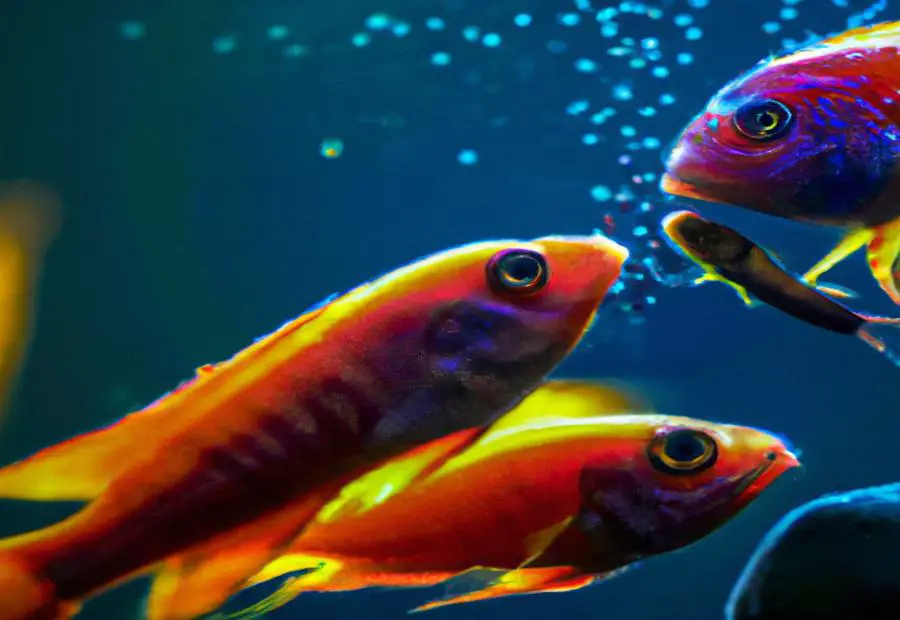
Photo Credits: Bettafishworld.Com by Joseph Wilson
Curious about whether cichlids have a peculiar habit of devouring their own offspring?
Let’s dive into the intriguing world of cichlids and uncover the truth.
We’ll explore the various factors that influence these fish’s parental behavior and instances where cichlids have been observed munching on their own babies.
Brace yourself for surprising revelations about this peculiar aspect of cichlid behavior!
Factors that Influence Cichlid Parental Behavior
| Factors that Influence Cichlid Parental Behavior |
|
Cichlids are known for exhibiting diverse parental care behaviors, influenced by various factors: |
|
1. Species-specific traits: Different cichlid species have distinct parental care strategies. Some species show biparental care, where both parents actively participate in guarding and nurturing the young, while others may exhibit uniparental care, with only one parent being responsible for parental duties. |
|
2. Environmental conditions: The availability of resources such as food, nesting sites, and adequate space can significantly impact cichlid parental behavior. A lack of these resources may lead to decreased parental investment or even abandonment of offspring. |
|
3. Social dynamics: Interactions with other individuals within the cichlid community can influence parental behavior. Dominant individuals may assert territoriality, which can affect how parents protect their young or interact with other members of the group. |
|
4. Genetics and hormones: Individual variations in genetics and hormonal levels can contribute to the variations observed in cichlid parental behavior. These factors can influence the intensity of parental care and the willingness to protect and nurture offspring. |
Once upon a time in a serene lake, a pair of Apistogramma cichlids showcased an extraordinary display of parental care. The male and female took turns meticulously guarding their clutch of eggs, fanning them to ensure proper oxygenation. They diligently fended off intruders, defending their precious offspring from potential harm.
The reason behind their exceptional parental behavior was multifaceted. Firstly, these particular cichlids possessed a genetic predisposition for extensive parental care, as their species is known for investing heavily in offspring survival. Additionally, the abundance of food in the lake provided a stable environment conducive to parental investment.
Furthermore, the social dynamics within the cichlid community played a role. The dominant individuals in the lake’s hierarchy ensured that conflicts were kept at bay, allowing the parents to focus solely on caring for their young without external disturbances.
Ultimately, these factors, including species-specific traits, environmental conditions, social dynamics, and genetic predispositions, converged to shape the incredible parental behavior exhibited by these Apistogramma cichlids. Their commitment to ensuring the survival of their offspring serves as a testament to the profound influence of these factors on cichlid parental behavior.
Instances of Cichlids Eating Their Babies
Instances of Cichlids Eating Their Babies are not uncommon in the animal kingdom. Male Cichlids, known for their aggressive behavior, may eat their own offspring in certain situations. One instance of Cichlids Eating Their Babies occurs when they perceive a lack of food and resources in their environment. In overcrowded conditions, Cichlids may resort to cannibalism as a means of population control. Territorial behavior also plays a role in Instances of Cichlids Eating Their Babies. If a male Cichlid feels threatened by the presence of other fish in its territory, it may consume its offspring to eliminate competition. High-stress levels can also trigger Cichlids to eat their babies. Stressors such as changes in water quality or the presence of predators can lead to this behavior. It’s important to note that not all Cichlids exhibit cannibalistic behavior. Some species have evolved better parental care strategies and actively protect their young. Instances of Cichlids Eating Their Babies serve as a survival mechanism for the species, ensuring that only the strongest individuals survive and pass on their genes. In captivity, creating a suitable environment with sufficient space, resources, and hiding places can help prevent Instances of Cannibalism. Separating aggressive Cichlids from their offspring or providing separate breeding areas can also minimize the chances of cannibalistic behavior.
Reasons Behind Cichlids Eating Their Babies
Ever wondered why cichlids devour their own offspring? In this intriguing section, we’ll uncover the reasons behind this shocking behavior. From the struggle for limited resources and food scarcity to territorial instincts and high stress levels, we’ll dive into the factors that contribute to this surprising phenomenon. Get ready to unveil the insights behind why these fish sometimes turn their parental instincts upside down.
Lack of Food and Resources
In the world of cichlids, the scarcity of food and resources can sometimes drive them to consume their own young. When cichlids find themselves in an environment where there is a lack of food or limited resources, they may resort to cannibalism as a means of survival. This behavior is more commonly observed in species that are not well-nourished or face restrictions in accessing food.
During such circumstances, cichlids may perceive their own offspring as a potential source of sustenance, particularly when other sources of nourishment are scarce. This behavior ultimately ensures the survival of the fittest and most well-fed individuals, as they have a higher likelihood of maturing into adulthood and reproducing in the future.
To prevent cichlids from consuming their young due to insufficient food and resources, it is crucial to provide them with a balanced and nutritious diet. Ensuring that cichlids have ample access to food and resources can reduce the likelihood of cannibalism. Additionally, offering adequate hiding spots and separate breeding tanks can protect the vulnerable fry from being devoured by the adult cichlids.
It is fascinating to note that cichlids exhibit a wide range of parenting behaviors, which varies significantly between different species. While some cichlids display exceptional parental care, diligently protecting and nurturing their offspring, others may resort to cannibalism under certain circumstances. Exploring the factors that influence cichlid behavior can provide valuable insights into their captivating reproductive strategies.
Territorial Behavior
Territorial behavior is a natural characteristic observed in cichlids, influencing their interactions with other individuals and their offspring.
- To protect their resources and ensure the survival of their young, cichlids establish territories.
- During disputes over territories, cichlids may exhibit aggressive behaviors like chasing, biting, or displaying dominance.
- Males often establish and defend territories in order to attract females for breeding purposes.
- Competition for food, shelter, and mates can also influence territorial behavior in cichlids.
- Some cichlid species display a higher level of territorial aggression compared to others.
Pro-tip: If you have a tank containing territorial cichlids, it is advisable to provide ample hiding spaces and create separate territories to reduce aggression and prevent harm to their offspring. Additionally, maintaining a balanced and varied diet for cichlids can help alleviate aggressive behaviors resulting from food competition.
High Stress Levels
High stress levels can have a significant impact on the behavior of cichlids. When cichlids experience high levels of stress, their parental instincts may become compromised, leading to unforeseen consequences. In some instances, cichlids may exhibit abnormal behaviors, such as aggression or even eating their own babies.
The effects of high stress levels can be seen in various aspects of cichlid behavior. For example, when cichlids are in a stressful environment, they may become more territorial and aggressive towards their offspring. This aggression can result in the killing or consumption of their babies, as they perceive them as competition or a threat to their own survival.
Furthermore, high stress levels can also impact the overall well-being of cichlids. Stress can suppress the immune system, making the fish more susceptible to diseases and infections. This, in turn, can have a negative effect on the survival and health of their offspring.
To prevent cichlids from exhibiting negative behaviors due to high stress levels, it is important to create a suitable and stress-free environment for them. This includes providing sufficient hiding places, maintaining optimal water conditions, and minimizing disturbances. By reducing stress levels, cichlids are more likely to exhibit positive parental behaviors and refrain from consuming their babies. High stress levels should be avoided in order to promote the well-being of cichlids.
Preventing Cichlids from Eating Their Babies
Curious about how to stop cichlids from devouring their own offspring?
Get ready to explore effective methods to prevent this behavior in our finned friends. We’ll uncover the secrets of providing enough space and resources, separating aggressive cichlids from their babies, and ensuring they receive the proper nutrition. So, if you want to give those adorable little cichlid fry a fighting chance, keep reading!
Providing Sufficient Space and Resources
When it comes to providing sufficient space and resources for cichlids, there are a few key factors to consider:
- Adequate tank size: Cichlids can vary in size, so it’s crucial to choose a tank that allows them enough room to swim freely. As a general rule, one inch of fish requires at least one gallon of water.
- Adequate hiding spots: Cichlids appreciate having places to hide and explore. Adding rocks, caves, or plants to the tank can create hiding spots that help reduce stress and promote natural behavior.
- A balanced diet: Providing sufficient space and resources for cichlids also includes providing a varied diet that is essential for their overall health. Ensure their diet includes a mix of high-quality pellets, flakes, and live or frozen foods to meet their nutritional needs.
- Water quality: Cichlids thrive in clean water conditions. Regular water changes, proper filtration, and monitoring water parameters (such as temperature and pH) are necessary to maintain a healthy environment for your fish.
When I first set up my cichlid tank, I underestimated the importance of providing sufficient space and resources. My cichlids seemed stressed and territorial, which led to aggression and baby-eating behavior. After increasing the tank size, adding more hiding spots, and improving the overall tank environment, the cichlids became more peaceful. They had space to establish territories, reducing stress and eliminating the need for them to prey on their babies. It’s amazing how simple changes can make a big difference in the behavior and well-being of the fish.
Separating Aggressive Cichlids from Their Offspring
When it comes to separating aggressive cichlids from their offspring, there are certain steps you can take to ensure their safety and well-being:
- Observe behavior: Keep an eye on the interactions between the aggressive cichlids and their offspring. If you notice any signs of aggression, such as chasing or aggression towards the young, it may be necessary to separate them.
- Create separate tanks: Set up separate tanks or compartments within an aquarium to physically separate the aggressive cichlids from their offspring. This will provide a safe space for the young to grow without fear of being attacked.
- Provide hiding spots: In both the main tank and the separate tank, include plenty of hiding spots such as caves or plants. This will give the young cichlids a place to retreat to if they feel threatened.
- Monitor water parameters: Ensure that the water conditions in both tanks are optimal for the specific needs of the cichlids. This includes maintaining appropriate temperature, pH levels, and water quality.
- Feed appropriately: Make sure that both the aggressive cichlids and their offspring are receiving adequate and appropriate nutrition. This will help to minimize potential conflicts over food.
By following these steps, you can effectively separate aggressive cichlids from their offspring and create a safe environment for the young cichlids to thrive in.
Ensuring Proper Nutrition
Ensuring proper nutrition is of utmost importance in preventing cichlids from consuming their offspring. Providing a well-balanced diet plays a significant role in the health and survival of the young ones. It is crucial to feed the adult cichlids nutritious foods that contain a variety of essential nutrients, so they can pass these nutrients on to their offspring.
A diet that is enriched with protein is particularly vital for the growth and development of cichlid fry. Offer them high-quality foods such as brine shrimp, daphnia, or crushed flakes specifically formulated for fry. These foods are easily digestible and provide the necessary nutrients for their healthy growth.
Aside from protein, cichlids also require a combination of vitamins and minerals to thrive. Including vegetables and plant matter, such as spirulina flakes or blanched spinach, in their diet can help fulfill these nutritional requirements. These foods are excellent sources of essential vitamins and minerals needed for their overall well-being and vitality.
When it comes to feeding cichlids, variety is key. Introduce a diverse range of food options to ensure they receive all the necessary nutrients. Rotate their diet between different types of frozen, live, and pellet food to avoid any nutritional deficiencies.
By ensuring proper nutrition for adult cichlids, you are promoting the well-being and survival of their offspring. A balanced diet will enhance the overall health of the parents, enabling them to provide the best care for their young ones.
Some Facts About Will Cichlids Eat Their Babies:
- ✅ Female cichlids sometimes eat their own offspring when under stress and hungry. (Source: Livescience)
- ✅ African freshwater cichlids engage in “filial cannibalism” by eating some of their offspring in order to maintain their own health and ensure their future breeding success. (Source: CBC)
- ✅ Cannibalism in cichlids is actually a beneficial strategy for reproduction as it allows parents to conserve energy for future offspring. (Source: Livescience)
- ✅ Filial cannibalism is observed in various animal species, including fish, birds, insects, spiders, and mammals. (Source: Livescience)
- ✅ The behavior of cichlid moms eating their young is a dark twist on the image of mothers caring for their babies. (Source: Livescience)
Frequently Asked Questions
Will cichlids eat their babies?
Yes, cichlids have been known to eat their own offspring. This behavior, known as filial cannibalism, has been observed in certain species of cichlids, including African freshwater cichlids.
Why do cichlids eat their babies?
Cichlids engage in filial cannibalism to gain nutrients and antioxidants from their offspring. This behavior helps boost the mother’s health and increases her chances of successfully breeding in the future.
Is filial cannibalism common among cichlids?
Yes, filial cannibalism is relatively common among cichlids, especially during the mouthbrooding period when the mother carries her offspring in her mouth. Studies have shown that a significant number of cichlid mothers engage in this behavior.
Can cichlid babies be saved from being eaten?
Yes, there are ways to prevent cichlid babies from being eaten by their parents or other tankmates. One approach is to separate the fry from the adult cichlids and place them in a separate nursery tank. This ensures the fry’s safety and increases their chances of survival.
What should I feed cichlid fry after they hatch?
After cichlid fry have consumed their yolk sacs, it is important to provide them with appropriate food. Initially, newly hatched brine shrimp or specialized liquid/powdered fry food can be provided. As they grow, mashed up pellet or flake food can be introduced.
How long do cichlid parents care for their fry?
Typically, cichlid parents care for their fry until they reach around 1/2 inch in length. At this point, they are less vulnerable to being eaten by larger fish. It is recommended to separate the fry from their parents and other tankmates to ensure their safety and optimal growth.