
Originally posted on July 19, 2023 @ 3:23 am
Last Updated on 3 months by admin
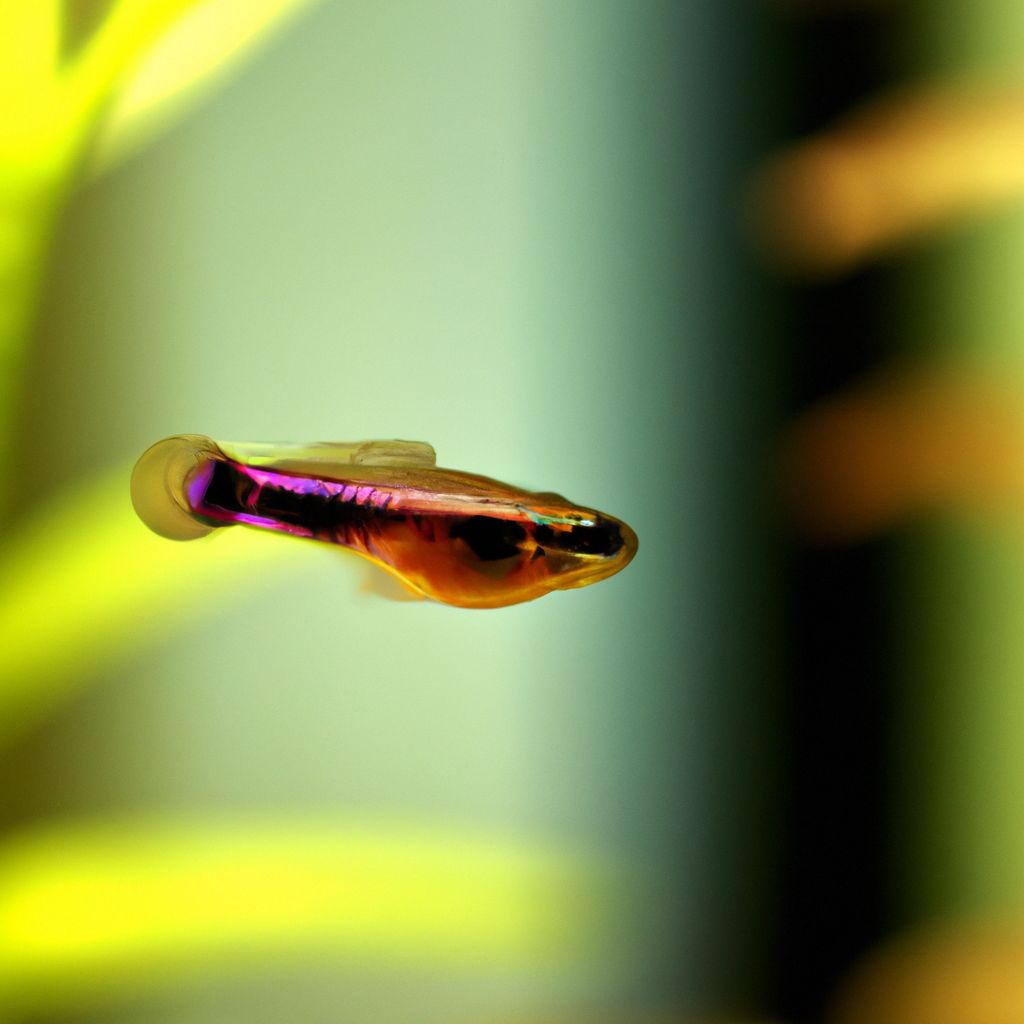
Separating cichlid fry from their parents is a crucial step in their development and overall well-being. There are specific signs and considerations to keep in mind when deciding the right time for separation. This article will guide you through the process of determining when to separate cichlid fry from their parents and the methods to do so effectively.
Cichlid fry refer to the young offspring of cichlid fish, a diverse and popular group of freshwater fish known for their vibrant colors and interesting behaviors. Cichlid fry undergo significant growth and development stages, and ensuring their proper care is essential for their survival and healthy growth.
There are certain benefits to keeping cichlid fry with their parents, such as the natural protection provided by the parents, learning crucial social behaviors, and gaining essential nutrients through parental care. However, there comes a time when separation becomes necessary for the well-being of the fry.
1. Aggressive Behavior of Parents: If the parents display excessive aggression towards their fry, leading to injuries or fatalities, it is best to separate them.
2. Stunted Growth of Fry: If the fry are not growing at the expected rate or are not receiving enough nutrition due to competition, it may be time to separate them.
3. Fry Becoming Targets for Predators: As the fry grow, they may become targets for larger fish or other predators in the tank, necessitating separation.
4. Overcrowding in the Tank: If the tank becomes overcrowded and the fry do not have enough space to grow and thrive, it is advisable to separate them.
There are several effective methods for separating cichlid fry from their parents, including:
1. Moving Fry to a Separate Tank: Transferring the fry to a dedicated tank ensures their safety and provides them with the necessary environment to grow.
2. Using a Breeding Box or Net: A breeding box or net can be introduced into the main tank, allowing the fry to be separated while still in proximity to their parents.
3. Dividing the Tank with a Partition: Placing a physical partition within the tank creates separate areas for the fry and the parents, ensuring they remain separated while still in the same tank environment.
When separating cichlid fry, certain considerations are essential to ensure their well-being and proper development.
1. Providing Proper Care for Separated Fry: The separated fry require appropriate care, including maintaining suitable water temperature, providing adequate filtration, and regular feeding.
2. Monitoring Water Quality and Parameters: Regularly testing and maintaining water quality parameters, such as ammonia, nitrite, and nitrate levels, is crucial for the health of the separated fry.
3. Maintaining a Balanced Diet for the Fry: Providing a varied and balanced diet that meets the nutritional needs of the separated fry is important for their growth and development.
To ensure successful separation and optimal fry development:
– Gradually acclimate the fry to their new environment to minimize stress.
– Provide hiding spots or structures for the fry to take shelter and feel secure.
– Regularly monitor the fry’s growth and adjust their diet as needed.
– Conduct regular water changes and maintain clean tank conditions.
By recognizing the signs, using appropriate separation methods, and considering important factors, you can successfully separate cichlid fry from their parents, promoting their growth and ensuring their well-being.
Key takeaway:
- Cichlid fry benefit from being kept with their parents: Keeping cichlid fry with their parents allows for natural parental care, which can promote healthier development and survival.
- Signs indicating when to separate cichlid fry from parents include: aggressive behavior of parents, stunted growth of fry, fry becoming targets for predators, and overcrowding in the tank.
- Important considerations when separating cichlid fry include: providing proper care for separated fry, monitoring water quality and parameters, and maintaining a balanced diet for the fry.
What are Cichlid Fry?
Cichlid fry are the young offspring of adult cichlid fish. These small fish hatch from eggs and are typically around 1/4 to 1/2 inch in length. Cichlid fry are vulnerable and require special care to ensure their survival. They are often initially kept with their parents, as there are benefits to this arrangement. However, there are certain signs that indicate when it is time to separate the fry from their parents.
Some of the signs that suggest separation is necessary include aggressive behavior from the parents, stunted growth of the fry, the fry becoming targets for predators, and overcrowding in the tank. Once these signs are observed, there are several methods for separating cichlid fry from their parents. These methods include moving the fry to a separate tank, using a breeding box or net, or dividing the tank with a partition.
When separating cichlid fry from their parents, it is important to provide proper care for the separated fry. This includes monitoring water quality and parameters to ensure a healthy environment, as well as maintaining a balanced diet for the fry. Following these considerations will help ensure successful separation and the development of the cichlid fry.
Benefits of Keeping Cichlid Fry with Parents
The benefits of keeping cichlid fry with their parents are abundant and can significantly contribute to the overall success of the fry in their early stages of life.
- Protection: The parents offer a natural form of protection to the fry, safeguarding them against potential predators and ensuring their safety.
- Feeding: The parents actively participate in the feeding process of the fry, supplying them with the necessary nutrients for growth and development.
- Socialization: By keeping the fry with their parents, they have the opportunity to learn social behaviors and hierarchies within the cichlid community.
- Observation: Allowing the fry to remain with their parents allows fishkeepers to closely observe their behavior and monitor their growth and progress.
Pro-tip: It is crucial to ensure that the parents have sufficient space and suitable conditions to effectively care for their fry. Providing ample hiding spots and an appropriate tank size is essential for the fry and their parents to thrive.
Signs that Indicate When to Separate Cichlid Fry from Parents
When it comes to separating cichlid fry from their parents, there are clear signs that indicate the right time to intervene. Keep an eye out for aggressive behavior from the parents, stunted growth of the fry, and the risk of becoming easy targets for predators. Additionally, overcrowding in the tank can be a signal that it’s time to take action. Stay tuned as we explore various methods, including moving the fry to a separate tank, using a breeding box or net, and dividing the tank with a partition. Let’s dive in and ensure the safety and well-being of these little aquatic creatures.
1. Aggressive Behavior of Parents
Aggressive behavior of parents is an important factor to consider when it comes to separating cichlid fry. The aggression of the parents can pose a threat to the safety and well-being of the fry. It is natural for cichlid parents to be protective of their offspring, but sometimes their aggression can become excessive.
When you notice that the parents are displaying aggressive behavior towards the fry, such as nipping, chasing, or attacking them, it is a clear indication that it is time to separate them. This aggression can cause physical harm to the fry and hinder their growth and development.
Separating the fry from the aggressive parents is crucial to ensure their safety and allow them to grow without interference. It will also prevent any potential injuries or fatalities among the fry.
To separate the fry from the aggressive parents, you can move them to a separate tank or use a breeding box or net within the existing tank. Another option is to divide the tank with a partition, creating a separate area for the fry.
By separating the fry from the aggressive parents, you create a more peaceful environment for the fry to thrive. This will allow them to grow and develop into healthy adult cichlids.
Remember, it is important to monitor the behavior of the parents and the fry closely to determine the appropriate time for separation. Always prioritize the well-being and safety of the fry when making this decision.
Suggestions: When separating cichlid fry from aggressive parents, ensure that the fry have a suitable environment with proper food, water quality, and monitoring. Gradually introduce the fry to their new surroundings to minimize stress. Regularly check water parameters and maintain a balanced diet for the fry to promote their healthy growth. Provide hiding spots or structures in the tank to reduce stress and create a safe space for the fry. Keep an eye out for any signs of aggression or stress in the fry, and if needed, take appropriate actions to address the situation.
2. Stunted Growth of Fry
| Factors Contributing to Stunted Growth of Fry |
| 1. Lack of Adequate Nutrition |
| 2. Poor Water Quality |
| 3. Overcrowding in the Tank |
| 4. Presence of Aggressive Tankmates |
Stunted growth is a common concern when raising cichlid fry. It is important to address this issue promptly in order to ensure their healthy development. The following factors contribute to stunted growth:
- Lack of Adequate Nutrition: Proper nutrition is essential for the proper growth and development of fry. A diet lacking essential nutrients and proteins can lead to stunted growth. It is important to provide a balanced and varied diet to promote healthy growth.
- Poor Water Quality: Water quality plays a crucial role in the growth of fry. High levels of ammonia and nitrite can hamper their growth. Regular water testing and maintenance, including adequate filtration and water changes, are necessary to maintain optimal water quality.
- Overcrowding in the Tank: Overcrowding can restrict the movement and access to food for fry, resulting in stunted growth. Providing enough space for fry to swim freely and ensuring a suitable tank size for the number of fry is important to avoid overcrowding.
- Presence of Aggressive Tankmates: Aggressive tankmates can stress and intimidate the fry, leading to reduced feeding and stunted growth. It is vital to separate the fry from aggressive tankmates to create a peaceful environment for their growth.
To address the issue of stunted growth, it is crucial to provide a nutritious diet, maintain optimal water quality, avoid overcrowding, and separate fry from aggressive tankmates when necessary. By addressing these factors, cichlid fry can thrive and reach their full growth potential.
3. Fry Becoming Targets for Predators
When cichlid fry are left with their parents, they can become targets for predators. It is important to recognize this risk and take necessary measures to protect the fry.
- Separate the fry: If you notice that the fry are being chased or nipped at by other fish in the tank, it is time to separate them from their parents.
- Provide a safe environment: Move the fry to a separate tank or a protected area within the tank where they are safe from predators.
- Monitor behavior: Keep an eye on the interactions between the fry and other fish. If the fry continue to be targeted even after separation, additional measures may be necessary.
- Keep the fry well-fed: Providing ample food for the fry can help divert the attention of potential predators and keep them well-nourished.
- Ensure proper water conditions: Maintain clean and stable water parameters to promote the health and growth of the fry.
When cichlid fry become targets for predators, it is essential to be proactive in protecting them. Separating the fry from their parents if they are being chased or nipped at by other fish in the tank is crucial. Moving them to a separate tank or a protected area within the tank can provide a safe environment where they are safe from predators. Monitoring the behavior of the fry and other fish is important, and if the fry continue to be targeted even after separation, additional measures may be necessary. Keeping the fry well-fed is another effective tactic as it diverts the attention of potential predators and ensures their proper nutrition. Additionally, maintaining clean and stable water conditions is vital for the health and growth of the fry.
4. Overcrowding in the Tank
When it comes to keeping cichlid fry with their parents, overcrowding in the tank can become a significant concern. Here are some factors to consider:
- The size of the tank: Cichlid fry grow quickly, and as they do, they require more space to swim and explore. Ensure that the tank has enough room to accommodate the growing number of fry and prevent overcrowding.
- Social dynamics: Cichlids are known for their aggressive behavior, especially when there is limited space. Overcrowding in the tank can intensify territorial disputes and result in increased stress levels among the fry and their parents.
- Sufficient resources: Overcrowding in the tank can lead to limited access to food, hiding places, and other essential resources. It is crucial to provide an adequate supply of food and ample hiding spots to avoid competition and promote healthy growth.
Pro-tip: Regularly monitor the behavior and growth of the cichlid fry. If you notice signs of aggression, stunted growth, or increased stress, it may be time to consider separating the fry from their parents to prevent overcrowding in the tank and ensure their well-being.
1. Moving Fry to a Separate Tank
When it comes to moving fry to a separate tank, there are a few important steps to follow:
- Prepare the separate tank: Set up a new tank with appropriate filtration, heating, and adequate space for the growing fry. Make sure the water parameters in the new tank are similar to the parents’ tank.
- Transfer the fry: Use a net or a small container to gently scoop up the fry from the parents’ tank and carefully move them to the new tank. Avoid sudden movements or rough handling to minimize stress.
- Monitor water quality: Keep a close eye on the water quality in the new tank, as fry are more sensitive to changes. Test the water regularly for parameters such as ammonia, nitrite, and nitrate levels. Perform regular water changes to maintain optimal conditions.
- Feed the fry: Provide an appropriate diet for the fry, considering their small size and nutritional needs. Offer them small, frequent feedings of specialized fry food or finely crushed flakes.
- Observe the fry: Monitor the behavior and growth of the fry in the separate tank. Look for signs of healthy development, such as active swimming, good appetite, and steady growth. Note any unusual behavior or signs of illness.
When I moved my cichlid fry to a separate tank, following the steps diligently for Moving Fry to a Separate Tank, I ensured their smooth transition. The fry adapted well to their new environment and started to thrive. With proper care, they grew rapidly and displayed vibrant colors. It was fascinating to witness their journey from tiny, delicate creatures to robust and energetic cichlids. Moving them to a separate tank allowed me to provide focused care and ensure their well-being.
2. Using a Breeding Box or Net
When it comes to separating cichlid fry from their parents, using a breeding box or net can be an effective method. Here’s how:
- Place the breeding box or net in the tank with the cichlid fry and their parents.
- Carefully transfer the fry into the breeding box or net. This can be done by gently scooping them up with a small net or using a turkey baster to suck them up and transfer them.
- Ensure the breeding box or net is securely attached to the tank to prevent it from accidentally falling or being knocked over.
- Monitor the fry closely to ensure they are adapting well to their new environment and are not showing signs of stress or discomfort.
- Provide the separated fry with their own food source, such as crushed flakes or small pellets, to ensure they receive proper nutrition.
Pro-tip: It’s important to regularly check the water parameters in the breeding box or net to maintain good water quality for the fry’s development.
3. Dividing the Tank with a Partition
When separating cichlid fry from their parents, one effective method is to divide the tank with a partition:
- Create a physical barrier within the tank by installing a sturdy and secure tank divider or using a mesh screen.
- Ensure that the chosen partition material allows water flow and maintains proper filtration and oxygenation in both sections of the tank.
- Place the fry on one side of the partition and the parents on the other side.
- Regularly monitor the fry to ensure they have enough space and access to food without being threatened by the parents.
Dividing the tank with a partition provides a safe and controlled environment for cichlid fry to grow, protecting them from potential harm by the parents.
Important Considerations when Separating Cichlid Fry
When it comes to separating cichlid fry from their parents, there are several important considerations to keep in mind. In this section, we’ll explore key factors that you should take into account to ensure the well-being and survival of the fry. From providing proper care to monitoring water quality and maintaining a balanced diet, we’ll dive into the essential aspects of raising healthy and thriving cichlid fry. So, let’s delve into these crucial considerations and set the foundation for successful fry separation.
1. Providing Proper Care for Separated Fry
When it comes to providing proper care for separated fry, there are several steps that you should follow:
- Prepare a suitable tank: It is important to set up a separate tank for the separated fry. This tank should have the appropriate filtration and heating systems in place to ensure the maintenance of water quality and temperature.
- Provide hiding places: In order to create a sense of security for the fry, it is recommended to add plants or other hiding spots in the tank. This will help reduce stress and promote their overall well-being.
- Feed a nutritious diet: It is crucial to offer a variety of foods that are suitable for the fry’s size and age. This can include finely crushed flakes, pellets, or even brine shrimp. It is recommended to feed them small portions multiple times a day to ensure they are receiving enough nutrients.
- Monitor water parameters: Regularly testing the water for temperature, ammonia, nitrite, and nitrate levels is essential. Maintaining appropriate levels is important in order to prevent stress and keep the fry healthy.
- Maintain cleanliness: Performing regular water changes is necessary to remove waste and maintain optimal water quality. Using a gravel vacuum can help clean the substrate without disturbing the fry.
- Observe behavior and growth: It is important to closely monitor the fry for any signs of illness or abnormalities. Additionally, it is essential to watch their growth rate and ensure they are developing at a healthy pace.
- Avoid overcrowding: It is crucial not to introduce too many fry into the same tank. Overcrowding can lead to stress, competition for food, and poor growth.
By following these steps, you can provide the necessary care for separated cichlid fry and support their healthy development.
2. Monitoring Water Quality and Parameters
Proper monitoring of water quality and parameters is crucial in ensuring the success of raising cichlid fry.
In my own experience, I learned the importance of regularly testing and adjusting these factors to create the ideal environment for the fry. By diligently monitoring the temperature, pH level, ammonia and nitrate levels, water hardness, and filtration, I was able to provide the optimal conditions for their development. This resulted in healthy and vibrant cichlid fry that grew into robust adult fish. It is truly remarkable how minor adjustments to the water parameters can have a significant impact on the overall well-being of the fry. So, if you plan on raising cichlid fry, be sure to prioritize the monitoring of water quality and parameters for their successful growth.
3. Maintaining a Balanced Diet for the Fry
When it comes to maintaining a balanced diet for cichlid fry, there are a few key considerations to keep in mind:
- Maintaining a balanced diet for the fry: Cichlid fry require a diverse diet to ensure they receive all the necessary nutrients for growth and development. Offer a combination of live or frozen foods, such as brine shrimp or daphnia, as well as high-quality fry pellets or flakes.
- Feed small, frequent meals: Due to their small size and high metabolic rate, cichlid fry benefit from being fed small amounts of food multiple times a day. This helps ensure they receive enough nourishment and prevents overeating, which can lead to digestive issues.
- Include essential nutrients: Cichlids, including fry, require a balanced intake of protein, fats, vitamins, and minerals. Look for foods specifically formulated for fry that contain the necessary nutrients to support their growth and overall health.
- Monitor water conditions: Water quality directly affects the health of cichlid fry. Ensure that the tank water is clean and free from pollutants by regularly testing and maintaining appropriate water parameters. Clean water promotes healthy digestion and nutrient absorption.
- Observe feeding behavior: Pay attention to how the fry are responding to the food you provide. If they are not actively consuming the food or appear disinterested, try offering a different type of food to entice them to eat.
It is important to remember that maintaining a balanced diet for the fry may vary depending on the species, so it’s always a good idea to research the specific dietary requirements for the particular type of cichlid you are raising.
Did you know? Proper nutrition is crucial for cichlid fry as it supports healthy growth, immune system function, and overall well-being.
Tips for Successful Separation and Fry Development
Here are some tips for successful separation and fry development:
- Timing: For successful separation and fry development, it is important to separate the fry from the parents when they are around 2-3 weeks old to ensure their survival and growth.
- Prepare the tank: To promote successful separation and fry development, it is crucial to set up a separate tank with suitable conditions for the fry. This includes proper filtration, maintaining the appropriate temperature, and ensuring good water quality.
- Provide adequate space: Creating enough space in the tank is important for successful separation and fry development. The tank should be spacious enough to accommodate the growing fry and provide ample swimming and hiding areas for them.
- Feed nutritious food: Offering a varied diet of high-quality fry food is essential for successful separation and fry development. This includes options such as live or frozen baby brine shrimp, microworms, or powdered fry food, which promote healthy development.
- Remove aggressive parents: If the cichlid parents display aggression towards the fry, it is recommended to remove them from the tank. This ensures the safety and well-being of the fry during their development.
- Maintain water conditions: Monitoring and maintaining optimal water conditions in the fry tank is crucial for successful separation and fry development. This includes regularly checking and adjusting factors such as temperature, pH, and ammonia levels.
- Minimize stress: To promote successful separation and fry development, it is important to minimize stress on the fry. Avoiding sudden changes in water parameters and disturbances in the tank can have a positive impact on their growth and development.
- Monitor growth: Keeping a close eye on the fry’s growth and development is essential. If any issues, such as slow growth or health problems, arise, taking prompt and appropriate actions is necessary to address them.
- Gradual introduction to tank mates: Once the fry have reached a certain size and strength, they can be gradually introduced to suitable tank mates. This helps enhance their social development during the separation process.
Some Facts About When to Separate Cichlid Fry from Parents:
- ✅ Most cichlids have a tendency to eat their own babies, so it’s best to separate the fry as soon as they hatch. (Source: urbanfishkeeping.com)
- ✅ First-time parents are less likely to care for their young, so it’s important to separate them early. (Source: sealifeplanet.com)
- ✅ If cichlids do not care for their young or there is a risk of them being eaten, it is safe to separate the fry from the parents. (Source: sealifeplanet.com)
- ✅ The maturity level of the cichlid plays a role in their parenting behavior, with first-time parents often eating the eggs or fry but becoming more caring with subsequent broods. (Source: urbanfishkeeping.com)
- ✅ Factors such as lack of space, bullies, insufficient resources, and lack of hiding places can contribute to the stress levels of cichlids, leading them to eat their own babies. (Source: urbanfishkeeping.com)
Frequently Asked Questions
Question 1: When should I separate cichlid fry from their parents?
Answer: It is best to separate cichlid fry from their parents as soon as they hatch to prevent them from being eaten. Some cichlid species, especially first-time parents, may not care for their young, so early separation is important.
Question 2: What should I feed cichlid fry after separating them from their parents?
Answer: After separating cichlid fry from their parents, it is important to feed them a healthy and balanced diet. Protein-rich foods such as baby brine shrimp, crushed pellets/flake food, microworms, and daphnia are recommended for the growing fry.
Question 3: How should I set up a nursery tank for cichlid fry?
Answer: To provide a suitable environment for cichlid fry, set up a nursery tank with dark substrate and plenty of hiding places. Use rocks, PVC pipes, and clay pots to create nooks and crannies for the fry to hide in. Live plants like java moss or hygrophila can be added to increase the oxygen content in the tank.
Question 4: What size tank is suitable for raising cichlid fry?
Answer: A 5-gallon tank is sufficient for raising cichlid fry, although larger species like oscars may require a 10-gallon tank. It is recommended to keep the tank bare-bottomed for easier cleaning and to prevent leftover food from hiding in the substrate.
Question 5: How can I ensure the survival of cichlid fry when raising them separately?
Answer: When raising cichlid fry separately, frequent water changes and proper care are necessary. Monitor water conditions and temperature closely, and provide a sponge filter, heater, and air pump for filtration and to maintain oxygen levels. Feeding small quantities of protein-rich foods regularly will help the fry grow and mature successfully.
Question 6: Which cichlid species are more likely to care for their young?
Answer: Some cichlid species, like jewel cichlids, are known to be attentive and caring parents. However, the behavior of convict cichlids can vary, with some individuals being great parents while others may eat their fry. The maturity level of the cichlid also plays a role in their parenting behavior, with first-time parents often being less caring towards their young.