Last Updated on 3 years by admin

Cichlids, known for their vibrant colors and unique behaviors, are a popular choice for aquarium enthusiasts. However, ensuring the right water conditions for these freshwater fish is crucial for their health and well-being. One common question that arises is whether tap water can be used for cichlids. In this article, we will delve into the topic and provide the necessary information for cichlid owners.
To understand if tap water can be used for cichlids, it is important to first explore what cichlids are and their habitat requirements. Cichlids are a family of fish comprising several species, each with specific needs. We will discuss the different types of cichlids and their habitat and water requirements.
Next, we will address the question at hand: Can you use tap water for cichlids? This will involve understanding the quality of tap water and the potential risks it may pose to cichlids. Factors such as chlorine and chloramines, pH levels, hardness, and other contaminants in tap water need to be considered.
To ensure the safety of cichlids, we will provide tips on how to make tap water safe for them. This will involve methods such as dechlorination, adjusting pH and hardness levels, and the use of water filtration and conditioning systems.
We will explore alternatives to tap water for cichlids. This may include using distilled or reverse osmosis water, collecting rainwater, or preparing well water.
By the end of this article, cichlid owners will have a comprehensive understanding of whether tap water can be used for their beloved fish, and if not, the necessary steps to provide the appropriate water conditions for their cichlids’ health and happiness.
—-– Tap water can be used for cichlids, but it needs to be properly treated.
– It is important to understand tap water quality, including chlorine and chloramines levels, pH levels, and hardness.
– Steps such as dechlorination, adjusting pH and hardness, and using water conditioning and filtration systems can make tap water safe for cichlids.
What Are Cichlids?
Cichlids, fascinating freshwater fish, come in various types and require specific habitats and water conditions to thrive. In this section, we’ll dive into the captivating world of cichlids, exploring their diverse species and the unique environments they call home. Get ready to discover the mesmerizing colors, behaviors, and adaptations of these aquatic creatures, as well as the crucial role that habitat and water requirements play in their overall well-being. Prepare to be amazed by the wonders of the cichlid world!
Types of Cichlids
Types of Cichlids
| Type | Description |
| African Cichlids | A diverse group of cichlids native to Africa, known for their vibrant colors and territorial behavior. |
| American Cichlids | Cichlids found in the Americas, including Central and South America, known for their wide range of sizes and temperaments. |
| Dwarf Cichlids | Smaller species of cichlids that are suitable for aquariums, known for their intricate behavior and stunning colors. |
| Malawi Cichlids | Cichlids native to Lake Malawi in Africa, characterized by their vibrant colors and diverse species. |
| Tanganyika Cichlids | Cichlids native to Lake Tanganyika in Africa, known for their unique behaviors and interesting breeding strategies. |
When considering Types of Cichlids for your aquarium, it’s important to understand the different types available. African Cichlids are known for their vibrant colors and territorial behavior, while American Cichlids offer a wide range of sizes and temperaments. Dwarf Cichlids are smaller species that are suitable for aquariums and are loved for their intricate behavior and stunning colors. Malawi Cichlids, found in Lake Malawi, boast a wide array of species and vibrant colors. Tanganyika Cichlids, on the other hand, are native to Lake Tanganyika and exhibit unique behaviors and breeding strategies. By understanding the different types of cichlids, you can choose the ones that best fit your preferences and create a vibrant and diverse aquarium.
Habitat and Water Requirements
The habitat and water requirements are crucial factors to consider when keeping cichlids. Here is a table summarizing the important details:
| Aspect | Details |
| Habitat | Cichlids are native to freshwater environments, primarily found in lakes and rivers in Africa, Central and South America. They have diverse habitat preferences depending on the species. |
| Water Temperature | Cichlids require specific temperature ranges based on their natural habitat. African cichlids prefer warmer water between 76-82°F (24-28°C), while South American cichlids thrive in temperatures around 72-78°F (22-26°C). |
| Water pH | The pH level of the water is important for cichlids. African cichlids typically prefer alkaline water with a pH range of 7.8-8.6, while South American cichlids prefer slightly acidic to neutral water with a pH of 6.5-7.5. |
| Water Hardness | Cichlids have varying preferences for water hardness. African cichlids thrive in hard water with high mineral content (8-20° dH), while South American cichlids prefer softer water (4-10° dH). |
| Water Quality | Clean and well-maintained water is essential for the health of cichlids. Regular water changes, filtration, and monitoring of ammonia, nitrite, and nitrate levels are necessary to ensure optimal water quality. |
Considering these habitat and water requirements will help create a suitable environment for cichlids, promoting their well-being and allowing them to thrive in captivity.
Can You Use Tap Water for Cichlids?
Curious about using tap water for your cichlids? Let’s dive into it! We’ll start by exploring tap water quality and its significance for these fascinating aquatic creatures.
Next, we’ll uncover the role of chlorine and chloramines in tap water and how they can affect your vibrant cichlids.
Then, we’ll discuss pH levels and hardness, crucial factors that can impact the overall health and well-being of your aquatic buddies.
Lastly, we’ll touch on other potential contaminants you should be aware of. Get ready to ensure the best water conditions for your vibrant cichlids!
Understanding Tap Water Quality
Tap water quality is an essential aspect to take into consideration when keeping cichlids as pets. The well-being and health of these aquatic creatures heavily depend on understanding the quality of tap water. It is crucial to ensure that the tap water used in their tank meets specific criteria.
Primarily, tap water quality refers to the levels of chlorine, chloramines, pH, hardness, and other contaminants present. Chlorine and chloramines are commonly present in tap water and can have detrimental effects on cichlids. Therefore, it is important to dechlorinate the tap water before adding it to the tank in order to eliminate these harmful substances.
Furthermore, the pH levels and hardness of tap water should be appropriate for cichlids. Cichlids tend to thrive in slightly alkaline water with a pH range of 7.5 to 8.5. Additionally, the water’s hardness, which indicates the mineral content, should also fall within the suitable range for cichlids.
To ensure tap water quality, it is advisable to use water conditioners that can remove chlorine, neutralize chloramines, and stabilize pH levels. These water conditioners play a crucial role in making tap water safe for cichlids by eliminating harmful substances and maintaining optimal water parameters.
Understanding tap water quality holds paramount importance in ensuring the well-being of cichlids. By making sure that the tap water used in their tank is free from harmful substances and meets their specific requirements, cichlids can thrive in a healthy aquatic environment.
Chlorine and Chloramines
Chlorine and chloramines are common chemicals found in tap water and can pose a threat to cichlids. Chlorine is regularly used for water disinfection, while chloramines are a mix of chlorine and ammonia. It is crucial to eliminate these chemicals from tap water before using it for cichlids.
Chlorine can cause irritation to the gills and skin of cichlids, resulting in stress and potential health problems. Conversely, chloramines can disrupt the delicate bacterial balance in the aquarium and impact the overall water quality.
To eliminate chlorine and chloramines from tap water, it is recommended to utilize a water conditioner specifically designed for aquarium use. These conditioners contain chemicals that neutralize chlorine and chloramines, rendering the water safe for cichlids. It is important to follow the manufacturer’s instructions to determine the appropriate dosage for your tank size.
It is worth noting that tap water quality may vary depending on your location. Certain areas may have higher levels of chlorine or chloramines in their water supply. Regularly testing your tap water for these chemicals can help you identify the necessary steps to ensure its safety for your cichlids.
Remember, maintaining clean and healthy water is vital for the well-being of your cichlids. By removing chlorine and chloramines from tap water, you are providing a safe and suitable environment for your cichlids to thrive.
pH Levels and Hardness
When keeping cichlids as pets, it is essential to consider the pH levels and hardness of the water.
| pH Levels: | The pH of the water refers to its acidity or alkalinity and is measured on a scale of 0 to 14. |
| – | A pH level of 7 is considered neutral, while a pH below 7 is acidic and above 7 is alkaline. |
| – | Cichlids typically thrive in a pH range between 7.8 and 8.5. |
| – | It’s important to regularly monitor the pH levels of the water and make adjustments if needed. |
| Hardness: | Water hardness refers to the concentration of minerals, specifically calcium and magnesium, present in the water. |
| – | Hard water has a high mineral content, while soft water has a low mineral content. |
| – | Cichlids generally prefer slightly hard water with a moderate mineral content. |
| – | The optimal hardness for cichlids is typically between 8-12 degrees of general hardness (dGH). |
Ensuring the appropriate pH levels and hardness is crucial for the overall health and well-being of cichlids. It is recommended to use water conditioners and pH stabilizers to maintain the desired parameters for your cichlid tank. Regular testing of the water’s pH and hardness levels is necessary to identify any deviations and take corrective measures promptly.
Other Contaminants
Other contaminants, such as heavy metals, pesticides, herbicides, and industrial pollutants, can pose potential risks to cichlids when found in tap water. To ensure the water is safe for these fish, active filtration systems can effectively remove many of these contaminants. Regular water testing is also important in order to identify the presence and levels of these other contaminants and allow for appropriate treatment. It is worth noting that the specific contaminants found in tap water can vary depending on the location and quality of the water source. Therefore, conducting proper research or consulting with local authorities is essential in order to ensure the safety of tap water for cichlids. By addressing the presence of these other contaminants, cichlid owners can create a suitable and healthy environment for their fish.
How to Make Tap Water Safe for Cichlids
Discover the secrets to ensuring the well-being of your cichlids by making tap water safe for them. From dechlorination to adjusting pH and hardness, and from filtration to water conditioning, we’ll explore the essential steps to create a healthy aquatic environment for your beloved cichlids. Say goodbye to worries and dive into the world of expert care for these vibrant and captivating creatures.
Dechlorination
Dechlorination is a crucial step in ensuring the safety of tap water for cichlids. Chlorine and chloramines, which are commonly found in tap water, can be harmful to these fish. There are several effective methods for dechlorinating tap water:
- Water conditioner: Using a water conditioner is the most popular and effective way to dechlorinate tap water. These products neutralize chlorine and chloramines instantly, making the water safe for cichlids.
- Aging: Allowing tap water to sit for 24-48 hours allows the chlorine to naturally dissipate. However, this method may not completely remove chloramines, so it is still recommended to use a water conditioner.
- Activated carbon: Incorporating activated carbon into your aquarium filter can help eliminate chlorine and chloramines. It is essential to regularly replace the carbon to maintain its effectiveness.
Here’s a true story: I once had a cichlid tank with stunning and vibrant fish. However, I noticed that the fish were becoming sluggish and developed white spots on their bodies. After consulting with a fish expert, I discovered that it was due to the chlorine in the tap water. I immediately started using a water conditioner to dechlorinate the water, and within a few days, the fish started to regain their health and vibrant colors. Dechlorination played a crucial role in saving my cichlids and maintaining a healthy tank.
Adjusting pH and Hardness
When adjusting pH and hardness for cichlids, there are a few steps you can follow to ensure the water parameters are suitable for their needs.
- Test the pH and hardness levels of the tap water using a suitable test kit.
- If the pH needs to be adjusted, you can decrease it by adding a pH decreaser product according to the manufacturer’s instructions.
- If the pH is too low, you can increase it by adding a pH increaser product according to the manufacturer’s instructions.
- If the hardness is too high, you can lower it by diluting the tap water with distilled or RO water to achieve the desired hardness level.
- If the hardness is too low, you can increase it by adding a suitable mineral additive or crushed coral to the aquarium.
- After making adjustments, test the water again to ensure that the pH and hardness levels are within the recommended range for cichlids.
- Monitor the pH and hardness regularly and make any necessary adjustments to maintain stable water parameters.
By following these steps, you can ensure that the pH and hardness levels of the water are adjusted to create a suitable environment for cichlids.
Filtration and Water Conditioning
When it comes to keeping cichlids, proper filtration and water conditioning are essential for maintaining a healthy and thriving aquarium. Here are some important factors to consider:
- Invest in a high-quality filtration system that can effectively remove waste materials, excess food, and other impurities from the water. A combination of mechanical, chemical, and biological filtration is recommended to ensure optimal water quality.
- Use a reliable water conditioner to remove harmful chlorine and chloramines from tap water. These chemicals can be toxic to cichlids and may negatively affect their health. Look for a water conditioner specifically formulated for aquarium use.
- Regularly test the water parameters such as pH levels, ammonia, nitrite, and nitrate levels. This will help you identify any changes or imbalances in the water chemistry and take necessary actions to correct them.
- Perform regular water changes to dilute accumulated pollutants and maintain optimal water quality. Aim to change around 10-20% of the water every week, while keeping in mind the specific needs of your cichlid species.
Pro-tip: It’s important to choose the right filtration system based on the size of your cichlid tank and the number of fish you have. A well-maintained aquarium with proper filtration and water conditioning will create a healthy environment for your cichlids to thrive.
Alternatives to Tap Water for Cichlids
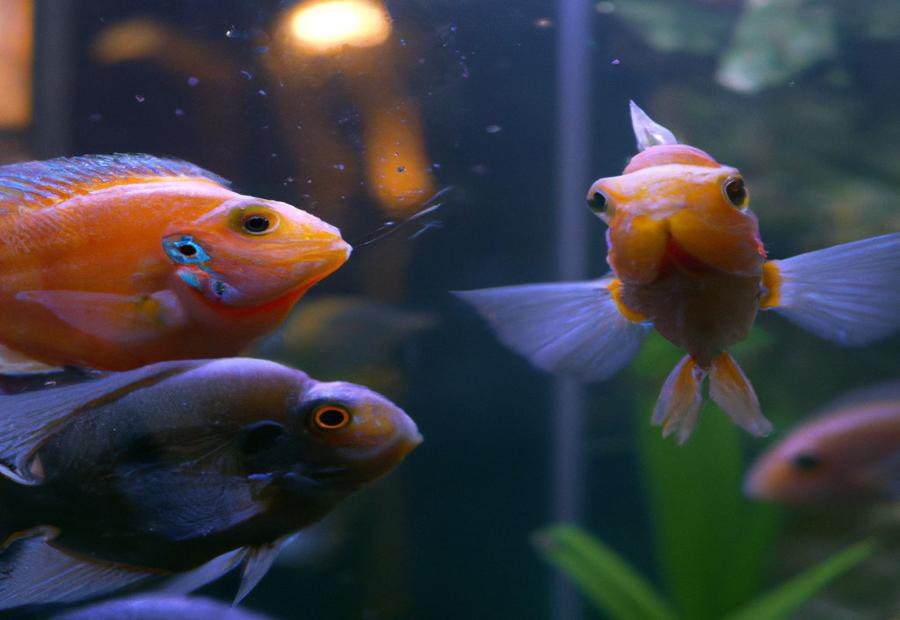
Photo Credits: Bettafishworld.Com by William Miller
Looking for alternatives to tap water for your cichlids? Look no further! In this section, we’ll explore three exciting options that can enhance the health and well-being of your aquatic friends. From the usage of distilled or reverse osmosis water to the benefits of rainwater collection and the preparations needed for well water, we’ll unveil the secrets to providing the best water conditions for your beloved cichlids. Say goodbye to mundane tap water and discover the perfect alternative that suits your unique needs.
Using Distilled or Reverse Osmosis Water
Using distilled or reverse osmosis water is an excellent option for ensuring appropriate water conditions for cichlids. Here is a table that highlights the key aspects:
| Aspect | Distilled Water | Reverse Osmosis Water |
| Water Quality | Free of impurities and minerals | Most impurities and minerals removed |
| pH Level | Neutral, around 7 | Depends on source water, typically neutral or slightly acidic |
| Hardness | Very low or negligible hardness | Depends on source water, typically low to moderate hardness |
| Contaminants | No contaminants present | Most contaminants removed |
| Minerals | No minerals present | Some beneficial minerals may be removed |
Using distilled or reverse osmosis water ensures that cichlids are provided with water free from impurities and minerals, which can benefit their health. The pH level and hardness of these water types can be adjusted to meet the specific needs of cichlids. However, it’s important to note that some beneficial minerals may be removed from reverse osmosis water. Regular water testing and supplementation may be necessary to maintain the ideal mineral balance for the well-being of cichlids.
Rainwater Collection
Rainwater collection is a sustainable and cost-effective way to provide clean water for your cichlids. To collect rainwater, follow these steps:
| Step 1 | Set up a rainwater collection system |
| Step 2 | Place a clean container or barrel outside to collect rainwater |
| Step 3 | Position the container to directly catch rainwater |
| Step 4 | Monitor the weather forecast to determine when to place the container outside |
| Step 5 | Collect the rainwater and cover the container to prevent contamination |
| Step 6 | Test the collected rainwater for pH and hardness levels |
| Step 7 | Adjust the pH and hardness of the rainwater to meet the requirements of your cichlids |
| Step 8 | If necessary, dechlorinate the rainwater |
Collecting rainwater for your cichlids ensures that they have access to clean water. Remember to regularly monitor and adjust the quality of the rainwater to meet the specific needs of your cichlids.
Preparing Well Water
When preparing well water for cichlids, it is important to follow several steps to ensure the water is safe and suitable for your fish:
- Testing the well water: Begin by testing the well water for key parameters such as pH levels, hardness, and potential contaminants.
- Adjusting pH and hardness: Depending on the specific needs of your cichlids, adjustments may be necessary for the pH levels and hardness of the well water. Utilize appropriate products or additives to bring the water within the optimal range.
- Removing sediments and particles: It is possible for well water to contain sediments or particles that can be harmful to fish. Use a filtration system or a separate sediment filter to effectively eliminate any debris before introducing the water to your aquarium.
- Dechlorination: Treat the well water with a dechlorinator or water conditioner to effectively remove any chlorine or chloramines that may be present in the water. These chemicals have the potential to be toxic to fish.
- Testing once again: After completing the necessary steps, retest the water to confirm that the pH levels, hardness, and other parameters align with the desired range for cichlids.
By following these steps, you can effectively prepare well water to create a safe and suitable environment for your cichlids.
Some Facts About Can You Use Tap Water for Cichlids:
- ✅ Tap water can be used for African cichlids, but it should be left to sit for 24 hours in an open container to let the chlorine evaporate.
- ✅ Alternatively, a product like Prime by Seachem can be used to detoxify tap water for use in African cichlid tanks.
- ✅ Reverse Osmosis (R/O) water is also suitable for African cichlids and is recommended if tap water is not available.
- ✅ Ammonia levels in the tank should be at 0ppm, as higher levels can be toxic to African cichlids.
- ✅ Regular water changes can help maintain nitrite levels at 0ppm, which is important for the health of African cichlids.
Frequently Asked Questions
Can you use tap water for cichlids?
Yes, tap water can be used for African cichlids. However, it is recommended to let the tap water sit for 24 hours in an open container to allow chlorine to evaporate. Alternatively, you can use a product like Prime by Seachem to detoxify tap water.
What are the water parameters required for African cichlids?
The ideal water temperature for African cichlids is between 26-30°C (79-86°F). The pH should be between 7.0-8.5, with the ideal range for most species being 7.8-8.2. Ammonia levels should be at 0ppm, nitrite levels at 0ppm, and nitrate levels should be less than 20ppm. The recommended kH level is between 7-10 dKH and the gH level should be in the range of 7-10 dH or 150-250 ppm.
Can I use a 50/50 mix of RO water and tap water for my cichlids?
Yes, using a 50/50 mix of reverse osmosis (RO) water and tap water can be a suitable option for cichlids. This allows you to provide a balance of hard water from the tap and the reduced mineral content of RO water.
What should I watch out for when gradually changing my cichlids over to tap water?
When gradually changing cichlids over to tap water, it is important to monitor their behavior, breeding habits, and overall health. Extra water testing should be done to ensure that the new water parameters are suitable for the fish. Additionally, observe for any signs of stress or discomfort during the transition.
Do African cichlids make good community fish?
African cichlids can make good community fish if they are of the same size as others in the tank. However, it is important to consider their aggressive or peaceful nature, as well as their specific feeding and habitat requirements.
Can tap water be used for breeding purposes in a cichlid tank?
Yes, tap water can be used for breeding purposes in a cichlid tank. However, it is crucial to ensure stable water parameters and provide a suitable environment for the cichlids to encourage successful breeding. Regular monitoring and adjustments may be necessary to maintain optimal conditions.