Originally posted on July 19, 2023 @ 3:19 am
Last Updated on 3 months by admin
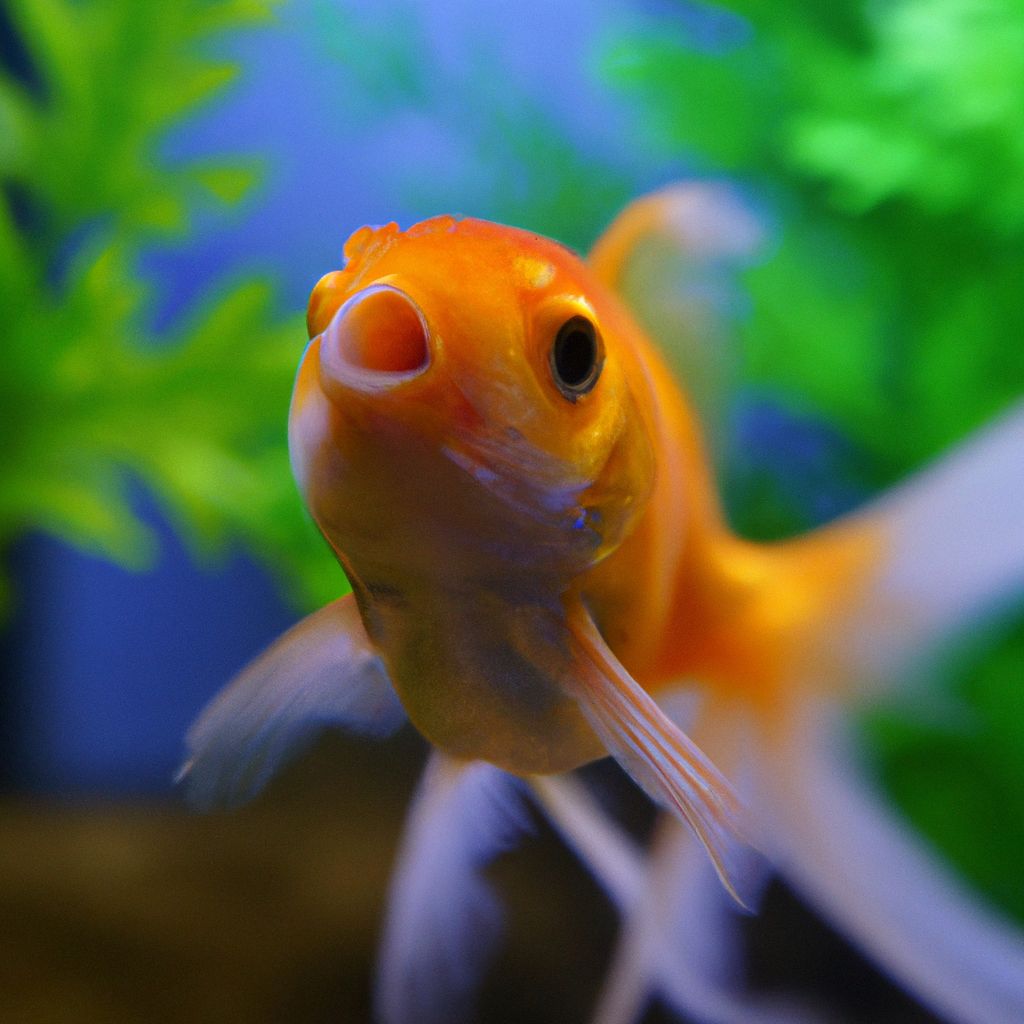
The question of whether goldfish can eat cichlid pellets is a common concern among pet owners. Goldfish and cichlids are both popular types of fish kept in aquariums, but they have distinct dietary needs. In this article, we will explore the compatibility between goldfish and cichlid pellets to provide clarity on this topic.
Understanding the diet of goldfish is crucial to determine if they can consume cichlid pellets. We will delve into what goldfish eat in the wild and in captivity to gain insights into their nutritional requirements. we will examine cichlid pellets, including their composition and purpose in a cichlid’s diet.
Furthermore, we will address whether goldfish can properly digest cichlid pellets. Different fish species have varying digestive systems, and it is essential to evaluate if cichlid pellets are suitable for goldfish. We will discuss the potential risks associated with feeding goldfish cichlid pellets, taking into account their digestive capabilities.
Lastly, we will present alternatives to cichlid pellets for goldfish, exploring safe and nutritious food options. It is important to provide goldfish with a balanced, species-specific diet that meets their nutritional needs for optimal health and well-being.
By addressing these aspects, we aim to provide a comprehensive understanding of whether goldfish can eat cichlid pellets and offer guidance on choosing the most suitable diet for your pet goldfish.
Key takeaways:
- Goldfish can eat cichlid pellets: Goldfish are capable of digesting and consuming cichlid pellets like other types of fish food.
- Understanding goldfish diet: In the wild, goldfish consume a variety of food, including small insects, plants, and algae. In captivity, they are typically fed commercial fish pellets.
- Potential risks of feeding goldfish cichlid pellets: While goldfish can consume cichlid pellets, there are potential risks associated with nutritional imbalances and overfeeding. It is important to provide a balanced diet and monitor their feeding habits.
Can Goldfish Eat Cichlid Pellets?
Yes, goldfish can eat cichlid pellets. However, it’s important to consider the nutritional needs of goldfish and the specific ingredients in the cichlid pellets.
- Goldfish Nutritional Needs: Goldfish require a balanced diet that includes a variety of nutrients. Make sure the cichlid pellets provide essential nutrients such as proteins, fats, carbohydrates, vitamins, and minerals.
- Ingredients in Cichlid Pellets: Check the ingredients list on the cichlid pellet packaging. Look for ingredients that are safe and suitable for goldfish. Avoid pellets that contain excessive amounts of fillers, artificial additives, or ingredients that may be harmful to goldfish.
- Size of the Pellets: Consider the size of the cichlid pellets in relation to the size of your goldfish’s mouth. If the pellets are too big, they may be difficult for the goldfish to chew and swallow.
- Feeding in Moderation: Remember to feed cichlid pellets to goldfish in moderation. Overfeeding can lead to digestive issues and water quality problems.
Yes, goldfish can eat cichlid pellets. It’s crucial to ensure that the pellets meet the goldfish’s nutritional requirements and that they contain safe ingredients. Avoid pellets with excessive fillers, artificial additives, or potentially harmful substances. Additionally, consider the size of the pellets in relation to your goldfish’s mouth to prevent any difficulties in consuming them. Lastly, make sure to feed the pellets in moderation to avoid digestive problems and water quality issues.
Understanding Goldfish Diet
When it comes to goldfish, understanding their diet is crucial for their overall health and well-being. Here are some important factors to consider:
- Type of Food: To ensure your goldfish’s growth and development, it’s important to feed them a balanced diet consisting mainly of high-quality commercial pellets or flakes specifically formulated for goldfish. These specialized foods provide the necessary nutrients and vitamins.
- Protein Content: Goldfish require a diet with a moderate protein content, which is essential for their muscle development and overall vitality. Look for food with around 30%-40% protein.
- Plant Matter: Since goldfish are omnivorous, it’s beneficial to include plant matter in their diet. You can provide this through algae-based flakes or pellets, or by offering them fresh vegetables like lettuce or peas occasionally.
- Avoid Overfeeding: Goldfish have a tendency to overeat, which can lead to health issues such as obesity and swim bladder problems. It’s best to feed them small portions 2-3 times a day, only giving them what they can consume within a few minutes.
- Dietary Variety: To ensure your goldfish receives all the necessary nutrients, it’s important to provide a varied diet. Consider supplementing their diet with freeze-dried or live foods like brine shrimp or bloodworms, which can be given as occasional treats.
- Monitor Water Quality: Remember, a proper diet alone is not enough for your goldfish’s health. It’s crucial to regularly test and maintain the water quality in their tank, as poor water conditions can negatively impact their overall health and digestion.
By properly understanding and providing appropriate nutrition for your goldfish, you can help promote their well-being and longevity.
What Do Goldfish Eat in the Wild?
In the wild, goldfish primarily consume a variety of vegetation. A natural diet for goldfish includes algae, aquatic plants, insects, and small crustaceans. Their diet consists of a mixture of plant matter and small animals. Goldfish have a specialized structure called a pharyngeal mill, which allows them to efficiently grind food.
Goldfish also have a preference for live or fresh food. In their natural habitat, they consume small aquatic organisms such as daphnia, brine shrimp, and bloodworms. These provide essential nutrients and proteins that contribute to their overall well-being. Foraging and grazing are constant activities for goldfish in the wild as it helps them acquire the necessary nutrients for growth and development.
It is important to note that the nutritional requirements of goldfish can vary based on their species, age, and environmental conditions. Therefore, it is advisable to consult with a veterinarian or a specialist to ensure that you are providing the appropriate diet for your goldfish. Meeting their dietary needs will promote their health and longevity.
To replicate their natural diet in captivity, goldfish owners can offer a variety of foods, including high-quality commercial pellets and flakes specifically formulated for goldfish. Additionally, providing fresh vegetables like spinach, peas, and lettuce can contribute to a balanced diet. It is crucial to avoid overfeeding and to monitor the water quality to maintain optimal health for goldfish.
By understanding what goldfish eat in the wild, you can provide a nutritious and diverse diet that promotes their well-being in captivity. Remember, “What Do Goldfish Eat in the Wild?” is a question worth exploring to ensure the best care for your pet goldfish.
What Do Goldfish Eat in Captivity?
In captivity, it’s essential to understand the specific dietary needs of goldfish to keep them healthy. Goldfish are omnivorous by nature, meaning they consume both plant and animal matter. To maintain their overall well-being, it is crucial to provide them with a balanced diet.
When it comes to feeding goldfish in captivity, there is a variety of options. They can be fed specially formulated goldfish pellets or flakes that cater to their nutritional requirements. These pellets or flakes contain a combination of protein, carbohydrates, and essential vitamins and minerals. When selecting pellets, it is important to opt for high-quality ones that are suitable for the size and age of your goldfish.
Apart from pellets or flakes, goldfish also enjoy consuming fresh vegetables like peas, lettuce, and spinach. These leafy greens offer added fiber and important nutrients. To make it easier for your goldfish to consume, you can blanch the vegetables.
Moreover, goldfish appreciate occasional treats such as bloodworms, brine shrimp, or daphnia. These protein-rich foods can be provided as a supplement to their regular diet.
To prevent overeating and digestive issues, it’s crucial to feed your goldfish in small portions. Additionally, removing any uneaten food from the tank is important for maintaining water quality.
To ensure the nutrition your goldfish needs to flourish in captivity, it’s advisable to provide a diverse range of foods and maintain a balanced diet.
Always remember to consult with a veterinarian or aquatic specialist for specific dietary recommendations tailored to your goldfish’s health and well-being.
Understanding Cichlid Pellets
Understanding Cichlid Pellets
Cichlid pellets are available in various formulations to cater to the specific needs of different cichlid species. Pellet A is a high-protein option suitable for African and South American cichlids. It contains 40% crude protein, ensuring optimal growth and development. Pellet B is a balanced pellet suitable for all cichlid species, with 30% crude protein to support overall health. Pellet C is a color-enhancing pellet designed to bring out vibrant coloration in cichlids. It contains natural color pigments along with 35% crude protein.
Understanding cichlid pellets is essential to provide proper nutrition for these beautiful fish. By choosing the right type of pellet based on the nutritional content and the specific needs of your cichlid species, you can ensure their optimal health and vibrant coloration.
Cichlid pellets were developed in the early 20th century to meet the dietary needs of the growing number of cichlid hobbyists. Since then, advancements in nutrition research have allowed for the formulation of specialized pellets that cater to the unique requirements of different cichlid species. Today, cichlid pellets are widely used and recognized as a convenient and effective way to provide essential nutrients to cichlids in aquariums around the world.
What Are Cichlid Pellets Made Of?
| Main Ingredient | Additional Ingredients |
| Fish Meal | Corn, Wheat, Soybean, Vitamins, Minerals |
| Shrimp Meal | Corn, Wheat, Soybean, Vitamins, Minerals |
| Wheat Flour | Fish Oil, Fish Meal, Vitamins, Minerals |
| Wheat Germ | Fish Meal, Soybean, Vitamins, Minerals |
What Are Cichlid Pellets Made Of? Cichlid pellets are made up of various ingredients like fish meal, shrimp meal, wheat flour, and wheat germ. These ingredients provide the necessary nutrients for cichlids to thrive. Fish meal is a common main ingredient, along with additional ingredients such as corn, wheat, soybean, vitamins, and minerals. Shrimp meal is another source of protein commonly found in cichlid pellets. Wheat flour and wheat germ are used as binding agents and also provide essential nutrients. Fish oil, fish meal, soybean, and other ingredients are added to enhance the nutritional value of the pellets.
A true story that relates to this topic is that of a hobbyist who had a cichlid fish tank. They fed their cichlids a high-quality pellet made from fish meal, shrimp meal, and other nutritious ingredients. The cichlids thrived and displayed vibrant colors, indicating good health. The hobbyist’s diligence in choosing cichlid pellets with the right ingredients contributed to the overall well-being of their fish. This story showcases the importance of understanding what cichlid pellets are made of and how it can positively impact the health of the fish.
What Are Cichlid Pellets Used For?
What Are Cichlid Pellets Used For?
| Cichlid Pellets Usage | Explanation |
| Complete and balanced diet | Cichlid pellets are formulated to provide all the essential nutrients and vitamins needed for cichlids to thrive. |
| Promoting growth and development | Cichlid pellets contain high-quality protein sources that support healthy muscle development and optimal growth in cichlids. |
| Color enhancement | Cichlid pellets often contain natural color enhancers such as astaxanthin, spirulina, or krill, which help enhance and maintain vibrant colors in cichlids. |
| Easy feeding and convenience | Cichlid pellets are compact and easily dispensed, making them convenient for feeding multiple fish in larger aquariums. They can be readily consumed by cichlids and are less messy compared to other food options. |
| Dietary variety | Cichlid pellets come in different sizes and formulas, catering to the specific dietary requirements of different cichlid species, including herbivorous, omnivorous, and carnivorous cichlids. |
| Promoting overall health and well-being | Cichlid pellets are designed to provide essential nutrients, vitamins, and minerals, supporting the overall health, immune system, and reproductive capabilities of cichlids. |
Can Goldfish Digest Cichlid Pellets Properly?
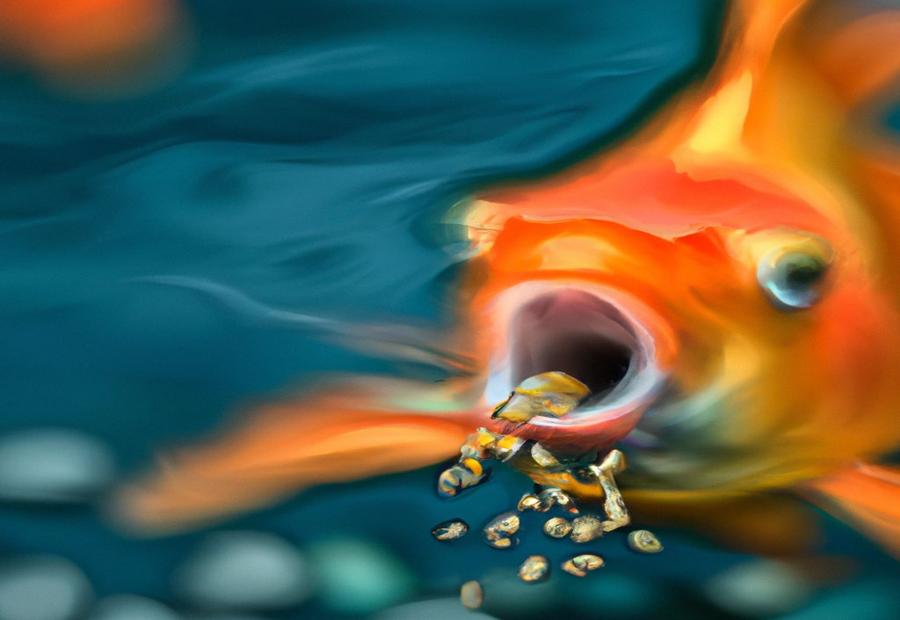
Photo Credits: Bettafishworld.Com by Eric Miller
Goldfish have difficulty digesting cichlid pellets properly. Can Goldfish Digest Cichlid Pellets Properly? The digestive systems of goldfish are not designed to efficiently process the high protein content found in cichlid pellets. Goldfish are primarily herbivorous and thrive on a diet that consists of plants and vegetable matter. Feeding them cichlid pellets can lead to digestive issues such as bloating and constipation.
The high protein content in cichlid pellets can strain the goldfish’s digestive system, causing discomfort and potentially leading to health problems. Can Goldfish Digest Cichlid Pellets Properly? It is important to provide goldfish with a diet that meets their specific nutritional needs.
To ensure that goldfish are able to digest their food properly, it is recommended to feed them a balanced diet that is specifically formulated for goldfish. This can include high-quality goldfish pellets, flakes, and fresh vegetables such as peas or lettuce.
By feeding goldfish a diet that is appropriate for their digestive system, their overall health and well-being will be enhanced. It is essential to consider the specific dietary requirements of different fish species to promote their optimal health. Can Goldfish Digest Cichlid Pellets Properly?
Are Cichlid Pellets Suitable for Goldfish Digestive System?
Cichlid pellets are not suitable for the goldfish digestive system.
Goldfish have specific dietary requirements that differ from those of cichlids.
While cichlids are carnivorous and thrive on a high-protein diet, goldfish are omnivorous and require a balanced mix of plant and animal-based foods.
The digestive systems of goldfish are not designed to efficiently process the high protein content found in cichlid pellets.
Feeding goldfish cichlid pellets can lead to digestive issues such as bloating and constipation.
Goldfish need a diet rich in fiber and low in protein to maintain a healthy digestive system.
High-quality goldfish food pellets are formulated specifically for their nutritional needs and should be the primary source of their diet.
To ensure the well-being of your goldfish, it is crucial to provide them with a diet that suits their digestive system.
Opt for goldfish food pellets that contain a balanced mix of plant-based ingredients and animal proteins.
Additionally, supplement their diet with fresh vegetables, like peas and lettuce, to provide enrichment and promote overall digestive health.
By choosing a diet tailored to the goldfish digestive system, you can ensure the long-term health and well-being of your pet.
Potential Risks of Feeding Goldfish Cichlid Pellets
Feeding goldfish cichlid pellets can pose potential risks to their health. Here are some important facts to consider:
- Digestive issues: Goldfish have different nutritional needs compared to cichlids. Cichlid pellets are formulated specifically for cichlids and may contain ingredients that are not suitable for goldfish digestion.
- Nutritional deficiencies: Cichlid pellets may not provide the necessary nutrients that goldfish require for their overall well-being. Goldfish need a balanced diet that includes a variety of foods to meet their nutritional needs.
- Impacted organs: Feeding goldfish cichlid pellets regularly may lead to the accumulation of excessive nutrients, which can strain their liver and kidneys. This can negatively impact their health and longevity.
- Susceptibility to diseases: The improper diet provided by cichlid pellets can weaken a goldfish’s immune system, making them more susceptible to diseases and infections. This can result in various health issues, including swim bladder problems and fin rot.
- Unbalanced growth: Cichlid pellets may promote faster growth in goldfish due to their high protein content. However, rapid growth can lead to skeletal deformities and other developmental issues in goldfish.
It is crucial to provide goldfish with a proper diet that meets their specific nutritional requirements to ensure their well-being and longevity. Consulting with a veterinarian or researching goldfish-specific food options can help maintain the health of your goldfish.
Alternatives to Cichlid Pellets for Goldfish
Photo Credits: Bettafishworld.Com by Robert Clark
When it comes to feeding goldfish, there are alternatives to cichlid pellets for goldfish that can provide a balanced and nutritious diet.
- Flake food: This is a common and readily available option. Look for flakes that are specifically formulated for goldfish to ensure they receive the right nutrients.
- Pellets for goldfish: Instead of using cichlid pellets, opt for pellets made specifically for goldfish. These pellets are designed to meet the nutritional needs of goldfish and promote their health.
- Frozen or freeze-dried foods: Goldfish can also benefit from a variety of frozen or freeze-dried foods, such as brine shrimp, daphnia, or bloodworms. These foods offer alternatives to cichlid pellets for goldfish and provide a natural source of nutrients, making them a great addition to their diet.
- Vegetables: Adding some vegetables to your goldfish’s diet can provide essential fiber and nutrients. Try feeding them blanched peas, spinach, or lettuce. Remember to remove any uneaten vegetables after a few hours to prevent water contamination.
- Live foods: Goldfish can enjoy live foods like mosquito larvae or small worms as alternatives to cichlid pellets for goldfish. These foods can be a great source of protein and promote natural foraging behavior.
True story: I once had a goldfish named Charlie who loved variety in his diet. Along with his regular pellet food, I introduced him to frozen brine shrimp and freeze-dried bloodworms, which served as alternatives to cichlid pellets for goldfish. He would eagerly swim to the surface whenever he saw me preparing these treats for him. Charlie thrived on this varied diet, and his vibrant colors and playful personality brought so much joy to our home.
What Are Some Safe and Nutritious Food Options for Goldfish?
When it comes to providing safe and nutritious food options for goldfish, there are several options to consider:
- What Are Some Safe and Nutritious Food Options for Goldfish? Goldfish can benefit from a diet that includes protein-rich foods such as bloodworms, brine shrimp, daphnia, and small insects. These foods provide essential nutrients and help support their growth and development.
- What Are Some Safe and Nutritious Food Options for Goldfish? Vegetables like peas and lettuce can also be added to a goldfish’s diet. These provide fiber and essential nutrients while adding variety to their meals. Blanched or steamed vegetables are ideal for easy digestion.
- What Are Some Safe and Nutritious Food Options for Goldfish? Fruits like oranges, watermelon, and grapes can be offered as occasional treats. However, it’s important to remember that fruits should be given in small quantities due to their sugar content.
- What Are Some Safe and Nutritious Food Options for Goldfish? Goldfish thrive on a diverse diet, so it’s recommended to offer a mix of different foods. This can include commercial goldfish pellets, as well as the aforementioned meaty and plant-based options.
Remember, it’s important to consider the size and nutritional needs of your goldfish when selecting food options for them. Observing their eating habits and consulting with a veterinarian can help ensure a balanced and healthy diet.
Meaty Foods for Goldfish
| Meaty Foods for Goldfish | Description |
| Shrimp | High in protein and omega-3 fatty acids, shrimp can be a nutritious treat for goldfish. Ensure that the shrimp is cooked and free from any seasoning or additives. |
| Earthworms | Earthworms are a natural food source for goldfish, providing them with essential nutrients. You can either buy live or freeze-dried earthworms for your goldfish to enjoy. |
| Bloodworms | Rich in protein, bloodworms are a favorite among goldfish. They can be purchased either live or freeze-dried. Offer bloodworms as a treat in small amounts to avoid overfeeding. |
Including meaty foods for goldfish in your goldfish’s diet can provide them with essential proteins and nutrients. Foods like shrimp, earthworms, and bloodworms are excellent options as they are high in protein and offer variety to their diet. However, remember to offer these meaty foods for goldfish as treats in moderation to maintain a balanced diet for your goldfish.
Pro-tip: Before feeding meaty foods for goldfish to your goldfish, make sure that they are appropriate for your goldfish’s size and age. It’s also a good practice to monitor your goldfish’s behavior and health after introducing any new food to ensure they are tolerating it well.
Plant-Based Proteins for Goldfish
Plant-Based Proteins for Goldfish can be a healthy and nutritious option for goldfish. Here are some examples of plant-based proteins that are suitable for goldfish:
- Peas: Peas are an excellent source of plant-based protein for goldfish. They are rich in essential amino acids and provide energy for your goldfish.
- Spirulina: Spirulina is a type of blue-green algae that is high in protein and contains essential vitamins and minerals. It can help enhance the coloration of your goldfish.
- Dandelion Greens: Dandelion Greens are a natural and nutritious option for goldfish. They are rich in fiber, vitamins, and minerals, and can promote healthy digestion.
- Spinach: Spinach is another leafy green vegetable that is beneficial for goldfish. It contains protein, iron, and various vitamins and minerals.
- Kale: Kale is a nutrient-dense vegetable that provides protein, vitamins, and minerals. It can contribute to overall health and well-being in goldfish.
Including a variety of plant-based proteins in your goldfish’s diet can provide them with the necessary nutrients for optimal health. Remember to introduce new foods gradually and observe your goldfish’s response. It’s always important to consult with a knowledgeable source or veterinarian to ensure you are providing a balanced and appropriate diet for your goldfish.
Fresh Food Options for Goldfish
- Leafy Greens: Leafy greens such as spinach, lettuce, and kale are excellent fresh food options for goldfish. These greens are packed with essential nutrients like vitamins A and C, and they help promote a healthy digestive system.
- Fruits: Goldfish can also enjoy small pieces of fruits like apples, oranges, and watermelon. These fruits provide natural sugars and vitamins, but be sure to remove any seeds or peels that could be harmful to the fish.
- Vegetables: Vegetables like peas, carrots, and cucumber can be cooked or blanched and fed to goldfish. These vegetables offer additional fiber and essential nutrients for their overall health.
- Brine Shrimp: Adding brine shrimp to your goldfish’s diet can provide an excellent source of protein. These small shrimp are rich in omega-3 fatty acids, which promote healthy growth and enhance their immune system.
- Daphnia: Daphnia is another great option as it offers a high protein content and aids in digestion. These tiny crustaceans can be found at pet stores and are often freeze-dried for convenience.
One goldfish owner, Samantha, noticed that her fish seemed sluggish and uninterested in food. After researching fresh food options, she decided to try feeding her goldfish small pieces of blanched peas. To her surprise, the goldfish eagerly devoured the peas and quickly regained its energy and appetite. Samantha continued to incorporate fresh foods into her goldfish’s diet, providing a varied and nutritious diet that improved the fish’s overall well-being.
Variety of Foods for Goldfish
When it comes to feeding goldfish, it is crucial to offer them a variety of foods in order to meet their nutritional needs and maintain their health. A diverse diet can also enhance mealtime for these vibrant underwater pets. Here are some examples of safe and nutritious foods to include in the diet of a goldfish:
| Diverse Options of Meaty Foods for Goldfish | Plant-Based Proteins for Your Goldfish | Fresh and Wholesome Food Choices for Goldfish |
| Brine shrimp | Cooked and mashed peas | Blanched spinach |
| Daphnia | Kale | Zucchini |
| Bloodworms | Spirulina | Lettuce (in moderation) |
| Tubifex worms | Seaweed | Cucumber |
Providing a variety of foods is essential to ensure that goldfish obtain a well-rounded diet. An assortment of meaty foods, plant-based proteins, and fresh options will supply the required nutrients for their development and overall well-being. Furthermore, incorporating a range of foods adds enrichment and stimulation to their feeding routine.
Proper Feeding Practices for Goldfish
Photo Credits: Bettafishworld.Com by Elijah Johnson
Proper feeding practices for goldfish are crucial to ensure their health and well-being. Here are some essential guidelines to follow:
- Feed your goldfish a high-quality pellet or flake food specifically designed for goldfish. These foods are formulated to provide the necessary nutrients and vitamins for optimal health.
- Instead of one large feeding, give your goldfish small amounts of food multiple times a day. This helps prevent overeating and reduces the risk of digestive problems.
- Be cautious not to overfeed your goldfish. It is better to slightly underfeed than to overfeed, as overfeeding can lead to obesity and other health issues.
- Ensure the water temperature is suitable for goldfish by monitoring it regularly. Goldfish, being coldwater fish, do not need heated aquariums.
- After each feeding session, remove any uneaten food from the tank to prevent water contamination and maintain water quality.
- Consider diversifying your goldfish’s diet by including a variety of foods, such as frozen or live foods (e.g., brine shrimp or bloodworms) and vegetables (e.g., peas or lettuce). This will provide a balanced diet and stimulate their natural foraging behavior.
- While feeding, observe your goldfish to ensure they eat correctly and display healthy behavior. If you notice any changes in appetite or behavior, consult a veterinarian.
Considerations for Goldfish Housing and Tank Mates
Photo Credits: Bettafishworld.Com by Nathan Adams
When considering goldfish housing and tank mates, there are several important considerations to keep in mind:
- Tank size: Goldfish require a spacious tank with plenty of room to swim. A general rule of thumb is to provide at least 20 gallons of water per goldfish.
- Water parameters: Goldfish prefer cooler water temperatures ranging from 65-75 degrees Fahrenheit. Regular water testing is crucial to ensure proper pH levels and to keep ammonia and nitrate levels in check.
- Compatibility: Goldfish are best kept with other goldfish or other peaceful, cold-water fish species. Avoid keeping them with aggressive or fin-nipping fish as it can cause stress and injury.
- Filtration: Goldfish produce a lot of waste, so a good filtration system is essential to maintain water quality. Consider a filter that is suitable for the size of your tank and capable of handling the goldfish’s waste load.
- Diet: Provide a balanced diet for your goldfish to ensure their nutritional needs are met. Goldfish pellets or flakes specifically formulated for goldfish are recommended, as they contain the necessary vitamins and minerals.
When setting up a goldfish tank, remember these considerations to create a suitable and healthy environment for your goldfish. Ensure proper tank size, maintain optimal water parameters, choose compatible tank mates, invest in a good filtration system, and provide a nutritious diet. Following these guidelines will help promote the well-being and longevity of your goldfish.
Promoting Goldfish Health and Well-Being
When it comes to promoting goldfish health and well-being, there are several important factors to consider:
- Promoting Goldfish Health: Providing a balanced diet is essential for the overall health and vitality of goldfish. A diet that includes a combination of high-quality goldfish pellets, fresh vegetables, and occasional live or frozen foods will ensure they receive all the necessary nutrients.
- Water quality: Maintaining clean water is crucial for the well-being of goldfish. Regular water changes, use of a reliable filtration system, and monitoring of water parameters such as temperature and pH are essential for their health.
- Adequate space: Goldfish require ample swimming space to thrive. Providing a tank or pond that is large enough to accommodate their size is important to prevent stress-related health issues.
- Environmental enrichment: Goldfish are intelligent and curious creatures that benefit from environmental stimulation. Adding plants, caves, and other decorations to their habitat will support their mental and physical well-being.
- Regular monitoring: Observing your goldfish daily allows you to identify any abnormalities or changes in behavior, which could signal underlying health issues. Addressing any concerns promptly will help to promote their overall well-being.
Fact: A healthy goldfish can live for up to 20 years with proper care and attention!
Some Facts About “Can Goldfish Eat Cichlid Pellets”:
- ✅ Goldfish can eat cichlid pellets, but it is not recommended to feed them routinely. (Source: Urban Fish Keeping)
- ✅ Cichlid food contains more protein than goldfish food, which can impact goldfish health in cold water. (Source: Urban Fish Keeping)
- ✅ Goldfish require less protein in their diet compared to cichlids. (Source: Urban Fish Keeping)
- ✅ Goldfish pellets have a greater concentration of protein compared to cichlid pellets of the same brand. (Source: Urban Fish Keeping)
- ✅ Goldfish should be provided with quality sinking pellets or flakes as a staple diet, along with occasional treats like brine shrimp or bloodworms. (Source: Urban Fish Keeping)
Frequently Asked Questions
Can goldfish eat cichlid pellets?
Answer: Goldfish can eat cichlid pellets in the short run without immediate harm, but it is best to stick to food formulated specifically for goldfish. Cichlid food has a higher concentration of protein, which is metabolized more quickly in warm water. Goldfish in cold water cannot metabolize protein as fast, which can impact their health and pollute the water more quickly.
What is the difference between cichlid food and goldfish food?
Answer: The main difference between food made for cichlids and goldfish is the amount of protein included. Cichlid food has a higher concentration of protein, while goldfish require less protein in their diet. Goldfish pellets have a greater concentration of protein compared to the same brand’s cichlid pellets. Goldfish food is usually made up of plant material with some animal protein.
Can goldfish eat other types of fish food?
Answer: Goldfish can eat a variety of fish food, but it is important to ensure it contains essential proteins, carbohydrates, vitamins, and minerals. Goldfish can eat tropical fish flakes, but it is not the best food for them as it lacks the necessary nutrition for healthy growth and development. The best food for goldfish is a high-quality flake food specifically designed for goldfish, supplemented with occasional treats like bloodworms or brine shrimp.
Can cichlids eat goldfish food?
Answer: Cichlids can eat goldfish food occasionally, but it doesn’t provide much nutrition for them. Cichlids are primarily carnivorous and should have a diet consisting mostly of meaty foods. Goldfish food can be a treat for cichlids, but should be fed sparingly to avoid bloating and constipation. It’s important to choose high-quality and nutritious cichlid food specifically designed for their dietary needs.
What are some suitable tank mates for goldfish?
Answer: Goldfish can live with certain fish species, such as otocinclus catfish and cory catfish, as long as they have similar water conditions. It’s important to choose tank mates wisely and avoid introducing aggressive fish that may harm the goldfish. Silver dollar fish, freshwater bugs, and mini snails can also be compatible tank mates for goldfish. It’s important to monitor water parameters and provide a clean and cool environment for goldfish.
What are some suitable tank mates for cichlids?
Answer: Cichlids can live with certain fish species that have similar temperaments and water requirements. Some suitable tank mates for cichlids include guppy fish, white cloud minnows, and betta fish. It’s important to choose tank mates wisely and ensure they can coexist peacefully in the aquarium. Avoid introducing frogs, turtles, or freshwater shrimp as tank mates for cichlids.