
Originally posted on July 19, 2023 @ 3:21 am
Last Updated on 6 hours by admin
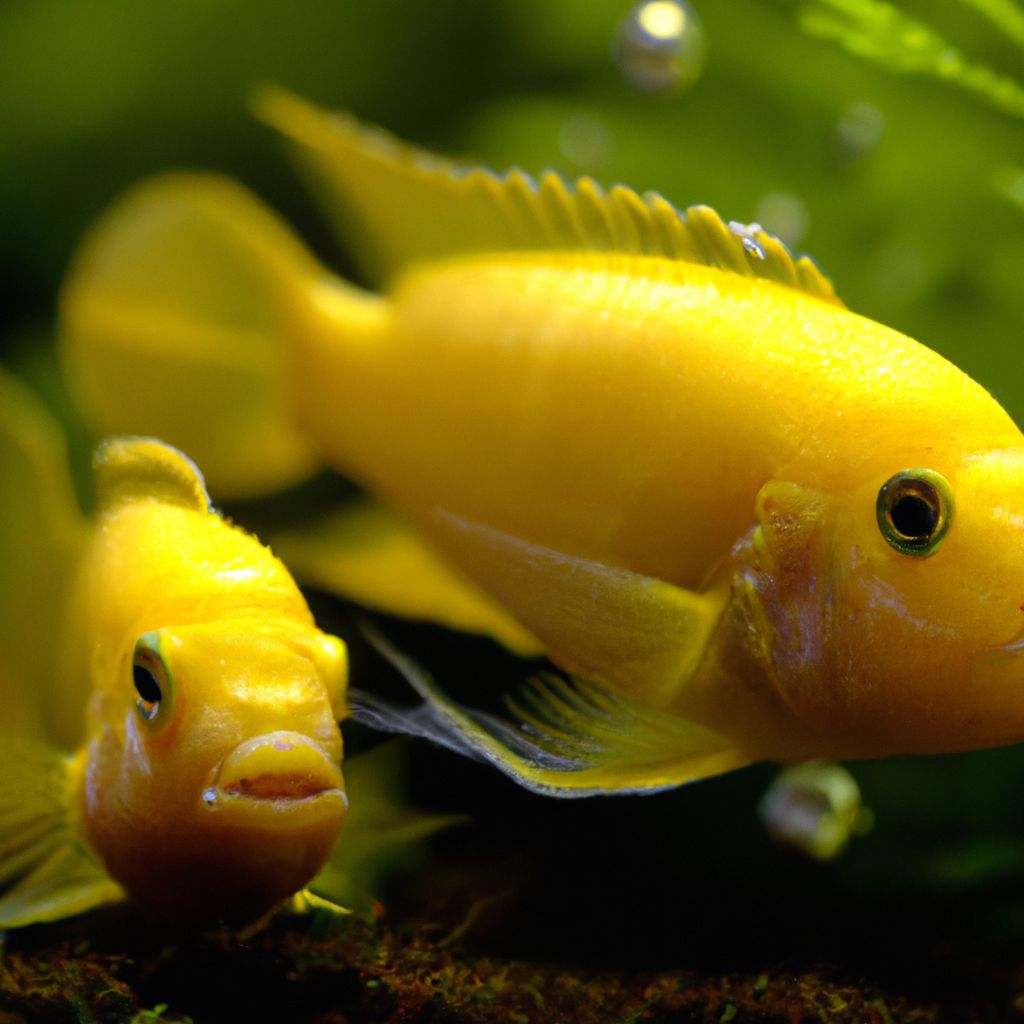
Cichlids are a popular choice among fishkeepers due to their vibrant colors, interesting behaviors, and ability to breed in captivity. While breeding cichlids can be a rewarding and fascinating experience, choosing the right species to breed is crucial for success. This article aims to provide insight into the easiest cichlids to breed and the techniques involved in cichlid breeding.
To begin with, it is important to understand what cichlids are and why they are popular in fishkeeping. Cichlids are a type of freshwater fish known for their diverse species, territorial behavior, and parental instincts. They have captured the interest of hobbyists worldwide due to their beauty and intriguing behaviors.
Cichlid breeding involves creating an environment that encourages mating behavior and the successful hatching and rearing of offspring. Many fishkeepers find joy in witnessing the entire breeding process, from courtship and egg-laying to the protection and care of the fry.
Several factors come into play when considering the easiest cichlid to breed. These include the size of the fish tank, the water conditions required for successful breeding, the aggression levels of the species, and the feeding patterns of the cichlids. These factors can greatly impact the ease and success of cichlid breeding.
To help fishkeepers make informed decisions, this article will highlight some of the top easiest cichlids to breed, along with tips for successful cichlid breeding. Techniques involved in cichlid breeding, such as preparing the breeding tank, introducing males and females, providing the right nesting environment, and caring for the eggs and fry, will also be discussed.
Finally, the article will address common challenges that fishkeepers may encounter during cichlid breeding, such as territorial conflicts between breeding pairs, egg eaters in the tank, and raising fry successfully. Solutions to these challenges will be provided to help ensure a successful breeding experience.
By the end of this article, readers will have a comprehensive understanding of the easiest cichlids to breed, the techniques involved in cichlid breeding, and the necessary steps to overcome common challenges. With this knowledge, fishkeepers can embark on a fulfilling journey of breeding cichlids and witnessing the marvels of nature within their own home aquariums.
##Key Takeaways:
Key takeaway:
- Cichlid breeding is popular in fishkeeping: Cichlids are widely recognized and favored for their breeding potential, making them a popular choice among fishkeepers.
- Consider factors when choosing the easiest cichlid to breed: Factors such as tank size, water conditions, aggression levels, and feeding patterns should be taken into account when selecting the easiest cichlid to breed.
- Successful cichlid breeding requires proper techniques and care: Preparing the breeding tank, introducing females and males, providing the right nesting environment, and caring for eggs and fry are essential steps in successfully breeding cichlids. Common challenges like territorial conflicts and egg eaters need to be addressed.
What are Cichlids?
Cichlids are a diverse group of fish species that are known for their vibrant colors and unique behaviors. What are Cichlids? They belong to the family Cichlidae, which includes over 2,000 different species.[1] Cichlids are native to various freshwater habitats around the world, such as lakes, rivers, and streams.
These fish are highly popular in the hobby of fishkeeping due to their fascinating behaviors and beautiful appearance. Many cichlids are known for their intelligent and interactive nature, making them a favorite choice among aquarium enthusiasts.[2]
Cichlids exhibit a wide range of behaviors, including territoriality, mating rituals, and parental care. They are also known for their ability to adapt to various water conditions, which makes them suitable for different types of aquarium setups.[3]
When considering cichlids for your aquarium, it is important to research and understand the specific needs of the species you are interested in. Factors to consider include the size of the fish tank, water conditions such as temperature and pH level, aggression levels of different species, and feeding patterns.[4]
By selecting cichlids that are well-suited to your aquarium setup and providing them with the right conditions, you can create a thriving and harmonious environment for these fascinating fish.
So, if you are looking for colorful and engaging fish to keep in your aquarium, cichlids are definitely worth considering. Their unique behaviors and stunning appearance will surely add a touch of wonder to your aquatic world. What are Cichlids?
Why are Cichlids Popular in Fishkeeping?
Cichlids are popular in fishkeeping for a variety of reasons. Firstly, their diverse range of colors, sizes, and patterns makes them visually appealing to hobbyists. These vibrant hues can add liveliness and attractiveness to any aquarium. Additionally, cichlids possess unique behaviors and personalities that are fascinating to observe. They are well-known for their breeding and territorial instincts, which make their interactions dynamic and captivating. Moreover, cichlids are renowned for being hardy and adaptable, making them relatively easy to care for, especially for beginners in the fishkeeping hobby. They can withstand a wide range of water conditions and are generally resistant to diseases. Furthermore, cichlids are known for their ability to breed and reproduce successfully in captivity. Many fishkeepers derive joy from witnessing the breeding behaviors of cichlids, including their elaborate courtship rituals and dedicated parental care. This reproductive aspect adds an extra level of excitement and engagement to the hobby. Did you know that cichlids can exhibit complex social structures, with certain species even practicing cooperative breeding where multiple fish care for the brood together?
What is Cichlid Breeding?
Cichlid breeding is the process of reproducing and raising cichlid fish in captivity. It involves creating a suitable environment for the fish to breed, ensuring proper nutrition and care during the breeding process, and providing appropriate conditions for the growth and development of the fry. Cichlid breeding can be a rewarding and educational experience for fish enthusiasts.
To successfully breed cichlids, it is important to understand the specific requirements of the species you are working with. Different cichlids have different breeding behaviors and preferences. Some may form pairs and breed in caves or on flat surfaces, while others may build nests or guard their eggs and fry.
Maintaining the right water parameters, such as temperature, pH level, and water quality, is crucial for cichlid breeding success. It is also important to provide a balanced diet that includes high-quality foods suitable for the specific species.
Fact: Cichlids are known for their wide range of colors and patterns, making them a popular choice among aquarium enthusiasts. In fact, some cichlid species are even capable of changing color based on their mood or environment.
What is Cichlid Breeding?
Why Do People Breed Cichlids?
People breed cichlids for a variety of reasons, including their captivating behavior, vibrant colors, and the satisfaction of successfully raising and breeding these fish. Breeding cichlids can be a gratifying experience for aquarium enthusiasts. By breeding cichlids, individuals strive to expand their knowledge and understanding of these fish, enhance their fishkeeping skills, and contribute to the conservation efforts of endangered cichlid species.
One of the primary motivations for breeding cichlids is to witness their distinctive breeding behaviors. Cichlids are renowned for their elaborate courtship rituals, territorial displays, and parental care. Breeding cichlids allows individuals to personally observe these behaviors and develop a deeper appreciation for their intricate social dynamics.
Furthermore, breeding cichlids presents the opportunity to preserve and propagate rare or endangered species. Many cichlid species face threats in their natural habitats, and breeding them in captivity helps mitigate the risk of extinction.
Moreover, breeding cichlids enables hobbyists to establish a self-sustaining aquarium ecosystem. Successful breeding efforts can help maintain a stable population of these fish in the tank and reduce the need for frequent new additions.
What Makes Cichlids Good Breeders?
Cichlids prove to be excellent breeders due to their innate instincts, reproductive behavior, and diligent parental care. These key factors greatly contribute to their remarkable success in breeding and nurturing their offspring.
Primarily, cichlids showcase well-defined mating rituals, which encompass various courtship behaviors such as vibrant color displays, intricate fin movements, and resolute territorial defense. These instinctive actions aid in attracting potential mates and establishing clear hierarchies within the breeding pair.
Furthermore, cichlids are renowned for their exceptional parental care. Once the eggs are fertilized, both the male and female cichlids jointly partake in safeguarding the nest and ensuring the well-being of their precious offspring. With great ferocity, they diligently defend their territory against any intruders, ensuring the protection of the eggs or fry.
Lastly, cichlids demonstrate a remarkable ability to adapt their breeding strategies to diverse environments. They exhibit the capacity to procreate under various water conditions and adapt their reproductive behaviors accordingly. This remarkable flexibility allows them to flourish in different settings and considerably improves their overall reproductive success.
For those seeking to optimize the breeding success of cichlids, it is advisable to provide them with suitable hiding places, such as caves or plants, to establish a secure environment for spawning. Additionally, maintaining stable water parameters and providing a well-balanced diet will significantly enhance their breeding capabilities.
Pro-tip: To ensure the optimal breeding success of cichlids, it is important to take into consideration their natural instincts, reproductive behavior, and dedicated parental care. By providing them with suitable hiding places, maintaining stable water conditions, and offering a balanced diet, you will greatly enhance their breeding abilities.
Factors to Consider When Choosing the Easiest Cichlid to Breed
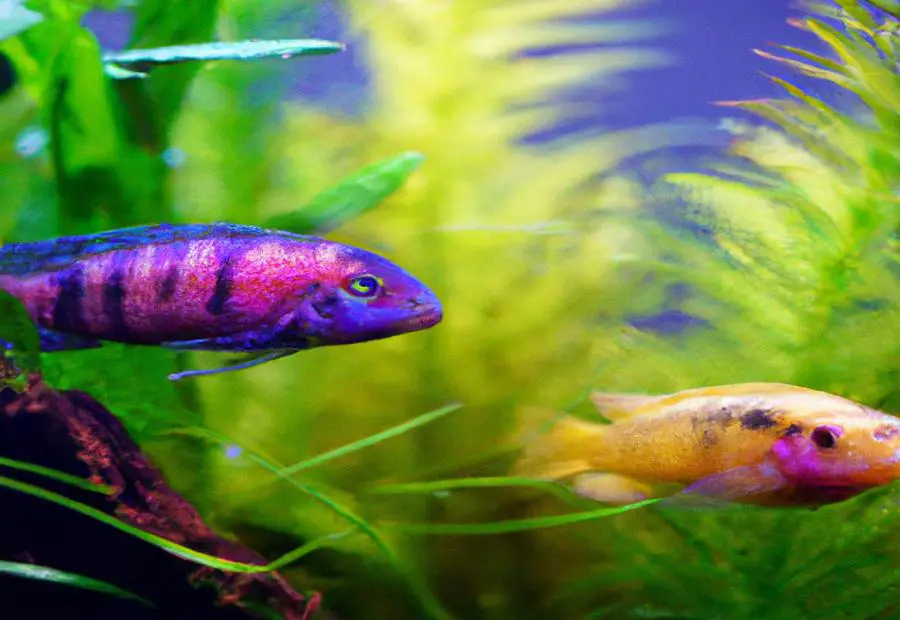
Photo Credits: Bettafishworld.Com by Matthew Torres
Choosing the easiest cichlid to breed involves considering factors that greatly impact their successful reproduction. From the size of the fish tank and water conditions to aggression levels and feeding patterns, each sub-section plays a crucial role. Understanding these key elements is essential for any aspiring cichlid breeder, as it ensures a favorable environment for their growth and reproduction. So, let’s dive into the essential factors that affect the breeding success of cichlids and unlock the secrets to a thriving breeding experience.
Size of the Fish Tank
The size of the fish tank is a crucial factor to consider when breeding cichlids. It is important to provide sufficient space for the breeding pair and their offspring to flourish.
| Size of Fish Tank | Recommended | Capacity |
|---|---|---|
| Species A | 40 gallons | 2-4 breeding pairs |
| Species B | 30 gallons | 1 breeding pair |
| Species C | 20 gallons | 1-2 breeding pairs |
| Species D | 10 gallons | 1 breeding pair |
Providing a larger tank allows for more swimming space and reduces the chances of aggression between the cichlids. It also enables the proper establishment of territories, providing each breeding pair with their own space.
For smaller tanks, it is essential to closely monitor aggression levels and provide plenty of hiding spots to reduce stress. The capacity of the tank will depend on the specific needs of the cichlid species. Some species require more space and larger groups, while others can thrive in smaller tanks with fewer individuals.
Remember to regularly perform water changes and maintain proper filtration in the fish tank to ensure a healthy environment for the breeding cichlids and their fry. Providing adequate space is crucial for the successful breeding of cichlids.
Water Conditions
When breeding cichlids, water conditions play a crucial role in ensuring the success of the breeding process. Here are some key factors to consider:
- Temperature: The temperature is a vital aspect for cichlid breeding. Different species have varying temperature requirements, but it generally falls within the range of 76 to 82 degrees Fahrenheit.
- pH Level: Cichlids prefer water with a slightly acidic to neutral pH. The recommended range is typically between 6.5 and 7.5.
- Water Hardness: The water’s hardness, measured in parts per million (ppm), can influence cichlids’ breeding behavior. While specific preferences vary among species, most cichlids thrive in moderate to hard water, which typically ranges from 8 to 20 dH.
- Clean Water: Maintaining clean and properly maintained water is essential for the overall health and successful breeding of cichlids. Regular water changes and the use of filtration systems are vital for maintaining high-quality water.
Pro-tip: Before breeding a particular cichlid species, it is recommended to research and understand their specific water condition preferences. By providing optimal water conditions, you can create a favorable breeding environment and increase the likelihood of successful cichlid reproduction.
Aggression Levels
When considering aggression levels in cichlids, it is important to choose species that are compatible with each other and other tankmates. Aggression is a natural behavior in cichlids, and certain species may exhibit more aggressive tendencies than others. Here are some key points to consider:
- Some cichlid species are known to be highly aggressive, while others are more peaceful. Research the characteristics and behavior of each species to understand their aggression levels.
- Consider the tank size: Providing enough space for each cichlid is crucial to minimize aggression. Larger tanks with ample hiding spots and territories can help decrease conflicts among cichlids.
- Provide suitable hiding spots: Adding rocks, caves, and plants in the aquarium creates hiding places for less dominant fish, reducing confrontations and aggression.
- Balance the male-female ratio: In many cichlid species, aggression is mainly displayed by males, especially during breeding. Maintaining the right balance of males and females can help reduce aggression in the tank.
- Monitor and intervene if necessary: Keep a close eye on the behavior of your cichlids. If aggression becomes excessive and leads to injuries or stress, consider separating or rehoming the more aggressive fish.
By considering aggression levels and creating a suitable environment, you can ensure a harmonious and peaceful cichlid community in your aquarium.
Feeding Patterns
Feeding patterns are a crucial aspect to consider when it comes to the breeding and overall health of cichlids. Several factors should be taken into account:
- Diet composition: Cichlids are omnivorous creatures, meaning they consume both plant and animal matter. A well-balanced diet should consist of a combination of high-quality pellets or flakes, fresh or frozen foods such as brine shrimp or bloodworms, and even some vegetables.
- Feeding frequency: Cichlids have a big appetite and should be fed multiple times a day. However, it is important to avoid overfeeding as it can lead to obesity and other health problems. It is better to provide smaller, regular meals throughout the day.
- Feeding methods: There are various methods available for feeding cichlids, including hand-feeding, automatic feeders, or scattering food in the tank. The choice of feeding method should be based on the behavior and preferences of the cichlids.
- Food variety: Offering a variety of food types ensures that cichlids obtain a wide range of nutrients. This can include live or frozen foods, as well as different types of pellets or flakes. Rotating food options helps to prevent dietary deficiencies.
- Observation and adjustment: It is important to regularly observe your cichlids during feeding to ensure that they all receive their fair share of food. Some cichlids can be aggressive eaters and may dominate the feeding areas, leaving others hungry. Adjusting feeding strategies or using feeding rings can help distribute the food more evenly.
Top Easiest Cichlids to Breed
Breeding cichlids can be a rewarding endeavor, but some species are easier to breed than others. In this section, we’ll dive into the top easiest cichlids to breed. From Species A to Species D, we’ll explore the characteristics and behaviors that make these fish more suitable for successful breeding. So, if you’re looking to start a cichlid breeding project, keep reading to discover which species might be the perfect fit for you.
1. Species A
Species A, one of the easiest cichlids to breed, is a popular choice among fishkeepers due to its adaptability and breeding behavior. Species A can grow up to 4 inches in length. They prefer a pH range of 7.0-8.0 and a temperature between 75-82°F. This species is moderately aggressive, especially during breeding and territorial disputes. When breeding Species A, it is important to provide them with ample hiding spaces, such as rocks or caves, to establish their territory and for spawning. Female A will lay eggs on a flat surface while the male guards the territory. The parents will also take care of the fry. They are omnivorous and can consume both live and prepared foods.
2. Species B
| Species B | Scientific Name | Difficulty Level to Breed |
| 2. Species B | Cichlasoma nigrofasciatum | Intermediate |
Species B, also known as Cichlasoma nigrofasciatum, is an intermediate species when it comes to breeding cichlids. It offers a moderate level of challenge for experienced fishkeepers looking to breed cichlids.
To successfully breed Species B, ensure that you have a suitable breeding tank set up. The tank should provide ample space for the cichlids to establish territories and build nests. Maintain the water conditions at a temperature of around 78-82°F (25-28°C) with a pH level between 6.5 and 7.5.
Species B is known for its aggressive nature, especially during breeding. Therefore, it is crucial to carefully monitor and manage aggression levels in the tank. Provide hiding spots and decorations to create separate territories for the male and female cichlids, reducing the chances of conflict.
Feeding patterns play a vital role in successful breeding. Offer a balanced diet of high-quality pellets, flakes, and live or frozen foods to enhance the health and reproductive capabilities of the cichlids. A varied diet will ensure that Species B receives all the necessary nutrients for optimal breeding.
By following these guidelines, you can increase your chances of successfully breeding Species B cichlids. Remember to be patient and observant throughout the breeding process, and consult with experienced fishkeepers or aquarists if needed.
3. Species C
When it comes to choosing the easiest cichlid to breed, species C is a great option to consider. This species has several characteristics that make it suitable for breeding in a home aquarium.
| Tank Size | Species C requires a minimum tank size of 30 gallons to provide enough space for the breeding pair and their offspring. |
| Water Conditions | These cichlids prefer slightly acidic to neutral water with a pH range of 6.5-7.5. The temperature should be maintained between 75-80 degrees Fahrenheit. |
| Aggression Levels | Species C is known for its relatively low aggression levels compared to other cichlid species. This makes it easier to maintain peace in the breeding tank. |
| Feeding Patterns | In terms of feeding, these cichlids are omnivorous and can be easily fed a varied diet consisting of high-quality pellets, frozen or live foods. |
When considering breeding cichlids, it’s important to provide a suitable environment and ensure the proper care and maintenance of the breeding pair and their offspring. Creating a spacious tank, maintaining optimal water conditions, managing aggression levels, and providing a balanced diet will contribute to the successful breeding of species C.
By following these guidelines, you can enjoy the rewarding experience of breeding cichlids, specifically species C, in your own home aquarium.
4. Species D
Here is a table showcasing the details of “Species D” in the context of the easiest cichlids to breed:
| Species D | Size | Water Conditions | Aggression Levels | Feeding Patterns |
| Species D | 6-8 inches | pH: 7.0-8.0, Temperature: 76-82°F | Low aggression | Omnivorous |
“Species D”, with an average size of 6-8 inches, is considered one of the easiest cichlids to breed. It thrives in water conditions with a pH range of 7.0-8.0 and a temperature range of 76-82°F. Compared to other cichlids, “Species D” exhibits low aggression levels, making it easier to manage in a community tank. In terms of feeding patterns, this species is omnivorous, meaning it can consume both plant matter and small prey.
To successfully breed “Species D”, ensure that the breeding tank provides suitable water conditions and sufficient hiding spots for the fish. Introduce a compatible pair of male and female cichlids and closely monitor their behavior to prevent any territorial conflicts. Provide appropriate nutrition for the breeding pair and their fry to support their growth and development. With the right care and attention, breeding “Species D” can be a rewarding experience for fishkeepers.
Consider adding “Species D” to your collection if you’re looking for an easy-to-breed cichlid that adds beauty and diversity to your aquarium. Explore the fascinating world of cichlid breeding, but remember to research and understand the specific needs of each species to ensure their well-being and successful breeding.
Cichlid Breeding Techniques
Breeding cichlids can be a rewarding experience, and mastering the right techniques is crucial.
In this section, we will explore various aspects of cichlid breeding, such as preparing the breeding tank, introducing females and males, providing the right nesting environment, and caring for eggs and fry development.
Get ready to dive into the fascinating world of cichlid breeding and discover the secrets to successfully raising these beautiful aquatic creatures.
Let’s get started!
Preparing the Breeding Tank
When preparing the breeding tank for cichlids, follow these steps to ensure a suitable environment for successful breeding:
- Before setting up the breeding tank, ensure it is thoroughly cleaned to remove any existing debris or contamination.
- Set up appropriate filtration: Install a suitable filtration system in the breeding tank to maintain water quality and remove waste.
- Adjust water parameters: Check and adjust the water parameters to create an optimal environment for breeding, including temperature, pH, and hardness.
- Add spawning medium: Provide suitable substrates or surfaces for the cichlids to lay their eggs, such as flat rocks or spawning mops.
- Provide hiding spots: Include various hiding spots in the tank, such as caves or plants, to give cichlids a sense of security during breeding.
- Introduce suitable decorations: Add decorations like plants, driftwood, or PVC pipes to create additional hiding places and territorial boundaries.
- Ensure proper lighting: Install appropriate lighting in the tank to simulate the natural day-night cycle and encourage breeding behavior.
- Maintain water quality: Regularly monitor and maintain the water quality in the breeding tank through partial water changes and proper filtration.
- Monitor behavior: Observe the cichlids closely for signs of breeding behavior, such as nest building or courtship displays. This will help you determine if the tank conditions are suitable.
- Remove aggressive individuals: If any cichlids display excessively aggressive behavior, consider removing them from the breeding tank to protect the fry.
Introducing Females and Males
To successfully introduce females and males in cichlid breeding, it is important to consider their compatibility, proper acclimatization, and monitoring their behavior for signs of aggression.
| Incompatibility: | Some cichlid species are known to be more compatible with certain others. Research on the specific species and their tendencies is crucial before introducing females and males. |
| Acclimatization: | Before introducing females and males, it is necessary to gradually acclimate them to their new environment. This helps to reduce stress and increase their chances of successful bonding. |
| Behavior Monitoring: | During the introduction process, closely monitor the behavior of the females and males. Look for signs of aggression, such as chasing or fin-nipping. If aggression becomes excessive, consider separating the fish or rearranging the tank to establish new territories. |
By considering compatibility, acclimatizing the fish, and monitoring behavior, you can increase the chances of successful introduction and bonding between females and males in cichlid breeding.
Providing the Right Nesting Environment
Providing the right nesting environment is essential for the successful breeding of cichlids. Follow these steps to naturally create an ideal nesting environment:
- Choose a suitable breeding tank: It is important to select a tank that is spacious enough to accommodate the cichlid pair and their offspring. Additionally, ensure that the tank has a secure lid to prevent any escapes.
- Add appropriate substrate: Utilize fine sand or gravel as the substrate, as this closely resembles the natural habitat of cichlids.
- Provide hiding spots: Incorporate rocks, caves, or artificial structures into the tank to create suitable hiding spots for the cichlids. This will make them feel secure and promote breeding behavior.
- Ensure proper water conditions: Maintain the nesting tank at the optimal temperature and pH level according to the specific cichlid species. Prioritize researching the requirements of your chosen cichlids to create the best possible environment.
- Offer suitable nesting materials: Some cichlids prefer laying their eggs on flat surfaces, while others like to dig pits in the substrate. Provide proper materials such as flat stones or clay pots for egg deposition.
- Monitor water quality: Regularly test and maintain adequate water parameters, including ammonia, nitrite, and nitrate levels. Additionally, clean the tank on a regular basis to prevent the accumulation of harmful substances.
By naturally providing the right nesting environment, you can establish the perfect space for cichlids to breed and successfully raise their fry.
Egg Care and Fry Development
When it comes to the care and development of cichlid eggs and fry, egg care and fry development are two crucial aspects to consider:
- Water temperature and quality: Maintaining the optimal water temperature and ensuring clean, well-oxygenated water is crucial for the healthy development of cichlid eggs and fry.
- Nesting sites: Providing suitable nesting sites for cichlids is essential. This can be done using rocks, caves, or artificial spawning cones, which mimic their natural breeding environments.
- Egg care: Cichlid parents typically guard and care for their eggs. It is important to ensure that the eggs are not disturbed or eaten by other fish in the tank. Additionally, maintaining the appropriate water conditions and protecting the eggs from excessive light and strong currents is essential for proper egg care.
- Fry development: Once the eggs hatch, ensuring proper fry development is crucial. The fry should be provided with appropriate nutrition, which can include specialized fry food or finely crushed flakes. It is important to monitor their growth and adjust the feeding schedule as needed for optimal fry development.
For successful egg care and fry development, it is important to closely monitor the cichlid breeding tank and make necessary adjustments to maintain optimal conditions. By providing the right environment and proper care, you can ensure the healthy growth and development of cichlid eggs and fry.
Common Challenges and Solutions in Cichlid Breeding
Breeding cichlids comes with its fair share of challenges, but fear not! In this section, we’ll tackle some of the most common roadblocks and provide solutions to help you on your cichlid breeding journey. From territorial conflicts between breeding pairs to dealing with those pesky egg eaters in the tank, we’ve got you covered. We’ll also explore tips for successfully raising fry and provide a summary of the easiest cichlids to breed. Get ready to dive into the world of cichlid breeding with confidence!
Territorial Conflicts Between Breeding Pairs
When breeding cichlids, one of the common challenges that fishkeepers may face is territorial conflicts between breeding pairs. These conflicts can occur when two cichlids, usually the male and female of a breeding pair, become aggressive and fight over their designated territory. It is important to understand how to manage these conflicts to ensure successful breeding.
- Provide ample space: To minimize territorial conflicts, make sure to provide a spacious tank for breeding pairs. A larger tank allows each cichlid to establish its own territory and reduces the chance of direct confrontations.
- Introduce hiding spots: Adding decorations such as rocks, caves, or plants can create hiding spots for cichlids to establish their territories and seek refuge during conflicts.
- Remove aggressive individuals: If a cichlid is excessively aggressive towards its mate or other tank mates, it may be necessary to separate them from the breeding tank to prevent harm to others.
- Implement group breeding: In some cases, introducing multiple females can help diffuse aggression by spreading the male’s attention and reducing territoriality towards a single female.
- Monitor the breeding pair: Regular observation is crucial to detect any signs of escalating aggression. If conflicts persist or become violent, it may be necessary to separate the pair.
A true story showcasing the impact of territorial conflicts involves a pair of breeding cichlids. The male and female cichlids became increasingly aggressive towards each other, relentlessly fighting over their designated territory. Recognizing the severity of the situation, the fishkeeper decided to separate the pair temporarily by placing a divider in the tank. After a few days of separation, the cichlids’ aggression subsided, and they were successfully reintroduced. This experience highlights the importance of taking swift action and providing a safe environment for breeding pairs to avoid territorial conflicts.
Egg Eaters in the Tank
When dealing with egg eaters in the tank, it is important to take the necessary steps to protect “Egg Eaters in the Tank” from being consumed. Here are some strategies to prevent “Egg Eaters in the Tank” :
- Separate the “Egg Eaters in the Tank”: If you have identified specific fish in your tank that are known “Egg Eaters in the Tank”, it is recommended to remove them from the breeding tank to ensure the safety of the eggs.
- Create hiding spots: Provide plenty of hiding spots and dense vegetation in the tank, as this will give the eggs a safe place to be laid. “Egg Eaters in the Tank” will have a harder time finding the eggs among the plants and decorations.
- Use spawning mops or nets: By using spawning mops or nets, you can collect the eggs and remove them from the breeding tank. This will prevent “Egg Eaters in the Tank” from gaining access to the eggs.
- Feed the “Egg Eaters in the Tank”: If you are unable to remove the “Egg Eaters in the Tank” from the tank, provide them with alternative sources of food. This may help to divert their attention away from the eggs.
- Monitor the tank regularly: Keep a close eye on the tank to identify any potential “Egg Eaters in the Tank” and take appropriate action. Promptly remove any eggs that have been laid to ensure their safety.
Remember, protecting the eggs is crucial for successful breeding. By implementing these strategies, you can minimize the risk of “Egg Eaters in the Tank” and increase the chances of successfully hatching fry.
Raising Fry Successfully
To successfully raise fry, it is crucial to incorporate these steps:
1. Separate the fry: Once the cichlid eggs have hatched, it is important to separate the fry from their parents and any other tank mates. This will protect the fry from potential aggression and ensure their safety.
2. Provide appropriate food: Feed the fry with specialized fry food or crushed flakes. These small and nutritious meals will help them grow healthily. Offer small amounts of food multiple times a day to accommodate their small stomachs.
3. Maintain optimal water conditions: Keep the water temperature stable and within the suitable range for the specific cichlid species. Regularly check the water parameters, such as ammonia and nitrite levels, to ensure a clean and healthy environment for the fry.
4. Monitor growth and behaviors: Observe the fry regularly to ensure proper development. Look for signs of growth, activity, and healthy appetite. Any unusual behaviors or signs of illness should be addressed promptly.
5. Gradually introduce new food: As the fry grow, gradually introduce different types of foods to their diet. This will help them develop a well-rounded and balanced diet.
By following these steps, you can ensure the raising of fry successfully. Remember, the fry are delicate and require special care. Patience and attention to detail are key to their successful upbringing.
Summary of the Easiest Cichlids to Breed
| Cichlid Species | Ease of Breeding |
| Species A | Very Easy |
| Species B | Easy |
| Species C | Moderately Easy |
| Species D | Moderate |
The Summary of the Easiest Cichlids to Breed is as follows:
- Species A: This cichlid species is known for its very easy breeding process.
- Species B: Breeding this cichlid is relatively easy.
- Species C: The breeding process for this cichlid is moderately easy.
- Species D: This cichlid is considered to have a moderate ease of breeding.
These cichlid species have been chosen based on their ease of breeding and their ability to successfully reproduce in a home aquarium. While Species A is the easiest to breed, Species D requires a bit more experience and attention. It is important to note that each cichlid species may have specific care requirements and unique breeding behaviors, so it is essential to research and understand the needs of each species before attempting to breed them.
Tips for Successful Cichlid Breeding
Provide a suitable tank size: Make sure you have a tank that is large enough to accommodate cichlid breeding pairs. A tank size of at least 40 gallons is recommended to provide enough space for the pairs to establish territories.
Maintain optimal water conditions: Cichlids prefer specific water conditions for successful breeding. Keep the water temperature between 75-82°F (24-28°C) and maintain a pH level of 7.5-8.5 to mimic their natural habitat.
Manage aggression levels: Cichlids can be aggressive during breeding, especially when they are protecting their eggs or fry. Ensure that there are enough hiding spots and separate territories within the tank to prevent excessive aggression.
Follow appropriate feeding patterns: Feed your breeding cichlids a balanced diet consisting of both high-quality commercial foods and live or frozen foods. This will provide them with the necessary nutrients for successful breeding and healthy fry development.
Observe and intervene when necessary: Regularly monitor the breeding pairs to ensure the eggs are being properly cared for. If any complications arise, such as egg fungus or aggression issues, be prepared to intervene and take appropriate actions.
Separate fry from adult cichlids: Once the fry hatch, it is crucial to separate them from the adult cichlids to prevent predation. Transfer the fry to a separate rearing tank with appropriate conditions and provide them with suitable food for their growth and development.
Be patient and persistent: Cichlid breeding can sometimes be challenging, so it’s important to be patient and persistent. Success may not happen immediately, but with proper care and attention, you can increase your chances of successful cichlid breeding.
Some Facts About What Is the Easiest Cichlid to Breed:
- ✅ The Convict cichlid is considered the easiest cichlid to breed. (Source: Swell UK)
- ✅ Male and female Convict cichlids can be placed together in a tank and usually spawn within days. (Source: Swell UK)
- ✅ Fairy cichlids are small African cichlids that are easy to keep and breed. They form large family groups to protect their fry. (Source: Swell UK)
- ✅ Jewel cichlids are popular and widely available fish from West Africa. They lay eggs on a stone or piece of wood and protect them. (Source: Swell UK)
- ✅ Red Zebra cichlids are mouthbrooders from Lake Malawi. The female keeps the eggs in her mouth for about a month before spitting them out into the rocks. (Source: Swell UK)
Frequently Asked Questions
What is the easiest cichlid to breed in hard water tanks?
The Convict cichlid, also known as Amatitlania nigrofasciata, is the easiest cichlid to breed in hard water tanks. They are tough and hardy fish that are known for their breeding abilities. Male and female Convict cichlids can be placed together in a tank, and if the water conditions are good, they will usually spawn within days.
How do you breed fairy cichlids (Neolamprologus pulcher)?
Fairy cichlids are small African cichlids that are easy to breed. They are pair forming egg depositors and lay eggs in caves, where they protect their fry. What sets them apart is that they use older siblings to help protect the fry, forming large family groups.
What is the breeding behavior of jewel cichlids (Hemichromis spp.)?
Jewel cichlids are popular and widely available fish from West Africa. They are easy to breed, with the pair laying eggs on a stone or piece of wood and protecting them. The male takes care of the fry once they hatch.
How do you breed red zebra cichlids (Metriclima estherae)?
Red Zebra cichlids are mouthbrooders from Lake Malawi. They do not form pairs and the female immediately picks up the eggs and keeps them in her mouth for about a month before spitting them out into the rocks. They should be kept in large tanks with plenty of rocks for hiding places.
What is the breeding behavior of kribensis cichlids (Pelvicachromis pulcher)?
Kribensis cichlids are small and colorful cichlids that are easy to breed. They choose their own partners and look for a cave to hide in before emerging with their fry. They can coexist with other fish even while breeding.
What are the key traits of cichlids that make them easy to breed?
Cichlids are easy to breed because they are hardy, can breed in a variety of water conditions, exhibit parental care, and are prolific spawners. Their breeding behaviors vary among different species, but many cichlids are known for their dedication to protecting eggs and fry.