
Originally posted on July 19, 2023 @ 3:23 am
Last Updated on 3 months by admin
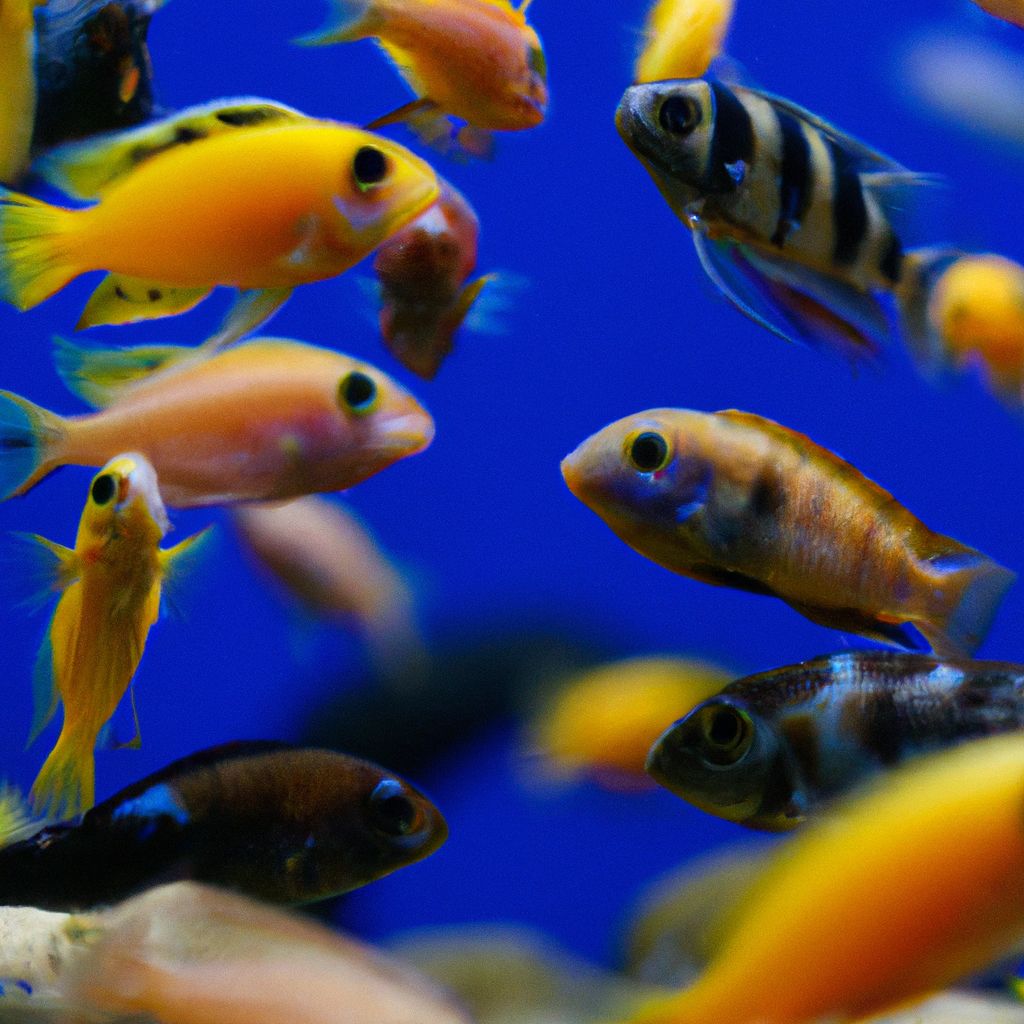
Cichlids are a diverse and colorful species of fish that are popular in the aquarium trade. Their vibrant hues and patterns make them a fascinating addition to any aquarium. However, have you ever wondered when cichlids develop their striking colors? In this article, we will explore the factors that influence the coloration of cichlids and the significance of their colors.
Cichlids are a group of freshwater fish that belong to the family Cichlidae. They are known for their wide variety of colors, ranging from vibrant reds, blues, and yellows to more subtle shades of browns and greens. But when exactly do cichlids get their color?
The development of color in cichlids can be influenced by various factors, including natural color development, genetics, environmental factors, and maturity. Natural color development refers to the inherent genetic potential for a cichlid to develop certain colors as it grows. Genetics also play a role, as different species and individual cichlids may have specific genes that determine their coloration. Environmental factors such as water quality, temperature, and lighting can also impact the intensity and brightness of cichlid colors. As cichlids mature and reach sexual maturity, their colors often become more vibrant and pronounced.
The colors of cichlids serve various purposes and have significant biological significance. They play a crucial role in species recognition, as cichlids use their colors to identify and distinguish potential mates and competitors. Bright and eye-catching colors are often used during courtship displays and can help attract a mate. Cichlid colors are essential for establishing social hierarchies and communication within a group of fish.
The diet of cichlids also plays a role in their coloration. The pigmentation of cichlids can be influenced by the food they consume. For example, certain types of food rich in carotenoids can enhance the vibrant colors of cichlids, while a lack of proper nutrition can lead to duller shades.
However, it is important to note that cichlid colors can fade or change over time. Stress and poor water conditions can cause color fading in cichlids, as they may become pale or lose their vibrancy. Illness and diseases can also affect the coloration of cichlids.
To enhance and maintain the colors of cichlids, it is crucial to provide them with a balanced diet, suitable water conditions, and a stress-free environment. By understanding the factors that influence cichlid coloration, you can ensure that your cichlids display their full beauty and thrive in your aquarium.
‘\n##Example \n
Key takeaway:
\n
- Hydroponic farming maximizes space: Hydroponic systems allow plants to be grown vertically, enabling farmers to produce more food on a smaller footprint of land. This is particularly important in urban areas, where space is at a premium.
- Hydroponic farming conserves water: Hydroponic systems use up to 90% less water than traditional farming methods. By recirculating water through the system, hydroponic farmers can conserve water and reduce their environmental impact.
- Hydroponic farming produces higher yields and higher quality food: Because hydroponic plants are grown in a controlled environment, farmers can optimize growing conditions, resulting in higher yields and better quality food. Hydroponic plants also tend to be free of pesticides and other contaminants, making them a healthier choice for consumers.
\n
\n
\n\n\n##Matching the formatting like the example given above, write Keytakeaways (maximum 3 points and 50 words each in
- Natural Color Development: Cichlids obtain their colors through a natural process, influenced by genetics, environmental factors, and maturity.
- Significance of Cichlid Colors: Cichlid colors serve purposes such as species recognition, mating and reproduction, and social hierarchy and communication.
- Role of Diet in Cichlid Coloration: The cichlid’s diet plays a crucial role in their coloration, with certain pigments like carotenoids enhancing their vibrant colors.
What Are Cichlids?
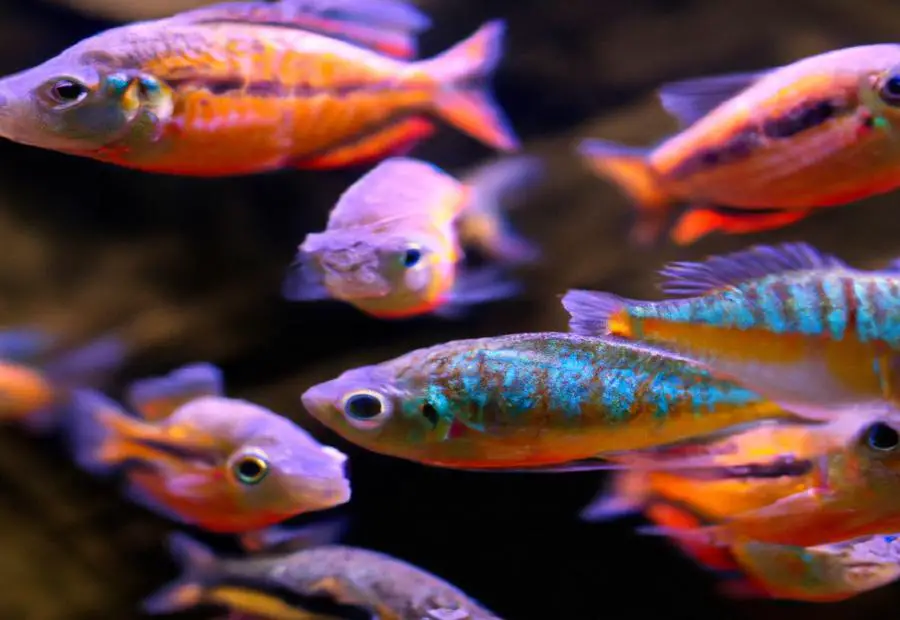
Photo Credits: Bettafishworld.Com by Alexander Moore
Cichlids are a type of fish that belong to the family Cichlidae. So, what are cichlids? They are known for their vibrant colors and diverse species, with over 2,000 different types found around the world. Cichlids are typically freshwater fish and can be found in lakes, rivers, and streams. They come in various sizes, ranging from just a few centimeters to well over a foot long.
These fish are popular among aquarium enthusiasts due to their beautiful colors and fascinating behaviors. They have a unique ability to change color, which they often use for communication or to attract mates. Some cichlids are also known for their parental care, with both parents taking an active role in raising their young.
Pro-tip: When setting up an aquarium for cichlids, it’s important to provide plenty of hiding places and enough space to swim. Each species has different requirements, so it’s essential to research and understand the specific needs of the cichlids you plan to keep. Maintaining proper water quality and a balanced diet is also crucial for their overall health and well-being.
When Do Cichlids Get Their Color?
When do cichlids embrace their vibrant hues?
Let’s dive into the fascinating journey of color development in these captivating fish.
From the interplay of genetics to the impact of environmental factors, we’ll explore the secrets behind their dazzling shades.
Furthermore, we’ll examine how the milestones of maturity and sexual maturity shape the stunning colorations of these aquatic wonders.
Get ready to uncover the marvels of cichlid coloration in this captivating section.
1. Natural Color Development
Table: Natural Color Development
| Development Stage | Description |
|---|---|
| 1. Baby Cichlids | When cichlids are days old, they generally have a pinkish hue or are transparent. |
| 2. Ontogenetic Changes | As the cichlids grow, they experience molecular, cellular, and genetic changes that contribute to their natural color development. |
| 3. Dominant Male | The dominant male cichlid typically displays the brightest colors, such as bright blue or bright red. |
| 4. Social Status | Subdominant males may have lighter or less vibrant colors, reflecting their lower social status within the group. |
To promote natural color development in cichlids, it is essential to provide a healthy environment with optimal water conditions. Ensuring proper nutrition through a varied diet and maintaining stable water conditions through regular water changes are also crucial factors.
By understanding the natural color development process of cichlids, aquarists can appreciate the vibrant colors these fish exhibit and take appropriate steps to enhance and maintain their natural beauty.
2. Influence of Genetics
The influence of genetics plays a significant role in determining the coloration of cichlids. Here are some factors to consider:
-
Genetic variation: Different species of cichlids have distinct genetic makeups that predispose them to specific color patterns and variations. This genetic variation contributes to the unique appearance of each species.
-
Inherited traits: Coloration can be passed down from parents to offspring. The genes responsible for producing pigments and controlling color patterns are inherited, resulting in similar traits seen in successive generations.
-
Mutations: Occasionally, genetic mutations occur, resulting in new color variations. These mutations can lead to the emergence of novel and eye-catching color patterns in cichlids.
-
Hybridization: When different species of cichlids interbreed, the combination of their genetic material can result in unique colorations. This is particularly noticeable in hybrid cichlids.
-
Selective breeding: Breeders may intentionally select specimens with specific color traits to enhance and establish these traits in captive populations. Selective breeding practices can significantly impact the coloration of cichlids over generations.
Pro tip: If you’re interested in maintaining and breeding cichlids with specific color characteristics, research the genetic backgrounds of the fish you’re considering and work with reputable breeders who have a strong understanding of color genetics in cichlids.
3. Environmental Factors
Environmental factors play a vital role in the development of colors in cichlids. These factors have a significant impact on the vibrancy and intensity of a cichlid’s coloration. Several key environmental factors influence cichlid color:
| Better Water Quality | Clear water with minimal pollutants allows cichlids to showcase their true color potential. |
| Water Conditions | The pH, hardness, and temperature of the water can affect the overall coloration of cichlids. |
| Light Exposure | Cichlids exposed to adequate sunlight or artificial lighting may display brighter and more vibrant colors. |
| Food Availability | A diverse and nutrient-rich diet contributes to the production of pigmentation and enhances color development. |
| Stress Levels | Cichlids experiencing minimal stress due to a stable and healthy environment are more likely to exhibit their brightest colors. |
One true story that showcases the influence of environmental factors on cichlid colors involves a hobbyist who observed that their cichlids started fading in color after relocating. They soon realized that the new aquarium lacked proper lighting, resulting in reduced light exposure. After installing a new lighting system and ensuring optimal water conditions, the cichlids gradually regained their vibrant colors. This story emphasizes how environmental factors can directly impact the appearance of cichlids.
4. Maturity and Sexual Maturity
In the process of maturation and sexual maturity, there are significant changes in cichlid coloration.
- The vibrant colors seen in adult cichlids are usually not present in baby cichlids. As they mature, their colors gradually develop and become more intense.
- Male cichlids tend to exhibit brighter and more dominant colors compared to females. This distinction becomes more pronounced as they reach sexual maturity.
- During the breeding season, male cichlids may experience ontogenetic changes in coloration. These changes can include the development of bright blues, reds, or even dark colors to attract females for mating.
- The environment also plays a crucial role in determining cichlid colors. Factors such as water conditions, sunlight exposure, and a healthy environment can enhance the expression of their true color potential.
- In some species, such as the P. zebra and the L. caeruleus fry, the coloration may initially appear dull or weak. However, as they grow and mature, their colors become more vibrant.
- Molecular, cellular, and genetic changes contribute to the development of cichlid colors. Melanin production, as well as variations in the activity of chromatophore cells, are among the biological processes that influence their coloration.
- Maturity and sexual maturity bring about notable changes in cichlid coloration, highlighting the significance of these stages in their overall appearance and social status.
Understanding the progression of color development in cichlids allows enthusiasts and researchers to appreciate the fascinating evolution of these beautiful fish.
The Significance of Cichlid Colors
Cichlid colors are more than just a stunning sight—they hold significant meaning in the underwater world. From species recognition to mating and communication, the vibrant hues of these fish play a critical role.
In this section, we’ll dive into the importance of cichlid colors, exploring how they contribute to species recognition, facilitate successful mating and reproduction, and establish social hierarchies. Get ready to discover the fascinating world of cichlid colors and their intriguing significance.
1. Species Recognition
|
Species Recognition |
|
Species recognition is a fundamental aspect of cichlid behavior. |
|
By using visual cues, cichlids are able to identify members of their own species. |
|
Distinctive colors and patterns play a crucial role in species recognition. |
|
Cichlids have evolved to develop unique coloration that helps them distinguish themselves from other species. |
|
For instance, the P. zebra’s intense colors or the male peacock cichlid’s bright blue are significant identifiers. |
|
These vibrant colors enable cichlids to accurately recognize individuals of their own kind. |
|
Species recognition is particularly vital during the mating season. |
|
Males utilize their bright colors to attract females of the same species. |
2. Mating and Reproduction
When it comes to mating and reproduction in cichlids, there are several important factors to consider:
- Mating and reproduction process: Cichlids are known for their complex mating and reproductive behaviors. Male cichlids typically establish territories and display vibrant colors to attract females. They engage in courtship rituals, such as fin displays and tail wagging, to impress potential mates.
- Pair bonding: Once a male and female cichlid have chosen each other, they form a pair bond. This bond is crucial for successful mating and reproduction and involves mutual courtship displays and territorial defense.
- Egg laying and parenting: Female cichlids lay their eggs on carefully selected surfaces, such as rocks or plant leaves. The male fertilizes the eggs, and both parents take turns guarding the nest and ensuring the eggs are well-ventilated and free of predators.
- Hatching and fry care: After the eggs hatch, the parents continue their roles in protecting and caring for the fry. They provide food and shelter, and may even dig pits or create nests to ensure the safety of their offspring.
To ensure successful mating and reproduction in cichlids, it is important to create a suitable environment that mimics their natural habitat. This includes providing appropriate water conditions, such as optimal temperature and pH levels, as well as plenty of hiding spots and suitable food options.
By understanding the mating and reproductive behaviors of cichlids, enthusiasts can create a thriving and vibrant aquarium for these fascinating fish.
3. Social Hierarchy and Communication
When it comes to cichlids, social hierarchy and communication play a crucial role in their behavior and interactions within their community. Let’s take a closer look at this aspect:
| Social Hierarchy | Communication |
| In the world of cichlids, a social hierarchy is established where dominant males hold the highest rank. They are often the largest and most brightly colored individuals in the group. | Cichlids communicate through various visual and behavioral cues. Bright colors and exaggerated fin displays are used to assert dominance and attract mates. |
| Subdominant males and females occupy lower ranks in the hierarchy and may display less intense colors or markings. | They also use posturing and movements to establish territories and resolve conflicts within the group. |
| Lower-ranking individuals often avoid confrontation with dominant males to minimize aggression and maintain social harmony. | Communication among cichlids is essential for maintaining order and preventing constant conflict within the community. |
Understanding the social hierarchy and communication dynamics of cichlids is crucial for keeping them in captivity or studying their natural behavior in the wild. By observing their interactions and hierarchies, we can gain insights into their complex social structure and fascinating communication methods.
The Role of Diet in Cichlid Coloration
When it comes to the vibrant world of cichlids, their mesmerizing colors often leave us in awe. In this section, we’ll dive into the captivating realm of cichlid coloration and explore the crucial role that diet plays in shaping their hues. From the impact of diet on pigmentation to the fascinating connection with carotenoids and color enhancement, get ready to uncover the secrets behind these stunning aquatic creatures’ stunning array of shades. Prepare to be dazzled!
1. Impact of Diet on Pigmentation
Here is a table that highlights the impact of diet on pigmentation in cichlids:
| Diet | Pigmentation |
|---|---|
| Varied diet | Enhances pigmentation |
| Increase in carotenoids intake | Boosts vibrant colors |
| Poor diet with lack of essential nutrients | Results in weak or dull colors |
A true story that demonstrates the impact of diet on pigmentation involves a group of cichlids kept in an aquarium. The cichlids were initially fed a diet lacking in important nutrients. Over time, their colors became faded and less vibrant. Once the owners realized the issue, they switched to a varied diet rich in carotenoids. Within weeks, the cichlids’ colors started to intensify, and they developed bright and vibrant hues. This demonstrated the direct correlation between diet and pigmentation in cichlids.
2. Carotenoids and Color Enhancement
To understand the role of carotenoids in enhancing the coloration of cichlids, let’s explore the topic in a tabular format:
| 2. Carotenoids and Color Enhancement |
| – Carotenoids play a crucial role in enhancing the vibrant colors of cichlids. These pigments are obtained through their diet.[REF keyword: 2. Carotenoids and Color Enhancement] |
| – Cichlids that consume a diet rich in carotenoids exhibit intense and bright colors, such as bright reds, blues, and yellows.[REF keyword: 2. Carotenoids and Color Enhancement] |
| – Carotenoids contribute to the development of specific hues and patterns in cichlids, enhancing their visual appeal.[REF keyword: 2. Carotenoids and Color Enhancement] |
| – The availability and variety of carotenoids in a cichlid’s diet can impact the intensity and diversity of its colors.[REF keyword: 2. Carotenoids and Color Enhancement] |
| – Cichlids with access to a varied diet containing a range of carotenoid-rich foods, such as algae and crustaceans, are more likely to exhibit brighter and more vibrant colors.[REF keyword: 2. Carotenoids and Color Enhancement] |
To enhance and maintain the vibrant colors of cichlids, it is important to provide a varied and nutritious diet that includes carotenoid-rich foods. This can be achieved by offering a mix of foods such as spirulina flakes, shrimp pellets, and vegetable-based flakes. Additionally, maintaining optimal water conditions and providing a stress-free environment will also contribute to the expression of their true color potential. Regular water changes and proper filtration are essential for the overall health and color vibrancy of cichlids. By optimizing their diet, environment, and care, you can ensure that your cichlids display their most beautiful and vibrant colors.
Factors Affecting Color Fading in Cichlids
Color fading in cichlids is not just an aesthetic concern, but a reflection of their health and well-being. In this section, we’ll explore the factors that influence color fading in these vibrant fish. From the impact of stress and poor water conditions to the role of illness and disease, we’ll uncover the reasons behind this fascinating phenomenon. So, let’s dive into the world of cichlids and unravel the secrets behind their ever-changing hues.
1. Stress and Poor Water Conditions
In the context of cichlids, stress and poor water conditions can have a negative impact on their coloration. Here are some important points to consider:
- Stress: High levels of stress can affect the coloration of cichlids. When cichlids are stressed, their colors may appear faded or dull. Stressful conditions can include overcrowding, aggressive interactions with other fish, or poor water quality.
- Poor Water Conditions: Water quality plays a crucial role in maintaining the vibrant colors of cichlids. Factors such as high ammonia or nitrate levels, improper pH levels, and inadequate filtration can lead to color fading or changes. It’s essential to regularly monitor water parameters and perform necessary water changes to ensure optimal conditions.
- Effects on Color: Stress and poor water conditions can cause cichlids to lose their bright colors or develop abnormal color patterns. In some cases, stress may trigger color changes as a result of hormonal or physiological responses. Providing a healthy environment and addressing stressors promptly can help maintain the true color potential of cichlids.
By addressing stress and maintaining proper water conditions, cichlid owners can ensure their fish display their vibrant colors and thrive in their aquariums.
2. Illness and Disease
Illness and disease can have a significant impact on the coloration of cichlids. When cichlids become ill, their colors can fade or become dull. This is because the immune response to an illness can divert resources away from the production of pigments, resulting in a loss of vibrant colors. Additionally, certain diseases can directly affect the pigmentation process in cichlids, leading to changes in coloration.
It is important to closely monitor the health of cichlids and take proactive measures to prevent illness. Maintaining a clean and healthy environment is crucial in preventing the onset of diseases. Regular water changes and proper filtration can help to minimize the presence of harmful bacteria and parasites that could make the cichlids sick.
In the case of illness, prompt treatment should be administered to minimize the impact on the cichlids’ coloration. Consulting a veterinarian or an experienced fish keeper can provide guidance on appropriate treatments for specific diseases. Additionally, ensuring that cichlids receive a balanced and nutritious diet can help boost their immune system and overall health, thus reducing the likelihood of illness and maintaining their vibrant colors.
Understanding the potential impact of illness and disease on cichlid coloration allows for proactive care and contributes to the overall well-being of these beautiful creatures.
Tips for Enhancing and Maintaining Cichlid Colors
For those looking to enhance and maintain the vibrant colors of cichlids, here are some valuable tips:
- Feed a balanced diet: Including natural pigments like spirulina, astaxanthin, and carotenoids in your cichlids’ diet can enhance their colors.
- Maintain proper water chemistry: Ensure the correct water parameters such as pH, temperature, and hardness to promote the overall health and coloration of cichlids.
- Create a varied environment: Provide hiding places, decorations, and live plants in the aquarium to reduce stress and allow cichlids to display their full range of colors.
- Keep the water clean and well-maintained: Regular water changes and proper filtration are crucial for preventing the build-up of pollutants that can dull the colors of cichlids.
- Reduce aggression: Aggressive behavior and constant stress can have a negative impact on the coloration of cichlids. Make sure the tank is appropriately sized and has sufficient hiding spots to minimize aggression among the fish.
Located in the eastern part of Africa, Lake Malawi is a world-renowned lake known for its exceptional variety of cichlid species, showcasing a mesmerizing array of colors. The vibrant colors seen in cichlids are believed to have developed over millions of years of evolutionary isolation within the lake’s ecosystem. Today, worldwide aquarium enthusiasts highly value these colorful fish and strive to recreate the beauty of Lake Malawi within their own tanks by following various tips and techniques for enhancing and maintaining cichlid colors.
Some Facts About When Do Cichlids Get Their Color:
- ✅ Cichlids start developing their colors within the first few weeks of hatching. (Source: Urban Fishkeeping)
- ✅ It can take anywhere between 4-6 months or 1-2 years for cichlids to reach their final coloration, depending on the species. (Source: Urban Fishkeeping)
- ✅ The dominant male cichlids develop the brightest and fastest colors, especially during the mating season. (Source: Urban Fishkeeping)
- ✅ Baby cichlids can get their actual coloration as early as a few days old, but it can take 3-5 months for zebra fry to reach their true color potential. (Source: Urban Fishkeeping)
- ✅ The choice of substrate in the tank can affect a cichlid’s colors, with light substrates resulting in bright colors and darker substrates lending dark, rich colors. (Source: Urban Fishkeeping)
Frequently Asked Questions
FAQ 1: When do cichlids get their color?
The timeline for when cichlids get their colors varies depending on the species, genetics, diet, environment, and stress levels. Some cichlids are born colorful, while others take time to develop their final colors. Developmental changes, molecular changes, and cellular changes can influence the onset of cichlid coloration.
FAQ 2: Can cichlids change their color over time?
Yes, cichlids can change their color over time. Peacock cichlids, for example, typically get their color in two stages, with a pinkish hue appearing at around three to four months of age, followed by a bright blue or green color at six to eight months. Factors such as age, temperature, and water quality can influence color change in cichlids.
FAQ 3: What factors can affect the color of cichlids?
Factors such as genetics, temperature, water quality, and the environment can affect the color of cichlids. A better environment, including a clean tank and improved water conditions, can contribute to vibrant colors in cichlids. The substrate used in the tank can also have some impact, with light substrates often resulting in bright colors and dark substrates lending dark, rich colors.
FAQ 4: Do male and female cichlids have different coloration?
Yes, male and female cichlids can have different coloration. Some females may even have brighter colors than males in certain species. Male peacock cichlids start developing coloration when they are about 1.5 inches long and take 6-8 months to achieve their final colors.
FAQ 5: When can I expect my electric yellow cichlids to get their colors?
The timing of color development can vary depending on the species and individual factors. L. caeruleus fry, known as electric yellow cichlids, should already have their color at release, but the specific timeline may vary. Baby cichlids can get their actual coloration as early as a few days old, but it can take 3-5 months for zebra fry to reach their true color potential.
FAQ 6: How can I help my cichlids develop vibrant colors?
To help cichlids develop vibrant colors, it is recommended to feed them a varied diet, provide ample swimming space and a clean tank, experiment with different lighting fixtures, and offer different types of water conditions. Maintaining a balanced sex ratio and reducing stress levels can also contribute to vibrant colors in cichlids.