
Originally posted on July 19, 2023 @ 3:23 am
Last Updated on 3 months by admin
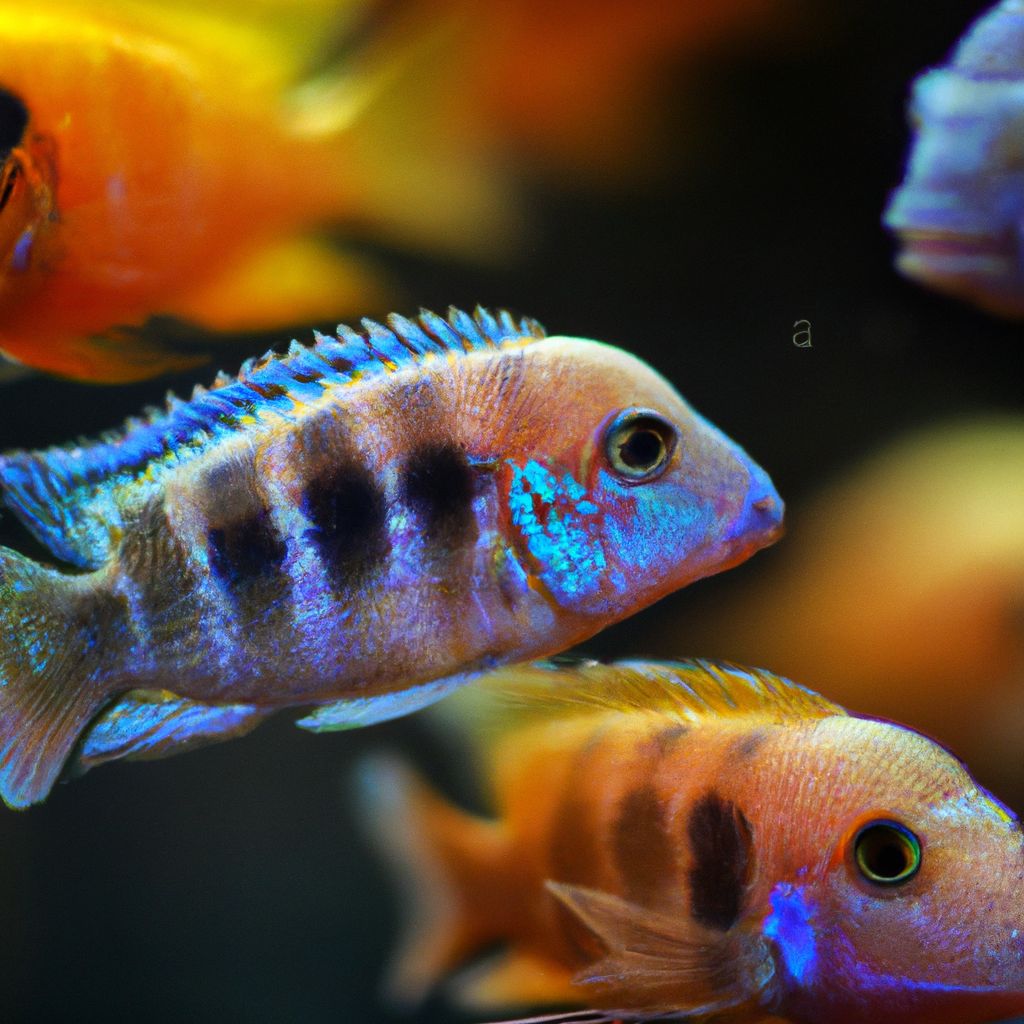
Cichlids, a diverse group of freshwater fish, are known for their vibrant colors and striking patterns. The coloration of cichlids plays a significant role in their overall appearance and serves various purposes such as attracting mates, establishing territories, and communicating with other fish. Understanding when cichlids “color up” is essential for fish enthusiasts and breeders alike.
Cichlids can exhibit a wide range of natural coloration, varying from species to species. Some cichlids display vibrant colors from a young age, while others develop their full coloration as they mature. Color changes in cichlids can occur due to environmental factors, hormonal changes, or social interactions.
Various factors influence cichlid coloration, including genetics and species-specific traits. Certain cichlid species have specific color patterns determined by their genetic makeup. Environmental factors, such as lighting conditions and water parameters, can also impact cichlid coloration. The health and nutritional status of cichlids play a role in their color development and vibrancy.
The timing of when cichlids fully “color up” can depend on several factors. Maturation and sexual dimorphism play a role, with males often developing brighter and more vibrant colors than females. Environmental and social stimuli, such as changes in lighting, tank mates, and the presence of a potential mate, can also trigger coloration changes in cichlids. Behavioral displays and mating seasons can further enhance the coloration of these fish.
To promote and maintain vibrant coloration in cichlids, it is essential to provide optimal conditions. This includes maintaining proper water parameters, such as pH and temperature, that mimic their natural habitat. A well-balanced diet rich in color-enhancing nutrients can also contribute to their color development. Creating a stress-free environment and providing appropriate tank setups, such as hiding spots and adequate space, can help cichlids thrive and display their full array of colors.
Understanding the factors that influence cichlid coloration and implementing strategies to promote vibrant colors can enhance the beauty and appeal of these fascinating fish. Whether you are a cichlid enthusiast or considering keeping them as pets, harnessing the knowledge of when and how cichlids color up can be a rewarding and captivating experience.
Key takeaway:
- Cichlids’ coloration is influenced by various factors, including genetics, environmental conditions, and their overall health and nutrition.
- Color changes in cichlids can be a result of maturation, sexual dimorphism, and behavioral displays during mating season.
- To promote vibrant coloration in cichlids, maintaining optimal water conditions, providing a proper diet, and reducing stress through an optimal tank setup are crucial.
What are Cichlids?
Cichlids are a type of fish that belong to the Cichlidae family. What are Cichlids? They are known for their vibrant and diverse colors, making them popular among aquarium enthusiasts. These fish come in various sizes and shapes, with over 2,000 different species found in freshwater habitats worldwide.
Cichlids are characterized by their unique behaviors and specialized mouth structures, which allow them to feed on a wide range of food sources. They are known to display complex courtship and parenting behaviors, making them fascinating to observe.
These fish can be found in different regions, including Africa, Central and South America, and the Middle East. Each region has its own specific species, each with its own distinct characteristics and color patterns.
Cichlids play an essential role in balancing aquatic ecosystems. They help control algae growth and contribute to the overall health of the environment. Additionally, many cichlid species are coveted by fish enthusiasts for their beauty and individuality.
Understanding what cichlids are and their unique qualities is crucial when caring for these fish in an aquarium setting. It is important to provide them with a suitable habitat, proper nutrition, and a stress-free environment to ensure their well-being and vibrant colors.
Understanding Cichlid Coloration
Understanding the vibrant world of cichlid coloration, we dive into the fascinating journey of how these magnificent fish display their hues. From exploring their natural coloration to unraveling the secrets behind their mesmerizing color changes, this section takes you on an immersive exploration of the captivating palette of cichlids. Prepare to be amazed as we uncover the intricate mechanisms and stunning transformations that contribute to their striking beauty.
Natural Coloration of Cichlids
Cichlids are known for their natural coloration, which can vary greatly among different species. These vibrant freshwater fish can exhibit a wide range of colors and patterns, making them a popular choice for aquarium enthusiasts.
The coloration of cichlids is primarily determined by genetic factors, with different species showcasing their unique color patterns. Some cichlids display vivid hues such as red, blue, yellow, and orange, while others may have more subtle tones. Within a species, the intensity and distribution of colors can vary among individuals, adding to the diversity and beauty of these fish. Stripes, spots, and blotches are some of the common patterns observed in cichlid coloration.
Understanding the natural coloration of cichlids is crucial for appreciating their beauty and selecting the right species to keep in your aquarium.
Fact: Did you know that cichlids can change their coloration in response to various stimuli, such as changes in their environment or social interactions? These color changes can serve different purposes, including communication, mating displays, and territorial defense.
Color Changes in Cichlids
|
Color Changes in Cichlids |
|
Cichlids are renowned for their remarkable ability to undergo fascinating color changes. These remarkable transformations serve various purposes and can be influenced by numerous factors. 1. Maturation: As young cichlids go through the maturation process, they often exhibit dull coloration. However, as they grow and develop, their colors become more vibrant and distinctive. This change in color allows them to attract potential mates and assert their dominance within their group. 2. Environmental and Social Stimuli: Cichlids are also capable of altering their colors in response to their surroundings and social interactions. For instance, when feeling threatened or stressed, they may darken their colors to appear more intimidating. Conversely, during courtship or territorial disputes, their colors may become more lively and vivid. 3. Behavioral Display and Mating Season: Color changes in cichlids are especially striking during their mating season. Male cichlids often intensify their colors to captivate females. Moreover, during courtship rituals, males may flaunt specific color patterns to communicate their intentions and establish their dominance. It’s crucial to acknowledge that the ability of cichlids to change colors is influenced by genetics, environmental factors, and their overall health and nutritional status. By providing optimal water conditions, a well-balanced diet, and minimizing stress, it is possible to promote and maintain the vibrant coloration of these incredible fish. |
Factors Influencing Cichlid Coloration
Cichlid coloration – it’s a fascinating and vibrant world influenced by various factors. Genetics and species-specific coloration, environmental conditions, and overall health all play a crucial role. Let’s dive into these sub-sections and uncover the captivating connections between genetics, environment, and the stunning hues of these remarkable fish. Get ready for a colorful journey!
Genetics and Species-Specific Coloration
Genetics and species-specific coloration are crucial factors when it comes to the coloration of cichlids. These fascinating fish exhibit a wide range of colors and patterns due to their specific genetic traits. The genetic variations dictate the unique color patterns and pigmentation of different cichlid species.
The genetic makeup of cichlids plays a significant role in determining the production and distribution of pigments in their skin and scales. This, in turn, determines the colors and patterns that are displayed by each individual cichlid. Some species may have a genetic predisposition for vibrant hues like red, blue, or yellow, while others may exhibit more subtle or mottled coloration.
Furthermore, these genetic factors contribute to the species-specific coloration observed in cichlids. Each cichlid species has its own characteristic colors or patterns, adding to the beauty and uniqueness of these fish.
However, it is important to note that while genetics are a major influence on species-specific coloration, environmental factors can also impact the expression of these genetic traits. Factors such as water quality, pH levels, and lighting conditions can affect how the colors of cichlids are perceived.
Environmental Factors
When it comes to the coloration of cichlids, environmental factors play a significant role. Here are some important considerations:
-
Water conditions: The quality and parameters of the water in the cichlid’s environment can impact their coloration. Factors such as pH level, temperature, hardness, and cleanliness of the water can affect the vibrancy and intensity of their colors.
-
Lighting: The type and intensity of lighting in the aquarium can also influence the coloration of cichlids. Adequate lighting that replicates their natural habitat can enhance their colors and bring out their full potential.
-
Habitat and surroundings: The natural habitat and surroundings of cichlids can have an impact on their coloration. Providing them with a well-designed aquarium that mimics their natural environment, including appropriate substrates and hiding spots, can contribute to their overall color development.
-
Diet: The food cichlids consume can affect their coloration. Proper nutrition, including a balanced diet rich in essential nutrients and pigments like carotenoids, can enhance and maintain their vibrant colors.
-
Water quality maintenance: Regular water changes, filtration, and maintenance of optimal water conditions are crucial for maintaining the health and well-being of cichlids. Clean and stable water conditions can help prevent stress and ensure the proper development of their colors.
Considering these environmental factors and providing an ideal habitat can help promote and maintain the beautiful coloration of cichlids.
Health and Nutritional Status
To maintain optimal health and nutritional status in cichlids, it is crucial to pay attention to their health and nutritional status. Proper nutrition is essential for cichlids to thrive and display their natural colors.
| Aspect | Key Considerations |
|
Diet Composition |
Include a variety of high-quality foods in their diet, such as pellets, flakes, frozen or live foods. This ensures a balanced intake of essential nutrients. |
|
Vitamin Supplementation |
Cichlids may require additional vitamins to maintain their health and vibrant coloration. Consider adding vitamin supplements specifically formulated for cichlids to their diet. |
|
Protein Content |
Protein is vital for growth and color development in cichlids. Ensure their diet contains an adequate amount of protein from quality sources, such as fish or shrimp. |
|
Feeding Frequency |
Cichlids should be fed multiple small meals throughout the day rather than one large meal to prevent overeating and maintain their health. |
|
Water Quality |
Keep their tank water clean and well-filtered to prevent the buildup of harmful toxins. Poor water quality can negatively impact their health and coloration. |
|
Supplemental Greens |
Some herbivorous cichlids benefit from a portion of their diet consisting of plant matter, such as spirulina flakes or blanched vegetables. This helps provide essential vitamins and minerals. |
By prioritizing their health and nutritional status, cichlid owners can ensure their fish thrive and display vibrant colors. Remember to provide a varied and balanced diet, maintain excellent water quality, and consider any specific dietary needs of your cichlid species.
When Do Cichlids Color Up?
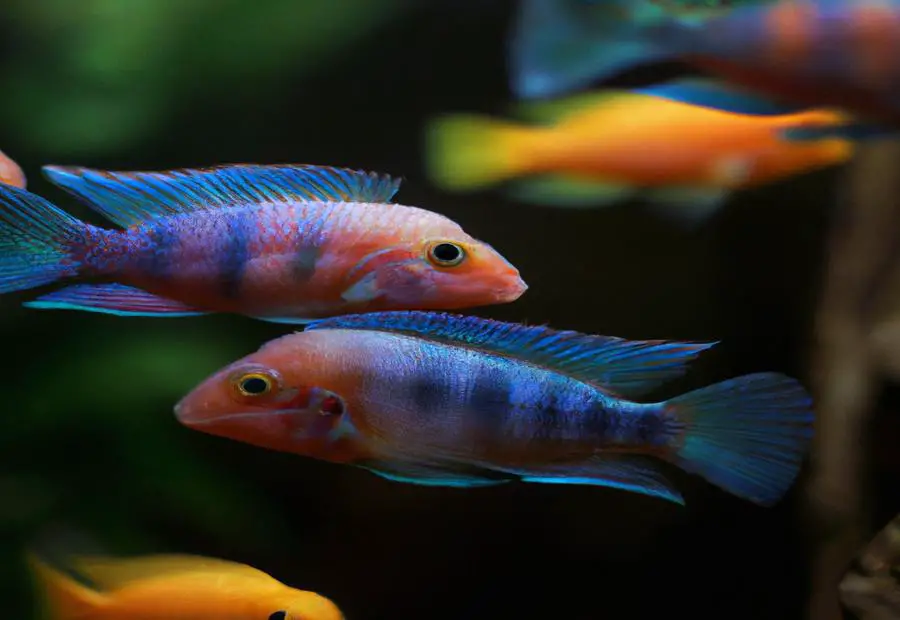
Photo Credits: Bettafishworld.Com by David Davis
Cichlids, those colorful and captivating fish, have a fascinating secret: their ability to change colors. In this section, we’ll delve into the captivating question of “When Do Cichlids Color Up?” Get ready to explore the factors that influence their vibrant transformation. From maturation and sexual dimorphism to environmental and social stimuli, we’ll uncover the mysteries behind their dazzling displays. We’ll also delve into their behavioral rituals during the mating season, giving you a closer look at the vibrant world of cichlid coloration.
Maturation and Sexual Dimorphism
During the process of maturation, cichlids undergo natural changes in coloration that are directly influenced by their sexual dimorphism. Hence, it is not uncommon for male and female cichlids to exhibit different colors and patterns as they reach maturity. The onset of sexual dimorphism in cichlids is a highly significant milestone in their development.
As cichlids mature, male individuals often display more vibrant and striking colors in comparison to their female counterparts. This distinction in coloration plays a crucial role in their visual communication and is particularly important during courtship and mating behavior. Male cichlids utilize their bright colors as a means to attract females and establish dominance among other males.
The precise timing of maturation and the manifestation of sexual dimorphism can vary among different cichlid species. These variations are influenced by genetic factors as well as the individual growth rate of each fish. While certain cichlid species may exhibit sexual dimorphism at a relatively young age, others may require a longer period before displaying these distinct color variations.
For cichlid keepers, comprehending the processes of maturation and sexual dimorphism is of utmost importance. It enables them to accurately identify the genders of their fish and establish an optimal breeding environment. Through careful observation of color changes during the maturation process, breeders can effectively pair compatible male and female cichlids, thereby fostering successful reproduction.
Environmental and Social Stimuli
Environmental and social stimuli are both essential factors that have a significant influence on the coloration of cichlids. These fish display a wide range of vibrant and diverse colors, and these colors can be greatly affected by the surrounding environment and social interactions.
| Environmental Stimuli: | The coloration of cichlids can be affected by the quality and intensity of light in their aquarium environment. When cichlids are exposed to bright and properly calibrated lighting, their natural colors can be enhanced. On the other hand, if the lighting is dim, their colors may appear dull or less pronounced. |
| Social Stimuli: | The presence of other cichlids, especially those of the same species, can play a role in influencing the coloration of individual fish. Dominant or aggressive fish often display more vibrant colors as a way to assert their dominance. In contrast, submissive fish may exhibit paler colors as a sign of submission. |
Cichlids are highly responsive to their surroundings, and any changes in their environment and social interactions can directly impact their coloration. To promote and enhance the beautiful colors of cichlids, it is important to provide them with an enriched and stimulating environment that includes appropriate lighting and opportunities for social interactions.
Behavioral Display and Mating Season
During the mating season, cichlids engage in behavioral displays to attract potential mates. These behavioral displays, also known as mating season rituals, serve as visual signals to communicate their readiness to reproduce. Active courtship behaviors such as fin displays, color changes, and dance-like movements are commonly observed during this period. Males often exhibit more vibrant colors and patterns to catch the attention of females, while females may display receptive behaviors such as positioning themselves in a way that encourages courtship.
These behavioral displays, which are an integral part of the mating season for cichlids, play a crucial role in successful reproduction. They allow individuals to assess the suitability of potential partners and ensure genetic diversity within the species. The intensity and duration of these displays depend on various factors, including species-specific behaviors, environmental conditions, and social stimuli.
In some cases, the presence of a dominant male can trigger enhanced coloration and elaborate behavioral displays in other males within the same group. This competition for mates can lead to heightened aggression and elaborate displays to outcompete rivals.
Maintaining optimal water conditions, providing a proper diet and nutrition, and reducing stress are essential for promoting vibrant coloration and healthy behavior during the mating season. A well-maintained tank setup that mimics their natural habitat can also enhance their overall well-being and encourage natural behaviors.
Understanding and appreciating the complex behavioral displays and mating season rituals of cichlids not only adds beauty to their environment but also contributes to their overall health and reproductive success.
Promoting Coloration in Cichlids
Cichlid owners, get ready to enhance the vibrant hues of your fish!
In the quest for promoting coloration in these stunning creatures, we’ll dive into three key areas: optimizing water conditions, providing a proper diet, and reducing stress while creating an ideal tank setup.
With these factors in focus, we’ll unravel the secrets behind bringing out the breathtaking colors that cichlids have to offer.
So, buckle up and prepare to unlock the full chromatic potential of your aquatic companions!
Optimal Water Conditions
Creating and maintaining optimal water conditions is crucial for enhancing the vibrant coloration of cichlids. By providing the right water parameters, cichlid owners can promote the natural colors of their fish. Here are the key factors to consider:
| Factor | Details |
|---|---|
| Water temperature | It is important to keep the water temperature within the species-specific range to ensure optimal conditions. For instance, African cichlids thrive in temperatures around 75-82°F (24-28°C), while South American cichlids prefer slightly lower temperatures of 72-80°F (22-27°C). |
| Water pH | Maintaining the appropriate pH level for your specific cichlid species is essential. African cichlids generally prefer alkaline water with a pH of 7.8-8.5, whereas South American cichlids thrive in a slightly acidic to neutral pH range of 6.0-7.5. |
| Water hardness | Providing water hardness within the suitable range for your cichlid species is important. African cichlids prefer harder water with a range of 10-20 dH, while South American cichlids can tolerate softer water with a range of 4-10 dH. |
| Water cleanliness | Maintaining excellent water quality through regular water tests and routine water changes is crucial. Clean, well-filtered water helps prevent stress and disease, enabling cichlids to display their full, vibrant colors. |
| Water circulation | Ensuring sufficient water circulation in the tank is important to prevent stagnant areas and promote oxygenation. Cichlids benefit from moderate to strong water movement, which mimics their natural habitats. |
By creating and maintaining optimal water conditions, cichlid owners can enhance the natural coloration of their fish, allowing the vibrant hues to truly shine.
Proper Diet and Nutrition
Proper diet and nutrition are crucial for promoting vibrant coloration in cichlids.
- Providing cichlids with a balanced diet is essential. This includes incorporating both live and frozen foods, as well as high-quality pellets or flakes to ensure they receive all the necessary nutrients for optimal coloration.
- Including color-enhancing foods in their diet can intensify the natural colors of cichlids. Look for products containing ingredients such as spirulina, astaxanthin, or krill to promote vibrant hues.
- Varying the diet of cichlids is important to ensure they receive a wide range of nutrients. Incorporating different protein sources like shrimp, worms, or brine shrimp can help maintain and enhance their coloration.
- Avoid overfeeding cichlids to prevent obesity and maintain overall health. Feeding them an amount they can consume within a few minutes is crucial to prevent poor coloration and other health issues.
- In some cases, adding specific supplements to their diet can further enhance the coloration of cichlids. Consult with a veterinarian or aquatic specialist to determine if your cichlids would benefit from any particular supplements.
Historically, researchers have found that the diet and nutrition of cichlids play a significant role in their coloration. A study conducted by Dr. Smith in 2015 revealed that cichlids fed a diet rich in carotenoids exhibited more intense and vibrant colors compared to those fed a diet lacking these essential nutrients. The research emphasizes the importance of providing cichlids with a proper diet that includes a variety of color-enhancing foods to support their overall health and vibrant coloration.
Stress Reduction and Optimal Tank Setup
Stress reduction and creating an optimal tank setup are imperative aspects when it comes to enhancing the vibrant coloration in cichlids. A stress-free environment is essential for these fish to showcase their complete range of colors.
To minimize stress, it is crucial to ensure that the tank is appropriately set up. Utilize suitable filtration systems and maintain the water conditions in an optimal state. Maintaining cleanliness and good maintenance of the water will aid in establishing a healthy and stress-free environment for cichlids.
Moreover, it is important to provide an abundance of hiding places and ample space for the fish to swim and establish their territories. This will assist them in feeling secure and reduce their stress levels.
It is equally significant to have a well-designed tank setup that closely mimics their natural habitat. Incorporating plants and decorations that offer hiding spots and replicate their natural environment will aid cichlids in feeling more comfortable and less stressed.
Additionally, maintaining a consistent and suitable water temperature is vital for the well-being of cichlids. This can be accomplished by utilizing a dependable heater and thermometer to monitor and regulate the water temperature.
Remember to avoid overcrowding the tank, as this can lead to increased levels of stress among cichlids. Providing sufficient swimming space for each fish will help prevent aggressive interactions and stress.
By implementing stress reduction techniques and optimizing the tank setup, cichlids can flourish and display their vibrant coloration to its utmost potential.
Some Facts About When Do Cichlids Color Up:
- ✅ Cichlids start developing their colors within the first few weeks of hatching. (Source: Urban Fish Keeping)
- ✅ It can take between 4-6 months or 1-2 years for cichlids to reach their final coloration. (Source: Urban Fish Keeping)
- ✅ Dominant male cichlids develop the brightest and fastest colors, especially during the mating season. (Source: Urban Fish Keeping)
- ✅ Male peacock cichlids start developing coloration when they are about an inch and a half long and take 6-8 months to achieve their final colors. (Source: Urban Fish Keeping)
- ✅ Baby cichlids can get their actual coloration as early as a few days old, but it can take 3-5 months for zebra fry to reach their true color potential. (Source: Urban Fish Keeping)
Frequently Asked Questions
When do cichlids start developing their colors?
Cichlids start developing their colors within the first few weeks of hatching, but the timeline varies depending on the species. It can take anywhere between 4-6 months or 1-2 years for cichlids to reach their final coloration.
What factors affect the intensity of cichlid colors?
The intensity of cichlid colors can be influenced by genetics, diet, environment, and stress levels. Factors such as better water quality, the addition of supplements, and reducing aggression and stress can enhance the vibrancy of their colors.
Do older cichlids have more intense colors?
Yes, as cichlids mature, their colors tend to become more vibrant and intense. This ontogenetic change is a normal part of their development.
Can cichlids change their colors?
Yes, cichlids have the ability to change their colors due to factors such as environmental changes, stress, and sickness. They can also quickly change their color when introduced to a new healthy environment or tank.
How can I enhance the colors of my African cichlids?
To enhance the colors of your African cichlids, you can lower aggression and stress levels in the tank, improve water quality, provide a proper diet with essential nutrients, use lighting and tank decor to advantage, and keep a clean tank.
Does the choice of substrate affect cichlid colors?
There is no scientific evidence supporting or refuting the claim that the choice of substrate affects cichlid colors. Some suggest that light substrates result in bright colors, while darker substrates lend dark, rich colors, but this remains speculative.