Originally posted on July 19, 2023 @ 3:16 am
Last Updated on 1 month by admin

Cichlids are a diverse group of freshwater fish known for their vibrant colors and unique behavior. Shrimp, on the other hand, are small crustaceans commonly found in both freshwater and saltwater habitats. The question arises: can cichlids eat shrimp?
Let’s explore the dynamics between these two organisms to understand their compatibility and the potential risks involved.
Cichlids have a diverse natural diet that typically includes a variety of small invertebrates, insects, and plants. While they are primarily carnivorous, their specific preferences can vary among different species.
When it comes to the compatibility of cichlids and shrimp, it is vital to consider the behavior and temperament of the cichlids. Some species of cichlids are known to be aggressive, territorial, and may prey on smaller aquatic creatures, including shrimp. However, not all cichlids exhibit the same behavior, and some may peacefully coexist with shrimp.
To better understand cichlids’ behavior towards shrimp, it is essential to consider their natural instincts and environmental cues. While some cichlids may show no interest in shrimp, others may see them as a potential food source or territorial threat.
Feeding cichlids shrimp can have both benefits and risks. Shrimp are a natural food source for many cichlid species, providing essential nutrients and promoting a balanced diet. However, there is a potential risk that the cichlids may attack and harm or even consume the shrimp, which can disrupt the tank’s balance and lead to the loss of shrimp population.
If you decide not to feed your cichlids shrimp, there are alternative food options available. These include high-quality pellets and flakes specifically formulated for cichlids, as well as fresh and frozen foods such as bloodworms, brine shrimp, and daphnia. incorporating vegetables and supplements can further enhance their nutritional intake.
When feeding cichlids, it is essential to consider their specific dietary needs and feeding habits. Providing a varied diet, feeding in appropriate portions, and maintaining a regular feeding schedule are vital for their growth, health, and overall well-being.
Key takeaway:
- Cichlids and shrimp can coexist: While cichlids may naturally eat shrimp in the wild, they can be kept together in a tank under specific conditions and careful monitoring.
- Natural diet influences compatibility: Considering the natural diet of cichlids and understanding their behavior towards shrimp is crucial for determining whether they can eat shrimp without aggression or harm.
- Consider nutritional benefits and potential risks: Feeding cichlids shrimp can provide them with valuable nutrition, but there are also potential risks such as aggression, stress, and introducing diseases. Constant observation and moderation are essential.
Can Cichlids Eat Shrimp?
Curious if cichlids can gobble up shrimp? Let’s dive into the question of whether Cichlids can eat shrimp, exploring their natural diet, the compatibility between these underwater creatures, and the intriguing behavior of Cichlids towards their shrimpy neighbors. Get ready to uncover some fascinating insights into this aquatic culinary dilemma!
1. Natural Diet of Cichlids
The natural diet of cichlids consists of a variety of food sources that provide them with the necessary nutrients for their growth and health. Cichlids are known to feed on a wide range of insects, including small flies, ants, and beetles. Additionally, they also consume crustaceans such as small shrimp, crayfish, and other freshwater crustaceans. Many cichlid species have adapted to eat plant matter, including algae, aquatic plants, and leaves. Some predatory cichlid species feed on smaller fish, including fry and other aquatic organisms. Furthermore, cichlids scavenge for organic matter and detritus found in the water, which provides them with additional nutrients.
The natural diet of cichlids is diverse and varied, allowing them to obtain a balanced mix of proteins, carbohydrates, and essential nutrients. Their feeding habits may vary depending on their species and habitat, but overall, cichlids are opportunistic feeders, adapting to their environment and consuming a wide range of food sources.
2. Compatibility of Cichlids and Shrimp
2. Compatibility of Cichlids and Shrimp
- Coexistence of cichlids and shrimp is possible in the same aquarium.
- Choosing cichlid and shrimp species that are compatible with each other is crucial.
- Peaceful cichlid species like angelfish, dwarf cichlids, and certain Apistogramma species are more likely to be compatible with shrimp.
- Aggressive cichlid species, especially larger South American cichlids or African cichlids, may see shrimp as prey and exhibit chasing or eating behavior.
When assessing cichlid and shrimp compatibility, it is important to:
- Conduct thorough research on the specific cichlid and shrimp species you intend to keep to determine compatibility.
- Provide ample hiding spots for shrimp to escape from cichlids.
- Monitor cichlid behavior closely upon introducing shrimp to the aquarium.
- Maintain the aquarium properly with appropriate water conditions and sufficient food for both cichlids and shrimp.
Remember that each fish exhibits unique temperament and behavior, so observing their interactions is essential. It is advisable to introduce shrimp to an established cichlid tank rather than adding cichlids to an existing shrimp setup.
3. Cichlids’ Behavior Towards Shrimp
The behavior of cichlids towards shrimp can vary depending on factors such as the species of cichlid and the size of the shrimp. Here are some key points to consider:
- Cichlids may view shrimp as prey due to their natural instinct to hunt and feed on smaller creatures.
- Smaller species of shrimp are more likely to be targeted by cichlids compared to larger ones.
- In some cases, cichlids may show aggression towards shrimp, chasing and nipping at them.
- Depending on the setup of the tank, cichlids may even attempt to eat the shrimp, resulting in their elimination.
- It is important to provide hiding places for the shrimp to minimize stress and chances of predation by cichlids.
- Some cichlids are more peaceful and may coexist with shrimp without any issues.
- Monitoring the behavior of both cichlids and shrimp is crucial to ensure the well-being and safety of the shrimp in the tank.
- If you wish to keep cichlids and shrimp together, it is advisable to choose larger or more peaceful cichlid species and ensure sufficient space and hiding spots for the shrimp.
- Always observe the interaction between cichlids and shrimp closely and be prepared to separate them if aggression or stress becomes a concern.
By following these guidelines, you can have a better understanding of how cichlids’ behavior typically behaves towards shrimp and make informed decisions regarding their coexistence in the same tank.
Benefits and Risks of Feeding Cichlids Shrimp
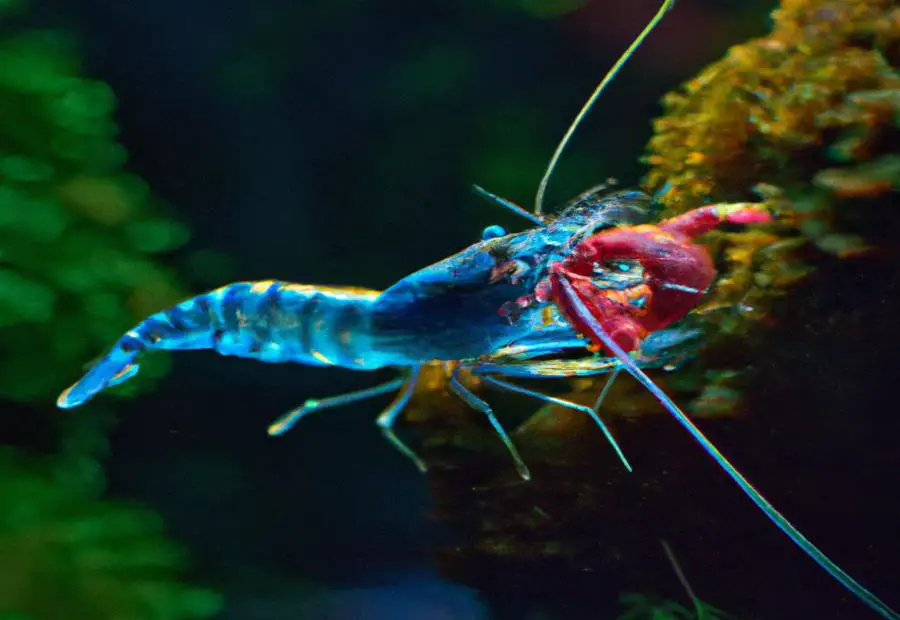
Photo Credits: Bettafishworld.Com by Justin Walker
Feeding cichlids shrimp can have both benefits and risks. Let’s dive into the fascinating world of the nutritional benefits that shrimp can provide to cichlids. Additionally, we will also explore the potential risks associated with introducing shrimp into their diet. So, whether you’re a cichlid enthusiast or simply interested in the intricacies of aquatic nutrition, this section will shed light on the pros and cons of feeding cichlids shrimp.
1. Nutritional Benefits
The nutritional benefits of feeding cichlids a diet that includes shrimp are numerous and essential for their overall health and well-being. Shrimp provide a variety of important nutrients that support cichlids’ well-being and promote their overall health.
- Protein-rich: Shrimp are a great source of high-quality protein, which is crucial for muscle development, growth, and repair in cichlids. Including shrimp in their diet ensures that they receive an ample amount of protein to support their muscle health.
- Omega-3 fatty acids: Shrimp contain omega-3 fatty acids, which are essential for maintaining a cichlid’s immune system, promoting brain health, and reducing inflammation. By incorporating shrimp into their diet, cichlids can benefit from these important fatty acids.
- Essential vitamins and minerals: Shrimp are packed with vitamins and minerals that are vital for cichlids, such as vitamin B12, vitamin D, calcium, and iodine. These nutrients play a crucial role in supporting cichlids’ overall health and well-being.
- Improved coloration: The natural pigments present in shrimp, such as astaxanthin, can enhance the vibrant colors of cichlids, making them more visually appealing. Including shrimp in their diet can help cichlids achieve and maintain their beautiful coloration.
- Enhanced digestive health: Shrimp contribute to a cichlid’s digestive health due to their fiber content and the presence of chitin, which helps maintain a healthy gut and prevent digestive issues. By including shrimp in their diet, cichlids can enjoy improved digestive health.
Including shrimp in a cichlid’s diet can significantly boost their overall nutritional intake and promote their overall well-being. It is important to ensure that the shrimp offered to cichlids are properly cleaned and free from any additives or preservatives to maximize the nutritional benefits they provide.
2. Potential Risks
- Potential Risks:
Cichlids are known to be territorial and aggressive towards other tank inhabitants, including shrimp. There is a risk that cichlids may view shrimp as competition for space or food, leading to attacks and potential harm to the shrimp.
- Potential Risks:
Cichlids are generally larger and more powerful than shrimp. This size difference poses a risk to the shrimp, as they may be seen as easy prey by the cichlids. The cichlids might try to catch and eat the shrimp, resulting in injury or even death.
- Potential Risks:
Cichlids have a voracious appetite and can be quite opportunistic when it comes to finding food. Shrimp, especially smaller or slower-moving species, may become targets for the cichlids’ feeding behavior. There is a risk that the shrimp will be seen as food and consumed by the cichlids.
- Potential Risks:
The presence of cichlids in the same tank as shrimp can induce stress in the shrimp. Cichlids’ aggressive nature, constant movement, and territorial behavior can create an environment of stress for the shrimp. Prolonged exposure to stress can weaken the shrimp’s immune system, making them more susceptible to illness or disease.
- Potential Risks:
Not all cichlid species are compatible with shrimp. Some cichlids, especially those known to be more aggressive, are better off kept in a tank without shrimp to ensure the well-being and survival of the shrimp population.
Potential Risks: It is important to carefully consider these potential risks before deciding to keep cichlids and shrimp together in the same tank.
Alternative Foods for Cichlids
Photo Credits: Bettafishworld.Com by Jerry Moore
Looking to diversify your cichlid’s diet? Discover the world of alternative foods for cichlids. We’ll delve into the benefits and options within each sub-section – pellets and flakes, fresh and frozen foods, and vegetables and supplements. Get ready to explore a variety of tasty and nutritious options that will keep your cichlids satisfied and thriving. Let’s dive into the fascinating realm of alternative foods for these vibrant aquatic creatures!
1. Pellets and Flakes
The sub-topic “1. Pellets and Flakes” provides information on the different types of food options available for feeding cichlids. Here is a table highlighting the characteristics of pellets and flakes as food choices for cichlids:
| Food Type | Description | Benefits |
|---|---|---|
| Pellets | Small, compressed food particles |
|
| Flakes | Thin, light, and loose food particles |
|
When feeding cichlids, it is important to consider their specific dietary requirements and preferences. Pellets and flakes are widely available and popular food options for cichlids due to their convenience, nutrition, and suitability for different species. Regular feeding of pellets and flakes, supplemented with other foods, ensures a well-rounded diet for cichlids, promoting their overall health and vitality.
2. Fresh and Frozen Foods
“Fresh and frozen foods are an essential part of a cichlid’s diet as they provide the necessary nutrients and variety for their meals. It is crucial to ensure that the fresh and frozen foods being fed to cichlids are safe and nutritious for them.”
“To assist in determining suitable foods for feeding cichlids, the following table provides information on various fresh and frozen options: “
| Fresh and Frozen Foods | Nutritional Benefits | Recommended Feeding Frequency |
| Brine Shrimp | High in protein and fatty acids | 2-3 times a week |
| Krill | Rich in protein and omega-3 fatty acids | 2-3 times a week |
| Mysis Shrimp | Excellent source of protein and essential amino acids | 2-3 times a week |
| Daphnia | Contains high levels of vitamins and minerals | 2-3 times a week |
| Bloodworms | Rich in protein and essential nutrients | 1-2 times a week |
“Feeding cichlids fresh and frozen foods is beneficial as it replicates their natural diet and provides the necessary nutrients for their growth and overall health. It is important to diversify their diet by incorporating different types of foods to ensure a well-balanced and complete nutritional intake.”
“By incorporating fresh and frozen foods into a cichlid’s diet, you can enhance their well-being and promote their natural behavior. Remember to exclusively feed them foods that are safe and suitable for their species.”
3. Vegetables and Supplements
Vegetables and supplements are vital for the diet of cichlids. They play an essential role in providing necessary nutrients and promoting overall health and well-being. To feed cichlids, you can refer to the following table that showcases the different types of vegetables and supplements that are beneficial:
| Types of Vegetables | Nutritional Benefits |
| Spinach | Rich in vitamins A, C, and K, as well as iron and calcium. |
| Zucchini | Contains vitamins C and E, potassium, and fiber. |
| Peas | Good source of vitamins B, C, and K, as well as fiber and protein. |
| Kale | High in vitamins A, C, and K, and minerals like potassium and calcium. |
Supplements also play a beneficial role in promoting the health of cichlids. Here are a few examples:
| Types of Supplements | Nutritional Benefits |
| Spirulina | Rich in protein, vitamins, and minerals. Enhances coloration and boosts immune system. |
| Garlic | Acts as a natural antibacterial and antiparasitic agent, promoting overall health. |
| Omega-3 Fatty Acids | Supports proper brain function and enhances overall vitality. |
When feeding vegetables, it is essential to blanch or steam them slightly to ensure easy digestion. Additionally, it is important to avoid excessive use of supplements and maintain a balanced diet to ensure the well-being of your cichlids.
Tips for Feeding Cichlids
Photo Credits: Bettafishworld.Com by Stephen Clark
When it comes to feeding cichlids, here are some useful tips:
- Ensure a varied diet: Cichlids are omnivorous and thrive on a combination of plant matter and protein. Offer them a mixture of high-quality pellets, flakes, as well as frozen or live foods like brine shrimp or bloodworms.
- Opt for small frequent meals: Cichlids have a fast metabolism and benefit from being fed multiple times a day in small portions. This helps simulate their natural feeding behavior and ensures they obtain the necessary nutrients.
- Be cautious of overfeeding: Overfeeding can result in obesity and health issues. Only provide an amount that they can consume within a few minutes and remove any uneaten food. Adjust the quantity based on their appetite and growth rate.
- Add vegetables as supplements: Introduce some vegetable matter into their diet, such as blanched spinach or peas. This contributes essential fiber and nutrients.
- Consider feeding techniques: Take into account that some cichlids are surface feeders, while others prefer to forage at the bottom. Use sinking pellets or attach the food to a clip for bottom-dwelling species.
- Observe their behavior: Pay attention to how your cichlids respond to different foods. Some may show a preference for specific types or brands, and others may have dietary restrictions due to health conditions.
- Seek expert advice: Consult experienced cichlid owners or a veterinarian specializing in fish care for further guidance on feeding your particular cichlid species.
Some Facts About Do Cichlids Eat Shrimp:
- ✅ Cichlids are freshwater fish known for their bright colors, active personalities, and voracious appetites. (Source: Aquariumia)
- ✅ In the wild, cichlids consume a variety of organisms including small crustaceans like shrimp. (Source: Aquariumia)
- ✅ It is recommended to offer cichlids a varied diet that includes frozen and live foods such as brine shrimp, bloodworms, and other small invertebrates. (Source: Aquariumia)
- ✅ Some cichlid species are more likely to accept prepared foods than others, so it is important to research the species before offering them any food items. (Source: Aquariumia)
- ✅ Cichlids can eat ghost shrimp, but they should also be provided with a balanced diet of other foods such as algae wafers, brine shrimp, and vegetable matter. (Source: Aquariumia)
Frequently Asked Questions
Can cichlids eat shrimp?
Yes, cichlids can eat shrimp. Some species, like cichlids from Lake Malawi, are omnivores or carnivores and may consume shrimp as part of their regular diet routine. However, it is important to offer shrimp in moderation and not as the primary food source. Feeding shrimp to herbivorous cichlids can lead to health problems.
Are Amano shrimp safe with cichlids?
No, Amano shrimp are not safe to keep with cichlids. African cichlids are aggressive and territorial, and they may bully or eat the shrimp. It is best to choose shrimp-safe cichlids or other suitable tank mates when considering keeping them together.
Will cichlids eat ghost shrimp?
Yes, cichlids can eat ghost shrimp. Some species of cichlids will readily consume ghost shrimp as part of their diet. However, it is important to avoid overfeeding, as it can lead to health problems in cichlids.
Can cichlids eat commercially-prepared flake or pellet foods?
Yes, cichlids can eat commercially-prepared flake or pellet foods. These foods can be given to cichlids as a regular part of their diet. However, it is recommended to supplement their diet with live or frozen foods, such as brine shrimp or bloodworms, for added nutrition and enrichment.
Do cichlids require meat-based foods for their bright colors?
No, cichlids do not require meat-based foods solely for their bright colors. While shrimp can enhance the colors of African cichlids, it is important to provide them with a balanced diet of various foods, including treats. Feeding meat-based foods to herbivorous cichlids can lead to health problems such as bloating and Malawi bloat.
Can cichlids be kept together with freshwater shrimp?
Yes, cichlids can be kept with freshwater shrimp, but it is important to introduce them slowly and provide plenty of hiding places for both species. It is also crucial to choose shrimp and cichlid species that are compatible in terms of size and water parameters to ensure their coexistence in the aquarium.