
Last Updated on 3 years by admin

Gouramis, a type of freshwater fish known for their vibrant colors and unique fin structures, are popular among aquarium enthusiasts. However, a concern that arises when keeping gouramis is their tendency to exhibit fin nipping behavior.
Before diving into the topic of fin nipping, let’s have a brief introduction to gouramis and understand what fin nippers are.
Gouramis are a family of tropical freshwater fish native to Southeast Asia. They come in various species and sizes, known for their beautiful appearance and peaceful nature.
Fin nippers, on the other hand, are fish that have a natural inclination to nip or bite at the fins of other fish. This behavior can lead to torn or damaged fins, causing stress and potential health issues for the affected fish.
The question that arises is whether gouramis have a tendency to be fin nippers.
To answer that, we need to explore the characteristics of gouramis, their aggression levels, and the factors that influence fin nipping behavior in these fish. Understanding these factors will help us determine how to prevent and manage fin nipping in gouramis effectively.
Furthermore, it is crucial to recognize the signs and symptoms of fin nipping, as this will enable us to take prompt action to address the issue. We will also discuss preventive measures that can be taken to minimize the occurrence of fin nipping in gouramis.
Lastly, should fin nipping continue to be a problem, we will explore various strategies for managing this behavior. This includes identifying the aggressor, separating or rehoming aggressive individuals, and creating a stress-free environment with optimal water conditions.
By gaining a comprehensive understanding of gouramis, fin nipping tendencies, and implementing the appropriate measures, we can ensure the well-being and harmonious coexistence of these captivating fish in our aquariums.
1. Gouramis have a tendency to be fin nippers due to their aggressive nature and certain factors that influence their behavior.
2. Signs and symptoms of fin nipping include torn or shredded fins and stressed behavior in gouramis.
3. Preventing fin nipping in gouramis can be achieved by providing a proper tank setup, compatible tank mates, hiding places, and a balanced diet.
4. Managing fin nipping behavior in gouramis involves identifying the aggressor, separating or rehoming aggressive individuals, and improving water conditions to reduce stress.
What are Fin Nippers?
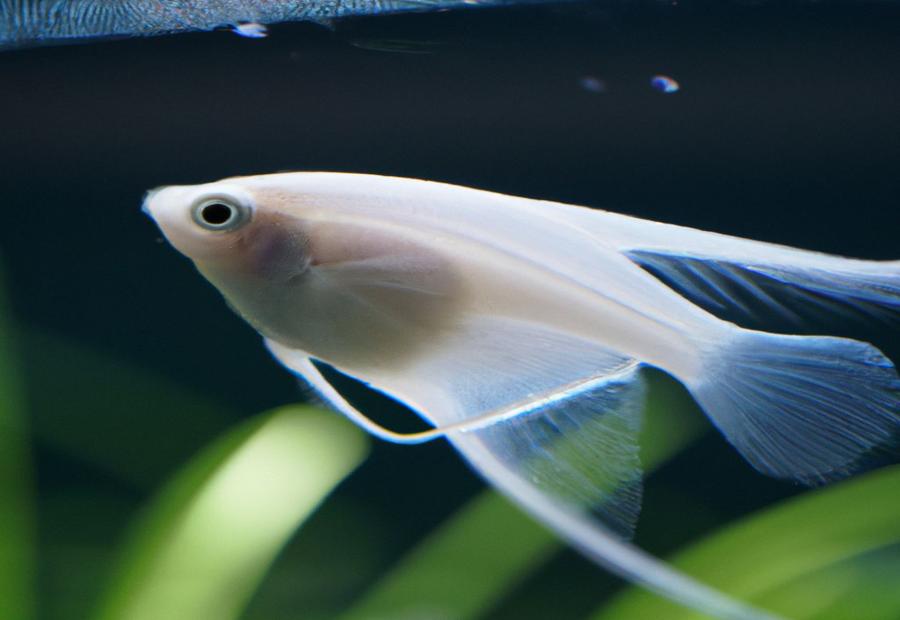
Photo Credits: Bettafishworld.Com by Daniel Thompson
Fin nippers are a type of fish that have the tendency to nip at the fins of other fish in the same aquarium. This behavior can be disruptive and potentially harmful to the other fish. Some common species that are known to be fin nippers include gouramis, tiger barbs, and certain types of cichlids.
To prevent fin nipping in your aquarium, it is crucial to choose fish that are compatible and less likely to engage in this behavior. Avoid stocking your tank with species known to be fin nippers or opt for fish with long flowing fins that are less likely to be targeted. Providing ample hiding places and visual barriers can also aid in reducing aggression and fin nipping.
If you observe any signs of fin nipping in your aquarium, such as torn or damaged fins, it is important to take action to prevent further harm to your fish. Separating the aggressive fish or providing them with their own space can help protect the other fish in the tank.
Remember, when selecting fish for your aquarium, it is essential to research their behavior and compatibility to ensure a peaceful and healthy environment for all the inhabitants.
Do Gouramis Have a Tendency to be Fin Nippers?
Are gouramis fin nippers? Let’s dive into their characteristics, aggression levels, and the factors that influence fin nipping in these fascinating fish. Discover the intriguing world of gouramis and explore why some may exhibit this tendency. Uncover the secrets behind their behavior and gain a deeper understanding of these magnificent creatures. Join us as we unravel the mystery of fin nipping in gouramis and bring light to this captivating topic.
Characteristics of Gouramis
The characteristics of gouramis can be summarized using the following table:
| Characteristic | Description |
|---|---|
| Size | Gouramis can vary in size, with the average adult size ranging from 2 to 4 inches. |
| Coloration | Gouramis exhibit vibrant colors, including shades of blue, red, orange, and yellow. |
| Shape | They have an elongated body shape with a pointed snout and extended dorsal fin. |
| Labyrinth Organ | Gouramis possess a unique labyrinth organ that allows them to breathe oxygen from the air, enabling them to survive in oxygen-depleted waters. |
| Behavior | These fish are generally peaceful but can display territorial aggression, especially during mating or when caring for their young. |
| Habitat | Gouramis are native to freshwater habitats in Southeast Asia, including rivers, lakes, and swamps. |
| Diet | They are omnivorous, feeding on a varied diet that includes small invertebrates, plants, and algae. |
| Compatibility | Gouramis can coexist with other peaceful fish species, but care should be taken to avoid housing them with aggressive or fin-nipping fish. |
Aggression Levels in Gouramis
When it comes to aggression levels in Gouramis, it is important to consider certain factors:
- Species Variation: Different species of Gouramis may have varying levels of aggression. For example, the Dwarf Gourami (Trichogaster lalius) is generally known to be more aggressive compared to the Pearl Gourami (Trichogaster leeri).
- Gender Differences: In some cases, male Gouramis tend to exhibit more aggressive behavior, especially during breeding periods. It is important to understand the natural behavior of each gender before introducing them into a tank.
- Territorial Nature: Gouramis can be territorial fish, especially when they are in smaller tanks or when there is limited space for them to establish their territories. Providing ample hiding places and creating a well-structured tank environment can help mitigate aggression.
- Mismatched Tank Mates: Aggression can also arise if Gouramis are housed with incompatible tank mates, such as fin nippers or highly territorial fish. It is crucial to research and choose tank mates that are peaceful and can coexist harmoniously with Gouramis.
- Environmental Factors: Poor water quality, overcrowding, and inadequate diet can contribute to increased stress levels in Gouramis, potentially triggering aggressive behaviors. Maintaining optimal water conditions and providing a nutritious diet are essential for minimizing aggression.
Understanding the aggression levels in Gouramis and taking appropriate measures can help create a peaceful and harmonious tank environment for these beautiful fish.
Factors that Influence Fin Nipping in Gouramis
There are several factors that can influence fin nipping behavior in gouramis. Understanding these factors is crucial in order to effectively prevent and manage this behavior.
1. Tank Size and Space: The size of the tank and the amount of space available can greatly impact the behavior of gouramis. In smaller tanks with limited swimming space, gouramis may become territorial and more prone to fin nipping.
2. Overcrowding: Having too many gouramis or other aggressive fish in the same tank can lead to increased aggression and fin nipping. Maintaining a proper fish-to-space ratio is important to minimize aggression.
3. Imbalanced Water Conditions: Poor water quality, improper pH levels, and inadequate filtration can stress gouramis, making them more likely to engage in fin nipping behavior. Keeping the water clean, well-maintained, and properly balanced is crucial.
4. Lack of Hiding Places: Gouramis naturally seek out hiding places to feel secure. Without suitable hiding spots in the tank, gouramis may become stressed and exhibit fin nipping behavior. Providing caves, plants, and other suitable hiding places can help alleviate this issue.
5. Mating and Breeding Behavior: During the mating and breeding season, gouramis can become more territorial and aggressive, leading to fin nipping. This behavior is natural, but if it becomes excessive or problematic, measures may need to be taken to manage it.
By considering these factors and implementing appropriate measures, such as providing adequate hiding places, ensuring proper water conditions, and maintaining a suitable tank setup, you can help reduce the likelihood of fin nipping in gouramis.
True story: I once had a pair of gouramis in a small tank without many hiding places. As they matured, their aggression escalated, and they started fin nipping each other. After adding more plants and caves to the tank, they had more spaces to claim as their own, and the fin nipping behavior significantly decreased. It is essential to create a suitable environment for gouramis to minimize aggression and promote their well-being.
Signs and Symptoms of Fin Nipping
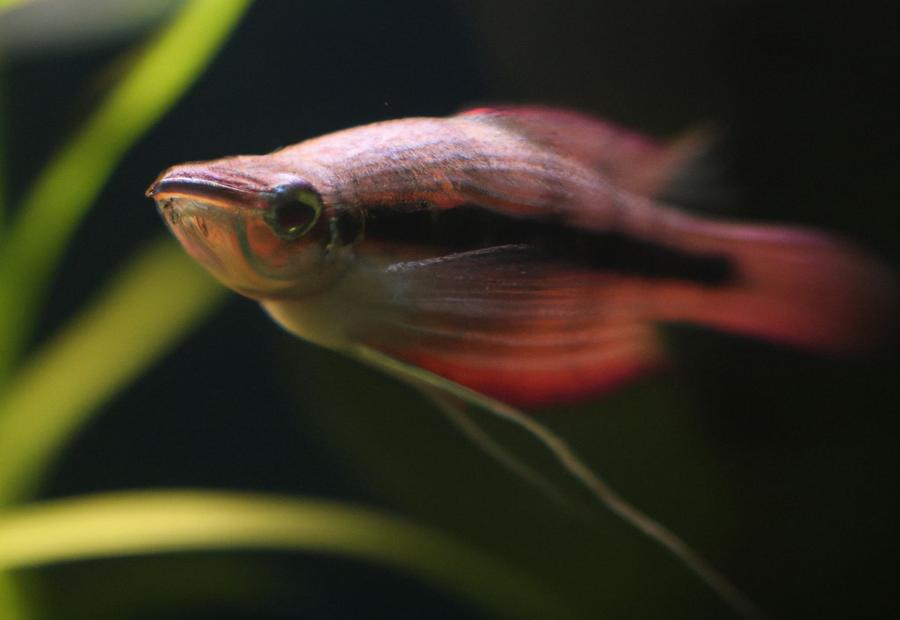
Photo Credits: Bettafishworld.Com by Timothy Jones
The signs and symptoms of fin nipping in fish can include:
- Torn or ragged fins: If you notice that your fish’s fins are frayed or have chunks missing, it could be a sign of fin nipping.
- Redness or inflammation: Fin nipping can cause irritation and inflammation, leading to redness around the affected areas.
- Behavioral changes: Fish that are experiencing fin nipping may become more stressed or agitated. They may also display hyperactive or erratic swimming patterns.
- Slower healing: Fish with fin nipping may have slower healing rates for their damaged fins.
- Fin deterioration: Prolonged fin nipping can result in the deterioration of the fins, causing them to become shorter or even disappear completely.
In the early 19th century, as the popularity of aquarium keeping grew, fin nipping in fish became a topic of concern among enthusiasts. It was observed that certain fish species, including some gourami varieties, were prone to fin nipping behavior. This observation led to further research and understanding of the causes and effects of fin nipping in fish populations.
Preventing Fin Nipping in Gouramis
Looking to maintain the stunning beauty of your gouramis? Dive into the section all about preventing fin nipping in these exquisite fish. Discover the essentials of a proper tank setup, find out which tank mates are compatible with gouramis, create an environment with adequate hiding places, and ensure a balanced diet for your aquatic companions. Get ready to keep those fins intact and create a harmonious habitat for your gouramis!
Proper Tank Setup and Environment
When it comes to ensuring a proper tank setup and environment for gouramis, there are several important factors to consider:
- Tank Size: Proper tank setup includes providing gouramis with a minimum tank size of 20 gallons. This ensures they have enough space to swim and establish territories.
- Filtration: Maintaining water quality and removing toxins or waste is crucial for a healthy environment. Therefore, it is essential to use a good quality filter and perform regular maintenance.
- Temperature: Gouramis thrive in water temperatures between 75-82°F (24-28°C). To maintain a consistent temperature, it is recommended to use a reliable aquarium heater.
- Water Parameters: Gouramis prefer slightly acidic to neutral water with a pH range of 6.5-7.5 and a water hardness of 5-12 dGH. Regularly monitoring water parameters is important for their well-being.
- Aquascape: Creating a suitable environment can be achieved by providing plenty of plants, rocks, and driftwood. This helps in creating hiding places and mimicking their natural habitat. Gouramis also appreciate the presence of floating plants to diffuse light and create shaded areas.
- Lighting: Gouramis prefer subdued lighting conditions. Using low to moderate-intensity lights or providing natural ambient lighting replicates their habitat and promotes their well-being.
- Compatibility: When choosing tank mates, it is important to consider compatibility. Avoid keeping gouramis with aggressive or fin-nipping fish. Instead, opt for peaceful community fish such as tetras, rasboras, and peaceful bottom dwellers.
Did you know? Gouramis belong to the family of labyrinth fish, known for their ability to breathe air from the water’s surface using a specialized organ called the labyrinth organ. This adaptation allows them to survive in oxygen-deprived waters.
Compatible Tank Mates for Gouramis
When it comes to choosing tank mates for gouramis, it is crucial to consider their compatibility and behavior to ensure a peaceful and harmonious aquarium environment. Here are some compatible tank mates for gouramis:
- 1. Tetras: Peaceful and schooling fish like neon tetras or cardinal tetras can coexist peacefully with gouramis. They add color and movement to the tank.
- 2. Guppies: These small and colorful fish are also peaceful and can be great companions for gouramis. They are active swimmers and can add vibrant colors to the aquarium.
- 3. Corydoras Catfish: These bottom-dwelling fish are peaceful and can help keep the tank clean by eating leftover food and debris. They are also compatible with gouramis.
- 4. Swordtails: These active and peaceful fish can coexist with gouramis. They come in various colors and have distinct sword-like tails.
- 5. Honey Gouramis: Keeping gouramis with their own kind, such as honey gouramis, can also be a good option. They tend to get along well and will usually display beautiful interactions.
Remember, when introducing new tank mates, observe their behavior closely to ensure they are compatible and peaceful. If aggression or fin nipping occurs, it might be necessary to reconsider the tank mate choices and make any necessary adjustments.
Providing Adequate Hiding Places
Providing adequate hiding places for gouramis is of utmost importance as it helps in reducing stress and aggression levels in the aquarium. Here are some crucial points to consider:
- Dense vegetation: Gouramis have a preference for aquariums that have an abundance of live plants, such as Java moss, hornwort, or Amazon swords. These plants not only offer hiding spots but also create a natural environment.
- Caves and decorations: The addition of caves or other types of decorations, such as driftwood or rocks, can provide excellent hiding places for gouramis. These spaces will make them feel safe and secure.
- Multiple levels: Gouramis are labyrinth fish, which means they breathe air from the water’s surface. By providing floating plants or ornaments near the surface, additional hiding places and resting spots can be created for them.
- Open spaces: While hiding spots are crucial, it’s also important to have open spaces in the aquarium to allow for swimming and exploration. Maintaining the right balance between hiding places and open areas will help gouramis feel secure and stimulated.
- Proper placement: Strategic positioning of hiding places throughout the aquarium ensures that gouramis can easily access them without feeling trapped or confined.
- Regular maintenance: It’s essential to regularly clean and maintain the hiding places to prevent the buildup of debris or algae. This will guarantee a healthy and clean environment for the gouramis.
Providing adequate hiding places for gouramis will create a stress-free environment, promote natural behavior, and contribute to their overall well-being in the aquarium.
Maintaining a Balanced Diet
Maintaining a balanced diet is crucial for the health and well-being of gouramis. Here are important steps to consider:
- Provide a variety of high-quality foods: Gouramis are omnivorous and require a mix of plant-based and protein-rich foods. Offer them a combination of flake or pellet food, freeze-dried or frozen foods like brine shrimp or bloodworms, and fresh vegetables like peas or lettuce.
- Feed appropriate portions: Overfeeding can lead to obesity and health issues. Feed your gouramis small amounts of food multiple times a day, only giving them what they can consume within a few minutes.
- Balance protein and vegetable intake: Ensure that the diet includes a balance of proteins and vegetables. This will provide the necessary nutrients for their growth and overall health.
- Supplement with live or frozen foods: Gouramis can benefit from live or frozen foods as they closely mimic their natural diet. Offer them live brine shrimp or daphnia, or frozen foods such as bloodworms or tubifex worms as occasional treats.
- Add variety to the diet: Introduce new foods regularly to prevent boredom and provide a range of nutrients. Include options like spirulina flakes, mosquito larvae, or small crustaceans to offer a diverse and nutritious diet.
- Observe feeding behavior: Pay attention to how the gouramis respond to different foods. If they show little interest or refuse to eat certain foods, adjust their diet accordingly.
Maintaining a balanced diet will help gouramis thrive and maintain optimal health.
Managing Fin Nipping Behavior in Gouramis
Is your gourami acting like a fin nipper? Don’t worry, in this section, we’ll uncover the secrets to managing fin nipping behavior in gouramis. Learn how to identify the aggressor, explore strategies for separating or rehoming aggressive individuals, and discover ways to reduce stress and improve water conditions. Get ready to restore harmony to your aquarium and keep those fins intact!
Identifying the Aggressor
To identify the aggressor in a tank of Gouramis and manage fin nipping behavior, it is crucial to observe their behavior and physical characteristics.
| Behavior | Physical Characteristics |
| Gouramis that constantly chase and nip at other fish are likely the aggressors. They may exhibit territorial behavior, especially during feeding times. | The aggressor may appear larger or more dominant compared to other Gouramis. They may display vibrant colors and fin erectness to assert their dominance. |
| Gouramis that engage in fin nipping may show signs of aggression by flaring their fins and making aggressive movements toward other fish. | Aggressive Gouramis may have torn or ragged fins, which can be a result of their own aggression or from defending themselves. |
| If you notice one Gourami consistently targeting another specific fish, it is likely the aggressor. They may chase or corner the other fish. | Observing the body language of Gouramis can help identify the aggressor. They may swim with an upright posture, indicating dominance. |
Identifying the aggressor in a tank of Gouramis is crucial for managing fin nipping behavior and ensuring the well-being of your other fish.
Separating or Rehoming Aggressive Individuals
When dealing with aggressive individuals in your gourami tank, it may be necessary to separate or rehome them to maintain a harmonious environment for the other fish. Here are some steps to take:
- Observe the aggressive individual closely and identify them as the main aggressor.
- Once identified, carefully catch the aggressive gourami using a net or container.
- Prepare a suitable separate tank or find a new home for the aggressive gourami.
- Ensure that the new tank or home meets the necessary requirements for gouramis, such as appropriate water conditions and space.
- Monitor the remaining fish in the original tank to ensure they no longer face aggression.
Separating or rehoming aggressive individuals is an effective way to prevent fin nipping and maintain a peaceful tank environment. It allows the other gouramis and tank mates to thrive without the stress and aggression caused by the aggressive individual.
Fun Fact: Gouramis are known for their beautiful colors and unique labyrinth organs, which allow them to breathe air directly from the surface.
Reducing Stress and Improving Water Conditions
One of the key factors in maintaining the health and well-being of gouramis is to focus on reducing stress and improving water conditions.
- To reduce stress, it is essential to maintain proper water temperature and pH levels for gouramis. They thrive in a temperature range of 75-82°F and a pH range of 6.0-7.5.
- Regular water changes play an important role in maintaining water quality. Aim to replace 10-20% of the tank water every week to eliminate accumulated toxins and pollutants.
- It is crucial to ensure adequate filtration in order to remove harmful substances and keep the water clean. Select a filter that is suitable for the size of your gourami tank.
- Providing sufficient hiding places in the aquarium, such as vegetation, caves, or other decorations, can give gouramis a sense of security.
- Overcrowding the tank should be avoided to minimize stress. Each gourami should have enough space to establish its territory and reduce competition.
- Regular monitoring of ammonia and nitrite levels is necessary as they can be harmful to gouramis. Ideally, ammonia levels should be zero and nitrite levels should be kept as low as possible.
- Prior to adding tap water to the tank, use a water conditioner to remove chlorine and chloramines. These additives can cause stress to gouramis.
- Proper oxygenation in the tank is crucial. Consider using an air stone or a water pump, especially in heavily planted tanks, to maintain adequate oxygen levels.
By following these guidelines and creating a stress-free environment with optimal water conditions, you can help gouramis thrive and reduce the risk of fin nipping behavior.
Some Facts About “Are Gouramis Fin Nippers”:
- ✅ Gouramis become territorial and aggressive when they reach sexual maturity and often nip at the fins of other fish to establish dominance. (Source: gouramie.com)
- ✅ Dwarf Gouramis are a popular choice for first fish tanks, but they have a reputation for being fin nippers. (Source: gouramie.com)
- ✅ Fin-nipping behavior in Dwarf Gouramis is most common during feeding time when other fish approach to eat. (Source: gouramie.com)
- ✅ Stress and poor water conditions can also cause fin-nipping behavior in Gouramis, so frequent water changes and a larger tank may be necessary. (Source: gouramie.com)
- ✅ Dwarf Gouramis should not be kept with other Dwarf Gouramis or Bettas as they will fight, but they are compatible with other peaceful species like Tetras. (Source: gouramie.com)
###Reference Data (Source: Our Team):
Source: https://www.fishforums.net/threads/gourami-fin-nippers.52108/
Helium_Junkie, a user on an online platform, joined on July 17, 2004. They have posted 512 messages and have a reaction score of 0. Their location is East Sussex. Helium_Junkie is experiencing a problem with their two gold gourami fish. These gourami are nipping the fins of other fish in the tank, resulting in slices missing from the tails of a polkadot molly and a dalmation Guppy. The user is seeking advice on the reasons behind this behavior and how to prevent it. They are also considering returning the gourami.
Source: https://www.reddit.com/r/fishkeeping/comments/hwjz8i/dwarf_gourami_fin_nipping/
– This is a subreddit for fish enthusiasts to discuss fish keeping and share tank setups.
– A person recently bought a dwarf gourami for their tank, assuming it would be peaceful as it was labeled a tropical community fish.
– The tank also has a rainbow shark, which does not bother the gourami, but the gourami constantly nips at the shark’s fins.
– There is another dwarf gourami in the tank, labeled as moderately aggressive, but the more aggressive one with red fins does not nip at it.
– The person is unsure why the gourami is nipping at the shark’s fins and wonders if there is another reason for its aggression.
– They wanted to add more tropical community fish to the tank but are concerned about the aggression displayed by the first gourami.
Source: https://www.fishlore.com/aquariumfishforum/threads/excessive-fin-nipping.6877/
– The person introduced 2 male dwarf gouramis into their 25-gallon show tank about 3 weeks ago.
– The tank has several hiding places but is not densely planted.
– Initially, one of the gouramis would hide behind the heater, but the transition seemed to go smoothly.
– Recently, the two gouramis have been chasing each other and swimming in circles.
– The person didn’t pay much attention to this behavior until they noticed that the “shy” gourami’s tail and pelvic fins had been damaged.
– Both fins have clean rips.
– The person is unsure if one of the gouramis is becoming overly territorial or if the behavior is harmless.
– They are seeking advice on how to address the situation.
Source: https://gouramie.com/are-dwarf-gouramis-fin-nippers/
– Dwarf Gouramis are a popular choice for first fish tanks, but they have a reputation for being fin nippers.
– They become territorial and aggressive when they reach sexual maturity and will often nip at the fins of other fish to establish dominance.
– This behavior is most common during feeding time when other fish come up to eat.
– Training can be done to correct this behavior, such as not feeding them for a few days and giving them food further away from other fish.
– Adding bog-wood decorations can provide hiding places for other fish.
– Stress and poor water conditions can also cause fin-nipping behavior, so frequent water changes and a larger tank may be necessary.
– Dwarf Gouramis prefer a peaceful community and are compatible with other peaceful species.
– They should not be kept with other Dwarf Gouramis or Bettas as they will fight.
– Tetras can be kept with Dwarf Gouramis, but some species may nip at the fins of bettas.
– Providing hiding places, adding more algae, performing water changes, and introducing other foods can help stop Dwarf Gouramis from nipping fins.
– It is important to be aware of potential issues before adding Dwarf Gouramis to an aquarium.
###Using the above Reference Data, write 5 well-known facts about “Are Gouramis Fin Nippers” in English Language. Match the HTML formatting of the example given above.
Some Facts About “Are Gouramis Fin Nippers”:
- ✅ Gouramis become territorial and aggressive when they reach sexual maturity and often nip at the fins of other fish to establish dominance. (Source: gouramie.com)
- ✅ Dwarf Gouramis are a popular choice for first fish tanks, but they have a reputation for being fin nippers. (Source: gouramie.com)
- ✅ Fin-nipping behavior in Dwarf Gouramis is most common during feeding time when other fish approach to eat. (Source: gouramie.com)
- ✅ Stress and poor water conditions can also cause fin-nipping behavior in Gouramis, so frequent water changes and a larger tank may be necessary. (Source: gouramie.com)
- ✅ Dwarf Gouramis should not be kept with other Dwarf Gouramis or Bettas as they will fight, but they are compatible with other peaceful species like Tetras. (Source: gouramie.com)
Frequently Asked Questions
Are gouramis fin nippers?
Yes, gouramis can be fin nippers, especially when they reach sexual maturity. This behavior is often observed during feeding time when they establish dominance. However, there are ways to address and correct this behavior.
What are the reasons behind gourami fin nipping?
Gouramis may nip at the fins of other fish due to territorial and aggressive behavior when they reach sexual maturity. Stress, poor water conditions, and overcrowded tanks can also contribute to fin-nipping behavior.
How can I prevent gouramis from fin nipping?
Preventing gouramis from fin nipping can be done by providing hiding places, ensuring a larger tank, performing frequent water changes, and avoiding overcrowding. Training techniques such as not feeding them for a few days and offering food further away from other fish can also help.
Can I keep gouramis with other fish in a community tank?
Gouramis can be kept with other peaceful species in a community tank. However, it is important to avoid keeping them with other gouramis or bettas as they may fight. Tetras can generally coexist with gouramis, but some species may nip at the fins of bettas.
What should I do if my gourami is nipping at other fish’s fins?
If your gourami is fin nipping, you can try adding more hiding places, performing water changes, and introducing other foods to distract them. However, if the behavior persists and causes harm to other fish, you may consider returning the gourami to ensure the wellbeing of your tank’s inhabitants.
Are there any recommended tank setups to minimize fin nipping?
To minimize fin nipping, it is recommended to provide hiding places, such as adding bog-wood decorations, which create barriers and areas for other fish to retreat. Additionally, frequent gravel cleanings and maintaining good water conditions can reduce stress and prevent fin-nipping behavior in gouramis.