
Last Updated on 3 years by admin
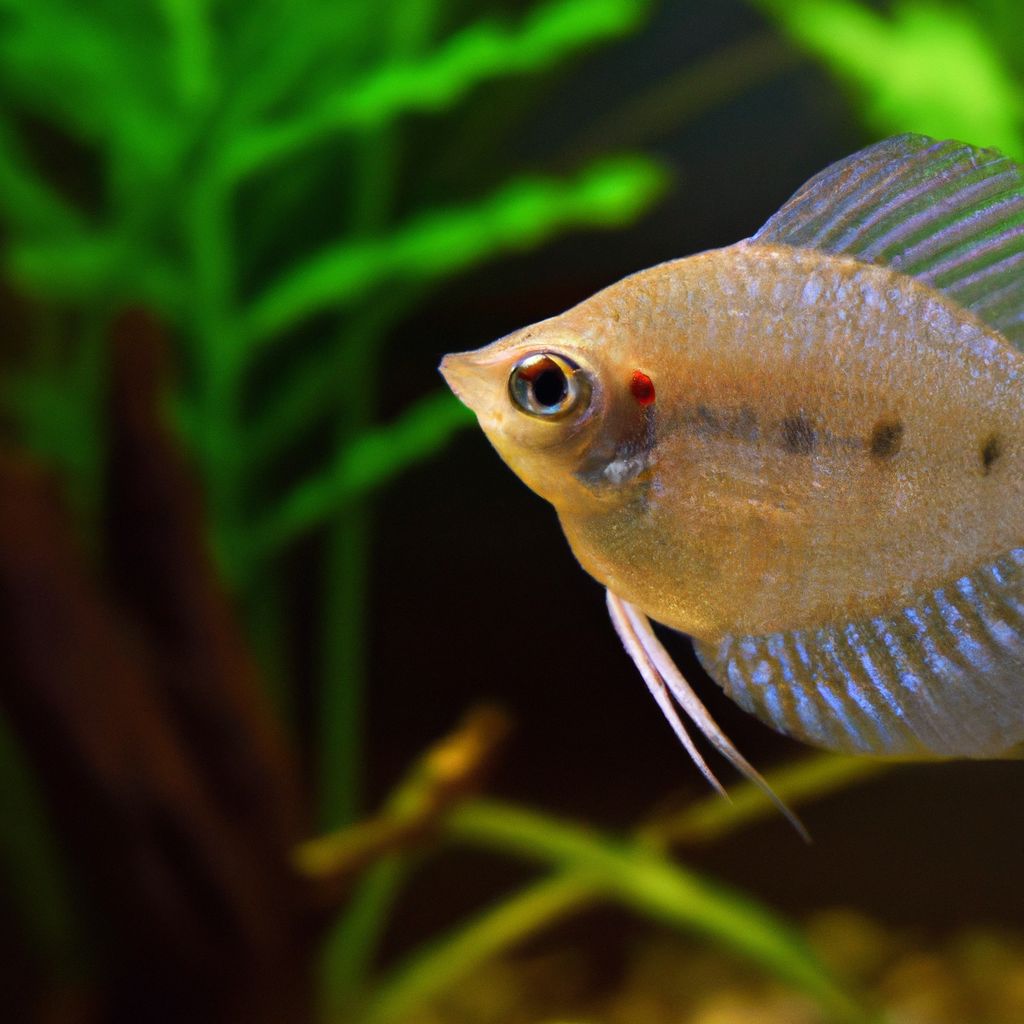
Pearl Gouramis, also known as Trichogaster leeri, are popular freshwater fish among aquarium enthusiasts. These elegant and colorful fish are native to Southeast Asia and are known for their peaceful nature. However, understanding the potential for aggression in pearl gouramis is essential for maintaining a harmonious aquarium environment.
When it comes to aggression in pearl gouramis, there are important factors to consider. It is crucial to identify whether these fish exhibit aggressive behavior and understand the factors that can influence their aggression levels.
Pearl gouramis can exhibit aggression, especially during certain circumstances. Factors such as territoriality, breeding behavior, and social hierarchy within a group can influence their aggression levels. It is important to observe their behavior closely to identify signs of aggression and take appropriate measures for maintaining a balanced environment.
Signs of aggression in pearl gouramis can be both physical displays and behavioral patterns. Physical displays include fin flaring, locking jaws, and charging or chasing other fish. Behavioral signs may include nipping, aggressive posturing, or attempting to establish dominance.
There are reasons behind the aggression displayed by pearl gouramis. Natural instincts and territoriality can lead to aggression as they try to establish and defend their own space within the aquarium. Mating and breeding behavior can also contribute to aggressive encounters among pearl gouramis.
Dealing with aggression in pearl gouramis requires proper aquarium setup and habitat management. Providing adequate hiding places and distinct territories can help minimize potential conflicts. Adding compatible tankmates that can coexist peacefully with pearl gouramis can also reduce aggression. Behavioral modification techniques, such as rearranging tank decor or adjusting feeding routines, can help redirect aggressive behavior.
By understanding the nature of aggression in pearl gouramis and implementing appropriate measures, aquarists can ensure a harmonious and stress-free environment for these beautiful fish in their aquariums.
##Key Takeaways:
Key takeaway:
- Pearl Gouramis are a species of fish known for their beautiful appearance and peaceful nature.
- While Pearl Gouramis are generally not aggressive, certain factors can influence their behavior and lead to aggression.
- Signs of aggression in Pearl Gouramis can include physical displays and behavioral changes.
- Aggression in Pearl Gouramis can be driven by natural instincts, territoriality, or mating and breeding behavior.
- To deal with aggression in Pearl Gouramis, it is important to maintain a suitable aquarium setup, introduce compatible tankmates, and use behavioral modification techniques.
Key takeaway:
- Pearl Gouramis are generally peaceful fish known for their attractive appearance.
- However, certain factors can contribute to aggression in Pearl Gouramis, such as territoriality and breeding behavior.
- Signs of aggression in Pearl Gouramis may include physical displays and changes in behavior.
- To manage aggression in Pearl Gouramis, it is important to create an appropriate aquarium habitat and introduce compatible tankmates.
- Behavioral modification techniques can also be used to address aggression in Pearl Gouramis.
What are Pearl Gouramis?
Pearl Gouramis are freshwater fish native to Southeast Asia. They are known for their stunning appearance and peaceful nature. Pearl Gouramis feature iridescent scales that shimmer in various shades, giving them a pearl-like appearance. These fish can grow up to 4 inches in length. Due to their peaceful temperament, they can be kept in community tanks with other non-aggressive fish. Pearl Gouramis prefer slow-moving water with plenty of plants and hiding spots. They are also labyrinth fish, which means they have a specialized organ that allows them to breathe in oxygen from the air. This feature enables them to survive in low-oxygen environments. To create the ideal habitat for Pearl Gouramis, maintain the water temperature between 75-82°F and the pH level around 6.0-7.5. It is important to note that Pearl Gouramis are sexually dimorphic, meaning males and females have different physical characteristics. Males have longer dorsal fins and are more colorful compared to females.
Understanding Aggression in Pearl Gouramis
When it comes to Understanding Aggression in Pearl Gouramis, it’s essential to understand their behavior and aggression tendencies. Pearl gouramis are generally peaceful fish, but territorial disputes can arise.
To better understand aggression in pearl gouramis, consider the following points:
1. Tank size: Providing enough space is crucial to minimize territorial disputes. A tank size of at least 30 gallons is recommended for a single pearl gourami or a pair.
2. Gender dynamics: Male pearl gouramis can display aggression towards each other, especially when vying for dominance or during breeding season. Keeping a single male with multiple females can help reduce aggression.
3. Tank mates: Choose tank mates carefully to avoid conflicts. Avoid keeping pearl gouramis with aggressive or overly territorial fish. Peaceful community fish such as tetras or rasboras make good companions.
4. Hiding spots: Provide plenty of hiding spots like plants, caves, or driftwood. This helps create territories and reduces aggression by offering places to retreat.
5. Balanced diet: A well-balanced diet that includes high-quality pellets, flakes, and live or frozen foods helps maintain the health and overall well-being of pearl gouramis, potentially reducing aggression.
By understanding the factors that contribute to aggression in pearl gouramis and implementing suitable conditions and tank setup, you can create a peaceful and harmonious environment for these beautiful fish.
Remember to observe your pearl gouramis closely and make adjustments as needed to ensure their well-being and minimize aggression.
Do Pearl Gouramis Exhibit Aggressive Behavior?
Pearl gouramis do exhibit aggressive behavior, especially during certain circumstances. This behavior is a natural instinct and is influenced by factors such as territoriality and breeding behavior. It is important for aquarium owners to be aware of the signs of aggression in pearl gouramis, both physical displays and behavioral signs.
To deal with aggression in pearl gouramis, there are several techniques that can be implemented. Setting up the aquarium with appropriate tank parameters and habitat management can create a safe space for the fish and greatly reduce aggression. Adding compatible tankmates can also help reduce food competition and aggression.
Behavioral modification techniques can be used to stop aggression, such as separating aggressive fish into smaller groups or implementing “fish timeouts” when aggression occurs. Providing thick stems and tall plants can create hiding spots and help establish a pecking order in the tank.
It is worth noting that male pearl gouramis tend to be more aggressive than females. Keeping a larger tank or a community tank with a mix of different species can also help reduce aggression. Care should be taken to monitor the fish for any signs of physical injury, such as split fins or broken fins.
Factors Influencing Aggression in Pearl Gouramis
Factors influencing aggression in pearl gouramis include territoriality, mating and breeding behavior, and the presence of other fish in the same tank.
Pearl gouramis are known to be territorial and will defend their space from intruders, especially during the breeding season. They establish a pecking order and may become more aggressive towards fish of the same species or similar in shape and size. In a smaller tank or when overcrowded, aggression is more likely to occur due to limited space.
Mating and breeding behavior can also increase aggression in pearl gouramis. During this period, male gouramis may become more aggressive in defending their territory and courting the females. They may chase and nip at other fish, especially those that come too close to their nesting site.
The presence of other fish in the same tank can also influence aggression levels in pearl gouramis. Some fish, like siamese fighting fish or brightly colored fish, may trigger aggressive behavior in pearl gouramis. It is important to consider the compatibility of tank mates and their behavior before introducing them to a pearl gourami tank.
Fact: Pearl gouramis are freshwater fish native to Southeast Asia. They are popular choices for home aquariums due to their beautiful colors and peaceful nature. It is important to provide them with a suitable aquatic environment that mimics their natural habitat to reduce stress and aggression.
Signs of Aggression in Pearl Gouramis
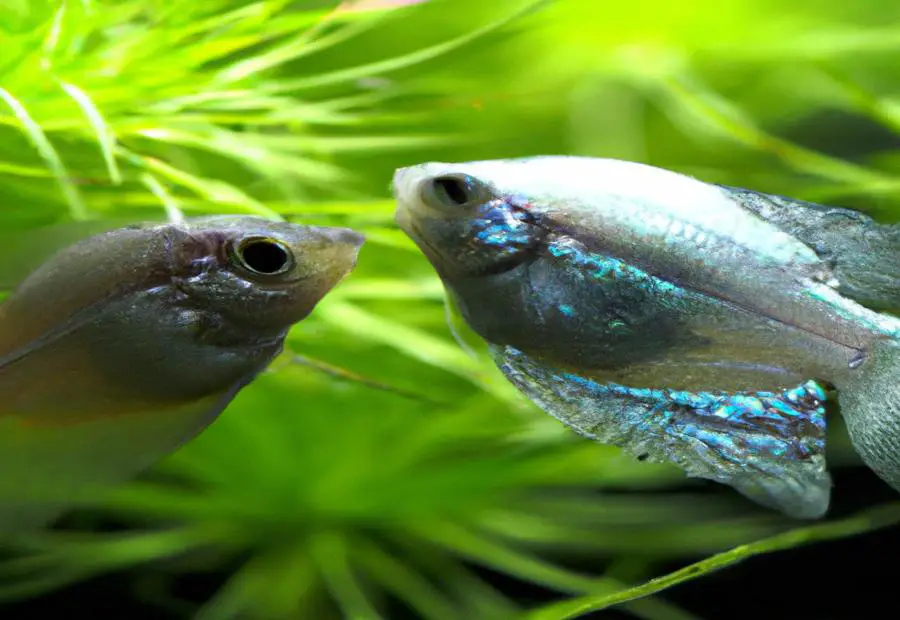
Photo Credits: Bettafishworld.Com by Walter Brown
Pearl gouramis can display interesting behavior, including signs of aggression that are crucial to understand. In this section, we’ll uncover the various indicators of aggression in these captivating aquatic creatures. From physical displays to behavioral cues, we’ll explore the fascinating ways pearl gouramis communicate their intentions and establish dominance. So, get ready to dive into the world of pearl gouramis and decipher the subtle signs of aggression they exhibit.
Physical Displays of Aggression
Physical displays of aggression in pearl gouramis can be quite striking.
- Fin nipping: Pearl gouramis may aggressively nip at the fins of other fish, causing damage and stress.
- Chasing: Aggressive gouramis may relentlessly chase their tankmates, asserting dominance and territoriality.
- Sparring behavior: Male gouramis often engage in sparring, where they face off and flare their fins in a display of aggression.
- Physical injury: Aggressive gouramis can cause physical harm to other fish, leading to torn fins or even more severe injuries.
To address physical displays of aggression in pearl gouramis, there are a few suggestions to consider.
- Provide a safe space: Creating hiding spots with thick stems of aquatic plants or tall plants can give other fish a place to retreat from aggressive pearl gouramis.
- Manage tank parameters: Maintaining appropriate water conditions, such as soft water and proper ammonia and nitrite levels, can help reduce stress and aggression in gouramis.
- Add compatible tankmates: Choosing fish with similar behavior and size, such as cherry barbs or albino cory catfish, can reduce the likelihood of aggression between pearl gouramis and other species.
- Monitor feeding times: Ensuring that there is enough food available during feeding times can help reduce competition among fish and potential aggression.
- Consider tank size: Providing enough space in the tank, whether it’s a 29-gallon or 30-gallon tank, can alleviate aggression by giving fish room to establish territories.
By implementing these measures, it is possible to minimize physical displays of aggression in pearl gouramis and create a harmonious aquatic environment in your home aquarium.
Behavioral Signs of Aggression
The behavioral signs of aggression in pearl gouramis can help you identify and understand their aggressive behavior. Here are some important signs to look out for:
- Frequent chasing and nipping at other fish
- Territorial behavior, such as defending a specific area of the tank
- Flaring of fins and gill covers as a display of dominance
- Fighting or sparring with other male gouramis
It is crucial to monitor the behavior of pearl gouramis closely, as aggressive behavior can lead to physical injury and stress for other fish in the tank. It is also important to note that aggression can vary depending on factors such as tank size, tank mates, and the presence of females.
Pro-tip: When dealing with aggression in pearl gouramis, providing a safe space with plenty of hiding spots and territories can greatly help reduce aggression. Additionally, separating aggressive individuals or maintaining small groups instead of keeping a single fish can also minimize aggression. Understanding the behavioral signs and addressing aggression promptly can create a harmonious aquatic environment for your pearl gouramis and other tank inhabitants.
Reasons for Aggression in Pearl Gouramis
Pearl gouramis may seem peaceful, but when it comes to aggression, they can surprise you. In this section, we’ll dive into the reasons behind the aggression displayed by these fascinating fish. From their natural instincts and territoriality to their intriguing mating and breeding behavior, we’ll unravel the factors that contribute to their assertive nature. So, hold on tight as we uncover the untold stories of aggression in pearl gouramis.
Natural Instincts and Territoriality
Natural instincts and territoriality are inherent traits in pearl gouramis. These fish have a strong natural instinct to establish and defend their territory in the wild, and this behavior carries over to their behavior in home aquariums.
Male pearl gouramis, in particular, exhibit territorial behavior as they establish their dominance and protect their space. They may chase away other fish and display aggressive behaviors such as nipping fins or engaging in sparring behavior.
Territoriality is also influenced by the availability of resources within their environment. Pearl gouramis are more likely to display territorial behavior when there is limited space or when there is competition for food or mates. Providing a larger tank with ample hiding spots, such as tall plants or thick stems, can help create separate territories and reduce aggression.
In terms of territoriality, it is important to note that females of the species also establish their own territories, especially when preparing to spawn. It is a natural instinct for them to choose an area where they feel safe to lay their eggs and care for their unborn young.
Understanding the natural instincts and territoriality of pearl gouramis is crucial for new owners to create a suitable environment for these fish. By providing a spacious tank with appropriate hiding spots and ensuring proper tank parameters, their territorial and aggressive behavior can be minimized, creating a harmonious and peaceful community tank.
Mating and Breeding Behavior
The Mating and Breeding Behavior of Pearl Gouramis can be a captivating sight. Let’s explore some important aspects of their behavior:
- Mating rituals: During courtship, male Pearl Gouramis exhibit vibrant colors and flare their fins to attract females. They may also engage in a mesmerizing “dance” as they swim together in spirals.
- Bubble nest construction: Using saliva and bubbles, the males construct secure bubble nests at the water’s surface. These nests serve as a safe haven for the eggs.
- Egg laying: When the females are ready to lay their eggs, males embrace them while the females release the eggs. The males then fertilize the eggs and carefully collect them in their mouths, transferring them to the bubble nests.
- Parental care: The male Pearl Gouramis diligently protect the bubble nests and eggs, ensuring they receive enough oxygen by gently fanning them with their fins. Even after hatching, the males continue to guard and nurture the fry until they become capable swimmers.
- Repeat breeding: Once the fry have gained independence, the male and female Pearl Gouramis may embark on another breeding cycle.
Dealing with Aggression in Pearl Gouramis
When it comes to dealing with aggression in pearl gouramis, there are a few key strategies to keep in mind. From creating the right aquarium setup and managing their habitat, to introducing compatible tankmates to reduce aggression, and even implementing certain behavioral modification techniques – we’ve got you covered. Let’s dive into the world of pearl gouramis and explore how to maintain a harmonious aquatic environment for these beautiful fish.
Aquarium Setup and Habitat Management
When it comes to aquarium setup and habitat management, there are several key factors to consider for pearl gouramis:
- Tank size: Pearl gouramis are relatively large fish and need ample space to swim. It is recommended to have a tank of at least 30 gallons for a single pair of gouramis.
- Water parameters: For pearl gouramis, it is important to provide soft water with a pH level between 6.0 and 7.5. Regular water testing for parameters such as ammonia and nitrite is crucial to maintain a healthy aquatic environment.
- Plants and hiding spots: Incorporating tall plants, floating vegetation, and thick stems in the tank will create a safe space for the gouramis. They enjoy having areas to explore and hide.
- Tank mates: While pearl gouramis can be peaceful, they may display aggression towards similar fish, particularly males of their own species. It is recommended to keep them in small groups (1 male and 2-3 females) or in a mixed species tank with peaceful community fish.
- Feeding and feeding times: To prevent aggression and promote balanced nutrition, it is beneficial to provide multiple feeding areas and reduce food competition. Regular small meals or using an automatic feeder can help ensure the gouramis receive proper nutrition.
A fun fact: Pearl gouramis are known for their beautifully colored bodies, which are more vibrant in males during their breeding period.
Adding Compatible Tankmates to Reduce Aggression
Adding compatible tankmates to reduce aggression is an effective strategy for pearl gouramis. Consider these options:
- Small peaceful fish: To create a more harmonious environment, add small, peaceful fish like cherry barbs or glass catfish. These fish are unlikely to trigger aggression in pearl gouramis.
- Different species of gouramis: Distract aggression away from the pearl gouramis by adding other species of gouramis, such as powder blue gouramis or dwarf gouramis. Make sure the tank is large enough for multiple species.
- Bottom feeders: Occupying the lower levels of the tank, bottom-dwelling fish like albino cory catfish or bronze cories can help reduce aggression. They peacefully coexist with pearl gouramis without competing for resources.
- Peaceful schooling fish: Distract pearl gouramis from aggressive behavior by introducing a school of peaceful fish like neon tetras or harlequin rasboras. A larger group creates a sense of safety and reduces territoriality.
Adding compatible tankmates creates a more peaceful and balanced aquatic environment for your pearl gouramis. It reduces aggression, promotes harmony, and ensures a successful community. Consider factors like tank size, feeding times, and species requirements when selecting tankmates for your pearl gouramis.
When a group of new owners introduced albino cory catfish and cherry barbs to their 29-gallon tank housing pearl gouramis, aggression significantly decreased. The pearl gouramis appreciated their safe space more and focused less on territorial disputes. The new tankmates reduced food competition and created a peaceful environment during feedings. Even the previously aggressive smaller pearl gourami changed its behavior and engaged in normal interactions. This successful introduction of compatible tankmates maintained a balanced and peaceful community in the aquarium.
Behavioral Modification Techniques
When it comes to dealing with aggression in pearl gouramis, there are a variety of behavioral modification techniques that can be utilized:
- Creating a safe space: One effective method is to provide hiding spots for shy or subordinate gouramis, such as caves or thick stems of aquarium plants. These refuges allow them to escape from aggressive individuals.
- Keeping them in small groups: Pearl gouramis are social fish and thrive when kept in groups of at least three individuals. This approach reduces aggression as it establishes a natural pecking order.
- Reducing food competition: To prevent aggression resulting from competition, scatter food in different areas of the tank when feeding. This ensures that all gouramis have equal access to food.
- Feeding times: Minimize aggression by feeding pearl gouramis multiple small meals throughout the day instead of one large feeding. This reduces the intensity of competition.
- Adding compatible tankmates: Introducing compatible tankmates, such as peaceful fish from the same family or those similar in size and shape, can divert the attention of aggressive gouramis and reduce aggression.
By implementing these effective behavioral modification techniques, you can create a more harmonious environment for your pearl gouramis and minimize aggression.
Did you know? Pearl gouramis belong to the anabantid family, which includes other popular aquarium fish like bettas and gouramis. Despite their peaceful nature, they can sometimes exhibit aggressive behavior, particularly during mating and territorial disputes.
Some Facts About Pearl Gouramis:
- ✅ Pearl gouramis can become aggressive if they feel threatened by similar-looking fish. (Source: bettacarefishguide.com)
- ✅ Female pearl gouramis are more peaceful, but can still be aggressive if they feel threatened. (Source: bettacarefishguide.com)
- ✅ Gouramis are territorial and can be protective of their designated area in the tank. (Source: bettacarefishguide.com)
- ✅ Male gouramis can be aggressive towards each other, especially during mating. (Source: aquariadise.com)
- ✅ Gouramis become aggressive when fighting for food, mates, or protecting their eggs and fry. (Source: aquariadise.com, bettacarefishguide.com)
Frequently Asked Questions
Are pearl gourami aggressive?
Yes, pearl gouramis can display aggression, especially during territorial disputes or mating behavior.
Are female groups of pearl gourami less aggressive?
Female groups of pearl gourami are generally less aggressive compared to keeping males together.
Do pearl gouramis exhibit aggressive spawning behavior?
Yes, male pearl gouramis can become aggressive towards other males and females during breeding and spawning periods.
Can aggression be observed in a 29-gallon tank with pearl gouramis?
In a 29-gallon tank, aggression among pearl gouramis can occur, especially if there are multiple males or limited space and hiding places.
What are some warning signs of aggression in pearl gourami?
Warning signs of aggression in pearl gourami include chasing other fish, aggressive feeding behavior, and noticeable marks or injuries on fish.
Would adding more fish to a 30-gallon tank help diffuse aggression in pearl gourami?
Adding more fish, such as platys, to a 30-gallon tank may or may not diffuse aggression in pearl gouramis. It depends on the specific dynamics of the tank and the individuals involved. It is recommended to consult an expert for advice.