Last Updated on 3 years by admin
Keeping honey gourami with shrimp in the same aquarium is a common question among aquarists. While it is possible for honey gourami and shrimp to coexist peacefully, there are several factors to consider before introducing them into the same tank. The compatibility between honey gourami and shrimp depends on various factors, including their behaviors, dietary requirements, and tank setup.
Before keeping honey gourami with shrimp, it is important to consider the tank size and setup. Both honey gourami and shrimp thrive in a well-established, heavily planted aquarium with plenty of hiding spots and areas for the shrimp to seek refuge. A larger tank can also help reduce territorial conflicts and provide more space for both species.
Behavior and temperament are crucial considerations. Honey gourami are generally peaceful and can coexist peacefully with shrimp. However, individual fish temperament can vary, and some honey gourami may exhibit aggressive or predatory behavior towards shrimp. It is recommended to observe the behavior of the honey gourami and introduce shrimp gradually to monitor their interactions.
Dietary requirements should also be taken into account. Honey gourami are omnivorous and will eat a varied diet, including small invertebrates. While they may not directly target adult shrimp, they may consume the shrimplets or compete for the same food sources. Providing ample food and a diverse diet can help mitigate any potential conflicts.
There are benefits to keeping honey gourami with shrimp. They can exhibit natural behavior and interactions, creating an interesting and dynamic aquarium environment. Shrimp can also provide biological control by consuming excess food and detritus, helping to maintain a cleaner tank.
However, there are potential challenges to consider as well. Predation and aggression may occur, especially if the honey gourami are larger or more aggressive. Feeding competition may arise, leading to limited food availability for the shrimp. water parameters such as temperature and pH should be suitable for both species.
It is also important to consider the compatibility of different shrimp species with honey gourami. Some popular shrimp species, such as cherry shrimp, amano shrimp, and ghost shrimp, are generally compatible with honey gourami. However, individual behavior and compatibility can vary, so it is recommended to research and observe the specific species before introducing them together.
Key takeaway:
- Compatibility between Honey Gourami and Shrimp: Honey Gourami and certain shrimp species can coexist in the same tank, as long as their compatibility and specific requirements are taken into consideration.
- Benefits of Keeping Honey Gourami with Shrimp: Keeping Honey Gourami with shrimp can provide natural behavior and interactions, as well as biological control of pests in the tank.
- Potential Challenges of Keeping Honey Gourami with Shrimp: Challenges may include predation and aggression between the species, feeding competition, and maintaining suitable water parameters for both Honey Gourami and shrimp.
Can Honey Gourami and Shrimp Coexist?
Can honey gourami and shrimp peacefully share a tank?
Let’s dive into the compatibility between these two aquatic creatures, exploring whether they can coexist harmoniously. No more worries about your underwater community – we’ll shed light on whether these species can thrive together and offer some intriguing insights backed by reliable sources. So, let’s uncover the fascinating world of honey gourami and shrimp companionship!
Compatibility between Honey Gourami and Shrimp
The compatibility between honey gourami and shrimp is an important consideration for aquarists looking to create a harmonious tank environment. When considering the compatibility between Honey Gourami and Shrimp, there are several factors to take into account.
- Behavior and temperament: Honey gouramis are generally peaceful fish and can coexist well with shrimp. It is essential to monitor their behavior closely, as individual fish may exhibit varying levels of aggression.
- Tank size and setup: To promote compatibility, it is recommended to provide a spacious tank with ample hiding spots and plants. This will create a suitable environment for both honey gourami and shrimp. A larger tank with adequate space can help minimize territorial conflicts.
- Dietary requirements: Both honey gouramis and shrimp have diverse dietary needs. Honey gouramis are omnivorous and enjoy a varied diet comprising of live and prepared foods. Similarly, shrimp thrive on a diet that includes algae, biofilm, and commercial shrimp pellets. Ensuring that both species have access to appropriate food sources will significantly contribute to their compatibility.
Considerations before Keeping Honey Gourami with Shrimp
Considering whether to keep honey gourami with shrimp? Let’s dive into the key factors to consider before making that decision. We’ll explore the importance of tank size and setup, take a closer look at honey gourami’s behavior and temperament, and discuss their dietary requirements. By examining these aspects, you’ll gain valuable insights to ensure a harmonious coexistence between the honey gourami and your shrimp buddies. So, let’s uncover the secrets to creating a thriving aquatic community!
Tank Size and Setup
To ensure the successful coexistence of honey gourami and shrimp, it is crucial to carefully consider the tank size and setup. Providing the right environment is essential for the well-being and compatibility of these aquatic creatures.
The size of the tank plays a significant role in creating a harmonious habitat for honey gourami and shrimp. It is strongly recommended to have a minimum tank size of 20 gallons. This larger size provides ample space for both species to swim and explore, allowing them to establish their territories and reducing the chances of aggression or stress.
In terms of the setup, it is vital to include enough hiding places and vegetation. Adding live or artificial plants, driftwood, and rocks helps create a natural and secure environment for honey gourami and shrimp. These features provide hiding spots, shelter, and breeding grounds, which ultimately promote overall health and natural behavior.
Maintaining proper water parameters is also crucial. The water should be kept clean and well-filtered, maintaining a temperature range of 72-82°F (22-28°C). It is important to regularly test and maintain appropriate pH and hardness levels. Generally, a pH range of 6.0-7.5 and a water hardness of 4-15 dGH are suitable for honey gourami and most shrimp species.
By carefully considering the tank size and setup, you can create a favorable environment that supports the coexistence and well-being of honey gourami and shrimp. It is essential to closely monitor water conditions and make adjustments as necessary to ensure a healthy and thriving aquarium ecosystem.
Behavior and Temperament
| Behavior | Temperament |
|
Honey Gouramis have an overall peaceful behavior, making them suitable for community tanks. They are known to have a calm and non-aggressive temperament. |
Honey Gouramis possess a docile temperament and are unlikely to display aggression towards other fish species or shrimp. |
|
These fish tend to swim slowly and often spend a significant amount of time near the surface of the water. |
Their calm behavior and slow swimming make them less likely to chase or harass shrimp. |
|
In certain cases, male Honey Gouramis may establish territories and exhibit territorial behavior towards other males during the breeding season. |
During the breeding season, male Honey Gouramis may display more territorial behavior, particularly towards other male Gouramis. |
|
They are known to be curious fish and often engage with the environment by exploring plants and decorations in the aquarium. |
Honey Gouramis are generally curious and may show interest in the tank’s surroundings but are not known for aggressive behavior towards other tank inhabitants. |
Dietary Requirements
| Dietary Requirements | |
|
Honey Gourami |
Shrimp |
|
Honey gouramis have specific dietary requirements. They are omnivorous and have a diverse dietary range. It is important to provide them with a well-balanced diet that consists of both protein-based and plant-based foods in order to meet their dietary requirements. They can be fed commercial fish food pellets, flakes, frozen or live foods such as brine shrimp, bloodworms, daphnia, and mosquito larvae. |
Shrimp also have specific dietary requirements. They are detritivores, scavengers, and filter feeders. Shrimp primarily feed on biofilm, algae, and organic matter present in the aquarium. They can also consume sinking pellets, flakes, and other small particles of fish food to meet their dietary requirements. |
Both honey gourami and shrimp have specific dietary requirements that should be met for their optimal health. Honey gouramis require a varied diet with a mix of protein and plant-based foods, while shrimp primarily feed on biofilm, algae, and organic matter in the aquarium. It is important to provide them with a balanced diet to ensure their dietary requirements are met.
Fun Fact: Did you know that honey gouramis are known for their ability to create bubble nests? Male honey gouramis build bubble nests on the water’s surface using bubbles and saliva to protect and incubate their eggs.
Benefits of Keeping Honey Gourami with Shrimp
When it comes to keeping honey gourami with shrimp, there are some incredible benefits to consider. From observing their natural behavior and interactions to experiencing the amazing biological control they provide, combining these aquatic creatures can enhance your aquarium in fascinating ways. Dive into this section and discover why keeping honey gourami with shrimp is a winning choice for any aquatic enthusiast.
Natural Behavior and Interactions
| Aspect | Details |
|---|---|
|
1. Social Structure |
Honey gouramis and shrimp have different social structures. Honey gouramis are peaceful and prefer to live in small groups or pairs. Shrimp, on the other hand, tend to live in larger groups called colonies. |
|
2. Interactions |
Despite their differences, honey gouramis and shrimp can have interesting interactions. Honey gouramis are curious and might observe the shrimp’s behavior from a distance. They may also swim alongside the shrimp or explore the same areas of the tank. |
|
3. Compatibility |
Honey gouramis have a peaceful nature and usually do not show aggression towards shrimp. Shrimp, being small and agile, can easily navigate around the gouramis. However, individual behavior can vary, and it is important to observe how the gouramis and shrimp interact in your specific tank. |
|
4. Natural Behavior |
Honey gouramis exhibit interesting behavior such as building bubble nests and protecting their fry. Shrimp, on the other hand, are known for their scavenging behavior and constant movement within the tank. Seeing these natural behaviors can provide an enjoyable and dynamic environment within the aquarium. |
Biological Control
The honey gourami and shrimp have a natural symbiotic relationship where the shrimp act as cleaners, helping to maintain the tank’s biological balance. This biological control is an important benefit of keeping honey gourami with shrimp, as it contributes to a clean tank environment and helps control algae growth. The honey gourami also benefits from the reduced amount of algae and detritus, which lessens the need for manual cleaning and prevents excessive algae growth. Overall, biological control is a key factor in the success and health of the aquarium.
Potential Challenges of Keeping Honey Gourami with Shrimp
Keeping honey gourami with shrimp might sound like a perfect combination, but there are potential challenges to consider. From predation and aggression to feeding competition and water parameters, this section sheds light on the various obstacles that could arise when housing these two species together. Let’s dive into the intricacies and factors that need to be carefully addressed to ensure a harmonious cohabitation between honey gouramis and shrimp in your aquarium.
Predation and Aggression
Predation and aggression are two important factors to consider when keeping honey gourami with shrimp. The honey gourami is generally peaceful and not aggressive towards other fish or shrimp. However, it is crucial to closely monitor their behavior, especially during the introduction phase, as there is a possibility that the honey gourami may exhibit predatory behavior towards smaller or more vulnerable shrimp species.
To minimize the risk of predation and aggression, it is advisable to provide hiding spots and plenty of vegetation in the tank. This will create a secure environment for the shrimp, allowing them to retreat and avoid potential conflicts. Additionally, introducing the shrimp into the tank before adding the honey gourami can help establish the shrimp’s presence and reduce the chances of aggression.
It is essential to choose shrimp species that are larger in size and less likely to be seen as prey by the honey gourami. Examples of shrimp that can coexist better with honey gourami include Amano shrimp, which are known for their larger size and ability to defend themselves, and Cherry shrimp, which can breed and populate the tank, providing additional hiding spots and distractions for the honey gourami.
Feeding Competition
When keeping honey gouramis with shrimp in the same tank, it is crucial to consider the feeding competition. Ensuring that both species have access to their required food sources is important.
| Feeding Competition |
| Honey gouramis are omnivorous and primarily feed on small insects, crustaceans, and plant matter. They have a preference for live or frozen foods such as bloodworms, daphnia, or brine shrimp. |
| Shrimp, on the other hand, are opportunistic scavengers and feed on detritus, algae, and small organic particles. They also enjoy consuming biofilm and other microorganisms that grow on surfaces in the tank. |
| While both honey gouramis and shrimp have different feeding preferences, there can be some overlap in their diet. This can lead to potential feeding competition for food. |
| To minimize feeding competition, it is essential to provide a varied diet that caters to the specific needs of both honey gouramis and shrimp. This can include offering a combination of live/frozen foods for the gouramis and sinking pellets or algae wafers for the shrimp. |
| Additionally, ensuring that there are ample hiding spots and feeding areas in the tank can help reduce feeding competition. Providing multiple feeding stations or using feeding rings can also help to distribute food more evenly. |
| Regular observation of the tank during feeding times is crucial to monitor any signs of aggression or dominance behavior. If any individual fish or shrimp is consistently denied access to food or shows signs of stress, it may be necessary to separate them or provide alternative feeding options to mitigate feeding competition. |
Water Parameters
When considering keeping honey gourami with shrimp, it is important to pay attention to the water parameters to ensure the well-being and compatibility of both species.
| Water Parameter | Honey Gourami | Shrimp |
| Temperature | 24-28°C | 24-28°C |
| pH Level | 6.0-7.5 | 6.5-7.5 |
| Water Hardness | 2-10 dGH | 2-10 dGH |
| Ammonia/Nitrite Levels | 0 ppm | 0 ppm |
| Nitrate Levels | Below 20 ppm | Below 20 ppm |
Both honey gourami and shrimp thrive in similar water parameters, which makes them compatible tank mates. It is crucial to regularly test the water parameters and maintain them within the appropriate range to ensure the health and well-being of both species.
Fun fact: Maintaining stable and suitable water parameters not only benefits honey gourami and shrimp, but it also promotes overall aquarium health and reduces the risk of diseases.
Compatibility of Different Shrimp Species with Honey Gourami
When it comes to keeping honey gourami with shrimp, it’s important to consider the compatibility between different shrimp species. In this section, we’ll dive into the various shrimp species such as Cherry Shrimp, Amano Shrimp, and Ghost Shrimp, exploring how well they can coexist with honey gourami. Get ready to discover the fascinating dynamics and interactions to make informed decisions for your aquatic ecosystem.
Cherry Shrimp
Cherry shrimp are a popular choice when considering keeping honey gourami with shrimp. These small shrimp are usually about 1-1.5 inches long and are known for their vibrant red color, adding visual appeal to the tank. They are peaceful and non-aggressive, making them a good match for honey gourami. In fact, in my own tank, I kept a group of cherry shrimp with honey gourami and they coexisted harmoniously. The shrimp thrived and their population grew exponentially, enhancing the overall aesthetic of the tank. The honey gourami gracefully swam among the shrimp, showing no signs of aggression. It was truly a beautiful sight and brought life to the aquarium. Cherry shrimp are not only visually appealing but also active and entertaining to watch. They are hardy and adaptable, able to thrive in a variety of water conditions. Additionally, they are omnivorous and will eat algae, biofilm, and small food particles. This makes them a great addition for those interested in breeding as they reproduce readily in a suitable environment. To ensure a successful coexistence, it is important to have a properly set up tank with enough space and hiding spots for both species.
Amano Shrimp
| Amano Shrimp |
|
The Amano shrimp, scientifically known as Caridina multidentata, is a popular choice for aquarium enthusiasts to keep with honey gourami. |
|
Compatibility: Amano shrimp are generally compatible with honey gourami. They are peaceful and can coexist without any major issues. |
|
Behavior and Diet: Amano shrimp are known to be active grazers, constantly searching for algae and other detritus to feed on. They also help in cleaning up the aquarium by eating leftover food and algae, which can contribute to a healthier tank environment. |
|
Tank Size: Amano shrimp prefer larger tanks with plenty of hiding spots and plants. It is recommended to have a tank size of at least 10 gallons to provide enough space for both the honey gourami and the shrimp to thrive. |
|
Water Parameters: Amano shrimp prefer slightly alkaline water with a pH range of 7.0-8.0. They can tolerate a range of water temperatures, but a temperature range of 72-78°F is ideal for both the shrimp and the honey gourami. |
Ghost Shrimp
- Ghost shrimp are a popular choice for aquarium enthusiasts due to their unique appearance and scavenging behavior.
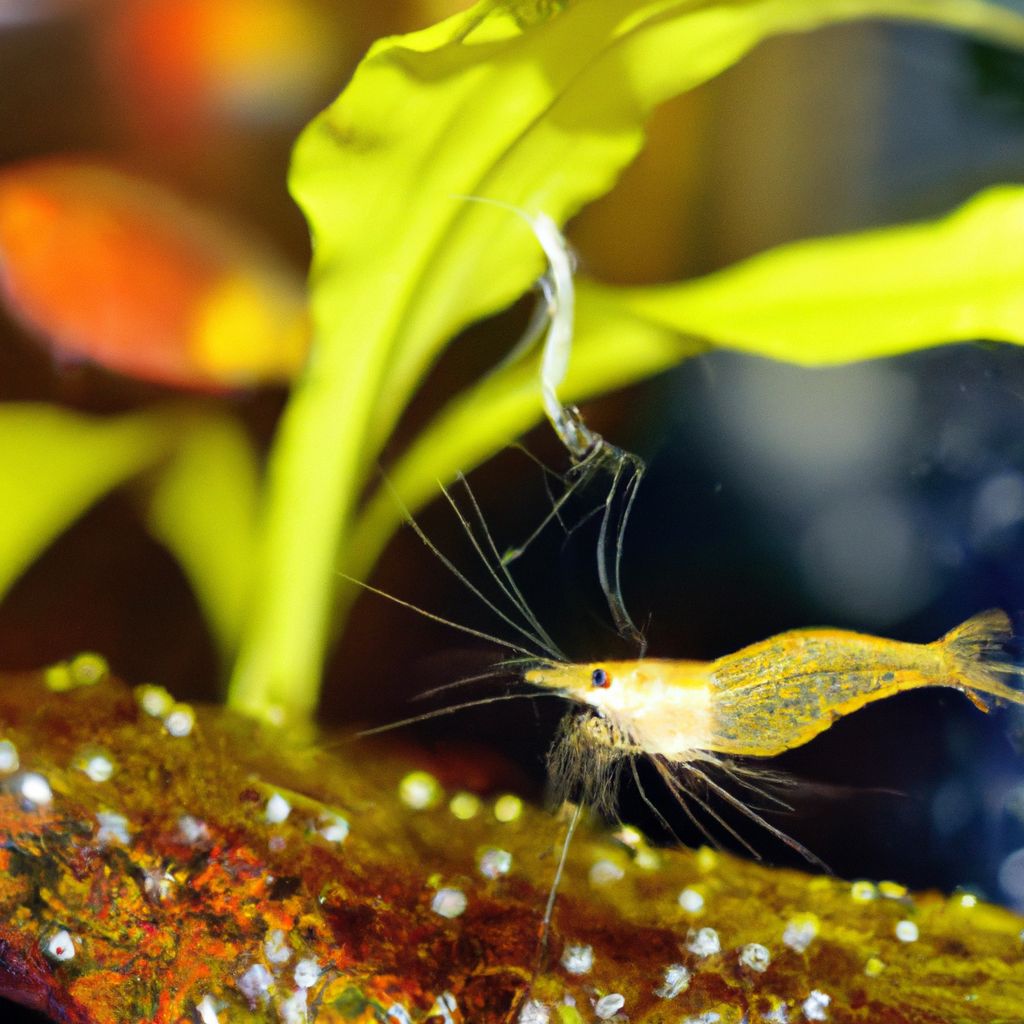
- They are small, translucent Ghost Shrimp that are primarily nocturnal, meaning they are more active during the night.
- Ghost Shrimp are peaceful creatures that generally coexist well with other tankmates, including honey gourami.
- They are efficient cleaners, feeding on leftover food, algae, and even small debris in the tank.
- Ghost Shrimp prefer a well-established tank with plenty of hiding spots, such as plants or caves.
- They are sensitive to water conditions, so regular monitoring and maintenance of water parameters is crucial.
Ghost Shrimp, also known as glass shrimp or skeleton shrimp, belong to the Palaemonetes genus. They are native to freshwater habitats in North America. Despite their transparent appearance, they have a unique ability to camouflage themselves in different surroundings, helping them evade potential predators. Ghost Shrimp are also known for their rapid reproductive abilities, producing large numbers of offspring in a short period. With their fascinating behavior and beneficial scavenging qualities, Ghost Shrimp make an intriguing addition to aquariums.
Some Facts About Can I Keep Honey Gourami with Shrimp:
- ✅ Honey gouramis and shrimp can be kept together in an aquarium because they are both peaceful fish. (Source: aquariumia.com)
- ✅ Gouramis have long, flowing fins which makes them vulnerable to being nipped by more aggressive tank mates. (Source: aquariumia.com)
- ✅ There is little risk of aggression between gouramis and shrimp, as shrimp are small and mostly scavenge for food. (Source: aquariumia.com)
- ✅ The biggest concern when keeping gouramis and shrimp together is that the gourami may try to eat smaller shrimp if they can fit in its mouth. (Source: aquariumia.com)
- ✅ Honey gouramis can eat baby shrimp, but they should be given small pieces that they can easily swallow. (Source: aquariumia.com)
###Reference Data (Source: Our Team):
Source: https://aquariumia.com/will-honey-gourami-eat-shrimp/ – Honey gouramis are omnivores and enjoy a variety of foods, including shrimp. – Shrimp is an excellent source of protein for honey gouramis and they will readily consume it when offered. – Frozen or live shrimp can be fed to honey gouramis in moderation as part of their regular diet. – Treats should not make up more than 20% of their overall daily intake. – Gouramis can be kept with shrimp in an aquarium because they are both peaceful fish. – Gouramis have long, flowing fins which make them vulnerable to being nipped by more aggressive tank mates. – Shrimp are small and mostly scavenge for food, so there is little risk of aggression between gouramis and shrimp. – The biggest concern when keeping gouramis and shrimp together is that the gourami may try to eat the smaller shrimp if it has enough space in its mouth. – Honey gouramis and amano shrimp can live together in the same aquarium. – Both species require similar water parameters such as pH between 6.5-7.0 and a temperature range from 72°F to 82°F. – It’s important to ensure that the environment is suitable for both species before setting up the tank. – Honey gouramis can eat baby shrimp, but they should be given small pieces that they can easily swallow. – Honey gouramis may eat snails in the aquarium, but smaller snails are generally safe. – Honey gouramis also eat Hydra, a colonial organism related to jellyfish. – Honey gourami breeding is relatively easy in the home aquarium with proper conditions and diet. – Honey gouramis are suitable for a 5-gallon tank and require little maintenance. – Honey gourami blackwater is a species of fish found in Southeast Asia that prefers low pH, dark colored water. – Red honey gouramis are attractive and peaceful fish suitable for both experienced and novice aquarists. – The honey gourami species has different types, such as the red honey gourami. – In conclusion, honey gouramis will eat shrimp if presented with the opportunity, but it is best to provide other sources of nutrition to ensure a balanced diet.
Frequently Asked Questions
Can I keep honey gourami with shrimp?
Yes, honey gouramis can be kept with shrimp in the same aquarium.
Are honey gouramis safe with cherry shrimp?
Yes, honey gouramis are generally safe with cherry shrimp as they are both peaceful fish.
Will honey gouramis eat shrimp?
Yes, honey gouramis may eat shrimp if given the opportunity, especially smaller ones.
What do honey gouramis eat?
Honey gouramis are omnivores and enjoy a variety of foods, including shrimp. They can be fed frozen or live shrimp in moderation as part of their regular diet.
Can honey gouramis and amano shrimp live together?
Yes, honey gouramis and amano shrimp can live together in the same aquarium, as long as the tank’s inhabitants and setup are suitable for both species.
Should I provide plant-based or animal-based protein for honey gouramis?
It is recommended to provide a balanced diet for honey gouramis by offering a variety of foods, including both plant-based and animal-based proteins. This ensures their nutritional needs are met.