
Last Updated on 3 years by admin
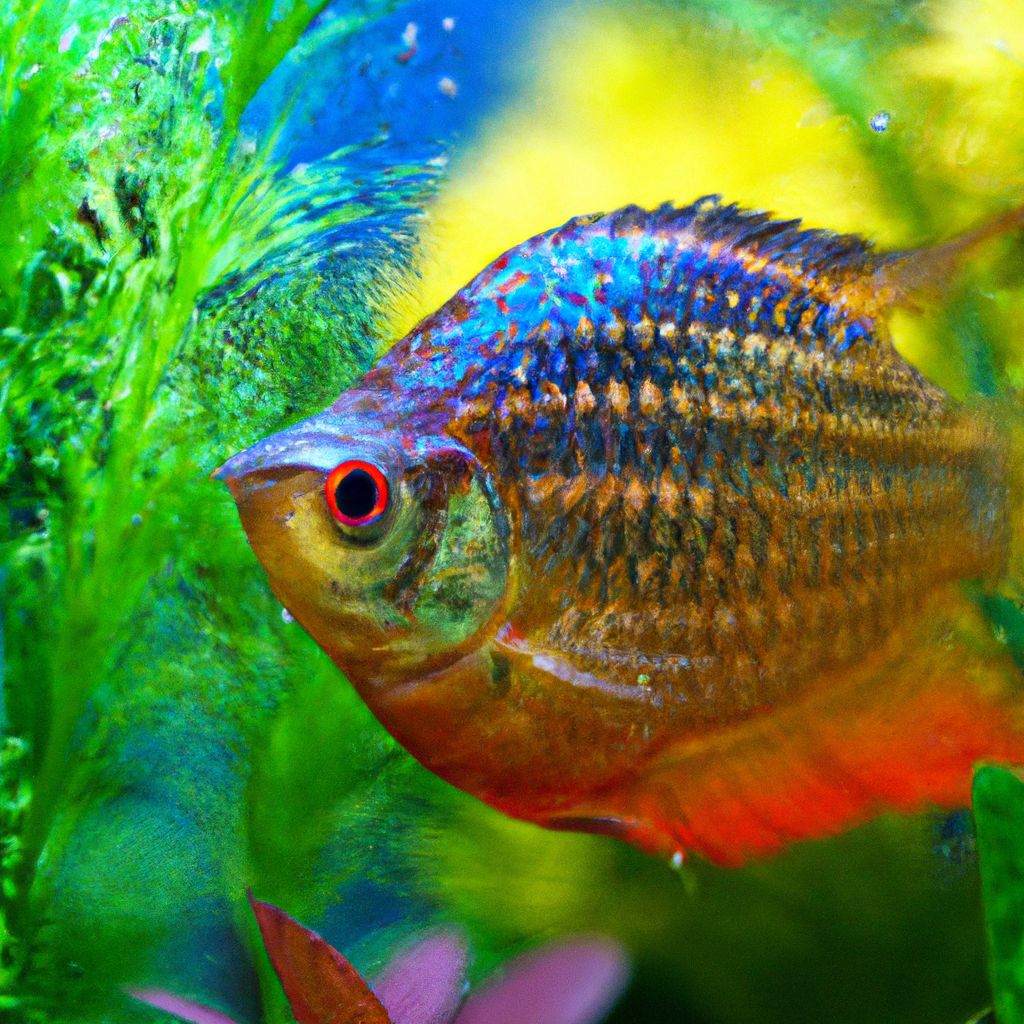
Are Gourami Hardy Fish?
Gourami fish are a popular choice among aquarium enthusiasts for their vibrant colors and interesting behaviors. However, whether or not they are considered hardy fish is a topic of discussion. Understanding the characteristics, factors affecting their hardiness, and common health issues can help determine if gourami fish are a suitable choice for your aquarium.
Gourami fish belong to the family Osphronemidae and are native to Southeast Asia. They are known for their labyrinth organ, which allows them to breathe air directly from the surface. There are various types of gourami fish, including the Dwarf Gourami, Pearl Gourami, and Blue Gourami, each with its distinct characteristics and care requirements.
When it comes to hardiness, gourami fish can be considered relatively hardy. They can adapt to different water conditions, making them suitable for beginners. However, certain factors can affect their overall hardiness and well-being.
One crucial factor is water conditions. Gourami fish prefer slightly acidic to neutral water with a pH range of 6.0-7.5. It is vital to monitor and maintain water parameters to ensure their health. Similarly, maintaining the ideal temperature range of 75-82°F (24-28°C) is crucial for their well-being.
Diet and feeding habits also play a significant role in the hardiness of gourami fish. They are omnivores and require a balanced diet consisting of high-quality pellets or flakes, supplemented with live or frozen foods. Providing a varied and nutritious diet is essential for their growth and vitality.
Despite being hardy, gourami fish are susceptible to certain health issues and diseases such as bacterial infections and parasitic infestations. It is crucial to prevent these issues by ensuring a clean and well-maintained tank environment. Regular water changes, proper filtration, and avoiding overstocking are essential for their overall health and well-being.
To keep gourami fish healthy, providing a suitable tank setup is crucial. They require plenty of swimming space and places to hide, such as plants and caves. Maintaining water quality through regular monitoring of parameters and avoiding sudden fluctuations is also vital. providing a balanced diet and avoiding overfeeding will contribute to their overall health and longevity.
Key takeaway:
- Gourami fish are hardy: Gourami fish have a reputation for being hardy, meaning they are able to tolerate various water conditions and can adapt well to different environments.
- Proper tank setup is important: Providing a suitable tank setup is crucial for keeping gourami fish healthy. This includes maintaining water quality, providing appropriate hiding places, and ensuring proper filtration.
- A balanced diet is essential: Gourami fish require a varied and balanced diet to thrive. It is important to provide them with a mix of high-quality flakes, pellets, and live or frozen foods to fulfill their nutritional needs.
Are Gourami Hardy Fish?
Gourami fish are generally known for being hardy and adaptable to a variety of water conditions. This makes them a favored choice among aquarium owners. These fish can tolerate a wide pH range, from 6 to 8, as well as water temperatures between 72 and 82 degrees Fahrenheit. Additionally, gourami fish demonstrate resistance to common fish diseases.
One valuable tip for maintaining the happiness and health of gourami fish is to ensure there are ample hiding spots within the aquarium. This can be achieved by incorporating live plants, rocks, or driftwood. These hiding spots not only provide security for the fish but also help replicate their natural environment, thereby reducing stress levels.
When introducing gourami fish to a new tank, it is crucial to ensure that the water conditions are appropriate for their needs. Regular water testing and maintenance are necessary to maintain optimal water quality. It is also advised to introduce new fish gradually and monitor their behavior to prevent conflicts or stress.
”””””
What Are Gourami Fish?
Gourami fish are a type of tropical freshwater fish known for their vibrant colors and graceful swimming abilities. They belong to the Osphronemidae family and are native to Southeast Asia. Gourami fish are popular among aquarium enthusiasts due to their beauty and peaceful nature. They come in various species, including the Dwarf Gourami, Pearl Gourami, and Blue Gourami.
What Are Gourami Fish? Gourami fish are characterized by their labyrinth organ, which allows them to breathe atmospheric air and survive in oxygen-deprived waters. This unique adaptation enables them to thrive in shallow, stagnant, and warm waters, such as rice paddies and ponds.
These fish have a distinctive appearance with elongated bodies, rounded fins, and a small mouth. They can grow up to 4 to 6 inches in length, depending on the species.
Gourami fish are omnivorous, meaning they consume both plant matter and small invertebrates. Their diet typically consists of insects, crustaceans, algae, and aquatic plants. It’s essential to provide them with a balanced diet to ensure their overall health and well-being.
Types of Gourami Fish
There are several different types of gourami fish that you can choose from for your aquarium. Each type has its own unique characteristics and appearance. Here is a table showcasing some of the most popular types of gourami fish:
| Type of Gourami Fish | Appearance |
| Dwarf Gourami | Colorful with vibrant patterns and long, flowing fins |
| Pearl Gourami | Silver body with iridescent scales and a black spot on its side |
| Moonlight Gourami | Silver body with a hint of blue and striped patterns |
| Golden Gourami | Bright yellow or golden body with black markings |
| Opaline Gourami | Light blue or greenish body with a distinctive red patch on its throat |
These are just a few examples of the Types of Gourami Fish that are popular among aquarium enthusiasts. Each type has its own unique beauty and characteristics, so you can choose the one that appeals to you the most. Remember to consider the compatibility of the gourami fish with other fish in your aquarium and their specific care requirements before making a decision.
In history, gourami fish have been a popular choice for aquarium hobbyists for many years. Their vibrant colors and unique behaviors make them a fascinating addition to any tank. Whether you choose the dwarf gourami or the opaline gourami, these fish are sure to bring joy and beauty to your aquatic environment.
Characteristics of Gourami Fish
Gourami fish have unique characteristics that make them stand out in the world of aquatic pets.
One key aspect to explore is their hardiness, which sets them apart from other fish species.
In this section, we will delve into the different factors that contribute to the hardiness of gourami fish.
Discover how these fascinating creatures can thrive in various environments, making them a popular choice for both beginner and experienced fishkeepers alike.
Hardiness of Gourami Fish
The hardiness of Gourami fish is influenced by several factors that determine their ability to thrive in different environments:
- Water conditions: Gourami fish are adaptable and can tolerate a range of water conditions, including temperature and pH fluctuations. However, they prefer stable water parameters to thrive.
- Temperature and pH tolerance: Gourami fish can withstand a wide range of temperatures, typically between 72°F and 82°F (22°C and 28°C). They can also tolerate slightly acidic to neutral pH levels, ranging from 6 to 7.5.
- Diet and feeding habits: Gourami fish are omnivorous and can consume both plant matter and small insects. They have a hardy appetite and can adjust to various types of fish food, including pellets, flakes, and live/frozen foods.
- Water quality: Good water quality is vital for the hardiness of Gourami fish. Regular water changes and maintaining proper filtration are essential to ensure optimal health and well-being.
Considering these factors and providing a suitable environment with stable water conditions, proper temperature and pH levels, a balanced diet, and excellent water quality will contribute to the hardiness of Gourami fish.
Factors Affecting the Hardiness of Gourami Fish
Gourami fish are fascinating creatures, but their hardiness can be influenced by various factors. In this section, we’ll dive into the key elements that affect the resilience of these fish. From the importance of proper water conditions to the specific temperature and pH tolerances they require, we’ll uncover the secrets to ensuring their well-being. Additionally, we’ll explore their unique diet and feeding habits, shedding light on how these factors contribute to their overall hardiness. Get ready to learn how to create the ideal environment for your gourami fish!
Water Conditions
When it comes to the water conditions for gourami fish, several factors need to be considered. These include temperature, pH levels, and water quality.
| Factor | Importance | Optimal Range |
| Temperature | Gourami fish are tropical species and require warm water. | Between 75°F and 82°F (24°C and 28°C) |
| pH Levels | Gourami fish prefer slightly acidic to neutral water. | Between 6.0 and 7.5 |
| Water Quality | Gourami fish are sensitive to poor water conditions. | Ammonia and nitrite levels should be at 0 ppm, nitrate levels should be below 20 ppm, and the water should be free from toxins and pollutants. |
Maintaining these optimal water conditions is crucial for the health and well-being of gourami fish. It is recommended to use a reliable aquarium thermometer to monitor the water temperature regularly. pH levels can be tested using a water testing kit specifically designed for aquariums. Additionally, regular water changes and filtration system maintenance are necessary to ensure good water quality.
To provide the best environment for gourami fish, it is important to regularly check and adjust the water conditions according to the guidelines mentioned above. Doing so will help to prevent stress, diseases, and other health issues in these beautiful fish.
Temperature and pH Tolerance
Temperature and pH tolerance are crucial factors to consider when keeping gourami fish. These parameters can greatly impact the overall health and well-being of the fish.
To ensure the optimal conditions for gourami fish, it is important to maintain the water temperature within a specific range. Gouramis generally prefer temperatures between 72°F and 82°F (22°C to 28°C), providing a suitable environment for the fish.
In addition to temperature, pH levels also play a vital role in the well-being of gourami fish. Gouramis thrive in slightly acidic to neutral water conditions, with a pH range of around 6.0 to 7.5. Maintaining the pH within this range is crucial for their overall health and stability.
It is important to regularly monitor the water temperature and pH levels using appropriate testing kits. If the temperature or pH levels deviate significantly from the optimal range, it is necessary to take corrective measures. This may involve adjusting the water temperature or using natural pH stabilizers to ensure the well-being and optimal health of the gourami fish.
By providing the appropriate temperature and pH conditions, gourami fish can thrive and exhibit their natural behaviors. It is essential to create an environment that mimics their natural habitat to promote their overall health and vitality.
Remember, maintaining suitable temperature and pH levels is important for the well-being of gourami fish, and regular monitoring and adjustments are necessary to ensure their optimal health.
Diet and Feeding Habits
Diet and Feeding Habits
Gourami fish have a varied diet and feeding habits.
They are omnivorous and can eat both plants and small insects.
Their diet primarily consists of:
They feed by sucking in food from the surface of the water.
– Flakes or pellets specifically formulated for tropical fish
– This feeding behavior is known as “surface feeding”.
– Live or frozen foods like brine shrimp or bloodworms
– They also consume algae and plants for a well-rounded diet.
– Fresh fruits and vegetables (such as peas or spinach)
– Feeding frequency should be 2-3 times a day, with only as much food as they can consume within a few minutes.
Gourami fish have a varied diet and feeding habits, consisting of flakes or pellets specifically formulated for tropical fish, live or frozen foods like brine shrimp or bloodworms, and fresh fruits and vegetables such as peas or spinach. They are omnivorous and can eat both plants and small insects. They feed by sucking in food from the surface of the water, a feeding behavior known as “surface feeding”. In addition to their main diet, gourami fish also consume algae and plants for a well-rounded diet. It is important to feed them 2-3 times a day, giving them only as much food as they can consume within a few minutes to avoid overfeeding.
The diet and feeding habits of gourami fish are essential for their overall health and well-being. Providing them with a balanced and varied diet ensures that they receive all the necessary nutrients and minerals to thrive in their aquatic environment. By understanding their feeding behaviors and preferences, fishkeepers can create a suitable feeding routine that meets the dietary needs of gourami fish. This helps to maintain their health and vitality, allowing them to exhibit their natural behaviors and live a long and healthy life in captivity.
Common Health Issues and Diseases in Gourami Fish
Gourami fish, like any other creatures, are not immune to health issues and diseases. In this section, we will dive into the common health problems that gourami fish may face. From identifying symptoms to exploring preventive measures and treatments, we’ll equip you with the knowledge you need to ensure the well-being of your beloved aquatic pets. So, let’s dive in and get acquainted with the ins and outs of maintaining the health and vitality of your gourami fish!
How to Prevent and Treat Health Issues
Are you wondering how to prevent and treat health issues in gourami fish? We have got you covered! Just follow these steps:
- Monitor water quality: To maintain optimal health, regularly test the water parameters of your tank using appropriate test kits. These include ammonia, nitrite, nitrate, and pH levels. Keeping the water clean and performing regular water changes is also essential.
- Ensure proper nutrition: A balanced diet is crucial for the well-being of gourami fish. Provide them with high-quality fish food, such as pellets, flakes, and live or frozen foods. Varying their diet will help prevent nutritional deficiencies and provide essential nutrients.
- Quarantine new fish: Before introducing new fish to your main tank, it is best to quarantine them in a separate tank. This precautionary measure helps prevent the spread of diseases and keeps your existing fish population healthy.
- Observe fish behavior: Pay close attention to any changes in behavior or physical appearance of your gourami fish. Look out for abnormal swimming, loss of appetite, or visible signs of disease. Early detection can make a significant difference in timely treatment.
- Treat diseases promptly: If you spot any signs of illness, it is crucial to take action quickly. Common fish diseases like fin rot, white spots (ich), or velvet require immediate attention. Consult a fish veterinarian or knowledgeable pet store staff to determine the appropriate medication and treatment plan.
By following these steps, you will effectively prevent and treat health issues in your gourami fish, ensuring their well-being and happiness.
Tips for Keeping Gourami Fish Healthy
Looking to keep your gourami fish healthy and thriving? Look no further! In this section, we dive into essential tips and tricks for maintaining the well-being of your gourami fish. From providing a proper tank setup to maintaining optimal water quality, and ensuring a balanced diet, we’ve got you covered with expert advice to keep your gourami fish in top shape. Say goodbye to pesky health issues and hello to a flourishing aquatic friend!
Providing Proper Tank Setup
Proper tank setup is essential for providing a healthy and thriving environment for gourami fish. To ensure their well-being, follow these steps:
- Tank size: To accommodate a pair of gourami fish, use a tank that is at least 20 gallons in size.
- Aquarium filtration: It is crucial to install a suitable filtration system to maintain water quality and eliminate toxins.
- Heater: Set up a heater to keep the water temperature between 75-82°F (24-28°C) for optimal conditions.
- Substrate and decorations: Use fine gravel or sand as the substrate and provide caves or plants as hiding places.
- Lighting: Utilize a lighting system that mimics a natural day-night cycle for the fish.
- Water conditions: Regularly test the water parameters such as ammonia, nitrite, nitrate, pH, and hardness. Make necessary adjustments accordingly.
- Water changes: To maintain water quality, perform 25% water changes weekly.
True story: I once had a pair of gourami fish in a small tank with an improper setup. The water quality deteriorated rapidly, causing stress and health issues for the fish. After consulting an expert, I provided them with a proper tank setup, including filtration, heating, and suitable decorations. Within a few weeks, their health significantly improved, and they became more active and vibrant. It was a valuable lesson that highlighted the importance of providing appropriate tank setup for gourami fish.
Maintaining Water Quality
Maintaining water quality is of utmost importance when it comes to the health and well-being of gourami fish. Clean and healthy water plays a crucial role in preventing diseases and enabling these fish to thrive in their environment. To ensure optimal water quality for gourami fish, it is important to consider the following factors:
1. Regular water changes: It is highly recommended to perform regular water changes, typically around 20-30% every two weeks. This practice assists in eliminating toxins and pollutants that can accumulate in the tank.
2. Filtration system: A reliable filtration system is essential for maintaining water quality. It effectively removes excess waste, ammonia, and nitrites, thus keeping the water clean and clear.
3. Monitoring ammonia and nitrate levels: Consistently testing the water for ammonia and nitrate levels is crucial. Ammonia is toxic to fish, while high nitrate levels can negatively impact their health. Keeping these levels in check is vital for the overall well-being of gourami fish.
4. Avoiding overfeeding: Overfeeding can lead to an excessive amount of waste, resulting in a decline in water quality. It is important to feed gourami fish the appropriate amount and promptly remove any uneaten food within a few minutes.
5. Preventing overcrowding: Overcrowding can lead to increased waste production, which can deteriorate water quality. It is essential to ensure that the tank size and the number of gourami fish are suitable for the species.
By following these practices of maintaining water quality through regular water changes, utilizing a proper filtration system, monitoring ammonia and nitrate levels, avoiding overfeeding, and preventing overcrowding, gourami fish can thrive and remain healthy in their aquatic environment.
Gourami fish have established a reputation for their remarkable adaptability and resilience throughout history. They originate from various ecosystems in Southeast Asia, where they have evolved to survive in diverse water conditions. The ability of gourami fish to adapt and thrive in different environments is a testament to their hardiness. However, providing optimal water quality is essential in ensuring their overall health and well-being in a home aquarium setting.
Providing a Balanced Diet
To provide a balanced diet for gourami fish, it is important to consider a variety of factors. First and foremost, offering a mix of high-quality flakes, pellets, live or frozen foods, and vegetables is crucial. By doing so, you can ensure that the fish receive a diverse range of nutrients. Additionally, it is essential to understand the specific nutritional requirements of gourami fish. This includes providing them with protein-rich foods and a good balance of vitamins and minerals.
In terms of feeding frequency, it is recommended to feed gourami fish small amounts multiple times a day. This helps prevent overfeeding and contributes to their overall health. Furthermore, monitoring their food intake is important to avoid leaving uneaten food in the tank, as this can lead to water quality issues. It is necessary to remove any excess or uneaten food promptly.
In addition to the regular diet, occasional supplementation with treats like brine shrimp or bloodworms can be beneficial. These supplements provide additional nutrients and enrichment to the fish.
Ultimately, for optimal health and well-being, it is crucial to provide a balanced diet that meets the specific nutritional needs of gourami fish. This can be achieved by offering a variety of foods, monitoring their food intake, and providing supplements when necessary. It is always recommended to research the specific needs of the gourami species being kept and adjust their diet accordingly.
Some Facts About Are Gourami Hardy Fish:
- ✅ Dwarf gouramis are popular among beginners in the fishkeeping hobby due to their adaptability and vibrant colors. (Source: Practical Fishkeeping)
- ✅ Dwarf gouramis are known to be hardy fish that can withstand varying water conditions. (Source: Aquariadise)
- ✅ The Dwarf gourami, also known as flame gourami or red gourami, is a peaceful tropical fish that is easy to care for. (Source: Aquariadise)
- ✅ Dwarf gouramis have a lifespan of 4 to 6 years, making them a long-lasting addition to an aquarium. (Source: Aquariadise)
- ✅ Despite their hardy nature, Dwarf gouramis are susceptible to diseases such as the Dwarf gourami iridovirus (DGIV). (Source: Aquariadise)
Frequently Asked Questions
Are gourami hardy fish?
Yes, gourami can be considered hardy fish overall. However, there may be some variations in hardiness depending on the specific species and individual fish. It is important to choose healthy specimens and provide them with proper care to ensure their well-being.
What is the scientific name of the Dwarf Gourami?
The scientific name of the Dwarf Gourami is Trichogaster Lalius.
Can Dwarf Gourami be kept in a reef tank?
No, Dwarf Gourami are not suitable for reef tanks. They are freshwater fish and require specific water conditions that are not typically found in a marine reef tank. They are best suited for freshwater community tanks.
What are some suitable tank mates for Dwarf Gourami?
Some suitable tank mates for Dwarf Gourami include non-nippy tetras, Cory catfish, and danios. It is important to avoid aggressive or fin-nipping fish, such as bettas, as they may disturb the calm demeanor of the Dwarf Gourami.
What are the common diseases that affect Dwarf Gourami?
Dwarf Gourami are susceptible to diseases such as mycobacteria infections and the Dwarf Gourami Iridovirus (DGIV). These diseases can be fatal and untreatable. It is important to choose healthy specimens and maintain high water quality to minimize the risk of disease.
Where can I purchase healthy Dwarf Gourami?
It is recommended to purchase Dwarf Gourami from reputable retailers or local fish breeders who prioritize the health and well-being of their fish. Avoid purchasing Dwarf Gourami from sources with a high incidence of disease, such as East Asian fish farms known to have a high prevalence of DGIV.