
Last Updated on 3 years by admin
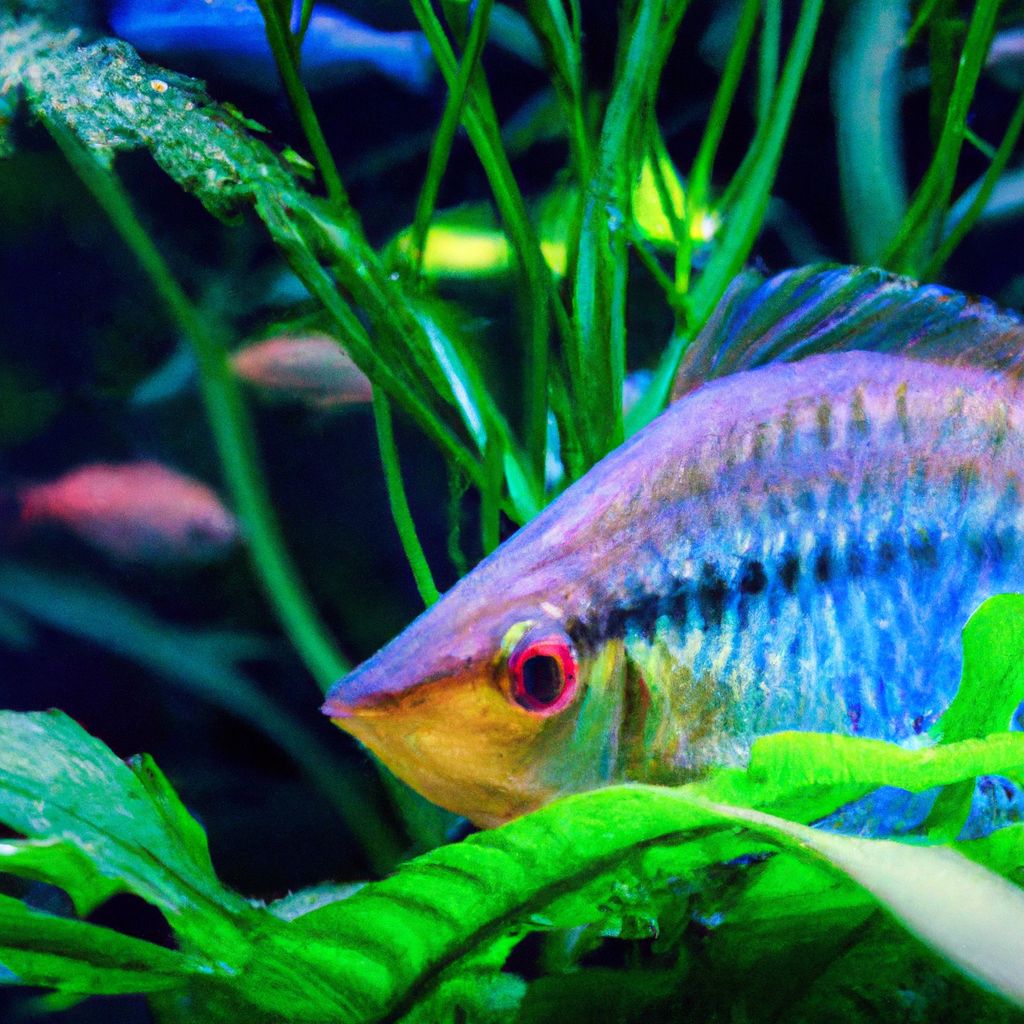
Gourami fish, known for their vibrant colors and graceful movements, are fascinating creatures that exhibit unique behaviors, including their sleep patterns. Understanding how gourami fish sleep can provide valuable insights into their overall behavior and well-being.
To begin, let’s explore the introduction to gourami fish and their sleep cycle. We will also delve into the duration of their sleep and the factors that trigger their sleep. Furthermore, we’ll look at where gourami fish prefer to sleep and their preferred sleeping spots.
We will discuss the sleeping patterns of gourami fish, such as whether they experience REM sleep and if they sleep with their eyes closed. We will also explore whether gourami fish tend to sleep in groups or prefer solitude.
Lastly, we will examine the various adaptations of gourami fish for sleeping, including any specialized sleeping behaviors and body features. By understanding the sleep patterns and adaptations of gourami fish, we gain a deeper appreciation for these captivating creatures and their unique behaviors.
Key takeaway:
- Gourami fish have a distinct sleep cycle: They sleep for a certain duration and have triggers that initiate sleep.
- Gourami fish have preferred sleeping spots: They tend to choose specific areas in their habitat to rest and sleep.
- Gourami fish exhibit unique sleeping patterns: They may or may not experience REM sleep, keep their eyes closed while sleeping, and sleep alone or in groups.
- Gourami fish have adaptations for sleeping: They have specialized behaviors and body features that aid in their sleep.
What is the Sleep Cycle of Gourami Fish?
Gourami fish, like most fish, do not experience a traditional sleep cycle. Instead, they enter a state of rest during which their activity levels decrease and their metabolism slows down. During this rest period, gourami fish may find shelter in plants or hide in crevices to feel secure. It is important to note that gourami fish do not close their eyes or have eyelids, so they remain alert to their surroundings even during rest. This is essential for their survival in the wild, as they need to be aware of potential predators or other threats. While the exact duration of the rest period can vary, gourami fish typically spend several hours in this state each day. This resting behavior is crucial for their overall well-being and allows them to conserve energy for essential activities such as foraging or reproduction.
So, what is the sleep cycle of gourami fish?
How Long Do Gourami Fish Sleep?
Gourami fish sleep for an average of 6 to 8 hours a day. How long do Gourami Fish sleep? They are diurnal fish, which means they are active during the day and sleep during the night. However, the specific length of their sleep can vary depending on various factors such as their age, health, and the conditions of their environment.
During their sleep, gourami fish enter a state of rest where their metabolism slows down, and their activity levels decrease. This allows them to conserve energy and restore their body functions. While sleeping, gourami fish often position themselves in a stationary position, floating near the surface or resting on plant leaves.
It is important to note that gourami fish do not experience REM sleep like humans and other mammals. REM sleep is characterized by rapid eye movement and vivid dreaming. Instead, gourami fish have a more subdued sleep state where their body functions slow down, but their eyes remain open. This allows them to quickly react to any potential threats or disturbances in their environment.
What Triggers Sleep in Gourami Fish?
Gourami fish exhibit specific behaviors and triggers that induce sleep in them. Understanding what triggers sleep in Gourami fish is essential for comprehending their sleep patterns.
Some factors that trigger sleep in Gourami fish include environmental conditions, such as changes in light and temperature.
Gourami fish are diurnal, meaning they are active during the day and sleep at night.
When the lights in their tank are turned off and the environment becomes darker, it signals to the fish that it is time to sleep.
Additionally, a decrease in temperature can also trigger sleep in Gourami fish.
Another trigger for sleep in Gourami fish is the presence of hiding spots or shelter.
Gourami fish prefer to sleep in places where they feel safe and protected.
Having plants, caves, or other structures in the tank provides them with a sense of security, making it easier for them to relax and enter a sleep state.
It is important to note that while these triggers can induce sleep in Gourami fish, individual variations and preferences may exist.
Therefore, it is best to observe the behavior of the specific Gourami fish in your care to better understand what triggers sleep for them.
Where Do Gourami Fish Sleep?
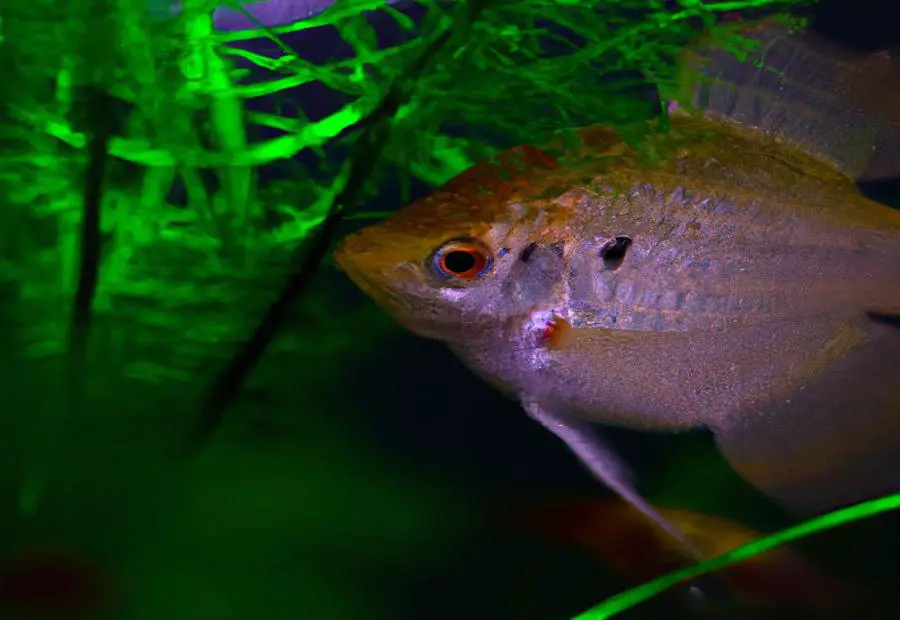
Photo Credits: Bettafishworld.Com by Bruce Jackson
Gourami fish, like all living creatures, need their beauty sleep too!
But have you ever wondered where these fascinating aquatic creatures choose to rest their scales?
In this section, we will dive into the preferred sleeping spots of gourami fish, revealing their hidden secrets and shedding light on their nocturnal habits.
Stay tuned to uncover the intriguing places where these mesmerizing fish find their slumber amidst the aquatic wonderland.
Preferred Sleeping Spots of Gourami Fish
The preferred sleeping spots of gourami fish include:
- Covered areas: Gourami fish tend to select sleeping spots that provide them with cover and protection. This can be in the form of aquatic plants, submerged branches or rocks, or specially designed decorations in aquariums. These covered areas provide a sense of security for the fish during sleep.
- Near the surface: Gourami fish are known to sleep near the water’s surface. This is because they have a labyrinth organ that allows them to breathe air from the surface. Sleeping near the surface enables them to easily access oxygen when needed.
- In calm waters: Gourami fish prefer sleeping in areas with calm and still water. They are sensitive to disturbances and prefer tranquil sleeping environments. These calm waters could be found in the corners of the aquarium, away from strong currents or water flow.
- In the shade: Gourami fish also seek out shaded areas for sleeping. This can be under aquatic plants or structures that provide shade from direct light. The shade helps create a sense of comfort and reduces stress during sleep.
Understanding the preferred sleeping spots of gourami fish is essential for providing a suitable environment for their rest and well-being.
What Are the Sleeping Patterns of Gourami Fish?
Gourami fish have unique sleeping patterns that are different from conventional sleeping behaviors found in other animals. Unlike humans and many other species, gourami fish do not have eyelids to close. Instead, they enter a state of rest where their basal metabolic rate decreases, allowing them to conserve energy. During this restful state, gourami fish remain alert to their surroundings and can respond to stimuli. They may also change their swimming patterns, posture, or hide in their environment to feel secure while resting. It is important to note that gourami fish do not experience a deep sleep like mammals. Their sleeping patterns are more of a form of resting, helping them stay attentive to potential threats or opportunities in their surroundings. These unique sleeping patterns contribute to the survival and adaptation of gourami fish in their natural habitat. Understanding the sleeping patterns of gourami fish is crucial for providing appropriate care and ensuring their well-being in captivity.
Do Gourami Fish Experience REM Sleep?
Gourami fish do not experience REM sleep. REM sleep, which is characterized by rapid eye movements and increased brain activity, is not observed in gourami fish. Instead, gourami fish have a different sleep cycle compared to mammals. During periods of rest, they reduce their activity and enter a more relaxed state. Their body functions slow down, and they may choose a preferred spot to rest, such as floating near the surface or hiding in plants.
It is important to note that gourami fish do not have eyelids, so they do not close their eyes while resting. Instead, they keep their eyes open and remain alert to their surroundings. This adaptation allows them to quickly respond to any potential threats or opportunities in their environment.
Although gourami fish are typically solitary in their behavior, they may opt to rest in groups. This behavior provides a sense of security and companionship, particularly when they are among other fish of the same species.
Pro-tip: When creating an aquarium for gourami fish, it is advisable to incorporate a variety of hiding spots and floating plants to emulate their natural habitat. This will encourage their natural resting behaviors and contribute to their overall well-being.
Do Gourami Fish Sleep with Their Eyes Closed?
Gourami fish, unlike humans and many other animals, do not close their eyes when they sleep. Instead, they have a transparent layer of tissue called the nictitating membrane that covers their eyes to protect them while they sleep. This allows them to still see their surroundings even when they are resting.
During sleep, gourami fish become less active and their body movements slow down. They may find a secure spot in their tank, such as among plants or in a cave, where they feel safe and comfortable to sleep. While they sleep, their body functions continue to operate, but at a slower pace. They may occasionally make small movements or adjust their position while sleeping, but their eyes remain open.
Sleep is an essential part of the gourami fish’s daily routine, allowing them to recharge and rejuvenate. It is important to ensure that the tank environment is conducive to their sleep, with the right water conditions, temperature, and hiding spots. Providing a peaceful and stress-free environment will help promote healthy sleep patterns for gourami fish.
Do Gourami Fish Sleep in Groups or Alone?
Gourami fish have unique sleeping habits, and their sleeping patterns can vary depending on different factors. So, do gourami fish sleep in groups or alone?
Gourami fish typically prefer to sleep alone rather than in groups. This solitary behavior can be observed in both wild and captive gourami fish populations. During their sleep, gourami fish tend to find a secure spot where they can rest undisturbed. They often choose areas with dense vegetation or hiding spots, such as caves or floating plants, to feel safe while sleeping.
Sleeping alone allows gourami fish to reduce the risk of competition or aggression from other fish. It also ensures that each individual can find its own comfortable space for rest. While certain species of gourami may show temporary groupings during the day for social interactions, they tend to disperse and find their own sleeping spots at night.
Remember, the behavior of gourami fish can vary depending on factors such as species, habitat, and individual preferences. While most gourami fish sleep alone, it’s essential to observe and understand the specific behavior of the gourami species you own to provide them with the best care.
By considering the sleeping preferences and characteristics of gourami fish, you can create a suitable environment in your aquarium that promotes their well-being. Providing them with plenty of hiding places and ensuring a peaceful environment will help them feel secure and get the rest they need.
So, when setting up your aquarium for gourami fish, keep in mind their preference for sleeping alone and create a tranquil and safe space for them to rest.
What Are the Adaptations of Gourami Fish for Sleeping?
Gourami fish, fascinating creatures of aquatic wonder, possess unique adaptations that allow them to sleep in their watery abode. In this section, we will dive into the realm of their sleeping habits and explore the specialized behaviors and body features that enable gourami fish to catch a tranquil slumber. Get ready to uncover the secrets behind their extraordinary sleeping adaptations and delve into a world where fins and dreams intertwine.
Specialized Sleeping Behaviors and Body Features
The specialized sleeping behaviors and body features of Gourami fish are crucial to their survival and well-being.
- Gourami fish exhibit a unique behavior known as “anabantoid breathing.” This means they have a specialized labyrinth organ that allows them to breathe atmospheric air. This adaptation enables them to sleep in stagnant or oxygen-deprived waters.
- Another remarkable aspect of the Gourami fish’s sleeping behavior is their ability to sleep in a vertical position. They possess modified pelvic fins that act as suction cups, enabling them to attach to aquatic vegetation or tank walls while resting.
- Moreover, Gourami fish possess the remarkable ability to change their color during sleep. They darken their body pigmentation, which serves as a form of camouflage, protecting them from predators while they are vulnerable.
- Additionally, Gourami fish have unique body features that enhance their ability to sleep. Their eyes are positioned in a way that allows them to see in multiple directions simultaneously, providing them with a 360-degree field of vision even when resting.
- This species also has a specialized organ called the pineal gland, which regulates their sleep-wake cycle. This gland releases hormones that promote sleep during the nighttime and wakefulness during the daytime.
These specialized sleeping behaviors and body features of Gourami fish contribute to their overall survival and ability to thrive in different aquatic environments.
Some Facts About How Do Gourami Fish Sleep:
- ✅ Some gourami fish sleep at the bottom of the tank, hiding in plants and behind decorations. (Source: Aquarium Advice – Aquarium Forum Community)
- ✅ Dwarf gouramis, similar to bettas, have a habit of sleeping on their sides at the bottom of the tank. (Source: Pet Fish Online)
- ✅ As gouramis age, they become slower and more lethargic, leading them to rest more often, either lying down or leaning against objects. (Source: Pet Fish Online)
- ✅ Overfeeding and constipation can cause gouramis to lie at the bottom of the tank. (Source: Pet Fish Online)
- ✅ Stress, diseases, and poor water quality can also force gouramis to rest at the bottom of the tank. (Source: Pet Fish Online)
Frequently Asked Questions
How do gourami fish sleep?
Gourami fish have a unique sleeping behavior due to their need to breathe air. They typically sleep near the surface of the water, where they can access oxygen. However, different gouramis may have varying sleep patterns. Some may sleep at the bottom of the tank, hiding in plants or behind decorations. Others may sleep in the mid-water or even at the top of the tank. It is important to provide a comfortable environment for gourami fish to sleep peacefully.
What is swim bladder disease and how does it affect gouramis?
Swim bladder disease is a common disorder in fish, including gouramis. It affects their ability to maintain balance and swim properly. Swim bladder disease can be caused by various factors such as overfeeding, improper diet, temperature fluctuations, and more. Gouramis with swim bladder disease may struggle to rise from the bottom and swim erratically. It is important to address the underlying causes and provide appropriate treatment to help gouramis recover.
Can dirty tanks make gouramis sick?
Yes, dirty tanks can have a negative impact on the health of gouramis and other fish. Poor water quality, including high ammonia levels and incorrect pH and hardness, can stress gouramis and make them more susceptible to diseases. It is important to maintain a clean and well-maintained tank to ensure the health and well-being of gouramis.
What are some common signs of stress in gouramis?
Gouramis can become stressed due to various factors such as aggressive tank mates, sudden changes in temperature and water chemistry, and dirty tanks. Common signs of stress in gouramis include reduced activity, loss of appetite, pale gills, clamped fins, and unusual behavior. It is important to identify and address the causes of stress to provide a suitable and stress-free environment for gouramis.
Can old age affect the sleeping behavior of gourami fish?
Yes, as gouramis age, they may become slower and more lethargic. This can lead to changes in their sleeping behavior. Older gouramis may rest more often, either lying down or leaning against objects. They may also sleep at different locations in the tank compared to younger gouramis. It is important to monitor the behavior of aging gouramis and provide them with appropriate care.
What are some potential causes for gouramis lying on their side at the bottom of the tank?
If a gourami is lying on its side at the bottom of the tank, it could be due to several reasons. These include old age, overfeeding leading to digestive issues, constipation, swim bladder disease, inappropriate temperature, poor water quality, or underlying diseases such as columnaris or fin rot. It is important to assess the overall health of gouramis and address any potential issues to ensure their well-being.