
Last Updated on 3 years by admin
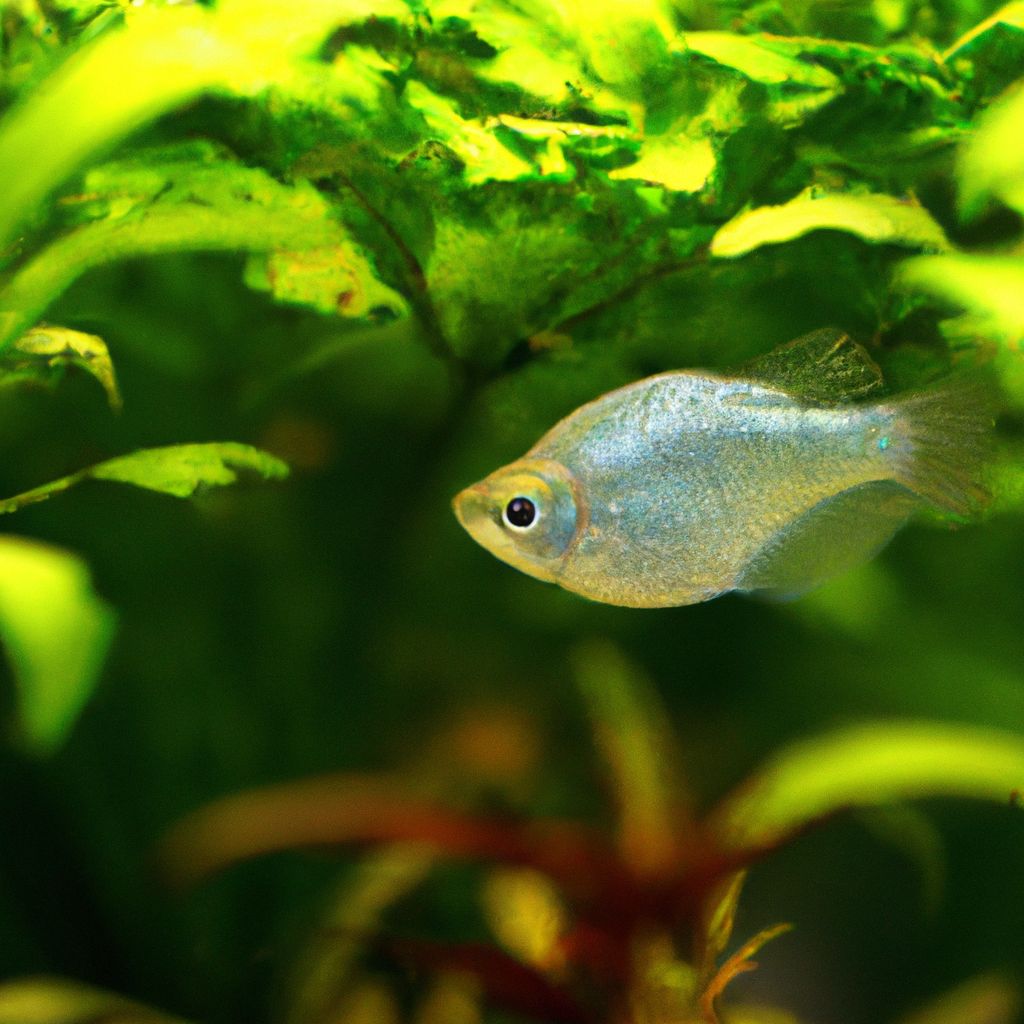
Keeping fish as pets can be a rewarding and fulfilling experience. One popular choice among fish enthusiasts is the Dwarf Gourami. These small, colorful fish are known for their vibrant appearance and unique behaviors. However, when it comes to keeping Dwarf Gourami as pets, many people wonder if they can be kept alone or if they require companionship. In this article, we will explore the characteristics of Dwarf Gourami, their behavior, and discuss whether they can be kept alone or if they need tankmates for a thriving aquarium.
Dwarf Gourami, scientifically known as Trichogaster lalius, are native to the slow-moving waters of South Asia. They are part of the Gourami family and are popular among aquarium enthusiasts for their striking colors and peaceful nature. The males are particularly known for their vibrant hues of red, blue, and orange, while females have a more subdued appearance.
When it comes to their temperament, Dwarf Gourami are generally peaceful and can be kept in community tanks. However, like all fish, they have their unique characteristics that must be taken into consideration when deciding whether they can be kept alone. Understanding their behavior and the pros and cons of keeping them alone is crucial for creating a suitable environment for these beautiful fish.
So, can Dwarf Gourami be kept alone? Let’s delve into their behavior and the factors to consider when deciding whether to keep them solo or in a community setting.
Key takeaway:
- Dwarf Gourami can be kept alone: While Dwarf Gourami can be solitary, it is important to consider their behavior and the pros and cons of keeping them alone before making a decision.
- Tank size and setup matter: When keeping Dwarf Gourami alone, it is crucial to provide an appropriate size tank and set up a suitable environment to meet their needs.
- Consider alternatives for community tanks: If keeping Dwarf Gourami alone isn’t desired, there are compatible tankmates and options for creating a community tank to ensure their well-being and engagement.
Overview of Dwarf Gourami
Dwarf Gourami: An Overview
The Dwarf Gourami, a small freshwater fish native to South Asia, is a vibrant and colorful species. With beautiful shades of blue, red, and yellow commonly observed, these fish add a pop of color to any aquarium. Known for their peaceful nature, they are a great addition to community aquariums.
To provide the best environment for Dwarf Gouramis, it is recommended to keep them in pairs or small groups. They thrive in the presence of their own kind and prefer a well-maintained aquarium with plenty of plants and hiding spots. Because they only reach a maximum length of around 2 inches, they are suitable for smaller tanks.
With proper care and a healthy diet, Dwarf Gouramis can live for approximately 4-6 years. A varied diet is essential, including high-quality fish flakes, pellets, and the occasional live or frozen foods. It is crucial to maintain proper water conditions, such as temperature, pH, and water quality, to ensure their well-being. Regular water changes and monitoring for signs of illness or disease are vital.
Keeping a close eye on the overall health of your Dwarf Gouramis will lead to their thriving in your aquarium. Remember, providing them with a suitable habitat and ensuring their nutritional needs are met are key to their well-being.
TAGS_TBDWhat is a Dwarf Gourami?
“What is a Dwarf Gourami?
The Dwarf Gourami is a small freshwater fish that is popular among aquarium enthusiasts. It belongs to the family Osphronemidae and is native to South Asia. It is known for its vibrant colors and unique patterns, with males displaying more intense hues compared to females. They typically grow to around 2 inches in length.
The Dwarf Gourami is a peaceful fish that can be kept alone or in a community tank with other compatible fish species. It is important to note that while they can be kept alone, they are social by nature and may thrive better in the company of their own species or other peaceful fish.
These fish are relatively easy to care for and can adapt to a variety of water conditions. They prefer a well-maintained tank with plenty of hiding spots and plants. A proper diet consisting of high-quality flake or pellet food, supplemented with occasional treats like frozen or live foods, is essential for their health.
Fun fact: The Dwarf Gourami is known for its ability to create bubble nests on the water’s surface, where they lay their eggs.”
Characteristics of Dwarf Gourami
The dwarf gourami is a small freshwater fish native to South Asia.
Characterized by their vibrant and striking colors, the males of the dwarf gourami species exhibit more color than the females.
With an elongated and laterally compressed body, the dwarf gourami has a sleek and streamlined appearance.
Extending from the middle to the caudal fin, the dorsal fin of the dwarf gourami is elongated.
In addition to their unique physical characteristics, dwarf gouramis possess a labyrinth organ, enabling them to extract oxygen from the air at the surface of oxygen-deprived waters.
When kept in captivity, dwarf gouramis have an average lifespan of about 3 to 4 years.
Known for their peaceful nature, dwarf gouramis typically do not display aggression towards other fish species.
Within the aquarium, dwarf gouramis prefer to swim in the middle and top levels.
One of the notable traits of these fish is their ability to change colors, particularly during courtship or when exhibiting aggression.
Omnivorous by nature, dwarf gouramis consume a varied diet that includes small invertebrates, plants, and commercially available fish pellets.
Can Dwarf Gourami Be Kept Alone?
Looking into the fascinating world of dwarf gourami, we ponder the question: Can they thrive in solitude? Delving into their behavior, we uncover the intriguing aspects that shed light on their suitability for solitary living. Additionally, we explore the potential benefits and drawbacks of keeping these captivating creatures alone. So, buckle up and embark on a journey to unveil the hidden truths behind the potential loneliness of our beloved dwarf gourami companions.
Behavior of Dwarf Gourami
If you are considering keeping Dwarf Gourami, it’s important to understand the behavior of these small, peaceful fish known for their colorful appearance. They are generally peaceful towards other fish, but can become territorial and aggressive towards their own kind. Male Dwarf Gourami are especially known for their vibrant colors and elaborate displays to attract females. These active swimmers enjoy exploring their surroundings, but they prefer a peaceful and calm environment. To ensure their well-being, it’s important to provide hiding spots and areas with dense vegetation in the tank. While they are generally not aggressive towards other fish, they may become territorial if they feel threatened.
Dwarf Gourami are omnivorous and enjoy a varied diet of both live and frozen foods, as well as high-quality flakes and pellets. However, they are sensitive to water conditions, so maintaining proper water parameters and performing regular water changes is crucial for their health. To help these fish thrive, it is vital to consider their behavior and provide them with a suitable environment that includes hiding spots and a peaceful tank. Additionally, offering a varied diet and closely monitoring water quality will contribute to their overall well-being.
Pros of Keeping Dwarf Gourami Alone
I decided to keep a dwarf gourami alone in its own tank after observing its aggressive behavior towards other fish in a community tank.
Keeping dwarf gourami alone has several benefits. Firstly, it helps reduce aggression and territorial conflicts. Additionally, it allows better control over their diet, ensuring they receive adequate nutrition. By being the sole inhabitant of the tank, a solitary dwarf gourami can become more comfortable and confident in its environment. Moreover, tank maintenance becomes simpler as there are no concerns about compatibility with other fish. Lastly, a single dwarf gourami can be the focal point of the aquarium, showcasing its beautiful coloration and unique behavior.
In my experience, the dwarf gourami thrived and became more at ease in its surroundings through its solitary existence. During feeding time, it eagerly greeted me, and it established a routine quickly. It was truly fascinating to witness the positive effects of keeping the dwarf gourami alone.
Cons of Keeping Dwarf Gourami Alone
Keeping Dwarf Gouramis alone can have negative effects on their mental well-being, resulting in loneliness and boredom.
Isolation from companionship may lead to stress in Dwarf Gouramis and impact their overall health and happiness.
When kept without tankmates, Dwarf Gouramis may display aggression towards their own reflection or direct it towards other fish in the tank.
By not providing Dwarf Gouramis with the opportunity to interact with other fish, their natural behaviors like schooling, foraging, and social interactions are limited.
A community tank with other species allows Dwarf Gouramis to thrive, providing mental stimulation and a more natural environment.
Lack of tankmates may cause Dwarf Gouramis to become more timid, leading to increased hiding and less opportunity to observe and appreciate their natural beauty.
Considerations for Keeping Dwarf Gourami Alone
Considering the well-being of your dwarf gourami? Dive into the considerations for keeping them alone, exploring topics such as tank size and setup, as well as providing enrichment and stimulation. Learn how the right habitat and activities can ensure a happy and thriving solitary life for your dwarf gourami. Let’s delve into the key aspects that contribute to the optimal care and solitary enjoyment of these vibrant aquatic creatures.
Tank Size and Setup
The tank size and setup for keeping Dwarf Gourami play a crucial role in their overall well-being and comfort. Here is a table outlining the necessary tank size and setup for these beautiful fish:
| Tank Size | Minimum 20 gallons |
| Water Temperature | 76-82 degrees Fahrenheit |
| Water pH Level | 6.0-7.5 |
| Filtration System | Efficient filtration system to maintain water quality |
| Substrate | Soft, sandy substrate to mimic their natural habitat |
| Decorations | Plenty of plants, caves, and hiding spots |
Ensuring a spacious tank will allow the Dwarf Gouramis to swim freely, promoting their physical and mental well-being. The suitable water temperature and pH level will mimic their natural habitat and promote a healthy environment.
A proper filtration system is crucial to maintain water quality and prevent any build-up of harmful substances. The use of a soft, sandy substrate will replicate their natural habitat, making them feel more comfortable and secure. Adding plenty of plants, caves, and hiding spots will provide enrichment and give them places to retreat.
Remember, these guidelines are the minimum requirements for tank size and setup. Providing a larger tank with ample swimming space and a well-maintained environment will promote the overall health and longevity of your Dwarf Gouramis.
Dwarf Gouramis are beautiful and captivating fish that require specific care to thrive. By providing them with an appropriate tank size and setup, you will create an ideal home for these fascinating creatures.
In a historical context, the understanding of the appropriate tank size and setup for Dwarf Gouramis has evolved over time. Research and experience have shown that these specifications are necessary to ensure the well-being and happiness of these fish in captivity. By adhering to these guidelines, fish keepers can create an environment that closely resembles their natural habitat, allowing Dwarf Gouramis to flourish.
Providing Enrichment and Stimulation
Ensuring the well-being and overall happiness of dwarf gourami requires providing enrichment and stimulation. Here are some ways to naturally incorporate these elements into their environment:
- Offer a variety of hiding spots: Dwarf gourami naturally seek out hiding places in their surroundings. Create hiding spots in the aquarium using rocks, caves, or plants.
- Add live plants: Live plants not only provide visual interest but also serve as natural habitats for dwarf gourami. They can explore and interact with the plants, mimicking their natural behavior.
- Include floating plants: Floating plants like water lettuce or duckweed offer shade and create a sense of security for the dwarf gourami. They can also serve as spawning sites for breeding purposes.
- Use aquarium decorations: Decorations such as PVC pipes or small tunnels can act as additional hiding spots and encourage the gourami to explore their surroundings.
- Provide a varied diet: Offering a diverse diet of high-quality flake, pellet, and frozen foods not only provides essential nutrients but also simulates foraging and hunting behaviors. Occasional live or freeze-dried foods can be considered for added enrichment.
Fact: By providing enrichment and stimulation, you not only promote the physical and mental well-being of dwarf gourami but also help prevent stress-related issues and enhance their overall quality of life.
Alternatives to Keeping Dwarf Gourami Alone

Photo Credits: Bettafishworld.Com by Richard Wilson
Looking for companionship options for your dwarf gourami? Look no further! In this section, we’ll explore some exciting alternatives to keeping your dwarf gourami all by itself. From compatible tankmates that can live harmoniously with your gourami to creating a vibrant community tank, we’ve got you covered. No more solitary confinement for your aquatic buddy – let’s dive into the world of keeping dwarf gourami in the company of other fascinating aquatic creatures.
Compatible Tankmates for Dwarf Gourami
When looking for compatible tankmates for Dwarf Gourami, it is important to consider fish that have similar behavior, water parameters, and size. Here are some options for compatible tankmates for Dwarf Gourami:
- Tetras: Species such as Neon Tetras and Ember Tetras are peaceful and have similar water temperature and pH requirements.
- Guppies: These small and colorful fish are also peaceful and can coexist well with Dwarf Gourami.
- Platies: Platies are easy to care for and can get along nicely with Dwarf Gourami.
- Corydoras Catfish: These bottom-dwelling fish are peaceful and can assist in keeping the tank clean.
- Harlequin Rasboras: These schooling fish are active yet peaceful and can create a harmonious community with Dwarf Gourami.
It is essential to thoroughly research and consider the specific needs and requirements of each species to ensure compatibility and maintain a balanced ecosystem within the aquarium. Additionally, gradually introducing tankmates and providing appropriate hiding spots and territories can help reduce aggression and stress among the fish.
Creating a Community Tank with Dwarf Gourami
Creating a community tank with dwarf gourami requires careful selection of suitable tankmates, appropriate introductions, and close monitoring of behavior to ensure a harmonious and thriving aquatic environment. Compatibility is key when choosing tankmates for dwarf gourami. It is important to select peaceful species that are known to coexist well with dwarf gourami, such as neon tetras, harlequin rasboras, and cherry barbs. Consider the size of the tankmates, as they should be similar in size to the dwarf gourami to minimize potential aggression or predation.
When adding tankmates, it is important to consider the quantity of fish in the tank. Overcrowding can lead to stress and poor water quality. Therefore, proper introductions are necessary. Monitor the behavior of the new fish closely, and if any aggression is observed, it may be necessary to rearrange decorations or remove the aggressive fish.
Regularly observe the interactions between the dwarf gourami and the tankmates to ensure compatibility. Look for signs of stress, aggression, or any other compatibility issues. Providing hiding places, such as plants and caves, is crucial to offer refuge to all fish in the tank.
Maintaining water quality is essential for a healthy environment in a community tank with dwarf gourami. Regular water changes and proper filtration will help ensure the well-being of all fish involved. By incorporating these considerations and following proper procedures, a successful community tank with dwarf gourami can be created.
Caring for Dwarf Gourami
Looking after your dwarf gourami is no small task! In this section, we’ll dive into the essential aspects of caring for these beautiful fish. From ensuring they have a proper diet and feeding routine to maintaining the water quality they thrive in, we’ll explore the key components that contribute to their well-being. So, get ready to become the ultimate caretaker for your dwarf gourami companions!
Proper Diet and Feeding
When it comes to the proper diet and feeding of Dwarf Gourami, it’s important to provide them with a balanced and nutritious meal. Here’s a table outlining the key aspects of their diet:
| Food | Quantity | Frequency |
| High-quality fish flakes or pellets | A pinch per fish | Twice a day |
| Frozen or live foods (e.g., brine shrimp, bloodworms) | Small portion | Once or twice a week |
| Vegetables (e.g., blanched spinach, peas) | Small portion | Once or twice a week |
| Quality flake food with spirulina | A pinch per fish | Once a day |
It’s important to note that overfeeding can lead to bloating and other health issues. Only provide the necessary quantity mentioned above to avoid overfeeding. Additionally, a varied diet is crucial for their overall well-being and to ensure they receive all the necessary nutrients.
Pro-tip: Remember to remove any uneaten food after a few minutes to maintain water quality and prevent it from polluting the tank. Observing the feeding behavior of your Dwarf Gourami can also help you adjust the feeding schedule or types of food to meet their specific needs.
By following these guidelines, you can ensure that your Dwarf Gourami receives a proper diet and stays healthy and happy in their tank.
Maintaining Water Quality
When it comes to keeping a dwarf gourami, maintaining water quality is crucial. Here are some important considerations:
- Regular water testing: It is essential to regularly test the water parameters such as ammonia, nitrite, nitrate, and pH levels to ensure that the water quality remains safe and suitable for the dwarf gourami.
- Frequent water changes: To keep the water clean and healthy for the fish, it is necessary to perform regular water changes. Aim to change 25-50% of the tank water every week to remove accumulated toxins and maintain optimal water conditions.
- Use of quality filtration: To keep the water clean and well-circulated, invest in a good filtration system for the tank. Mechanical, biological, and chemical filtration can be combined to help remove impurities and maintain water quality.
- Avoid overstocking: To prevent increased waste production and poor water quality, it is recommended to follow appropriate stocking guidelines, ensuring the right balance in the tank.
- Monitor temperature and oxygen levels: Vital for the health of the dwarf gourami, maintaining suitable temperature and oxygen levels is important. Use a reliable heater and air pump to regulate these parameters.
- Prevent overcrowding: Ensure that the tank has enough space for the dwarf gourami to swim freely and establish territories, as overcrowding can lead to stress, competition for resources, and a decline in water quality.
By following these guidelines, you can promote the overall health and well-being of your dwarf gourami by maintaining optimal water quality.
Some Facts About “Can Dwarf Gourami Be Kept Alone”:
- ✅ Dwarf gouramis are social fish that thrive best in a group. (Source: jaljeev.com)
- ✅ Keeping a single dwarf gourami alone can lead to loneliness, stress, depression, appetite loss, weakened immune system, discoloration, and untimely demise. (Source: jaljeev.com)
- ✅ A single dwarf gourami is likely to feel lonely and resort to hiding most of the time. (Source: jaljeev.com)
- ✅ Depression is another problem faced by dwarf gouramis that live alone, making them sluggish and lethargic. (Source: jaljeev.com)
- ✅ Being alone will not be fatal to a dwarf gourami immediately, but over time, it can lead to diseases or injuries and ultimately result in untimely demise. (Source: jaljeev.com)
Frequently Asked Questions
Can dwarf gourami be kept alone?
Dwarf gouramis are social fish that thrive best in a group. They feel protected from predators when they live in large groups in the wild. Keeping a single dwarf gourami alone can lead to loneliness, stress, depression, appetite loss, weakened immune system, discoloration, and untimely demise.
What are the consequences of keeping a single dwarf gourami alone?
Keeping a single dwarf gourami alone can lead to several negative effects, including loneliness, stress, depression, appetite loss, weakened immune system, discoloration, stunted growth, muscle stiffness, poor blood circulation, and ultimately untimely demise.
Why is it not advisable to keep a single dwarf gourami alone in a community tank?
A single dwarf gourami in a community tank may spend most of its time hiding and can be bullied by other tankmates. This can cause stress, poor appetite, weakened immunity, and susceptibility to diseases, leading to a decline in overall health.
What is the recommended number of dwarf gouramis to be kept together?
Dwarf gouramis should be kept in a group of at least four individuals, but they can also be kept in pairs or with three females and one male to avoid harassment and territorial disputes.
Can a dwarf gourami be housed alone if it is a commercially produced male?
Yes, a commercially produced male dwarf gourami can be kept alone as they have better chances of survival and are more hardy. Keeping a single male prevents aggression towards females and allows the reader to appreciate its beautiful colors without worrying about the health of a harassed female.
What are the potential risks of keeping several male gouramis together?
Keeping multiple male gouramis requires a large group to prevent territorial disputes and aggression. Without a large enough group, they may constantly compete for dominance, which can lead to physical injuries, stress, and poor overall health.