
Last Updated on 3 years by admin
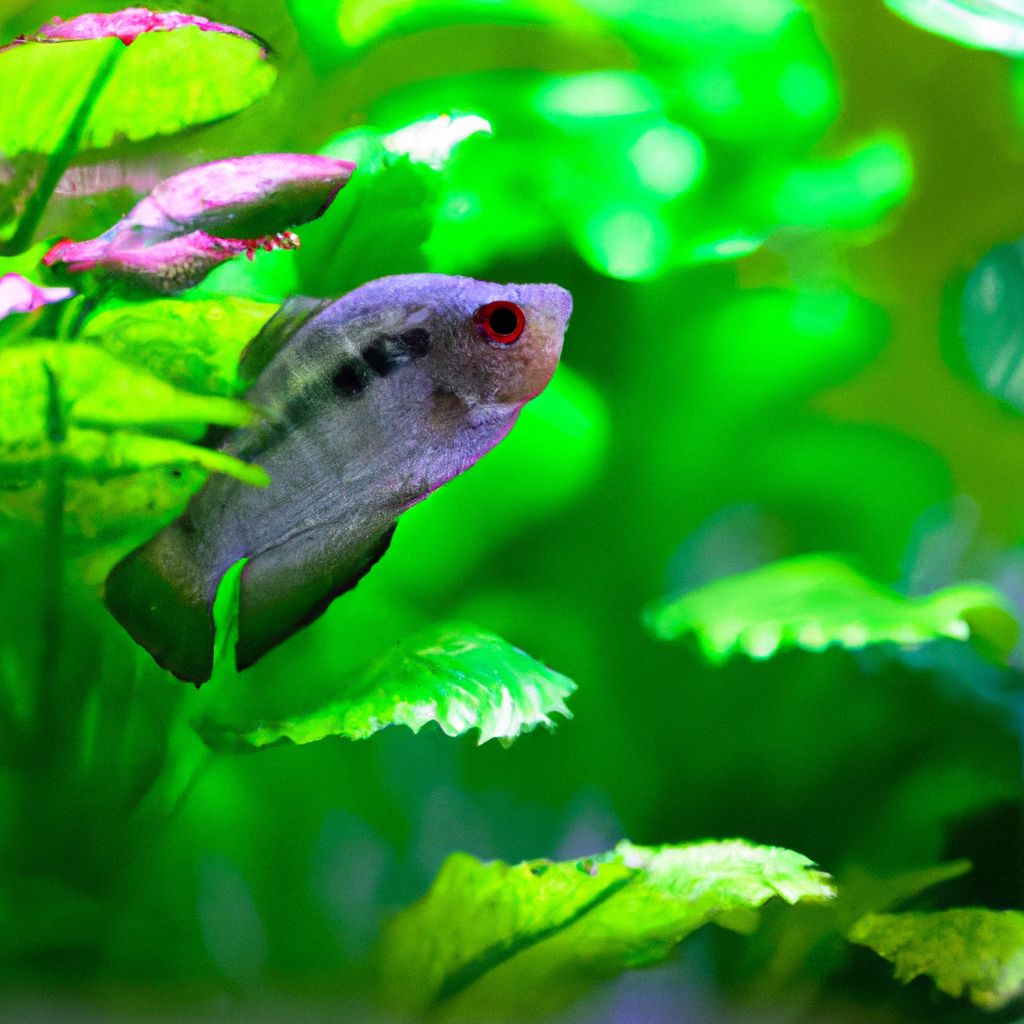
Dwarf gouramis are popular aquarium fish known for their vibrant colors and unique personalities. However, it can be concerning when you notice your dwarf gourami hiding for prolonged periods. Understanding their behavior and determining the reasons behind their hiding can help address any potential issues.
Dwarf gouramis, also known as Trichogaster lalius, are small labyrinth fish native to Southeast Asia. They are naturally shy and tend to seek shelter in their environment. There are several reasons why dwarf gouramis may choose to hide.
One possible reason is the importance of providing hiding places in their tank. Creating a well-planted aquarium with caves, rocks, or vegetation can give them the security they need.
However, if a dwarf gourami continues to hide persistently, there may be underlying issues causing this behavior. Poor water quality can lead to stress and discomfort, causing gouramis to hide. Inadequate tank conditions, such as inappropriate temperature, pH levels, or lack of filtration, may also contribute to their hiding behavior.
Stress and aggression within the tank can also cause dwarf gouramis to retreat and hide. Dominant or aggressive tankmates can intimidate gouramis, making them seek refuge. Sickness or disease can affect their well-being and cause them to hide as a natural defense mechanism.
To ensure the health and happiness of your dwarf gourami, it is important to recognize signs of a happy and healthy fish, such as vibrant colors, active swimming, and a healthy appetite. Implementing certain strategies can encourage your dwarf gourami to come out of hiding. These may include maintaining optimal water conditions, creating a stimulating environment with plants and decorations, providing adequate hiding places, monitoring tankmates and aggression levels, and addressing any signs of stress or health issues promptly. By understanding their behavior and taking necessary steps, you can create a conducive environment for your dwarf gourami to thrive happily in your aquarium.
1. Understanding Dwarf Gourami Behavior
- Dwarf gouramis are small fish commonly kept as pets in aquariums.
- They tend to hide for various reasons, such as feeling threatened or stressed.
- To ensure their well-being, it is crucial to provide hiding places in their habitat.
2. Possible Reasons for Dwarf Gourami Hiding
- Poor water quality can lead to dwarf gouramis seeking refuge in hiding spots.
- Inadequate tank conditions, such as incorrect temperature or insufficient space, can also cause them to hide.
- Stress and aggression from tankmates can make dwarf gouramis retreat into hiding.
- Hiding behavior may also indicate sickness or disease in dwarf gouramis.
3. Signs of a Happy and Healthy Dwarf Gourami
- A happy and healthy dwarf gourami will be active, brightly colored, and engage with its environment.
- They will swim freely and confidently throughout the tank.
- Regular feeding and interaction are signs of a content dwarf gourami.
4. Tips to Encourage Dwarf Gourami to Come out of Hiding
- Maintaining optimal water conditions, including proper filtration and water parameters, can help alleviate hiding behavior.
- Creating a stimulating environment with plants, decorations, and hiding spots can make dwarf gouramis feel more secure.
- Providing adequate hiding places, such as caves or vegetation, will offer dwarf gouramis safe spaces to retreat to.
- Monitoring tankmates and addressing any aggression issues can reduce stress and promote a confident demeanor.
- Addressing potential stressors or health issues promptly, such as introducing appropriate medications, can encourage dwarf gouramis to come out of hiding.
Understanding Dwarf Gourami Behavior
Understanding Dwarf Gourami Behavior is crucial for their well-being. These small fish exhibit certain behaviors that can indicate their overall health and happiness.
Observation is key when it comes to understanding Dwarf Gourami Behavior. Taking the time to observe them will help you identify any changes or deviations from their usual patterns.
It is common for dwarf gouramis to engage in hiding behavior. This behavior can be caused by various factors such as stress, poor water conditions, or an inadequate tank setup. Therefore, it is important to ensure that their environment meets their needs.
Dwarf gouramis, especially males, can display territorial behavior and aggression towards other tank mates. To prevent this, it is advisable to provide ample hiding spaces and create a balanced community tank.
Understanding their feeding habits is crucial for the well-being of Dwarf Gouramis. They are omnivorous and prefer a varied diet. It is important to provide them with a balanced and nutritious diet to maintain their health.
Dwarf gouramis are social fish and thrive in a peaceful environment. Providing companionship and suitable tankmates can enhance their well-being.
By understanding Dwarf Gourami Behavior, you can create an optimal environment for them to thrive. Regular observation and proper care will ensure a happy and healthy dwarf gourami.
What Are Dwarf Gouramis?
Dwarf gouramis, also known as small freshwater fish, are highly regarded for their vibrant colors and peaceful temperament. Belonging to the gourami family, these delightful creatures are indigenous to Southeast Asia. Their stunning appearance and manageable care requirements make them a beloved choice among aquarium enthusiasts.
One of the defining characteristics of dwarf gouramis is their unique body shape, which is accentuated by their elongated fins. The males of this species boast an exceptional array of colors, ranging from striking blues to vibrant reds and oranges. Conversely, females tend to have less vibrant coloration.
These sociable fish thrive in well-planted aquariums that offer numerous hiding spots. Incorporating live plants and other habitat decorations can create a more comfortable environment for them. It is advisable to maintain a balanced male to female ratio to prevent any potential aggression issues.
Dwarf gouramis are best suited to peaceful surroundings and can coexist harmoniously with non-aggressive fish species. However, it is crucial to carefully monitor tankmates and aggression levels in order to ensure the well-being of all the fish. Opting for a larger tank is often preferable, as it provides ample swimming space and minimizes stress levels.
Why Do Dwarf Gouramis Hide?
Dwarf gouramis hide for several reasons. Why do dwarf gouramis hide? One of the main factors is stressed caused by aggression from tank mates. If they are being picked on or feeling threatened, they will seek out hiding spots to feel safe. Another reason could be due to poor water quality or inadequate tank conditions. If the water chemistry is off or the tank size is too small, they may feel uncomfortable and hide as a result.
Stress and illness are also common causes for dwarf gouramis hiding. If they are experiencing stress due to changes in the environment or if they are sick with a bacterial or internal infection, they may hide to protect themselves.
To encourage dwarf gouramis to come out of hiding, it is important to create optimal water conditions and provide a stimulating environment. This can be achieved by maintaining proper water chemistry, adding live plants and habitat decorations, and ensuring a well-planted tank. It is also essential to monitor tank mates and aggression levels, addressing any issues that arise. Additionally, addressing stress and health issues promptly is crucial to help the gouramis feel more comfortable and secure in their environment.
Importance of Providing Hiding Places
The importance of providing hiding places for dwarf gouramis cannot be overstated.
Dwarf gouramis are naturally shy and territorial fish, and they require hiding spots to feel safe and secure in their environment.
Without adequate hiding places, these fish may become stressed and anxious, leading to negative effects on their physical and mental well-being.
Hiding places serve multiple purposes for dwarf gouramis. They provide them with a sense of security and a place to retreat to when they feel threatened or overwhelmed.
Hiding spots also promote natural behaviors and encourage the fish to explore their surroundings.
Additionally, hiding places can help to create separate territories for fish in a community tank, reducing aggression issues and allowing them to live together peacefully.
When setting up the tank for dwarf gouramis, it is recommended to include a variety of hiding spots such as caves, plants, and decorations.
Live plants and well-planted tanks are especially beneficial as they provide coverage and mimic the natural environment of the fish.
Possible Reasons for Dwarf Gourami Hiding
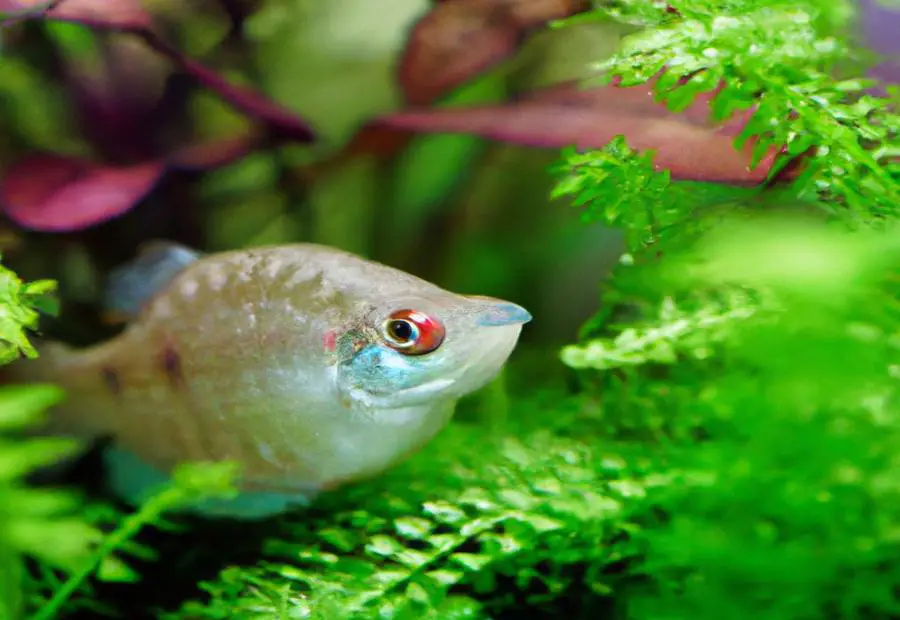
Photo Credits: Bettafishworld.Com by Brian Clark
If you’ve ever wondered why your dwarf gourami hides, this section has the answers you’re looking for. We’ll explore the possible reasons behind their elusive behavior, including factors like poor water quality, inadequate tank conditions, stress and aggression, and sickness or disease. So, let’s dive in and uncover the hidden truths behind your shy little aquatic friend.
Poor Water Quality
Poor water quality can have a detrimental impact on the behavior and health of dwarf gouramis. Water that is contaminated or contains elevated levels of toxins can result in stress and illness in these fish. It is crucial to maintain optimal water conditions to ensure the well-being of your dwarf gouramis.
High concentrations of ammonia or nitrite in the water can be particularly damaging to fish. These substances are poisonous and can cause respiratory issues, reduced immune function, and even mortality in severe cases. Additionally, poor water quality can contribute to bacterial infections and internal parasites, further compromising the health of dwarf gouramis.
To prevent poor water quality, it is essential to regularly conduct water testing to monitor levels of ammonia, nitrite, nitrate, pH, and temperature. Regular water changes should also be carried out to eliminate any accumulated toxins. Furthermore, properly cycling the tank before introducing dwarf gouramis is vital to establish a stable and healthy environment.
Remember, maintaining good water quality not only prevents health issues but also enhances the overall well-being and vibrancy of your dwarf gouramis. Therefore, ensure that you prioritize proper water maintenance for your fish to thrive in their aquatic habitat.
Fun Fact: Dwarf gouramis are renowned for their stunning and vibrant colors, which can fade or become less vibrant in conditions of poor water quality.
Inadequate Tank Conditions
Inadequate tank conditions can have a detrimental impact on the behavior and well-being of dwarf gouramis. Here are some factors to consider:
- Water quality: Poor water quality, such as high levels of ammonia, nitrite, or nitrate, can stress out dwarf gouramis and make them more prone to hiding.
- Tank size: A small tank can lead to overcrowding and territorial disputes among tank mates, causing stress and prompting the dwarf gouramis to hide.
- Hiding spots: Insufficient hiding places in the tank can make dwarf gouramis feel exposed and vulnerable, leading them to seek out hiding spots.
- Aggression issues: Inadequate tank conditions can contribute to aggression among tank mates, including picking on the dwarf gouramis. This can cause them to hide in order to avoid confrontations.
- Water chemistry: Imbalances in water chemistry, such as incorrect pH levels or water hardness, can negatively affect the health and behavior of dwarf gouramis, causing them to hide.
One fish owner noticed that their dwarf gourami was constantly hiding behind the tank decorations. Concerned about the unusual behavior, they decided to assess the tank conditions. They discovered that the water quality was suffering due to infrequent water changes and inadequate filtration. After improving the tank conditions by maintaining regular water changes and upgrading the filtration system, the dwarf gourami gradually came out of hiding and displayed more active and curious behavior. This experience highlighted the importance of providing inadequate tank conditions to ensure the well-being and happiness of dwarf gouramis.
Stress and Aggression
Dealing with stress and aggression is essential for the well-being of dwarf gouramis. Here are some important factors to consider:
- Aggression: Dwarf gouramis may hide when faced with aggression issues among their tankmates. It is crucial to observe their behavior and promptly address any aggression problems.
- Stress: Various factors, such as changes in the tank environment or the addition of new fish, can stress out dwarf gouramis. To minimize stress levels, it is important to provide them with sufficient hiding spots and maintain a stable and peaceful tank.
- Physical reasons: Sometimes, dwarf gouramis may hide due to physical reasons like sickness or internal infections. Regular health checks and proper care can help prevent such issues.
- Environmental factors: Inadequate tank size, poor water chemistry, and a lack of suitable hiding places can contribute to stress and aggression in dwarf gouramis. It is vital to ensure optimal water conditions, provide appropriate tank decorations, and create a stimulating environment for them.
- Bacterial infections: Dwarf gouramis are susceptible to bacterial infections, which can lead to stress and hiding behavior. Keeping a close eye on water quality and taking necessary measures to prevent infections is crucial.
By addressing stress and aggression issues and providing a suitable environment, fish owners can promote the well-being and thriving of dwarf gouramis in their tank.
Sickness or Disease
When it comes to dwarf gouramis, sickness or disease can contribute to their hiding behavior. Here are some possible sickness or disease-related factors to consider:
- Bacterial infection: A common health issue for dwarf gouramis is bacterial infection. This can cause them to feel unwell and seek refuge in hiding spots to minimize their stress levels.
- Internal infection: Internal infections, such as those affecting the organs or swim bladder, can also cause dwarf gouramis to hide. These infections can impact their ability to swim properly and make them feel uncomfortable.
- Physical reasons: Certain physical conditions, like parasites or injuries, can lead to dwarf gouramis hiding. When they are feeling unwell, they may seek solitude to recover and protect themselves from further harm.
- Negative effects of water chemistry: Poor water quality, unbalanced pH levels, or high levels of ammonia or nitrites in the tank can be detrimental to the health of dwarf gouramis. Such conditions can stress them out and make them more prone to sickness.
It’s important to regularly monitor the health of your dwarf gouramis and address any sickness or disease promptly. Providing a clean and well-maintained tank environment, proper nutrition, and regular check-ups with a veterinarian can help prevent and treat any health issues that may cause them to hide.
Fish enthusiasts have long observed that dwarf gouramis may hide when they are feeling unwell. This behavior can serve as a valuable indicator of their health status. By paying attention to their hiding behavior and ensuring optimal care, fish owners can promote the well-being and longevity of their beloved dwarf gouramis.
Signs of a Happy and Healthy Dwarf Gourami
Signs of a happy and healthy dwarf gourami include:
- Active swimming: A healthy dwarf gourami will swim around its tank energetically, exploring its environment and interacting with other fish.
- Bright colors: A happy dwarf gourami will display vibrant and vivid colors, indicating good overall health and well-being.
- Healthy appetite: A content dwarf gourami will eagerly consume its food, showing no signs of a decreased or lackluster appetite.
- Clear eyes: The eyes of a healthy dwarf gourami should be clear and free from any cloudiness or discoloration.
- Responsive behavior: A happy dwarf gourami will be alert and responsive to its surroundings, exhibiting curiosity and interest.
- Fin and body condition: The fins of a healthy dwarf gourami should be intact and undamaged, with no signs of fraying or deterioration. The body should appear plump and full, without any visible signs of disease or injury.
- Peaceful interaction: A happy dwarf gourami will engage in peaceful interactions with other fish in the tank, showing minimal signs of aggression or stress.
Tips to Encourage Dwarf Gourami to Come out of Hiding
Want to see your dwarf gourami thrive and explore its tank? Check out these helpful tips to encourage your little buddy to come out of hiding. Learn how to ensure optimal water conditions, create a stimulating environment, provide adequate hiding places, monitor tankmates and aggression levels, and address any stress or health issues. With these strategies, you’ll soon witness your dwarf gourami confidently swimming and displaying its vibrant colors for all to see!
Ensure Optimal Water Conditions
To ensure optimal water conditions for your dwarf gourami, follow these steps:
- Monitor water temperature regularly to ensure it is within the recommended range for dwarf gouramis, which is between 76-82 degrees Fahrenheit.
- Keep the pH level of the water between 6.0-7.5 to maintain a suitable environment for your gourami.
- Test the water regularly for ammonia, nitrite, and nitrate levels to ensure they are within acceptable ranges. Ammonia and nitrite levels should be at 0 ppm, while nitrate levels should be kept below 20 ppm.
- Perform regular water changes to keep the water clean and minimize the presence of harmful substances. Aim for weekly water changes of 25-50% of the tank volume.
- Ensure proper filtration in your tank to remove debris and maintain good water quality. Choose a filter that is suitable for your tank size and follow the manufacturer’s instructions for maintenance.
In addition to these steps, consider implementing the following suggestions:
- Add live plants to the tank as they can help improve water quality by absorbing nitrates and providing a natural habitat for your gourami.
- Provide a well-planted tank with plenty of hiding spots to reduce stress and create a comfortable environment for your gourami.
- Consider the male to female ratio in your tank to prevent aggression issues. A ratio of one male to two or more females is recommended.
- Make sure the tank is adequately sized for your gourami. A larger tank, such as a 55-gallon, provides more swimming space and allows for better water circulation.
By following these steps and suggestions, you can ensure optimal water conditions for your dwarf gourami, promoting their well-being and overall health.
Create a Stimulating Environment
To create a stimulating environment for your dwarf gourami, consider the following:
1. Provide a well-planted tank: Live plants not only serve as hiding spots but also help mimic the gourami’s natural environment. They provide places to explore and create a sense of security.
2. Ensure a suitable tank size: A larger tank, like a 55-gallon tank, allows for more swimming space and provides a more natural habitat for the gourami.
3. Consider the female to male ratio: Keeping multiple dwarf gouramis together can enhance their interaction and create a dynamic social environment. However, make sure to maintain a proper ratio to prevent aggression issues.
4. Add habitat decorations: Incorporate various hiding places and spots for the gourami to explore, such as caves, driftwood, or rocks. These decorations provide enrichment and encourage active swimming.
5. Include floating plants: Floating plants like duckweed or water lettuce provide shade and cover for the gourami. They also mimic the gourami’s natural habitat and contribute to better water quality.
6. Monitor water chemistry: Maintaining optimal water parameters is crucial for the gourami’s well-being. Regularly test and regulate temperature, pH, ammonia, and nitrate levels to create a healthy and stimulating environment.
7. Keep tank mates compatible: Choose tank mates that are peaceful and compatible with dwarf gouramis. Avoid aggressive or territorial fish that may stress or harm the gourami.
8. Create a variety of hiding places: Incorporate different types of hiding places, such as caves, plants, or decorations, to provide a range of options for the gourami to choose from.
Provide Adequate Hiding Places
When caring for dwarf gouramis, it is crucial to provide adequate hiding places in their tank. This is necessary to create a comfortable and stress-free environment for them. Here are some steps to follow:
- Include live plants in the tank. Live plants not only add beauty but also provide natural hiding spots for the dwarf gouramis.
- Create a well-planted tank. The more plants you have, the more hiding spaces there will be for the dwarf gouramis to explore and feel secure.
- Consider the female to male ratio. Maintaining more females than males can help reduce aggression and ensure there are enough hiding places for the weaker fish.
- Ensure your tank does not have aggression issues. If certain tankmates are bothering the dwarf gouramis, it is crucial to provide additional hiding spots to give them a safe space to retreat.
- Arrange habitat decorations strategically. Incorporate rocks, caves, and driftwood in the tank to create diverse hiding places throughout.
- Opt for brightly colored decorations. Bright colors will attract the dwarf gouramis to the hiding spots, making them feel more secure and comfortable.
- Provide hiding places at different levels in the tank. This will cater to the natural behavior of the gouramis, who like to hide behind or inside structures.
- Consider the size of your tank. Larger tanks offer more room for hiding places, while smaller tanks may require more creativity to maximize space and provide adequate hiding spots.
- Add floating plants or a floating ring. These floating additions will provide extra hiding spots and a sense of security for the dwarf gouramis.
- Maintain optimal water chemistry. It is crucial to ensure suitable water parameters to prevent stress in dwarf gouramis, which can lead to increased hiding behavior.
By following these steps and incorporating adequate hiding places, you can guarantee that your dwarf gouramis feel secure and comfortable in their tank.
Monitor Tankmates and Aggression Levels
To ensure the well-being of your dwarf gourami, it is crucial to monitor tankmates and aggression levels. Here are some important points to consider:
- Observe the interactions between your dwarf gourami and other fish in the tank.
- Pay attention to any aggressive behaviors, such as chasing, nipping, or fin damage.
- Regularly monitor the overall behavior and stress levels of your dwarf gourami.
- Check for any signs of distress or fear, such as hiding or staying in one area of the tank.
- If you notice any aggression issues, consider the female to male ratio in the tank.
- It is worth noting that female dwarf gouramis can sometimes exhibit more aggression than males.
- Introduce new fish gradually and closely observe their interactions with the existing tankmates.
- Keep in mind that older fish may be more territorial and prone to aggression.
- Provide ample hiding spots and habitat decorations to create separate territories and reduce competition for resources.
- Ensure that the tank size is appropriate for the number and size of fish.
- Regularly test the water chemistry to maintain optimal conditions, as poor water quality can contribute to stress and aggression.
- Consider adding floating plants or a floating ring to provide additional hiding places for your dwarf gourami.
By consistently monitoring tankmates and aggression levels, you can create a harmonious environment for your dwarf gourami and reduce the chances of stress or aggression-related issues.
Address Stress and Health Issues
Addressing stress and health issues in dwarf gouramis is crucial for their overall well-being. Addressing stress and health issues promptly will help prevent more severe problems, such as bacterial infections or internal issues. Addressing stress and health issues in dwarf gouramis is crucial for their overall well-being. Stress can lead to various health issues and negatively impact the fish’s behavior and appearance. To ensure the happiness and longevity of your dwarf gouramis, follow these guidelines:
1. Monitor water conditions: Maintain optimal water parameters, including temperature, pH, and ammonia levels. Any fluctuations or imbalances can cause stress and health problems in the fish.
2. Provide a stimulating environment: Create a well-planted tank with plenty of hiding spots and habitat decorations. Live plants and natural hiding places will make the dwarf gouramis feel secure and reduce stress.
3. Address aggression issues: Maintain the appropriate female to male ratio in the tank to prevent aggression. If aggression arises, consider separating or rehoming aggressive fish to promote a peaceful environment.
4. Take care when introducing new fish: Ensure that new fish introduced into the tank are healthy and disease-free. Quarantine new fish before adding them to the main tank to prevent the spread of potential infections.
5. Regularly observe and monitor: Keep a close eye on the dwarf gouramis’ behavior, appetite, and appearance. Any changes in coloration, unusual swimming patterns, or unusual hiding behaviors could indicate an underlying health issue.
Addressing stress and health issues promptly will help prevent more severe problems, such as bacterial infections or internal issues. By applying these measures, you can create a comfortable and thriving environment for your dwarf gouramis.
True story:
One fish owner noticed that their dwarf gourami was spending an extended period of time hiding behind tank decorations. Concerned about the fish’s well-being, they took immediate action. After checking the water parameters and finding that they were within the optimal range, they introduced some floating plants to provide additional cover. To their surprise, the dwarf gourami started exploring the tank more and displayed brighter colors. Addressing the fish’s stress levels not only improved its health but also enhanced its overall appearance.
Some Facts About Why Dwarf Gourami Hide:
- ✅ Dwarf gouramis hide in dark areas of the tank to feel more secure. (Source: Gouramie.com)
- ✅ Providing plenty of hiding places, such as live plants or other decorations, can help keep dwarf gouramis feeling comfortable and reduce stress. (Source: Gouramie.com)
- ✅ Dwarf gouramis appreciate the security provided by hiding spots and will spend most of their time out in the open when they feel secure. (Source: Gouramie.com)
- ✅ It is recommended to have at least two or three different hiding spots in the tank for dwarf gouramis. (Source: AquariumAdvice.com)
- ✅ Gouramis hiding in the corner can be a sign of stress and may be caused by various factors such as water chemistry, habitat decorations, or aggression from other fish. (Source: AquariumGravel.com)
Frequently Asked Questions
Why is my dwarf gourami hiding all the time?
Dwarf gouramis are known to be shy and reclusive, often hiding in dark areas of the tank to feel more secure. This behavior is normal and common among these fish, as well as other species that spend a lot of time hiding. It is not a cause for concern and does not have any negative effects on the fish.
Are there specific tank decorations that can help my dwarf gourami feel more comfortable?
Providing plenty of hiding places, such as live plants or other decorations, can help keep the fish feeling comfortable and reduce stress. Live plants also improve the overall look of the tank. While not necessary, most dwarf gouramis appreciate the security provided by hiding spots and will spend most of their time out in the open when they feel secure. It is recommended to have at least two or three different hiding spots in the tank.
Is it normal for my dwarf gourami to hide for extended periods of time?
If the fish spends an extended period of time hiding, there is no need to worry as this is normal behavior. Dwarf gouramis, like many other fish, have a natural instinct to hide to feel safe and secure. It does not indicate any health issues or problems with the fish.
Can I keep a lone dwarf gourami in a smaller tank?
It is recommended to keep dwarf gouramis either alone or in groups with at least 3 males and a 2:1 female to male ratio. If kept in smaller tanks, gouramis tend to fight with each other, with one eventually becoming aggressive and causing the death of the other. In larger tanks, such as a 55-gallon tank, there is a possibility that the gouramis may coexist peacefully.
What can cause my dwarf gourami to feel stressed out and hide?
There are multiple ways a dwarf gourami can feel stressed out and hide. These include needing time to adapt to new surroundings, the addition of new fish, stress from water chemistry, habitat decorations, or feeding, illness or infection, overcrowding in the aquarium, and aggression from other fish. Identifying and addressing the specific stressor can help alleviate the hiding behavior.
How can I improve the oxygen levels in my fish tank to help my dwarf gourami breathe more easily?
To ensure your dwarf gourami has enough atmospheric oxygen, it’s important to have a well-circulated and oxygenated tank. Keep the water current low but provide some circulation, and ensure there is no obstruction on the surface of the tank that could hinder the Gouramis’ ability to reach the top for air. Consider using a floating ring for floating plants to ensure there is always an empty spot for the fish to breathe. Having an oxygen stone and pump running in the tank can also provide extra oxygenated water flow.