
Last Updated on 3 years by admin
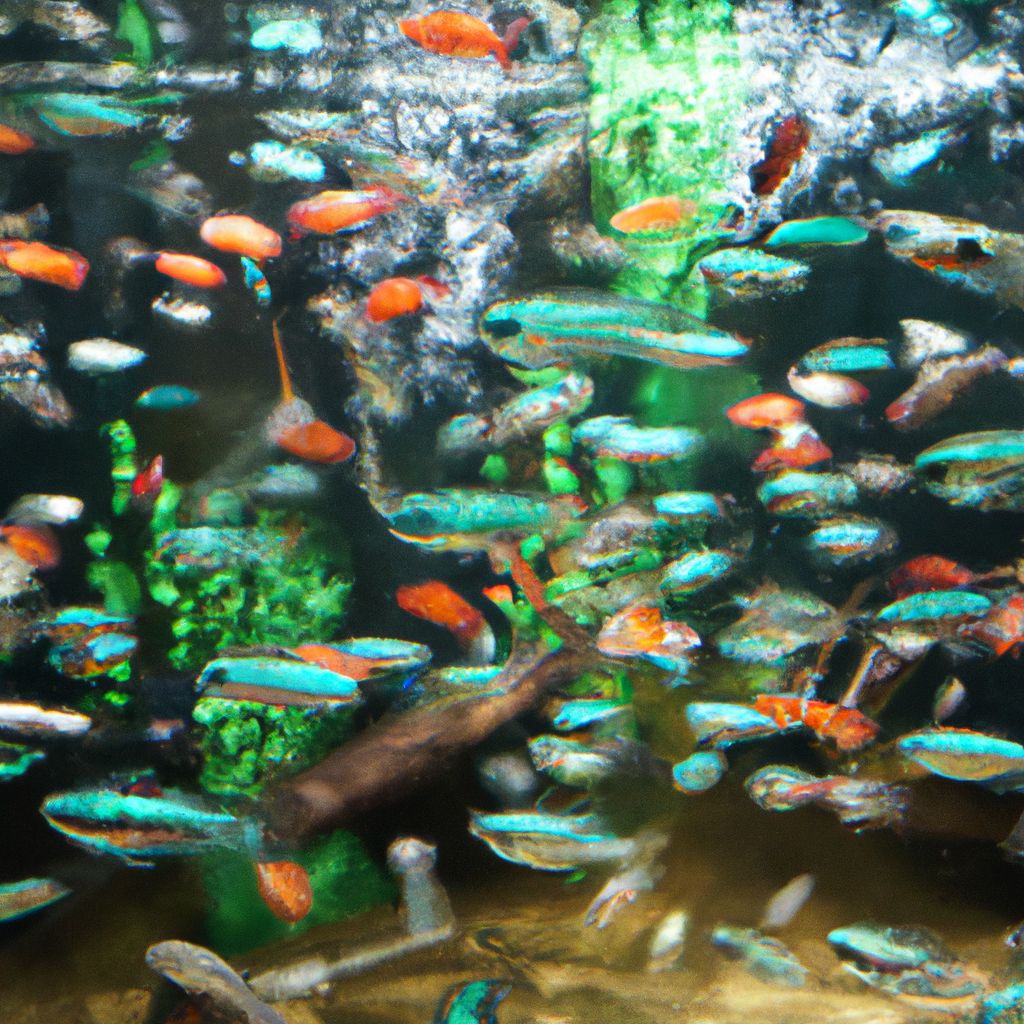
Gouramis are popular freshwater fish known for their vibrant colors and unique personalities. Understanding the compatibility of gouramis with other fish species is crucial for maintaining a harmonious and thriving aquarium. In this article, we will explore the world of gouramis and discuss the different types of gouramis available.
To begin with, it is important to understand what gouramis are and the various types that exist. Gouramis are a family of freshwater fish characterized by their labyrinth organ, which allows them to breathe atmospheric air. They come in different sizes, colors, and patterns, making them a visually appealing choice for aquarium enthusiasts.
When it comes to compatibility, gouramis can be kept with other gouramis or other fish species, but certain factors need to be considered. Keeping gouramis with other gouramis requires attention to their individual temperaments, as some species can be territorial and aggressive towards one another. On the other hand, keeping gouramis with other fish species requires careful consideration of compatibility and suitable tank mates to avoid potential conflicts.
In creating a community tank with gouramis, choosing compatible fish species becomes crucial. Some fish that work well with gouramis include peaceful community fish like tetras, rasboras, and dwarf corydoras. It is essential to establish a proper tank setup with adequate hiding places and suitable water conditions to provide a stress-free environment for gouramis and their tank mates.
Lastly, successful gourami keeping involves monitoring water parameters, providing adequate hiding places for gouramis to establish their territories, and ensuring a proper diet with a variety of high-quality foods.
By understanding the nature of gouramis, their compatibility with other fish species, and implementing the necessary steps for a successful aquarium setup, you can create a harmonious and thriving tank with these captivating fish.
Key takeaway:
- Gouramis are a popular type of fish for aquariums: Gouramis are colorful and peaceful freshwater fish commonly kept in home aquariums.
- Compatibility is important when keeping Gouramis: Gouramis can be kept together or with other fish species, but it is crucial to choose compatible tank mates to avoid aggression and territorial issues.
- Creating a suitable environment is key: Gouramis thrive in a well-maintained tank with proper water parameters and sufficient hiding places. Additionally, providing a balanced diet is essential for their health and well-being.
Understanding Gouramis
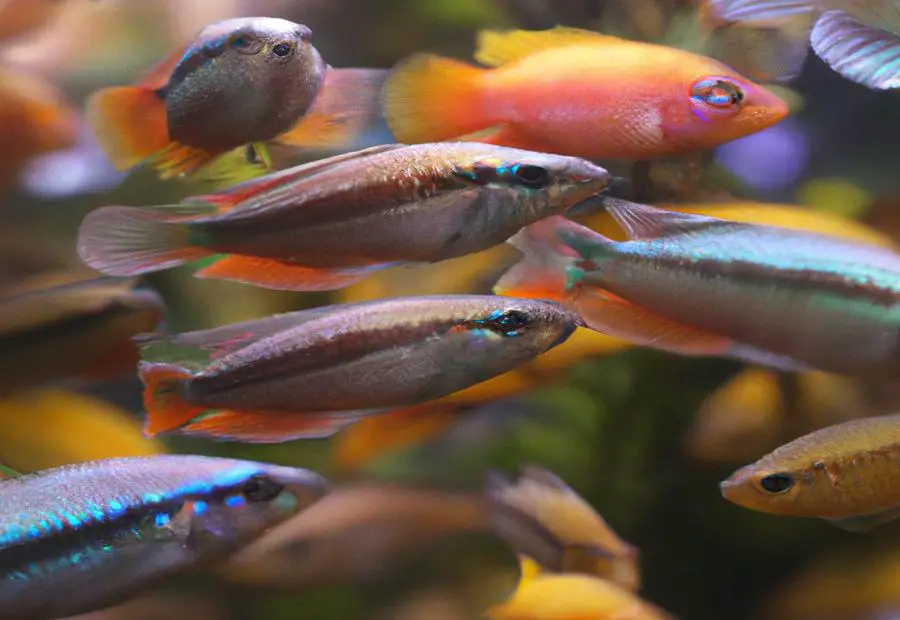
Photo Credits: Bettafishworld.Com by Joseph Jones
In order to understand gouramis, it is important to consider their behavior, habitat, and compatibility with other fish.
- Behavior: Gouramis are known for their unique behaviors such as building bubble nests and creating territories. They can be territorial and may exhibit aggression towards other fish, especially during breeding periods.
- Habitat: Gouramis are native to Southeast Asia and are commonly found in slow-moving and heavily vegetated waters such as rivers, lakes, and swamps. They prefer warm water temperatures and thrive in environments with plenty of hiding places.
- Compatibility: When keeping gouramis in an aquarium, it is crucial to choose tankmates that are compatible with their peaceful nature. Some suitable tankmates include other peaceful community fish such as tetras, rasboras, and dwarf gouramis. It is important to avoid aggressive or fin-nipping fish.
- A I once had a pair of dwarf gouramis in my community tank. They were a beautiful addition with their vibrant colors and peaceful nature. However, I made the mistake of adding a betta fish, which resulted in aggression and fin damage. Lesson learned, it is essential to research and carefully select tankmates to ensure a harmonious aquarium environment.
What are Gouramis?
Gouramis are a type of fish commonly found in freshwater aquariums. They are known for their vibrant colors and unique personalities. Gouramis belong to the family Osphronemidae and are native to Southeast Asia. These fish are popular among aquarium enthusiasts due to their beauty and ease of care. Gouramis come in various species, such as the Dwarf Gourami, Pearl Gourami, and Moonlight Gourami.
One important characteristic of gouramis is that they have a labyrinth organ, which allows them to breathe oxygen from the air. This is why gouramis are often seen swimming at the water’s surface. They can survive in low-oxygen environments, making them adaptable to different tank conditions.
These fish are generally peaceful, but some species can become aggressive, especially during breeding or territorial disputes. It is essential to research the specific species of gourami you are interested in and understand their temperament before adding them to your aquarium.
Gouramis are omnivorous and will eat a variety of foods, including flakes, pellets, and live or frozen foods. They appreciate a well-planted tank with plenty of hiding places and gentle water flow.
Types of Gouramis
When considering the different types of gouramis, it’s important to note the specific characteristics and care requirements of each species.
The Dwarf Gourami is known for its small size and vibrant colors, making it an attractive choice for community tanks.
On the other hand, the Pearl Gourami stands out with its pearly white scales and is well-suited for planted tanks.
The Kissing Gourami exhibits unique behavior by “kissing” other fish or objects and requires a larger aquarium due to its size.
The Blue Gourami showcases a vibrant blue coloration but can be territorial, so appropriate tank mates should be chosen.
Lastly, the Three-Spot Gourami is a variant of the Blue Gourami with additional black spots.
By considering the characteristics of each gourami type, you can choose the one that best suits your tank setup and preferences.
Compatibility of Gouramis
Discover the fascinating world of gourami compatibility and unlock the secrets to harmonious fish tanks. From keeping gouramis together to exploring their compatibility with other fish species, we’ll navigate through the ins and outs of creating the perfect gourami community. Uncover the common issues that arise with gourami tank mates and learn how to tackle them head-on. Get ready to dive into this exciting realm where different gouramis and other fish species coexist in aquarium bliss.
Keeping Gouramis with Other Gouramis
When keeping gouramis with other gouramis, it is crucial to consider compatibility and create a harmonious tank environment. Here are some essential factors to keep in mind:
- Species selection: Choose gourami species that are known to coexist peacefully. For example, dwarf gouramis (Trichogaster lalius) and honey gouramis (Trichogaster chuna) are usually compatible.
- Gender ratio: Maintain a proper balance of male and female gouramis to prevent aggression and ensure a more stable social dynamic.
- Aquarium size: Provide a spacious tank to allow each gourami to establish its territory and minimize aggression. A general rule is to have at least 20 gallons for a small community of gouramis.
- Decor and hiding places: Create ample hiding spots and visual barriers using plants, rocks, and driftwood. This helps gouramis establish their personal space and reduces territorial disputes.
- Water parameters: Maintain optimal water conditions, including temperature, pH, and hardness, suitable for the specific gourami species. This promotes overall health and well-being.
By following these considerations, you can increase the chances of successfully keeping gouramis with other gouramis. Remember, it is essential to monitor their behavior closely and address any signs of aggression or stress promptly.
Keeping Gouramis with Other Fish Species
When keeping Gouramis with other fish species, it is crucial to consider their compatibility for the well-being of all tank inhabitants. Researching fish compatibility before adding any fish to your Gourami tank is essential. Some species may exhibit aggression or territorial behavior, which can lead to conflicts.
- Research fish compatibility: Before adding any fish to your Gourami tank, make sure to research their compatibility. Some species may be more aggressive or territorial, which can lead to conflicts.
- Avoid fin-nippers: Gouramis have long, flowing fins, making them susceptible to fin-nipping fish. It is advisable to avoid adding species known for their fin-nipping behavior, such as Tiger Barbs or larger Tetras.
- Consider similar water requirements: Different fish species have varying water parameter preferences. It is essential to choose tank mates that have similar temperature, pH, and hardness requirements to establish a stable and healthy environment for all fish.
- Size compatibility: Take into account the adult size of the fish species you want to keep with Gouramis. Avoid pairing them with significantly larger or smaller species as size disparities can lead to aggression or predation.
- Observe behavior: When introducing new fish to the tank, closely monitor their interactions. Aggression, bullying, or excessive chasing may indicate incompatibility. Be prepared to make necessary adjustments or rehome certain fish if conflicts arise.
Pro-tip: Remember, every fish has its own unique personality, and there can be exceptions to general compatibility guidelines. Always monitor your fish closely and be prepared to adapt the stocking of your tank if needed.
Common Issues in Gourami Tank Mates
When it comes to gourami tank mates, there are several common issues that can arise. These include aggression, territorial behavior, and compatibility conflicts. To ensure a harmonious tank environment, it is important to be aware of these issues:
- Aggression: Some gouramis, especially males, can display territorial and aggressive behavior towards other fish. They may chase or nip at their tank mates, which can lead to stress and potential injury.
- Size Difference: Gouramis can vary in size, and it is crucial to consider this when choosing tank mates. Keeping smaller fish with gouramis may result in predation or bullying.
- Compatibility Conflicts: Gouramis may have different preferences for water temperature, pH levels, and tank decorations. It is important to ensure that the tank mates have similar needs to avoid conflicts.
- Overcrowding: Overcrowding the tank can result in stress and competition for resources among the fish. Providing enough space for each fish to establish their territory is essential.
To prevent these issues, here are some recommendations:
- Do thorough research before adding gouramis to your tank and choose tank mates that are compatible in terms of size, temperament, and water conditions.
- Create multiple hiding spots and provide plenty of places for fish to retreat and establish their territories.
- Monitor the tank closely and address any signs of aggression or stress promptly.
- Maintain appropriate water parameters, including temperature, pH level, and water quality, to ensure the overall well-being of the tank mates.
Creating a Community Tank with Gouramis
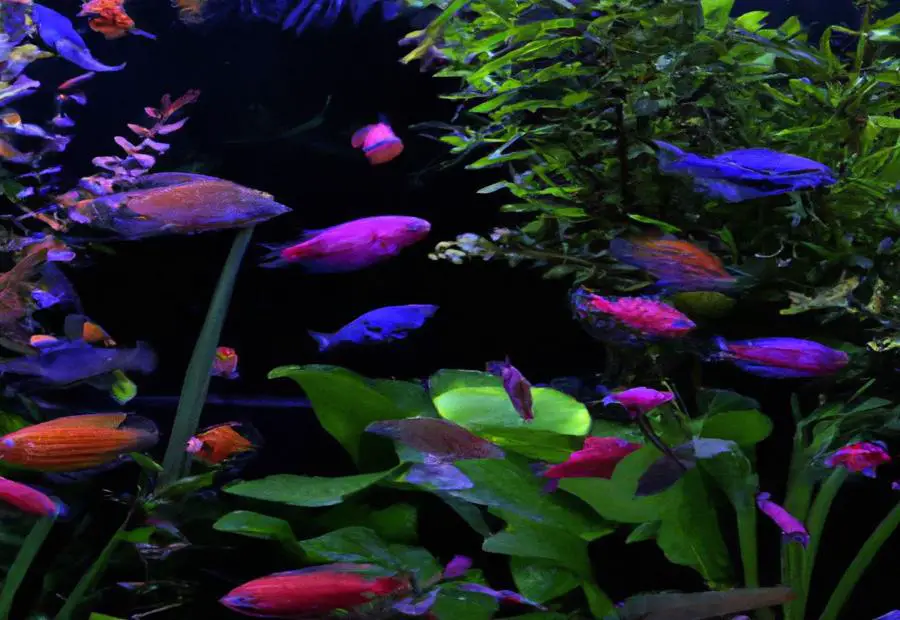
Photo Credits: Bettafishworld.Com by Matthew Rodriguez
Creating a harmonious underwater world with gouramis is an art worth exploring. Let’s dive into the secrets of successfully building a community tank with these captivating fish. Discover the key to selecting compatible fish species, setting up the ideal tank environment for gouramis, and finding the perfect tank mates to coexist peacefully. Get ready to unlock the beauty and balance of a thriving gourami community.
Choosing Compatible Fish Species
When selecting compatible fish species to keep with Gouramis, it is paramount to take into account their temperament, size, and water requirements.
- Temperament: Gouramis can be territorial, so it is advisable to avoid aggressive fish species that may provoke them. Good options include peaceful and community-oriented fish like tetras, rasboras, and guppies.
- Size: Gouramis come in different sizes, so it is crucial to select fish species that are comparable in size. This will prevent smaller fish from becoming prey and larger fish from overpowering the Gouramis.
- Water requirements: Different fish species have specific water parameter preferences. It is essential to choose fish species that have similar temperature and pH requirements to ensure they can thrive together in the same tank.
By carefully considering the temperament, size, and water requirements of fish species, you can select compatible tank mates for Gouramis. Fostering a harmonious environment will ensure the health and well-being of all the fish in your community tank.
Proper Tank Setup for Gouramis and Tank Mates
Ensuring the well-being and compatibility of your aquatic community depends on proper tank setup for Gouramis and tank mates.
- Choose an appropriate tank size: To provide enough swimming room, Gouramis require spacious tanks. It is recommended to have at least 20 gallons (75 liters) for a single Gourami, along with additional space for tank mates.
- Provide optimal water conditions: Maintaining a temperature of 78-82°F (25-28°C) and a pH level around 6.0-7.5 is important for Gouramis. They prefer slightly acidic to neutral water.
- Create hiding spots: Decorations such as rocks, driftwood, and plants can be used to create hiding places for Gouramis and their tank mates. This helps reduce stress and provides a sense of security.
- Ensure proper filtration: Installing a reliable filtration system is essential to maintain water quality. Gouramis produce waste, and efficient filtration will keep the tank clean and healthy.
- Consider lighting: Gouramis thrive in subdued lighting conditions. Using low-intensity lights or floating plants can help create a dimly lit environment, resembling their natural habitat.
- Choose compatible tank mates: Selecting peaceful fish species that can coexist harmoniously with Gouramis is crucial. It is important to avoid aggressive or fin-nipping fish that may stress or harm the Gouramis.
- Introduce tank mates carefully: When adding new fish to the tank, closely monitor their behavior. If any aggression or compatibility issues arise, be prepared to separate them to maintain a peaceful environment.
Pro-tip: Regularly monitor water parameters, perform routine water changes, and provide a varied and balanced diet for optimal health and well-being of Gouramis and their tank mates.
Tips for Successful Gourami Keeping

Photo Credits: Bettafishworld.Com by Charles Lee
When it comes to successfully keeping gouramis, there are a few key tips to keep in mind. From monitoring water parameters to providing ample hiding places and ensuring proper feeding and nutrition, each aspect plays a crucial role in maintaining the health and happiness of these beautiful fish. So, whether you’re a seasoned aquarist or just starting out, let’s dive into the world of gourami keeping and discover the essential practices that will lead to a thriving aquatic environment.
Monitoring Water Parameters
When keeping gouramis, monitoring water parameters is crucial to ensure their health and well-being. It is important to regularly check the pH level of the water in the tank. Gouramis thrive in slightly acidic to neutral water, with a pH range of 6.0 to 7.5. Additionally, gouramis are tropical fish and require a stable water temperature between 75°F and 82°F. Use a reliable aquarium thermometer to monitor and adjust the temperature as needed.
The presence of ammonia and nitrites can be harmful to gouramis, so regularly test the water for these substances. If detected, take immediate action to eliminate them through proper filtration and water changes. Furthermore, high levels of nitrate can stress and harm gouramis, so aim to keep nitrate levels below 40 parts per million (ppm) through regular water changes and the use of live plants. Gouramis also prefer slightly soft to moderately hard water, so aim for a hardness level of 5 to 15 degrees of hardness (dH) to ensure their well-being.
To maintain optimal water parameters, consider the use of a quality filtration system, regular water testing, and performing regular water changes. These actions will help create a healthy and stable environment for your gouramis to thrive. Remember, monitoring water parameters regularly is essential for successful gourami keeping.
Providing Adequate Hiding Places
When keeping gouramis, it is essential to provide adequate hiding places for their well-being and comfort in the tank.
- Creating a dense assortment of live or artificial plants can naturally incorporate hiding spots for gouramis. Plants such as java fern, Amazon sword, or hornwort offer excellent cover.
- Incorporating caves or structures made of rocks or driftwood can provide additional hiding places for gouramis. These spots serve as a retreat for them if they feel stressed or threatened.
- Using floating plants like duckweed or water lettuce can effectively create shaded areas where gouramis can hide and feel secure.
- It is crucial to ensure there are multiple hiding places distributed throughout the tank to prevent competition and aggression among gouramis.
Historically, gouramis are accustomed to habitats with dense vegetation and structures like fallen branches or submerged roots in their native regions. These hiding places not only provide protection from predators, but also give a sense of security. By replicating these natural environments in the aquarium, we can provide gouramis with adequate hiding places, promoting their well-being and allowing them to display their natural behaviors and thrive in the aquarium setting.
Feeding and Nutrition for Gouramis
When it comes to feeding and nutrition for gouramis, there are certain factors to consider in order to ensure their health and well-being:
- Feeding and Nutrition for Gouramis – Diet: Gouramis are omnivorous fish, which means they eat both plants and animals. Their diet should consist of a variety of foods to provide them with essential nutrients. This can include high-quality pellets or flakes specifically formulated for gouramis, as well as live or frozen foods like brine shrimp, bloodworms, and daphnia.
- Feeding and Nutrition for Gouramis – Feeding frequency: Gouramis should be fed small, frequent meals throughout the day. Aim to feed them 2-3 times a day, giving them only what they can consume within a few minutes. Overfeeding can lead to health issues and poor water quality in the tank.
- Feeding and Nutrition for Gouramis – Supplements: While gouramis can obtain most of their nutritional requirements from their regular diet, adding occasional supplements like spirulina flakes or crushed eggshells can help enhance their diet by providing extra vitamins and minerals.
- Feeding and Nutrition for Gouramis – Variety: Offering a variety of food types is important to ensure that gouramis receive a balanced diet. Mixing up their diet with different types of pellets, flakes, and live/frozen foods will help prevent nutritional deficiencies.
- Feeding and Nutrition for Gouramis – Observation: Keeping a close eye on your gouramis’ eating habits is crucial. Ensure they are actively eating, and monitor for any signs of loss of appetite or abnormal behavior, which could indicate potential health issues.
Some Well-Known Facts About What Gouramis Can be Kept Together:
- ✅ Dwarf gouramis should not be kept together with other male gouramis due to their aggressive nature. (Source: Our Team)
- ✅ Gouramis may mistake fish with bright colors and big fins for other males and attack them. (Source: Our Team)
- ✅ Large and aggressive fish like Oscars, African cichlids, and arowanas should be avoided as tank mates for gouramis. (Source: Our Team)
- ✅ Gouramis prefer tank mates that can tolerate slightly soft and acidic water conditions. (Source: Our Team)
- ✅ Gouramis thrive in aquariums with gentle streams, ponds, dark water, and plenty of vegetation. (Source: Our Team)
Frequently Asked Questions
What are the best tank mates for gouramis?
Gouramis thrive in warm water with dense plant growth, similar to their native Southeast Asian blackwater environments. It is important to avoid keeping multiple male gouramis together as they may fight. Other fish with bright colors and big fins should also be avoided, as gouramis may mistake them for other males and attack them. Large and aggressive fish like Oscars, African cichlids, and arowanas should be avoided as well.
The 8 best tank mates for dwarf gouramis are:
- Neon Tetra
- Cardinal Tetra
- Mollies
- Chili Rasboras
- Zebra Danios
- Harlequin Rasboras
- Otoclinus Catfish
- Corydoras Catfish
What are the recommended tank mates for gouramis considering their temperament?
Gouramis are timid and can be stressed by very active tank mates or fin-nippers. They can also be nippy and will eat small prey, so they may not be suitable for keeping dwarf shrimp or breeding fish. Some gourami species, like the giant gourami and kissing gourami, can be bullies and should not be combined with other fish.
Here are 13 recommended tank mates for gouramis:
- Panda Corydoras
- Glowlight Tetra
- Kuhli Loach
- Harlequin Rasbora
- Bristlenose Pleco
- Amano Shrimp
- Dwarf Crayfish
- Mystery Snail
- Cherry Barb
- Otocinclus Catfish
- Pygmy Corydoras
- Ember Tetra
- Other Gourami
What are the ideal tank conditions for gouramis?
Gouramis prefer a habitat with gentle streams, dark water, and plenty of vegetation. They do not do well in aquariums with strong water flow or fish that need lots of open space to swim. They prefer slightly soft and acidic water, so it is important to choose tank mates that can tolerate these conditions.
Can gouramis be kept with big and aggressive fish?
No, it is not recommended to keep gouramis with big and aggressive fish like Oscars, African cichlids, and arowanas. Gouramis are small and peaceful fish that need tank mates that are also small and peaceful. Mixing gouramis with large and aggressive fish may result in stress, aggression, and potential harm to the gouramis.
Can gouramis be kept with fish with bright colors and big fins?
No, it is not recommended to keep gouramis with fish with bright colors and big fins. Gouramis may mistake these fish for other males and attack them. It is important to choose tank mates that have compatible behavior and appearance to avoid any mistaken identity and aggression among the fish.
What are some suitable tank mates for gouramis that prefer similar water values?
Some suitable tank mates for gouramis that prefer similar water values are panda corydoras, glowlight tetras, kuhli loaches, harlequin rasboras, and otocinclus catfish. These fish can tolerate slightly soft and acidic water conditions, which are preferred by gouramis.