
Last Updated on 3 years by admin
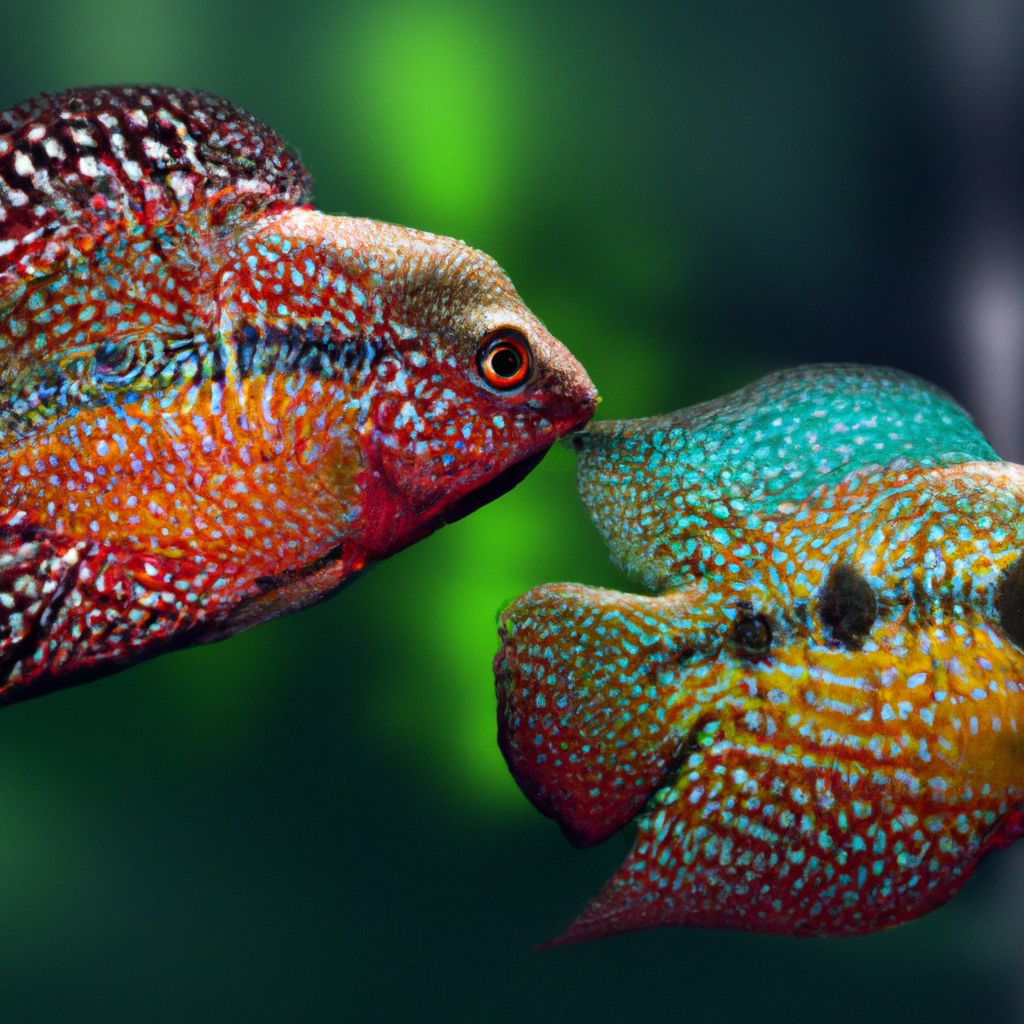
Gourami fish are a popular choice for aquarium enthusiasts due to their vibrant colors and unique personalities. However, a common concern among fish keepers is whether gourami fish exhibit aggressive behavior, particularly towards other fish and their own species. In this article, we will explore the behavior of gourami fish and delve into the factors that contribute to their aggression. We will also discuss methods for managing and resolving fights among gourami fish in order to promote a harmonious tank environment. By understanding and addressing the aggressive tendencies of gourami fish, aquarists can create a peaceful and thriving aquatic community.
1. Gourami fish can exhibit aggressive behavior, especially during breeding season. It is important to understand the different types of gourami fish and their territorial tendencies.
2. Gourami fish may display aggression towards their own species, and sometimes even attack other fish in the same tank. Proper management of tank environment and compatible tankmates can help prevent fights.
3. Factors such as gender and tank size can impact gourami fish behavior. Providing sufficient hiding places and territories can help minimize aggression and create a more peaceful environment for the fish.
Do Gourami Fish Have Aggressive Behavior?
Gourami fish do have aggressive behavior. This behavior is more common among male gouramis, as they tend to establish territories and compete for dominance. When two male gouramis encounter each other, they may engage in displays of aggression, such as flaring their fins and nipping at each other. It is important to note that not all gouramis will display aggressive behavior, as some individuals may be more peaceful or have different temperaments. Factors such as the size of the tank, the presence of suitable hiding spots, and the ratio of males to females can also influence the likelihood of aggression. Therefore, it is essential to provide a suitable environment for gourami fish to minimize aggressive interactions.
What are the Different Types of Gourami Fish?
What are the Different Types of Gourami Fish? The different types of Gourami fish can vary in size, color, and behavior. Here is a table highlighting some of the common types:
| Type of Gourami Fish | Size | Color | Behavior |
|---|---|---|---|
| Dwarf Gourami | 2 inches | Various shades of blue, red, or yellow | Peaceful but territorial |
| Pearl Gourami | 4-5 inches | Pearl-like scales with a silver body | Peaceful and social |
| Three Spot Gourami | 4-5 inches | Dark body with three distinct spots | Can be aggressive towards other fish |
These are just a few examples, and there are many other types of Gourami fish with different characteristics. When choosing the right type for your aquarium, consider factors such as the tank size, compatibility with other fish species, and the behavior you prefer. It’s important to research each type to understand their needs and temperament before making a decision. Remember to provide a suitable environment and proper care to ensure the well-being of your Gourami fish.
Do Gourami Fish Exhibit Territorial Behavior?
Gourami fish exhibit territorial behavior as a natural instinct. It is essential to consider this aspect when setting up their tank environment. Providing hiding places and territories can help minimize aggression and create a more harmonious living environment.
Male gourami fish are generally more territorial than females, especially during the breeding season. They vigorously defend their chosen nesting sites and can even become aggressive towards other fish, including their own species, if they encroach upon their territory.
However, the level of territorial aggression may vary among different types of gourami fish, with some species being known to be more aggressive than others.
To maintain a peaceful tank, it is crucial to carefully choose tankmates that are compatible with gourami fish. Some fish species may provoke aggression or become targets of aggression. Taking these factors into account will contribute to the overall well-being of the fish and create a suitable tank environment.
Do Gourami Fish Display Aggression towards Their Own Species?
Gourami fish do display aggression towards their own species. This is a natural behavior that can occur when territorial disputes arise or during the breeding season. Male gouramis are especially prone to aggression, as they establish and defend their territories. When two male gouramis encounter each other, they may engage in aggressive displays such as flaring their fins, chasing each other, or even physically fighting.
To minimize aggression among gourami fish in the same tank, it is important to provide sufficient hiding places and territories. This allows each fish to establish their own space and reduces the likelihood of conflicts. Adding tankmates that are compatible with gourami fish can also help reduce aggression. It is best to avoid adding other aggressive or territorial fish species to the tank.
If aggression between gouramis becomes a problem, it is necessary to separate the aggressive fish from others. This can be achieved by using dividers or separate tanks. Care should be taken to ensure the safety and well-being of all fish involved.
Do Gourami Fish Attack Other Fish in the Same Tank?
Gourami fish are known for their territorial behavior, but do they attack other fish in the same tank? The answer is, it depends. Gourami fish may exhibit aggression towards other fish, especially those of a similar species or those with long, flowing fins. This aggressive behavior is a way for gourami fish to establish dominance and protect their territory.
When introducing new fish to a tank with gourami fish, it is important to consider their compatibility. Some fish species may be able to coexist peacefully with gourami fish, while others may trigger aggressive behavior. It is also important to provide sufficient hiding places and territories within the tank to minimize conflicts between fish.
To prevent and resolve fights between gourami fish and other tankmates, closely monitor the behavior of the fish. Signs of an impending fight may include chasing, nipping, or flaring of fins. If aggression becomes a problem, it may be necessary to separate the aggressive fish from the others. Additionally, providing a well-suited tank environment and selecting compatible tankmates can help minimize aggression.
Factors Affecting Gourami Fish Aggression
|
Factors Affecting Gourami Fish Aggression |
|
|
1. Tank size |
Bigger tanks decrease aggression as fish have more space to establish territories. |
|
2. Tankmates |
Peaceful tankmates reduce aggression. Avoid keeping gouramis with aggressive or territorial fish. |
|
3. Gender ratio |
Maintain a balanced ratio of male to female gouramis. An excess of males can lead to increased aggression. |
|
4. Hiding spots |
Providing ample hiding spots with plants, caves, and decorations reduces aggression by creating territorial boundaries. |
|
5. Feeding |
Proper feeding and a well-balanced diet reduce aggression caused by competition for food resources. |
Once, in a home aquarium, two male gouramis were constantly fighting each other, causing stress and damage to both fish. The owner applied the factors mentioned above and made the necessary changes in their tank. They increased the tank size, ensuring enough space for each fish to establish its territory. They introduced compatible tankmates and created hiding spots with plants and decorations. Additionally, they improved feeding practices and provided a well-balanced diet. As a result, the aggression between the gouramis significantly decreased, creating a more peaceful and harmonious environment in the aquarium. This true story demonstrates the importance of considering these factors to minimize aggression and promote the well-being of gourami fish.
What is the Role of Gender in Gourami Fish Aggression?
The role of gender in gourami fish aggression is quite significant. Male gouramis are generally more aggressive than their female counterparts. This aggression is often observed during territorial disputes and when competing for mates. Male gouramis display aggressive behaviors, such as flaring their fins, chasing other fish, and engaging in fights. In contrast, female gouramis tend to be more peaceful and are less likely to exhibit aggressive behavior.
The aggression displayed by male gouramis is influenced by their natural instinct to establish dominance and protect their territory. It is important to note that not all male gouramis will display aggression, as this can vary depending on the individual fish’s personality and environmental factors.
To minimize aggression in gourami fish, it is recommended to maintain a balanced ratio of males and females in the tank. Having a larger number of females can help diffuse the aggression of males. Additionally, providing ample hiding places and territories can also help reduce conflicts among the fish.
Pro-tip: Monitoring the behavior of gourami fish and separating aggressive individuals if necessary can contribute to maintaining a peaceful and harmonious tank environment.
How Does Tank Size Impact Gourami Fish Behavior?
The size of the tank plays a significant role in determining the behavior of Gourami fish.
Gourami fish are known to be territorial, and the tank size can have an impact on their territorial behavior.
When placed in smaller tanks, Gourami fish may become more aggressive due to the limited space, which can lead to conflicts with other fish in the tank.
In addition, a small tank can also cause stress and discomfort for Gourami fish, contributing further to their aggressive behavior.
On the other hand, when provided with a larger tank, Gourami fish have more space to establish their territories and exhibit their natural behavior without feeling cramped or threatened.
To ensure the well-being of Gourami fish and minimize aggression, it is important to provide them with an adequately sized tank.
The tank should be spacious enough to accommodate their territorial instincts and provide ample swimming space.
A general rule of thumb is to allow at least 10 gallons of water for each Gourami fish in the tank.
By providing a suitable tank size, Gourami fish will have the opportunity to explore, establish territories, and exhibit their natural behavior in a more harmonious environment.
Considering the tank size when keeping Gourami fish is essential to promote their overall well-being and reduce aggression in the tank.
Are Gourami Fish More Aggressive during Breeding Season?
Are Gourami Fish More Aggressive during Breeding Season?
Gourami fish can indeed become more aggressive during the breeding season. This aggressive behavior is primarily driven by the male gourami’s instinct to protect its territory and court the female for mating. During this time, male gouramis may display territorial aggression towards other fish, including their own species, in an attempt to establish dominance and secure a mate. Female gouramis may also exhibit aggression towards other females competing for the attention of a male.
It is important for fish keepers to be aware of this increased aggression during the breeding season and take necessary measures to minimize conflicts in the tank. Providing ample hiding places and territories can help create separate territories for different gourami fish, reducing the chances of aggression. Additionally, maintaining suitable tank conditions and ensuring sufficient space for each fish can also help alleviate aggression.
Pro-tip: If you notice an increase in aggression during the breeding season, it may be beneficial to separate the male and female gouramis into separate tanks until the breeding period is over. This can help prevent potential injuries and allow the fish to exhibit their natural behaviors without causing harm to each other or other tankmates.
Managing Aggression in Gourami Fish
When it comes to managing aggression in gourami fish, creating the right tank environment, selecting compatible tankmates, and providing sufficient hiding places and territories play a vital role. These sub-sections will guide you through the necessary steps to ensure the well-being and harmony among your gourami fish. Get ready to dive into the world of gourami fish care and discover the secrets to maintaining a peaceful aquarium ecosystem.
Setting Up Adequate Tank Environment for Gourami Fish
When setting up an adequate tank environment for gourami fish, it is important to consider the following:
- Check tank size: Ensure the tank is spacious enough to accommodate the gourami fish comfortably. The minimum recommended tank size for a pair of gouramis is 20 gallons.
- Provide hiding places: Gourami fish appreciate areas where they can hide and feel secure. Incorporate plants, driftwood, or caves in the tank to create hiding spots for them.
- Maintain water quality: Gourami fish prefer clean water with appropriate pH levels, temperature, and filtration. Regularly test the water parameters and perform necessary water changes to keep the tank environment optimal.
- Choose suitable tankmates: Avoid aggressive or fin-nipping fish species as tankmates for gouramis. Instead, opt for peaceful community fish that won’t pose a threat or cause stress to the gouramis.
- Consider the lighting: Provide appropriate lighting conditions in the tank. Gourami fish prefer subdued lighting, so using floating plants or dimming the lights can create a more comfortable environment for them.
- Add appropriate décor: Live plants or artificial plants can provide a natural feel to the tank environment for gourami fish. It also helps in creating hiding places and adds visual appeal to the setup.
By following these steps, you can ensure that the tank environment for gourami fish is conducive to their well-being and helps in minimizing stress and aggression.
Adding Tankmates That Are Compatible with Gourami Fish
When it comes to adding tankmates that are compatible with gourami fish, it is important to consider their behavior, size, and habitat preferences. Here are some suggestions:
- Choose peaceful fish species that are not known to be aggressive or territorial. Good choices include tetras, rasboras, and guppies.
- Avoid adding fish that have long, flowing fins as gourami fish may mistake them for a rival male and become aggressive. Opt for fish with short fins instead.
- Consider the size of the tankmates. Ensure that they are similar in size to your gourami fish to prevent any dominance issues.
- Take into account the water parameters and habitat requirements of both the gourami fish and the potential tankmates. They should have similar temperature and pH preferences.
- Introduce new tankmates gradually to allow the gourami fish to get used to their presence. This can help minimize aggression and territorial behavior.
By considering these factors and selecting appropriate tankmates, you can create a harmonious community aquarium with your gourami fish. Remember to monitor the interactions between the fish and make adjustments if any aggression or compatibility issues arise.
Providing Sufficient Hiding Places and Territories
When it comes to managing aggression in Gourami fish, it is essential to incorporate the keywords “providing sufficient hiding places and territories” naturally. By creating a suitable environment for your fish, you can help minimize aggressive behavior and promote a harmonious tank. Here are a few key considerations:
- Hiding places: Including ample hiding spots like caves, plants, or driftwood can provide a sense of security for Gourami fish. These hiding places simulate their natural habitats and offer areas for retreat if they feel threatened.
- Territories: Gourami fish are territorial by nature, especially males. It’s essential to provide enough space for each fish to establish their territory. This can be achieved by arranging the tank layout to create distinct zones or using dividers to separate areas.
- Tank size: The size of the tank plays a role in determining the availability of hiding places and territories. A larger tank allows for better distribution of resources and reduces competition among fish. Aim for a tank size that suits the specific needs of the Gourami species you have.
By incorporating the keywords “providing sufficient hiding places and territories,” you create an environment that promotes a sense of security and reduces aggression in Gourami fish. Remember to observe the behavior of your fish regularly and make adjustments if needed to maintain a peaceful tank.
In a true historical account, it is fascinating to note that Gourami fish are native to Southeast Asia and have been admired by aquarium enthusiasts for centuries. The vibrant colors and unique personalities of these fish have captivated people around the world, leading to their popularity as aquarium pets. Through careful observation and experimentation, hobbyists have discovered the importance of providing sufficient hiding places and territories to ensure the well-being of Gourami fish in captivity. This knowledge has greatly contributed to the successful management of aggression and the overall thriving of these beautiful creatures in home aquariums.
Preventing and Resolving Gourami Fish Fights
In order to prevent and resolve gourami fish fights, there are several steps you can take:
- Make sure your aquarium is large enough to accommodate multiple gourami fish. Lack of space can lead to territorial disputes.
- Introduce compatible species: Select gourami fish species that are known to get along well together. Some peaceful species include the pearl gourami, honey gourami, and dwarf gourami.
- Create hiding spots: Adding plants, rocks, and other decorations to the aquarium can provide hiding spots for fish to escape aggressive behavior.
- Provide proper nutrition: A balanced diet can help reduce aggression among gourami fish. Ensure they are receiving adequate nutrition from quality fish food.
- Monitor water conditions: Gourami fish are sensitive to water quality. Maintain proper water parameters to minimize stress and aggression.
A fact to consider is that male gourami fish are typically more aggressive than females. Taking these preventive measures and providing a suitable environment can greatly reduce the occurrence of gourami fish fights in your aquarium.
What Are the Signs of an Impending Gourami Fish Fight?
What Are the Signs of an Impending Gourami Fish Fight?
Signs of an impending gourami fish fight can include territorial displays, aggressive postures, and physical confrontation.
- Territorial displays: Gourami fish may flare their fins and show vibrant colors to establish their territory. They may also charge at or chase other fish in their territory.
- Aggressive postures: A gourami fish preparing for a fight may adopt a stiffened body posture, with fins erect and pointed towards the opponent. They may also open their mouths wide in a threatening manner.
- Physical confrontation: When a gourami fish fight is about to occur, the fish may approach each other closely, circling or nipping at each other. Physical contact and biting may follow if the confrontation escalates.
It’s essential to monitor the behavior of gourami fish closely to intervene and prevent fights. If these signs are observed, it may be necessary to separate the aggressive fish from others to maintain peace in the tank.
Fun Fact: Gourami fish have a labyrinth organ that allows them to breathe air from the water’s surface. This unique adaptation enables them to survive in oxygen-poor environments.
How to Separate Aggressive Gourami Fish?
Do you want to know how to separate aggressive Gourami fish? Here are the steps you can follow:
- Prepare a separate tank or container: Set up a new tank or find a suitable container to temporarily house the aggressive Gourami fish.
- Catch the aggressive fish: Use a mesh or net to carefully catch the aggressive Gourami fish from the main tank.
- Transfer the fish: Gently place the aggressive fish into the prepared separate tank or container.
- Observe behavior: Monitor the fish closely to ensure they settle in the new environment without causing harm to themselves or others.
- Provide hiding spaces: Add hiding places such as plants or caves to the tank to reduce stress and provide security for the fish.
- Adjust tank conditions: Ensure that the water parameters and temperature in the separate tank are suitable for Gourami fish.
- Give time for aggression to subside: Allow the aggressive fish to adjust to their new surroundings and for their aggressive behavior to decrease.
- Consider reintroduction: If you wish to reintroduce the aggressive Gourami fish back into the main tank, monitor their behavior closely to ensure they do not resume aggressive actions.
Separating aggressive Gourami fish is important to maintain harmony in the aquarium and protect the well-being of all fish involved.
Methods to Minimize Gourami Fish Aggression
Ways to reduce gourami fish aggression:
- Provide a spacious tank: Gourami fish are less likely to display aggressive behavior in larger tanks where they have plenty of space to establish territories and swim freely.
- Choose compatible tankmates: To decrease aggression, select peaceful fish species that get along well with gourami fish. Avoid adding fish that may provoke territorial or aggressive reactions.
- Create hiding places: Use plants, rocks, and decorations to create hiding spots and territories within the tank. This allows gourami fish to establish their own areas and reduces the chances of aggressive encounters.
- Ensure a balanced diet: A varied and nutritious diet can promote overall health and minimize aggression in gourami fish. Be sure to provide a balanced diet that includes high-quality pellets, live or frozen food, and fresh vegetables to meet their nutritional needs.
- Monitor water parameters: Maintaining optimal water conditions is vital to minimizing stress and aggression in gourami fish. Regularly test water parameters such as temperature, pH, and ammonia levels to ensure they are within the appropriate range.
- Maintain a proper male-to-female ratio: Gourami fish aggression can increase during breeding season. To minimize aggression, it is important to have a proper male-to-female ratio in the tank, with more females than males.
Some Facts About Do Gourami Fight Each Other:
- ✅ Gouramis fight each other to defend their territory. (Source: Gouramie)
- ✅ Aggression can be amplified in a small aquarium. (Source: Gouramie)
- ✅ Adding multiple Gouramis at once can minimize aggression. (Source: Gouramie)
- ✅ Gourami fish fight due to territorial conflicts, scarcity of food, fighting over mates, and protecting nests. (Source: Fishkeeping World)
- ✅ Adding more decorations and plants in the tank can minimize aggression. (Source: Fishkeeping World)
Frequently Asked Questions
Do gourami fish fight each other?
Gourami fish can fight each other, especially when they feel threatened or are establishing a pecking order within their territory. Male gouramis are more likely to be aggressive towards each other, while females are generally more peaceful unless they perceive a similar fish as a threat.
What are the signs of aggression in gouramis?
Signs of aggression in gouramis include chasing other fish, aggressive feeding behavior, aggression during breeding, noticeable marks or injuries on fish, and aggression as a sign of illness. These behaviors often indicate territorial conflicts or stress levels.
How can I minimize aggression in gouramis?
To minimize aggression in gouramis, it is important to maintain the correct male to female ratio, provide a tank with enough space and hiding spots, feed them the correct amount of food, ensure a clean tank with proper water filtration, and introduce them to the tank at the same time. Additionally, choosing compatible tank mates and avoiding fish that may nip at their delicate fins can help reduce aggression.
Is it recommended to let gouramis fight to establish dominance?
While allowing gouramis to fight to establish dominance is a natural behavior, it is generally not recommended. Uncontrolled aggression during fights can lead to stress and physical damage to the fish. It’s better to take preventive measures and maintain a stress-free aquatic environment for these fish.
Can adding a larger fish help to stop aggression in gouramis?
Adding a larger and more aggressive fish to the tank can sometimes help balance the hierarchy and calm down gouramis, but caution is advised. This option should be considered as a last resort and only if other measures have failed to mitigate aggression.
What should I do if gouramis show signs of aggression towards each other?
If gouramis show signs of aggression towards each other, such as prolonged fights or injuries, it is crucial to separate the fish immediately. This will help reduce stress levels and prevent further damage. Using a tank divider or providing an extra tank for the aggressive fish can be an effective solution.