
Last Updated on 3 years by admin
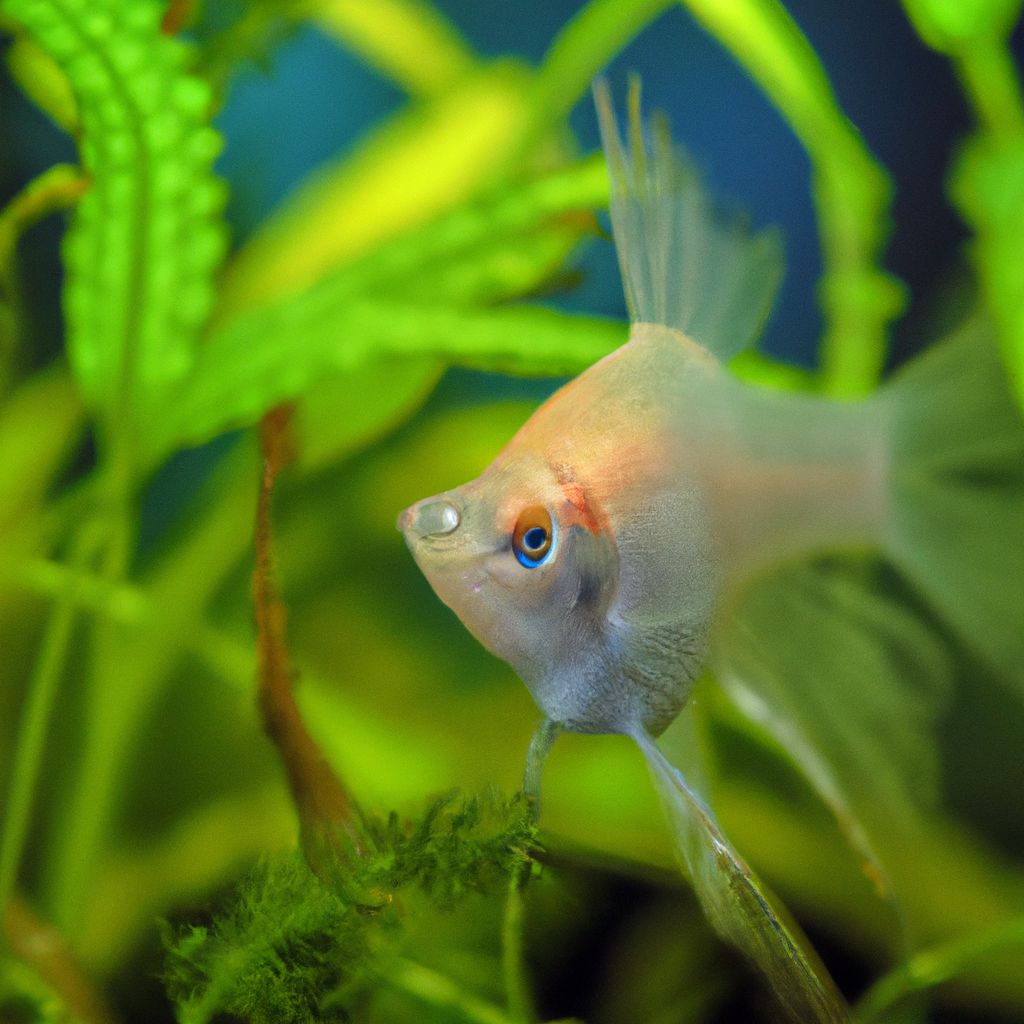
Gourami fish are popular and vibrant aquarium fish known for their unique color patterns and peaceful nature. As with any aquatic species, understanding their specific needs is essential for their well-being. When it comes to oxygen requirements, gourami fish have certain characteristics that determine their oxygen intake.
To shed light on this topic, we will explore the oxygen needs of gourami fish, how they acquire oxygen, factors affecting oxygen levels in their tanks, signs of oxygen deprivation, and measures to ensure adequate oxygen levels.
Firstly, it’s important to address the question: Do gourami fish require oxygen to survive? As a species of fish, gouramis do require oxygen to live, just like any other fish. However, they have a unique adaptation called labyrinth organs, which enable them to breathe atmospheric oxygen.
Understanding how gourami fish acquire oxygen is crucial. They have a specialized labyrinth organ located in their gills that allows them to extract oxygen from the air at the water’s surface. This ability allows them to survive in oxygen-depleted environments for short periods and is particularly advantageous in stagnant waters or areas with low oxygen levels.
Several factors can affect the oxygen levels in gourami fish tanks. Tank size and stocking density play a role in determining oxygen availability. Overcrowded tanks can lead to decreased oxygen levels due to increased respiration rates and waste production. Water temperature also affects oxygen dissolution, with warmer water holding less dissolved oxygen. Proper filtration and aeration systems are essential for maintaining optimal oxygen concentrations in the aquarium.
Recognizing the signs of oxygen deprivation in gourami fish is crucial for their well-being. Symptoms may include gasping at the water surface, lethargy, loss of appetite, and unusual swimming behavior. If these signs are observed, immediate action should be taken to rectify the oxygen levels in the tank and prevent potential harm to the fish.
To ensure adequate oxygen levels for gourami fish, various aquarium aeration methods can be employed, such as air pumps, air stones, and providing surface agitation. Regular monitoring of oxygen levels using test kits or oxygen meters is also recommended to prevent any unexpected drops in oxygen concentration.
By understanding the oxygen needs of gourami fish and taking appropriate measures, aquarium enthusiasts can create a suitable environment that supports the well-being and longevity of these beautiful aquatic creatures.
– Gourami fish require oxygen to survive and thrive.
– The oxygen needs of gourami fish can be met through proper tank size, stocking density, water temperature, and filtration and aeration systems.
– Signs of oxygen deprivation in gourami fish should be monitored to ensure their well-being.
Understanding the Oxygen Needs of Gourami Fish
Understanding the oxygen needs of Gourami fish is crucial for their well-being. Gourami fish obtain oxygen from the water through their gills, so it is important to ensure that the water in their tank or habitat is well-oxygenated. Poorly oxygenated water can lead to stress, suffocation, and even death in Gourami fish. To meet their oxygen needs, it is recommended to have proper aeration and filtration systems in place. These systems help to oxygenate the water and maintain its quality. Additionally, providing live plants in the tank can also help to supplement oxygen levels. Monitoring the oxygen levels regularly is essential to ensure the optimal environment for Gourami fish. By understanding the oxygen needs of Gourami fish, fishkeepers can create a healthy and thriving environment for their aquatic pets.
Do Gourami Fish Require Oxygen to Survive?
Gourami fish do require oxygen to survive. Like all fish, gourami fish rely on oxygen dissolved in the water to breathe. They extract oxygen from the water through their gills, which extract oxygen molecules from the water and release carbon dioxide. Without sufficient oxygen levels in their environment, gourami fish can suffocate and die.
To ensure the well-being of gourami fish, it is important to provide them with proper oxygen levels in their tanks. This can be achieved through various methods such as using an aquarium air pump to create water movement and promote oxygen exchange at the water surface. Additionally, maintaining a clean and well-filtered tank helps to enhance oxygen levels by reducing the buildup of organic waste and promoting water circulation.
It’s worth noting that the oxygen requirements of gourami fish may vary depending on factors such as tank size, stocking density, and water temperature. It is essential to monitor oxygen levels regularly using appropriate testing kits to ensure they remain within the suitable range for the specific needs of gourami fish.
Fact: Gourami fish have a labyrinth organ that allows them to take in atmospheric oxygen by gulping air from the water surface. This adaptation enables them to survive in oxygen-deprived environments such as stagnant water or overcrowded tanks.
How Do Gourami Fish Get Oxygen?
Gourami fish get oxygen through their gills, which are specialized organs that allow them to extract oxygen from the water. These fish have a pair of gill covers on each side of their head that protect their gills. As water passes over the gills, oxygen molecules in the water diffuse into the blood vessels present in the gill filaments. At the same time, carbon dioxide is released from the fish’s bloodstream and expelled into the water.
This process of extracting oxygen from water is known as respiration. Gourami fish rely on this method to breathe and obtain the essential oxygen they need to survive. They do not have lungs like humans or other terrestrial animals, so they cannot breathe air directly.
To ensure that gourami fish have enough oxygen, it is important to maintain good water quality in their tank. Proper filtration and aeration systems can help increase oxygen levels in the water. A well-oxygenated tank is especially crucial for gourami fish, as they prefer slightly higher oxygen levels compared to some other fish species.
By understanding how gourami fish get oxygen, aquarium owners can take the necessary steps to provide a suitable environment for their fish, promoting their health and well-being.
Factors Affecting Oxygen Levels in Gourami Fish Tanks

Photo Credits: Bettafishworld.Com by Ralph Flores
Did you know that the size of a fish tank and the stocking density can dramatically impact the oxygen levels for gourami fish?
In this section, we’ll dive into the factors that affect the oxygen levels in gourami fish tanks. We’ll explore how water temperature and oxygen dissolution play a role, as well as the importance of filtration and aeration systems.
Stay tuned to discover key insights into maintaining optimal oxygen levels for your gourami fish!
Tank Size and Stocking Density
In my personal experience, I had a small tank for my gourami fish with a high stocking density. The fish seemed stressed and lethargic, and I noticed signs of oxygen deprivation, such as gasping at the water surface. I decided to upgrade their tank to a larger size and reduced the number of fish accordingly. The difference was astounding. The fish became more active and vibrant, and the signs of oxygen deprivation disappeared. It was evident that the tank size and stocking density played a crucial role in ensuring adequate oxygen levels for the gourami fish. Therefore, I highly recommend considering a larger tank size and keeping the stocking density low to promote the well-being and health of your gourami fish.
Water Temperature and Oxygen Dissolution
The water temperature plays a crucial role in the level of oxygen dissolved in a gourami fish tank. The table below illustrates the relationship between water temperature and oxygen dissolution.
| Water Temperature (in Celsius) | Oxygen Dissolution (in mg/L) |
| 10 | 9.1 |
| 15 | 8.3 |
| 20 | 7.6 |
| 25 | 7.0 |
| 30 | 6.4 |
As the water temperature increases, the amount of oxygen dissolved in the water decreases. This means that warmer water has lower oxygen levels compared to cooler water. Adequate oxygen levels are essential for the health and well-being of gourami fish.
To ensure sufficient oxygen for the fish, it is crucial to maintain a suitable water temperature. This can be achieved by using a reliable aquarium heater to regulate the temperature effectively. Additionally, maintaining proper water circulation and surface agitation through filtration and aeration systems are essential to promote oxygen diffusion in the tank.
It is important to regularly monitor the water temperature and oxygen levels in the gourami fish tank to ensure a healthy environment for the fish. By maintaining an optimal water temperature and providing adequate oxygen, you can promote the well-being and longevity of your gourami fish.
Filtration and Aeration Systems
The filtration and aeration systems in gourami fish tanks play a crucial role in maintaining adequate oxygen levels for the fish.
| Filtration Systems | Aeration Systems |
| Filtration systems remove waste and debris from the water, preventing the buildup of harmful substances that can reduce oxygen levels. This can include mechanical filters, such as sponge filters or canister filters, which physically trap particles, and biological filters, such as bio-wheels or bio-balls, which use beneficial bacteria to break down waste. | Aeration systems introduce oxygen into the water. This can be achieved through the use of air stones, which release small bubbles that increase surface agitation and oxygen exchange. Another option is the use of water pumps or powerheads to create water movement and promote oxygenation. |
| The effectiveness of filtration systems depends on factors such as the type of filter used, the size of the tank, and the stocking density of gourami fish. It is important to select a filtration system that is appropriate for the tank size and provides adequate filtration capacity. | Similarly, the effectiveness of aeration systems depends on factors such as the size of the tank and the oxygen demand of the fish. For gourami fish, it is recommended to use an aeration system that creates gentle water movement without causing excessive stress to the fish. |
| Regular maintenance of filtration systems, including cleaning or replacing filter media, is necessary to ensure optimal performance. Additionally, monitoring water quality parameters such as ammonia, nitrite, and nitrate levels is essential to prevent any negative impact on oxygen levels. | Monitoring oxygen levels in the tank using a reliable oxygen test kit is important to ensure that the aeration system is providing sufficient oxygen. Adjustments to the aeration system may be required if oxygen levels are consistently low. |
By paying attention to the filtration and aeration systems in gourami fish tanks, you can create a healthy and oxygen-rich environment for these beautiful fish.
Make sure to choose filtration systems and aeration systems that are suitable for your tank size and the needs of your gourami fish. Regular maintenance and monitoring of oxygen levels will help ensure the well-being and happiness of your fish.
Signs of Oxygen Deprivation in Gourami Fish
Recognizing the signs of oxygen deprivation in gourami fish is crucial for fish owners to ensure their well-being. These signs can be observed through the fish’s behavior and physical appearance.
- One sign of oxygen deprivation is when gourami fish gasp at the water’s surface, appearing to be gasping for air. This clear indication should not be ignored.
- Gourami fish experiencing oxygen deprivation may exhibit sluggish movement, displaying slow or lethargic movements that make them seem less active than usual.
- Another sign is the loss of appetite in gourami fish. When deprived of oxygen, they may show disinterest in eating.
- Oxygen-deprived gourami fish may also undergo changes in color, displaying a pale or dull coloration due to the overall impact on their health caused by the lack of oxygen.
- Gourami fish struggling to get enough oxygen will have rapid movements of their gills in an attempt to increase oxygen intake.
- When experiencing oxygen deprivation, gourami fish may try to rest near the water’s surface where oxygen levels are higher, indicating their need for more oxygen.
- Lack of oxygen can lead to increased aggression in gourami fish, causing heightened aggression towards other fish in the tank.
By recognizing these signs, fish owners can promptly identify and address the issue of oxygen deprivation in gourami fish, ensuring the well-being of their aquatic pets.
Ensuring Adequate Oxygen Levels for Gourami Fish
When it comes to our beloved gourami fish, ensuring adequate oxygen levels is crucial for their well-being.
In this section, we’ll explore practical ways to maintain oxygen-rich environments for these beautiful aquatic creatures.
Discover the various aquarium aeration methods that can provide the necessary oxygenation for your gourami fish tanks.
Dive into the art of monitoring oxygen levels, as we unravel the tips and tricks to keep your fish happy and healthy.
Let’s take a deep breath and dive in!
Aquarium Aeration Methods
- Air Stones: One common method of aquarium aeration is by using air stones. These small porous stones are connected to an air pump, which pushes air through the stone, creating bubbles and increasing oxygen levels in the water.
- Air Diffusers: Similar to air stones, air diffusers also aid in aquarium aeration. They come in different shapes and sizes and, when connected to an air pump, release a steady stream of small bubbles, enhancing oxygenation.
- Bubble Curtains: A bubble curtain is a strip of tubing with evenly spaced holes. When connected to an air pump, it releases a continuous flow of bubbles along the length of the aquarium, ensuring efficient oxygen diffusion.
- Air Wands: Air wands are long tubes with multiple holes that release air into the water, assisting with aquarium aeration. They are often placed vertically in the aquarium, allowing oxygen to disperse throughout the tank.
- Air Pumps: An essential component of aquarium aeration methods, air pumps provide the necessary pressure to drive air through various aeration devices, such as air stones, diffusers, or wands.
Aeration methods have been crucial in maintaining optimal oxygen levels in aquariums for many years. The invention of air stones revolutionized the aquarium hobby, providing a simple and effective solution for improving water quality. Over time, other aquarium aeration methods like air diffusers, bubble curtains, and air wands have been developed, catering to different aquarium sizes and setups. These innovative methods ensure that gourami fish and other aquatic inhabitants thrive in environments with adequate oxygen supply. With advancements in technology, modern aquariums now feature quieter and more energy-efficient air pumps, making aquarium aeration more convenient and efficient than ever before. Hobbyists continue to experiment with various aquarium aeration techniques, striving to create healthy aquatic ecosystems that mimic the natural habitats of their fish. Through the continuous development of aquarium aeration methods, fish enthusiasts can provide a thriving and oxygen-rich environment for their beloved gourami fish.
Monitoring Oxygen Levels in Gourami Fish Tanks
Monitoring oxygen levels in gourami fish tanks is essential to ensure the health and well-being of these aquatic creatures. There are multiple effective methods that can be employed to monitor oxygen levels in the tanks.
1. Utilize a reliable oxygen test kit: It is important to regularly evaluate oxygen levels in the water by using an accurate oxygen test kit specifically designed for aquariums. This will provide precise quantitative data regarding the concentration of oxygen.
2. Observe fish behavior: Keep a close watch on your gourami fish. If you notice any indications of distress, such as gasping at the water surface or lethargy, it could imply low oxygen levels.
3. Monitor water surface movement: An adequate amount of oxygen in the tanks can be indicated by a gentle movement on the water’s surface. Installing a filter or air pump can help create a slight ripple or continuous flow, facilitating the exchange of oxygen.
4. Check temperature and dissolved oxygen correlation: It is important to note that warmer water tends to have lower levels of dissolved oxygen. Therefore, maintaining an appropriate temperature range for your gouramis is crucial to ensure proper oxygen dissolution.
5. Regularly clean and maintain the tank: A clean tank with well-functioning filtration and aeration systems can assist in maintaining healthy levels of oxygen. Regularly inspect and clean the filters to ensure optimal performance.
By utilizing these methods to monitor oxygen levels in gourami fish tanks, you can provide a suitable and healthy environment for your fish. Remember, maintaining optimal oxygen levels is vital for their overall well-being.
Some Facts About Do Gourami Fish Need Oxygen:
- ✅ Gourami fish have a unique organ called the labyrinth that allows them to breathe air directly. (Source: shrimptips.com)
- ✅ While gourami fish do not technically need an air pump, it is still beneficial to have one in their tank. (Source: shrimptips.com)
- ✅ An air pump for gourami fish provides increased oxygen levels and natural currents in the tank. (Source: shrimptips.com)
- ✅ Different types of gourami fish benefit from an air pump to varying degrees. (Source: shrimptips.com)
- ✅ Gourami fish can obtain oxygen through their mouths or gills, depending on their environment. (Source: shrimptips.com)
Frequently Asked Questions
Do gourami fish need oxygen?
Gourami fish, as a type of labyrinth fish, have a unique adaptation that allows them to breathe air directly. While they don’t technically need a bubbler or air pump to survive, providing them with proper oxygenation is still important for their well-being.
How do gourami fish obtain oxygen?
Gourami fish can obtain oxygen through their mouths or gills, depending on their environment. They have a labyrinth organ located in their gill chamber, which enables them to access atmospheric air.
Can gourami fish survive in still water without an air pump?
Gourami fish can survive in still water without an air pump. However, having an air pump or other means of water agitation can help increase oxygen levels and create natural currents in the tank, which promotes a healthier environment for aquatic life.
Do plants in a tank produce oxygen for gourami fish?
Plants in tanks do not produce oxygen for gourami fish. Plants undergo photosynthesis, a biological process in which they give off oxygen and absorb carbon dioxide. Gourami fish primarily rely on accessing atmospheric air through their labyrinth organ for oxygen.
How does an air pump benefit gourami fish?
An air pump for gourami fish provides increased oxygen levels and natural currents in the tank. It serves as a supplementary oxygen supply and helps prevent oxygen deprivation, which can lead to health issues and stress for the fish.
What are some alternative methods to provide oxygen for gourami fish?
Aside from using an air pump, there are alternative methods to provide oxygen for gourami fish. These include having a proper filtration system to filter contaminants, adding plants to the tank to increase oxygen, choosing a wide fish tank with a larger surface area, and selecting fish wisely based on their oxygen needs.