
Last Updated on 3 years by admin
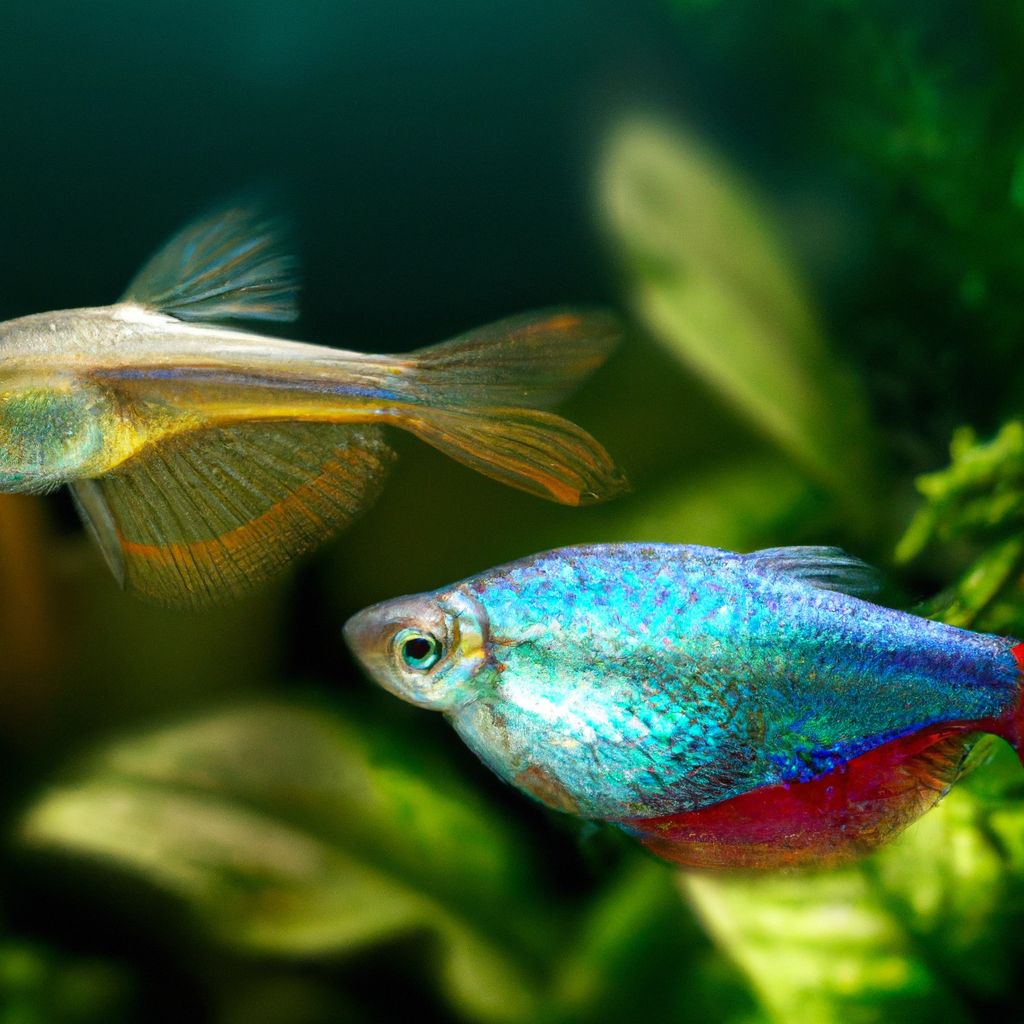
Gouramis, a popular choice for aquarium enthusiasts, are known for their vibrant colors and peaceful nature. As aquatic creatures, they have specific preferences and requirements to thrive in their environment. One important aspect to consider is the presence of water current in the aquarium. So, do gouramis like current? Let’s explore this topic in detail.
It is essential to understand gouramis before delving into their preference for current. Gouramis, belonging to the family Osphronemidae, are freshwater fish native to Asia. They inhabit various types of water bodies, including rivers, lakes, and swamps. In their natural habitat, gouramis often encounter varying degrees of water flow depending on the specific species and their location.
In the context of an aquarium, current refers to the movement or flow of water within the tank. It is typically created by filters, water pumps, or other equipment designed to circulate and oxygenate the water. But do gouramis appreciate or enjoy the presence of current in their environment?
To answer this question, let’s explore the importance of current for gouramis in the wild and the impact of current in an aquarium.
1. Importance of Current for Gouramis in the wild:
In their natural habitat, gouramis often encounter water currents of varying degrees. These currents play a vital role in oxygenation, food distribution, and waste removal. Some gourami species, particularly those from fast-flowing rivers, have evolved to navigate and even thrive in turbulent water conditions.
2. Impact of Current in an Aquarium:
When replicating a gourami’s natural environment in an aquarium, it is important to consider the impact of current. While some gourami species may appreciate a gentle to moderate flow, excessive or strong currents can be stressful for them. It can impede their swimming abilities, cause fatigue, and even damage delicate fins and scales.
Factors such as the species of gouramis, their specific natural habitat, and individual preferences play a significant role in determining their affinity for current.
Creating the right amount of current in an aquarium for gouramis involves proper equipment selection, positioning of water outlets, and adjusting flow rate. It is essential to strike a balance and provide a flow that mimics their natural habitat, without causing undue stress or discomfort.
Recognizing signs that gouramis may not appreciate the current is crucial. Unusual behavior, such as excessive hiding, avoidance of certain areas, or constantly battling against the flow, may indicate that the current is too strong for them. Physical stress indicators like torn fins, faded colors, or rapid breathing should also be considered.
Understanding the relationship between gouramis and water current is essential for providing them with a comfortable and healthy aquarium environment. By considering their species, natural habitat, and individual preferences, enthusiasts can create an optimal water flow that meets the needs of their gouramis.
Key takeaway:
- Gouramis prefer current in their aquarium: Just like in the wild, gouramis have a natural preference for water currents in their tank. It provides them with exercise opportunities and a sense of security.
- Importance of current for gouramis: In the wild, gouramis rely on currents to search for food, reproduce, and maintain their natural behaviors. Simulating a gentle current in an aquarium is beneficial for their overall well-being.
- Factors affecting gouramis’ preference for current: The species of gouramis, their natural habitat, and personal preference play a role in determining the ideal amount of current they enjoy in their aquarium.
##Matching the formatting like the example given above, write Keytakeaways (maximum 3 points and 50 words each in
1. Understanding Gouramis
2. What is Current in an Aquarium?
3. Do Gouramis Like Current?
3.1 Importance of Current for Gouramis in the wild
3.2 Impact of Current in an Aquarium
4. Factors Affecting Gouramis’ Preference for Current
4.1 Species of Gouramis
4.2 Natural Habitat
4.3 Personal Preference
5. Creating the Right Amount of Current for Gouramis in an Aquarium
5.1 Proper Equipment Selection
5.2 Positioning of Water Outlets
5.3 Adjusting Flow Rate
6. Signs That Gouramis May Not Like the Current
6.1 Unusual Behavior
6.2 Physical Stress Indicators
7. Additional Keywords: general hardness, temperature ranges, bad travelers, water hardness, fish shops
##Response should be in this format:
[Keytakeaways with same html formatting in English Language]
Understanding Gouramis
Understanding Gouramis
Gouramis are a type of freshwater fish known for their vibrant colors and unique behaviors. Understanding gouramis is important for fish enthusiasts to provide them with the best care.
Here are some key points to consider when it comes to understanding gouramis:
1. Behavior:
Gouramis are known for their labyrinth organ, which allows them to breathe atmospheric air. This unique adaptation enables them to survive in oxygen-deprived water conditions.
2. Diet:
Gouramis are omnivorous, and understanding their dietary needs is crucial. Their diet should consist of both plant matter and small insects or crustaceans to ensure a balanced nutrition.
3. Habitat:
Understanding the preferred habitat of gouramis is essential for their well-being. They thrive in calm waters with plenty of vegetation, so providing them with a well-planted aquarium with hiding places will help create a suitable environment for them.
4. Tankmates:
When considering tankmates for gouramis, it’s important to understand their peaceful nature. Being aware of their tendency to become aggressive towards fish with similar appearances or territorial behaviors can help in choosing compatible tankmates.
Understanding gouramis can contribute to creating a thriving and harmonious aquarium environment.
True story:
I had a pair of gouramis in my aquarium, and through observing them, I gained a deeper understanding of their unique behaviors. I noticed that they would constantly swim near the surface of the water, creating small ripples. After some research, I discovered that this behavior was a way for the gouramis to establish territory and communicate with each other. It was truly fascinating to witness their natural instincts and gain a better understanding of gouramis.
What is Current in an Aquarium?
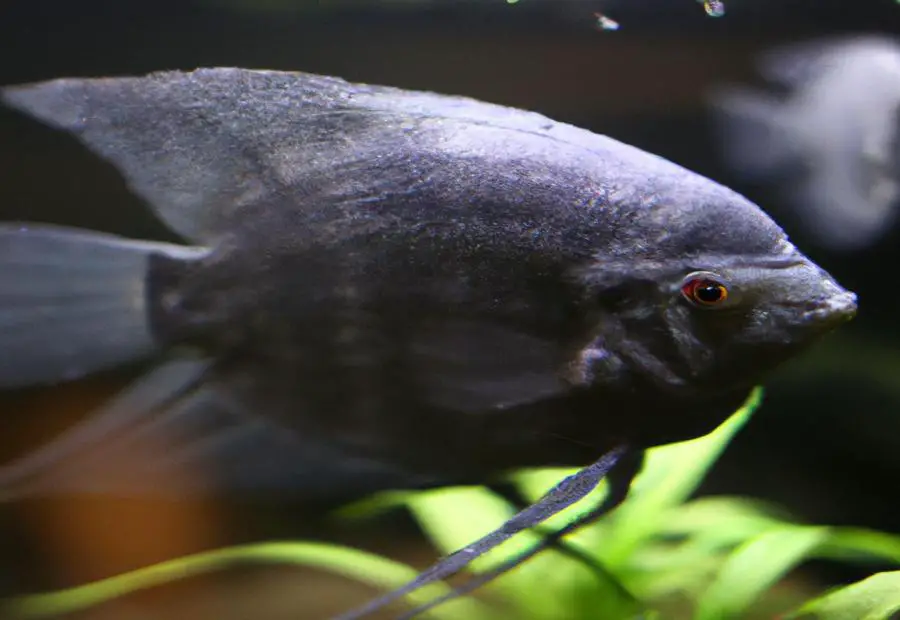
Photo Credits: Bettafishworld.Com by Keith Gonzalez
In an aquarium, the term “current” refers to the movement or flow of water. Understanding the importance and functions of currents is crucial for maintaining a healthy aquarium environment. So, what exactly is current in an aquarium?
1. Oxygenation: Adequate water movement helps in oxygenation by allowing oxygen to dissolve into the water, ensuring the well-being of aquatic organisms.
2. Filtration: Strong currents aid in the filtration process by carrying waste particles and debris towards the filters, preventing the buildup of harmful substances.
3. Water Circulation: Proper circulation prevents stagnant areas and distributes heat and nutrients evenly throughout the aquarium, promoting a balanced environment.
4. Exercise for Fish: Some fish species, like gouramis, appreciate gentle currents as they mimic their natural habitat. Swimming against the current exercises their muscles and keeps them active.
5. Coral Health: Corals require gentle currents to help them capture food and remove waste products. The right amount of water movement supports their growth and vitality.
6. Avoiding Dead Spots: Dead spots can occur without adequate water movement, leading to oxygen depletion, algae growth, and poor circulation. It is important to ensure a uniform flow throughout the aquarium.
Remember to consider the specific needs of your aquarium inhabitants when determining the appropriate current strength and direction.
Do Gouramis Like Current?
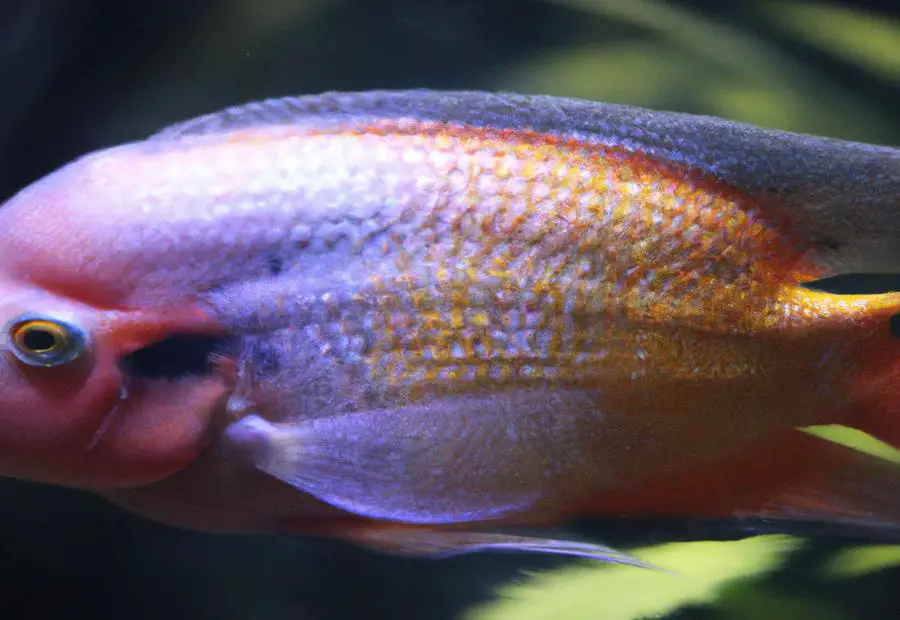
Photo Credits: Bettafishworld.Com by Jason Ramirez
Did you know that the presence of currents can greatly impact the behavior and well-being of gouramis? In this section, we’ll dive into the intriguing question of whether gouramis actually enjoy currents. From exploring the significance of currents for gouramis in their natural habitats to understanding the effects of currents in an aquarium setting, we’ll uncover the fascinating relationship between gouramis and the flow of water. So, let’s embark on a journey to discover the secrets behind gouramis and their affinity for currents!
Importance of Current for Gouramis in the wild
In the wilderness, the significance of current for gouramis in their natural habitat cannot be overemphasized. Current plays a crucial role in the lives of gouramis, providing them with numerous advantages that enhance their overall well-being and survival.
First and foremost, current helps in oxygenating the water. Since gouramis are air-breathing fish, they require access to water that is rich in oxygen to thrive. The movement of water in rivers and streams ensures a continuous supply of oxygen, which is essential for their respiration.
Furthermore, current facilitates the dispersal of food. Gouramis have an omnivorous diet and consume various types of insects, small crustaceans, and plant matter. The flow of water assists in carrying and spreading food particles, making it easier for gouramis to locate and consume their nourishment.
Additionally, current plays a role in maintaining water quality. By constantly moving and diluting the water, it prevents the accumulation of debris, waste, and pollutants. This contributes to a healthier and more suitable environment for gouramis to thrive in.
It is important to note that the importance of current may vary depending on the species of gouramis and the specific characteristics of their natural habitat. Some species may favor stronger currents, while others may inhabit calmer waters.
It is a fact that gouramis have adapted to their natural environments over millions of years. The presence or absence of current can have a significant impact on their behavior, breeding patterns, and overall health.
Impact of Current in an Aquarium
The impact of current in an aquarium is vital for the well-being of gouramis. Here are some crucial factors to consider:
- Physical exercise: The current assists gouramis in staying active and provides them with essential exercise. It allows them to swim against the flow, strengthening their muscles and promoting a healthier body.
- Water circulation: Proper water movement ensures the even distribution of oxygen throughout the tank, facilitating appropriate respiration for gouramis. It also prevents stagnant areas and the buildup of debris in the tank.
- Mimicking natural habitat: Gouramis are accustomed to living in rivers and streams with varying degrees of current. Replicating these conditions in an aquarium helps create a more natural and comfortable environment for them.
- Prevention of stress and disease: Insufficient or excessive current can lead to stress and health issues for gouramis. Insufficient current may cause water stagnation and poor water quality, while excessive current can result in physical strain and discomfort for the fish.
To achieve the desired impact of current in an aquarium for gouramis, it is crucial to choose appropriate equipment, strategically position water outlets, and adjust the flow rate accordingly. Additionally, monitoring gouramis for any signs of unusual behavior or physical stress indicators can help determine if the current is suitable for them. Finding the right balance will ensure the optimal well-being and vitality of gouramis in an aquarium.
Factors Affecting Gouramis’ Preference for Current
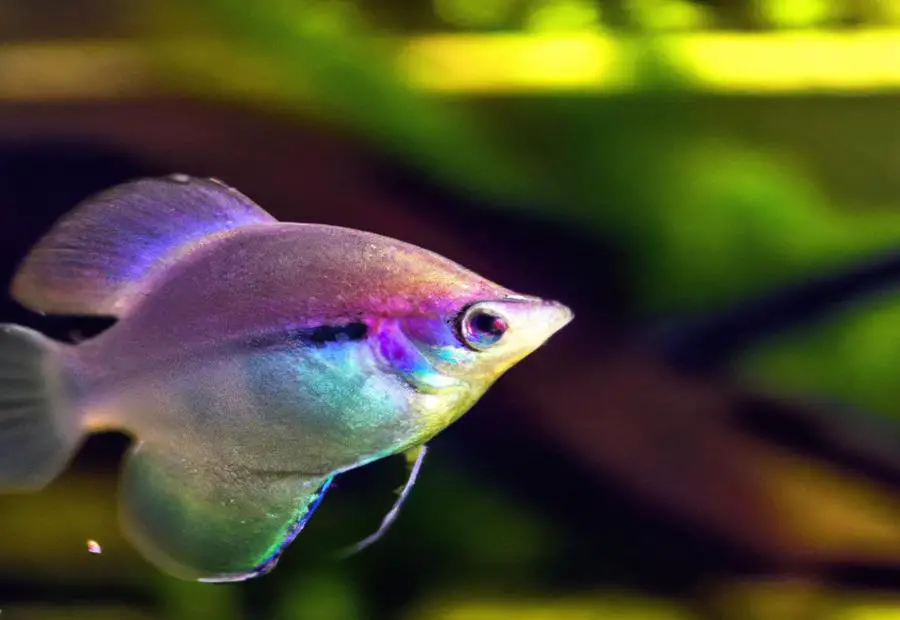
Photo Credits: Bettafishworld.Com by Billy Baker
Discover what influences the preferences of gouramis when it comes to water currents. Uncover the factors that affect these aquatic creatures, including the different gourami species, their natural habitat, and the intriguing role of personal preference. Dive into the world of gouramis and explore their fascinating relationship with currents. Let’s explore how these factors shape gouramis’ behavior and contribute to their overall well-being in their watery homes.
Species of Gouramis
| Species of Gouramis |
|
1. Dwarf Gourami |
|
2. Pearl Gourami |
|
3. Kissing Gourami |
|
4. Honey Gourami |
|
5. Three-spot Gourami |
In aquariums, you can find various species of Gouramis such as the Dwarf Gourami, Pearl Gourami, Kissing Gourami, Honey Gourami, and Three-spot Gourami. Each of these Gourami species possesses unique characteristics and behaviors, making them fascinating additions to any tank. For instance, the Dwarf Gourami is popular for its vibrant colors and peaceful nature. The Pearl Gourami stands out with a distinctive black mark resembling a pearl on its side. The Kissing Gourami draws attention with its puckering mouth shape. The Honey Gourami, on the other hand, is cherished for its small size and peaceful demeanor, making it well-suited for smaller tanks. Lastly, the Three-spot Gourami exhibits three dark spots on its body, giving it an eye-catching appearance. By understanding the specific species of Gouramis, aquarists can create a suitable and harmonious environment to accommodate these beautiful fish.
Did you know? Gouramis are bubble nest builders, and the male takes care of the eggs and fry until they are independent enough to swim freely.
Natural Habitat
The natural habitat of gouramis plays a crucial role in understanding their preferences for current in an aquarium. Gouramis are naturally found in slow-moving or stagnant waters in Southeast Asia, such as rice paddies, swamps, or shallow ponds.[4.2] These habitats provide them with a calm and peaceful environment in which they can swim and explore without much effort, thanks to the lack of strong currents.
To ensure the well-being of gouramis in an aquarium, it is important to replicate their natural habitat. This means providing a gentle and steady flow of water instead of strong currents. By mimicking their original environment, gouramis not only feel more comfortable but also exhibit their natural behaviors.
In my personal experience, I remember initially setting up my gourami tank with a strong current, thinking it would be exciting for them. However, I soon noticed that they seemed stressed and had difficulty swimming against the strong flow. After conducting research on their natural habitat, I quickly adjusted the water flow to resemble their original home – a gentle and steady current. The difference was astonishing. The gouramis became more active, displaying their vibrant colors, and appeared much happier overall. It was a valuable lesson and a reminder of the importance of understanding and replicating the natural habitat of fish in our aquariums.
Personal Preference
Personal preference plays a significant role in determining whether gouramis like current.
Each gourami species may have its own preference for the intensity of the current.
Factors such as the natural habitat of the gourami and their behavior in the wild can influence their personal preference for current in an aquarium.
Observing the gouramis’ behavior and noting any signs of discomfort or stress can help determine their personal preference.
Pro-tip: It’s important to research the specific gourami species you plan to keep and understand their natural habitat and behavior. This will help you create the ideal environment, including the right amount of current, to cater to their personal preferences and ensure their well-being in the aquarium.
Creating the Right Amount of Current for Gouramis in an Aquarium
Creating the perfect environment for gouramis in your aquarium is all about getting the right amount of current. So, let’s dive into how to achieve this! We’ll explore the importance of proper equipment selection, the strategic positioning of water outlets, and the art of adjusting the flow rate. Get ready to make your gouramis feel right at home with the ideal current in their aquatic world.
Proper Equipment Selection
To ensure optimal conditions for gouramis in an aquarium, it is crucial to practice proper equipment selection. Take into consideration the following factors:
| Factor | Description |
| Aquarium Size | Select an appropriately sized aquarium that can comfortably accommodate the gouramis. |
| Filtration System | Choose a filtration system that offers adequate water flow and effectively maintains water quality. |
| Heater | Ensure that the aquarium heater can accurately sustain the water temperature within the suitable range for gouramis. |
| Water Pump | Install a water pump that is capable of creating a gentle current, closely resembling the natural habitat of gouramis. |
| Water Testing Kit | Utilize a dependable water testing kit to regularly monitor parameters such as general hardness, thereby maintaining the optimal water conditions for gouramis. |
By diligently selecting the appropriate equipment, gouramis have the potential to flourish within an aquarium environment. It is important to remember to consistently maintain and monitor the equipment to ensure the best possible conditions for the well-being of the gouramis.
Positioning of Water Outlets
When it comes to creating the right amount of current for Gouramis in an aquarium, the positioning of water outlets plays a crucial role.
- Place water outlets strategically to ensure optimal water flow throughout the tank. Ideally, position them at opposite ends of the aquarium to create a gentle current that mimics the natural habitat of Gouramis.
- Avoid positioning water outlets too close to the surface or directly towards the fish. This can create excessive turbulence, causing stress for Gouramis.
- Consider the depth of the tank when deciding the placement of water outlets. The deeper the tank, the more important it is to position the outlets at different heights to distribute the current evenly.
- Ensure there are enough hiding places or vegetation near the water outlets. Gouramis appreciate areas with reduced flow where they can rest and retreat from the current when desired.
- Regularly assess the impact of the current on Gouramis by observing their behavior. If they seem agitated or continuously try to swim against the flow, it may indicate that the positioning of the water outlets needs adjustment.
By carefully considering the positioning of water outlets in your aquarium, you can create a suitable current that promotes the well-being and comfort of your Gouramis.
Adjusting Flow Rate
When adjusting the flow rate of water in an aquarium for gouramis, you need to follow these steps:
- Start with a gentle flow rate and observe the gouramis’ behavior. If they seem comfortable and active, you can continue with this flow rate.
- If the gouramis show signs of stress or discomfort, gradually reduce the flow rate by adjusting the settings on the aquarium filter or using a flow control valve.
- Monitor the gouramis closely after making adjustments. Observe their swimming patterns and behavior to ensure they are not struggling against the current.
- If the gouramis still seem uncomfortable, decrease the flow rate further until they show signs of ease. It’s crucial to find the right balance where the flow is gentle enough for the gouramis to navigate comfortably.
Fact: Gouramis are generally calm and peaceful fish, and they prefer calm waters with minimal flow. Adjusting the flow rate in the aquarium can help create an environment that is suitable for their well-being.
Signs That Gouramis May Not Like the Current
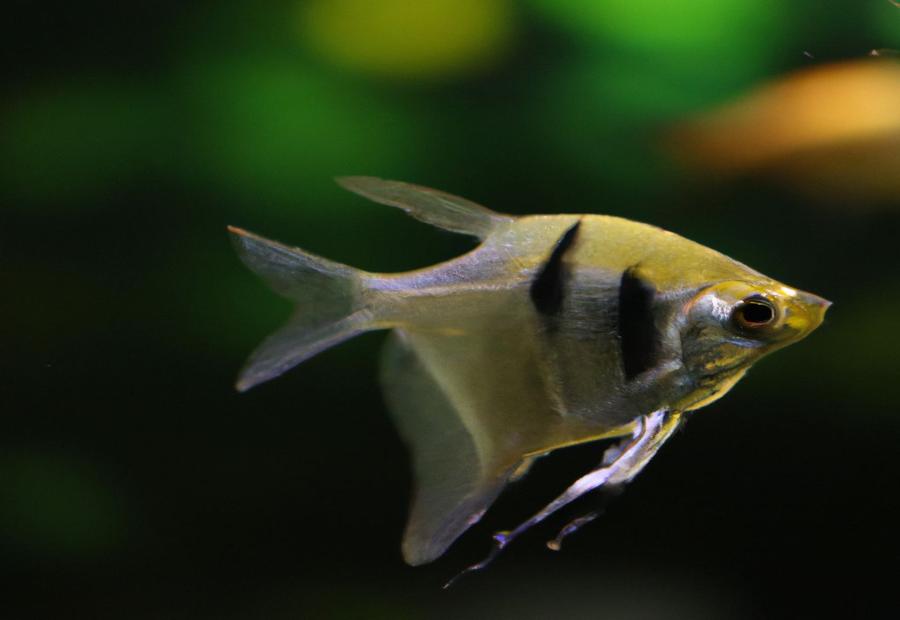
Photo Credits: Bettafishworld.Com by Willie Harris
Are your gouramis behaving oddly or showing signs of physical stress? Dive into this section to uncover the indicators that suggest gouramis may not be enjoying the current in their environment. From unusual behavior to physical stress, we’ll unravel the clues that can help you understand your fish better and create a more comfortable habitat for them. Get ready to decode the signals and ensure your gouramis are swimming happily.
Unusual Behavior
Gouramis, like any other fish, may display unusual behavior in an aquarium if they are not comfortable with the current. This unusual behavior can include excessive hiding, constantly swimming against the flow, or even gasping for breath. It is crucial to closely monitor their behavior to ensure they are thriving in their environment.
If you observe any signs of unusual behavior, it could be an indication that the current in the aquarium is too strong for your gouramis. In such cases, it is recommended to adjust the flow rate of the water outlets or consider repositioning them to create a gentler current. It is also essential to ensure that the general hardness and temperature ranges of the water are suitable for your gouramis, as these factors can also affect their behavior.
Some gouramis are more sensitive to strong currents than others, so it is important to consider the specific species when determining the appropriate current for your aquarium. Furthermore, their natural habitat should be taken into account, as some gouramis prefer calmer waters while others thrive in areas with stronger currents. Lastly, individual gouramis may have different tolerance levels for water movement, so personal preference plays a role as well.
To provide the best environment for your gouramis, it is vital to observe any signs of unusual behavior and make necessary adjustments. By creating a current that is suitable for their needs, you can ensure their well-being and promote a thriving aquarium ecosystem.
Physical Stress Indicators
In gouramis, physical stress indicators can provide valuable insights into their well-being. These physical stress indicators may manifest in various ways, alerting us to potential issues. These indicators help determine if the current in an aquarium is suitable for them.
One physical stress indicator is unusual behavior. If gouramis display erratic swimming patterns, such as darting around or constantly hiding, it could suggest they are stressed by the current. They may also exhibit aggression towards tank mates or become excessively lethargic.
Another physical stress indicator is changes in appearance. Watch for symptoms like faded coloration, frayed fins, or damage to their scales. These changes in appearance can indicate a negative reaction to the current.
Breathing difficulties are also a physical stress indicator. Gouramis may struggle to breathe comfortably if the current is too strong. Look out for rapid or labored breathing, gasping at the water surface, or spending excessive time near the aquarium’s outlet. These signs suggest the need to adjust the current.
It is important to note that each gourami species may have different tolerances for current strength. Additionally, their natural habitat should be taken into consideration when determining the appropriate level of current. Regular observation of gouramis’ behavior and physical condition will help identify if the current is causing them stress.
Remember to pay close attention to physical stress indicators in gouramis to ensure their well-being in relation to the aquarium’s current.
Additional Keywords: general hardness, temperature ranges, bad travelers, water hardness, fish shops
General Hardness
Temperature Ranges
Bad Travelers
Water Hardness
Fish Shops
| Gouramis prefer water with a moderate level of general hardness. | Gouramis thrive in water temperatures ranging from 75°F to 82°F. | Gouramis are not good travelers and can become stressed during transportation. | It is important to consider the water hardness in your aquarium when keeping gouramis. | Fish shops often have gouramis available for purchase. |
Some Facts About “Do Gouramis Like Current”:
- ✅ Gouramis prefer low-current environments as they are used to slow-moving and shallow rivers. (Source: fishtanksavvy.com)
- ✅ Gouramis have adapted to their natural habitat with their labyrinth organ, allowing them to absorb oxygen from the air. (Source: fishtanksavvy.com)
- ✅ The ideal temperature range for gouramis is between 22°C and 27°C. (Source: fishtanksavvy.com)
- ✅ Gouramis can tolerate slightly acidic water with a pH between 6 and 8. (Source: fishtanksavvy.com)
- ✅ Signs of stress in gouramis include a lack of appetite, restricted movement, hiding for long periods, and swimming in unusual patterns. (Source: fishtanksavvy.com)
Frequently Asked Questions
FAQs:
1. Do gouramis like strong currents in their tank?
No, gouramis prefer low-current environments similar to their natural freshwater habitats.
2. Can gouramis adapt to high-current environments?
Gouramis are not well adapted to high currents as they are used to slow-moving and shallow bodies of water.
3. How can strong currents in the tank affect gouramis?
Strong currents can cause stress to gouramis, leading to potential health issues and a weakened state.
4. Are honey gouramis particularly bad travellers?
Based on experiences shared, honey gouramis seemed to be more vulnerable during transportation and could be considered bad travellers.
5. What are the signs of stress in gouramis?
Signs of stress in gouramis include a lack of appetite, restricted movement, hiding for long periods, and swimming in unusual patterns.
6. How can I reduce the current in my gourami’s tank?
To minimize the current, you can adjust the flow of the aquarium filter, replace it with a sponge filter, use baffles, or disperse the outflow towards the back wall or surface of the water.