
Last Updated on 3 years by admin
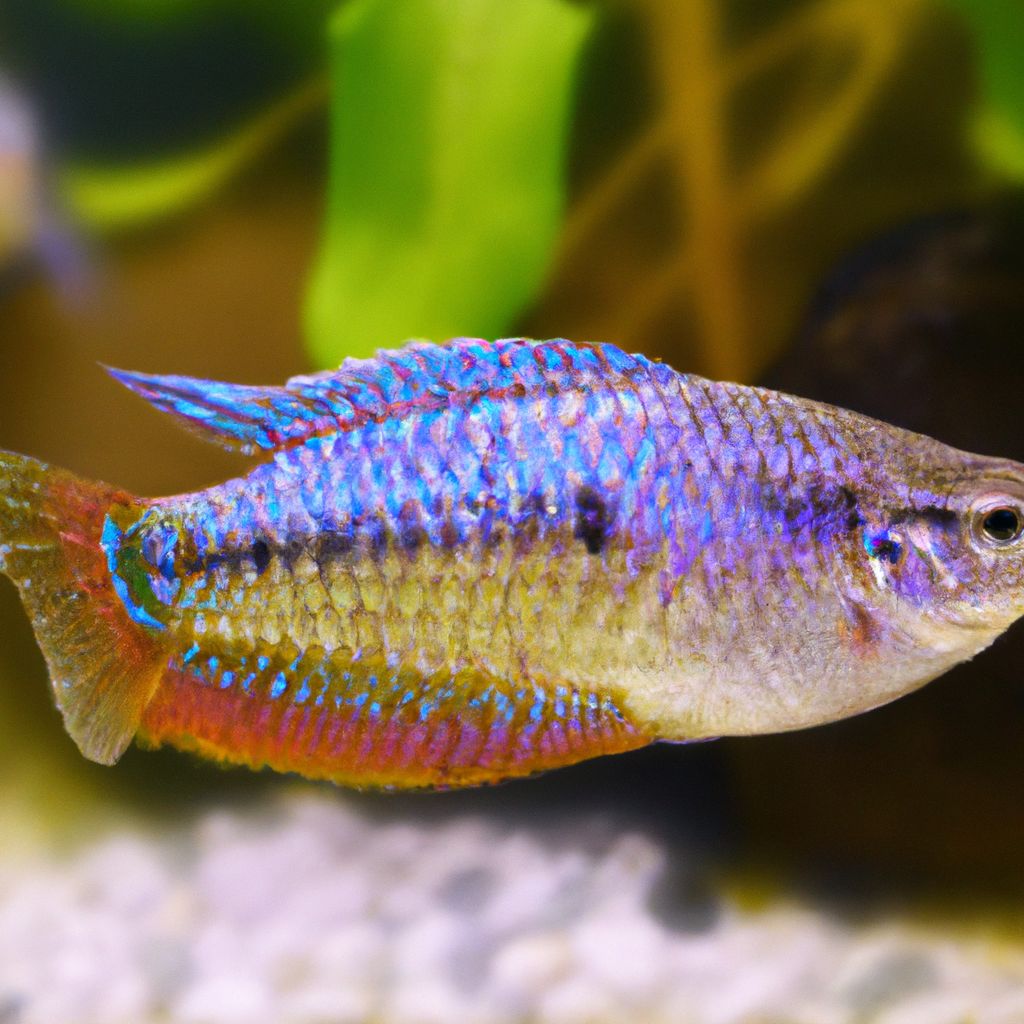
Dwarf Gourami, a popular freshwater fish, is known for its vibrant colors and unique behavior. To ensure a harmonious aquarium environment, it is important to understand the behavior of these fish, particularly when it comes to aggression. This article aims to provide insights into the behavior of Dwarf Gourami and address the question of whether they are aggressive.
Understanding the natural behavior traits of Dwarf Gourami is the first step. These fish are generally peaceful and solitary in their natural habitats, displaying unique patterns of movement and interaction. However, aggression can arise under certain circumstances.
Causes of aggression in Dwarf Gourami can be attributed to territorial instincts, especially when they feel their space is invaded. during the mating season, male Dwarf Gourami can become territorial and aggressive towards other males. Poor tank conditions, such as overcrowding or improper water conditions, can also contribute to aggressive behavior.
Identifying the signs of aggression in Dwarf Gourami is crucial for their well-being. Aggressive behavior may manifest as chasing, fin-nipping, or even physical attacks. It is important for aquarium owners to intervene in order to prevent harm to the fish and maintain a peaceful environment.
To manage and prevent aggression in Dwarf Gourami, providing sufficient space in the tank is essential. Creating hiding places with plants or decorations allows fish to establish territories and reduces aggression. Maintaining a balanced tank environment, including proper water parameters and regular maintenance, is also important.
Choosing compatible tank mates is crucial to ensure a peaceful coexistence. Certain fish species, such as peaceful community fish, are more suitable to be housed with Dwarf Gourami.
Key takeaway:
- Dwarf Gourami exhibit natural behavior traits: Understanding the natural behavior traits of Dwarf Gourami can help in managing their aggression levels effectively.
- Dwarf Gourami can be aggressive: While they are generally peaceful, Dwarf Gourami can become aggressive under certain circumstances, such as during mating season or due to territorial instincts.
- Preventing aggression in Dwarf Gourami: Providing sufficient space, establishing hiding places, maintaining a balanced tank environment, and choosing compatible tank mates can help in managing and preventing aggression in Dwarf Gourami.
Understanding Dwarf Gourami Behavior
The behavior of dwarf gouramis can vary, but understanding their behavior is crucial for their care and well-being.
- Dwarf gouramis are generally peaceful fish, but they can become territorial, especially during breeding. To prevent aggression, it is important to provide them with ample space and hiding spots in the aquarium.
- These fish are known to be shy and may become stressed in an environment with aggressive tank mates. To ensure their well-being, it is best to keep them with peaceful species that won’t intimidate or compete with them for resources.
- Male dwarf gouramis often display vibrant patterns and colors as a mating display. In order to attract a female or establish their territory, they may engage in flaring or chasing behaviors.
- Observing the behavior of dwarf gouramis can help identify any health issues. If a fish becomes lethargic, stops eating, or displays abnormal swimming patterns, it could indicate an underlying problem.
To ensure a harmonious environment for your dwarf gouramis, it is recommended to:
- Provide a suitable tank size with plenty of hiding spots and plants.
- Select tank mates that are compatible with dwarf gouramis’ peaceful nature.
- Maintain optimal water conditions, including appropriate temperature and pH levels.
- Regularly monitor their behavior and health to promptly address any issues.
Understanding dwarf gourami behavior is key to creating a thriving and peaceful aquarium environment for these beautiful fish.
(Source: https://www.aquariumcarebasics.com/freshwater-fish/dwarf-gourami/)
What Are the Natural Behavior Traits of Dwarf Gourami?
Dwarf Gourami display a range of natural behavior traits. These fish are active swimmers, constantly exploring their surroundings and searching for food. They also exhibit territoriality, actively defending their space from other fish. During the mating season, male Dwarf Gouramis showcase vibrant colors and engage in elaborate courtship rituals to attract females. Despite their territorial nature, Dwarf Gourami are generally peaceful and friendly towards their tankmates.
In their natural habitat, Dwarf Gouramis are typically found in slow-moving waters such as streams and vegetation-rich ponds. They seek shelter and hide among plants or other structures, which provides them with a sense of security.
It’s important to note that the behavior of Dwarf Gourami can be influenced by environmental conditions. Poor tank conditions or overcrowding can induce stress and potentially aggressive behavior. To maintain a peaceful community tank, it is crucial to provide a balanced tank environment with sufficient space, hiding places, and compatible tank mates.
To ensure the well-being of Dwarf Gouramis and maintain a harmonious aquarium environment, it is essential to understand their natural behavior traits.
Are Dwarf Gourami Aggressive?
Are Dwarf Gourami Aggressive? Dwarf Gourami can certainly be aggressive. In fact, aggression is a natural behavior trait of these fish. It is important to understand this aspect before deciding to keep them in your aquarium. Aggressive behavior can be influenced by various factors such as territorial instincts, the mating season, and poor tank conditions.
Territorial instincts play a significant role in triggering aggression in Dwarf Gourami. They tend to establish their own territories and can become aggressive towards other fish that enter their space. During the mating season, male Dwarf Gourami can become territorial and aggressive towards other males in an attempt to defend their chosen mate. Additionally, poor tank conditions, such as overcrowding or lack of hiding places, can also contribute to aggressive behavior.
To manage and prevent aggression in Dwarf Gourami, certain measures can be taken. First, providing sufficient space in the tank is essential to reduce territorial conflicts. It is recommended to have at least a 10-gallon tank for a pair of Dwarf Gourami. Establishing hiding places with plants or decorations can offer refuge for fish feeling threatened and reduce aggression. Maintaining a balanced tank environment with appropriate water conditions and regular maintenance is also crucial to minimize stress levels, which can trigger aggressive behavior.
Furthermore, choosing compatible tank mates is important to ensure a peaceful community. Peaceful or non-aggressive species of fish are ideal companions for Dwarf Gourami.
True story: I once had a pair of Dwarf Gourami in my tank, and even though they were generally peaceful, the male would occasionally display aggression towards other fish, especially during the mating season. To manage this, I provided ample hiding spaces and created separate territories within the tank using plants and decorations. This helped to minimize conflicts and maintain a harmonious aquarium environment. With proper care and attention to their needs, Dwarf Gourami can thrive and coexist peacefully with other fish.
Causes of Aggression in Dwarf Gourami
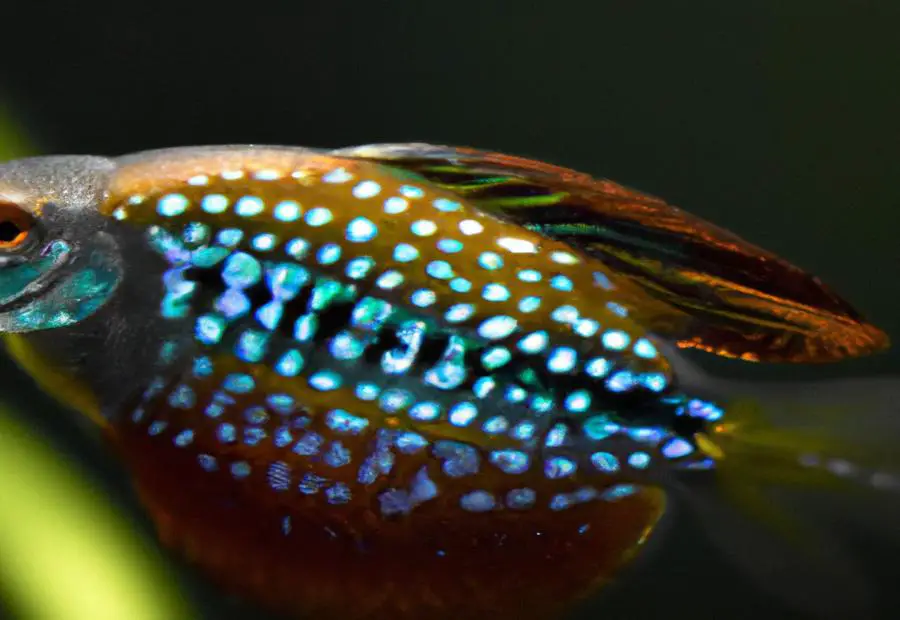
Photo Credits: Bettafishworld.Com by Bryan Flores
Diving into the world of dwarf gourami, let’s explore the causes of aggression in these fascinating creatures. From territorial instincts to the impact of mating season and poor tank conditions, we’ll uncover the factors that can stir up the feisty side of our aquatic friends. Brace yourself for a deep dive into the world of dwarf gourami behavior and discover what lies beneath their aggressive tendencies.
Territorial Instincts
Territorial instincts in Dwarf Gourami are inherent behaviors that play a significant role in their aggression. These instincts drive them to protect and defend their territory from other fish, often resulting in aggressive behavior. It is crucial to comprehend and manage these instincts in order to maintain harmony in the tank.
Dwarf Gouramis have a reputation for fiercely establishing and defending their territory. When they perceive a threat or intrusion, they may exhibit aggression towards other fish in the tank. This territorial aggression can manifest in various forms, such as chasing, nipping, or even engaging in physical fights.
To effectively manage the territorial instincts of Dwarf Gourami, several measures can be taken. Providing ample space in the tank is crucial, as it allows each fish to establish its own territory without feeling confined. It is recommended to allocate at least 10 gallons of tank space per fish.
Establishing hiding places within the tank also helps alleviate territorial aggression. Adding plants, rocks, or decorative items that create secluded areas will provide the fish with a sense of security and reduce the need to aggressively defend their territory.
Maintaining a balanced tank environment is essential for managing territorial instincts. Proper filtration, regular water changes, and maintaining optimal water parameters create a stress-free environment, reducing the likelihood of aggressive behavior.
Choosing compatible tank mates is another crucial aspect. Opting for fish species that are known to peacefully coexist with Dwarf Gourami can minimize territorial conflicts and foster a harmonious tank environment.
By understanding and addressing the territorial instincts of Dwarf Gourami, it is possible to create a peaceful and thriving tank for these beautiful fish.
(Keep table tags intact)Mating Season
During the mating season, dwarf gourami exhibit specific behaviors related to reproduction. The males become more active and may engage in courtship displays to attract females. They might flare their fins, swim in a zigzag pattern, or create bubble nests at the surface of the water. The females, on the other hand, may display lighter colors and a rounded belly, indicating readiness to spawn.
Mating season typically occurs during warmer months when water temperatures rise. It’s important to note that aggression can also increase during this time as males compete for the attention of females. This aggression can lead to fights and territorial disputes within the aquarium.
To manage aggression during the mating season, it is crucial to provide sufficient space for each individual fish to establish and defend their territory. Introducing hiding places such as plants, decorations, or caves can also help reduce aggression by providing shelter for fish to retreat to.
Maintaining a balanced tank environment is essential, as stressors such as poor water quality or overcrowding can exacerbate aggressive behavior. Regular water changes, proper filtration, and monitoring water parameters are necessary to ensure a healthy and stress-free environment for the fish.
When selecting tank mates, it is important to choose species that are compatible with dwarf gourami. Avoid keeping multiple males together, as this can lead to heightened aggression. Instead, opt for compatible species like peaceful community fish that won’t trigger aggressive behavior.
Poor Tank Conditions
Poor tank conditions can have a significant impact on the aggression levels of dwarf gourami. It is important to create a healthy and comfortable environment for these fish. Here are some factors to consider:
- Water quality: Ensuring clean and properly filtered water is crucial. Poor water quality can lead to stress, which in turn can trigger aggressive behavior in dwarf gourami.
- Water temperature: Maintaining the recommended temperature range is essential for the well-being of these fish. Drastic temperature fluctuations or extremes can cause stress and increase aggression.
- Tank size: Providing a spacious tank is important. Overcrowding can lead to territorial disputes and heightened aggression. Aim for a tank size that allows each fish to have enough space to establish its territory.
- Decor and hiding spots: Lack of hiding places or inadequate tank decorations can contribute to stress and aggression. Dwarf gourami should have access to plants, caves, and other structures to create their own territories and retreat when needed.
- Compatibility with tank mates: Choosing tank mates that are compatible with dwarf gourami is crucial. Aggressive or territorial fish can escalate conflicts and lead to stress. Research and select peaceful species that coexist well with dwarf gourami.
- Feeding regimen: Providing a balanced and nutritious diet is important for the overall well-being of these fish. Poor nutrition can lead to weakened immune systems and increased stress levels, which can trigger aggression.
By paying attention to these factors and addressing poor tank conditions, you can help create a peaceful environment for your dwarf gourami.
Signs of Aggression in Dwarf Gourami
Dwarf gouramis can display signs of aggression, and it is essential for enthusiasts to be aware of these behaviors.
One common sign is fin-nipping, where a gourami bites another’s fins, causing damage and stress. Aggressive gouramis may also exhibit territorial behaviors, vigorously defending their chosen spaces. It is crucial to observe any chasing, flaring, or aggressive posturing between individuals. These behaviors can escalate and lead to injury or even death if not addressed promptly.
To minimize aggression in dwarf gouramis, it is advisable to provide ample hiding spots and visual barriers in the aquarium. This helps create territorial boundaries and reduces stress. Maintaining an appropriate tank size, with enough space for each gourami to establish its territory, is also crucial. Mixed gender groups tend to be less aggressive, so consider a balanced population.
If signs of aggression persist, consider rearranging the tank or add new decorations to disrupt established territories. Separating aggressive individuals into their own tanks may be necessary if aggression continues to pose a threat to the well-being of other tank inhabitants.
By recognizing and responding to signs of aggression in dwarf gouramis, enthusiasts can ensure a harmonious and peaceful aquarium environment for all its inhabitants.
Managing and Preventing Aggression in Dwarf Gourami
Discover effective strategies to manage and prevent aggression in dwarf gourami. From providing sufficient space to establishing hiding places, maintaining a balanced tank environment, and selecting compatible tank mates, this section dives into practical tips for ensuring a harmonious and peaceful aquarium environment for these vibrant fish. With expert-backed advice, you can create a serene habitat that promotes the well-being of your dwarf gourami and fosters a thriving aquatic community.
Providing Sufficient Space
Providing sufficient space is crucial for maintaining a peaceful environment for Dwarf Gourami. Here are some important considerations:
- Dwarf Gourami require at least 10 gallons of tank space per fish to thrive.
- Ensure the tank dimensions are suitable, with a minimum length of 20 inches and a width of 10 inches.
- Creating ample swimming space gives the fish the freedom to explore and exhibit natural behaviors.
- Avoid overcrowding the tank, as it can lead to stress and increased aggression among the fish.
- Regularly monitor the growth of your Dwarf Gourami and upgrade the tank size accordingly to accommodate their needs.
To provide sufficient space for Dwarf Gourami, it is recommended to follow these suggestions:
- Consider a tank size of 20 gallons or more to provide ample swimming room.
- Decorate the tank with live or artificial plants to create hiding spots and break visual barriers.
- Include various levels in the tank, such as floating plants or rocks, to maximize the available space.
- Avoid overcrowding the tank with other large or aggressive fish species that may encroach on the Gourami’s territory.
- Regularly clean and maintain the tank to ensure water quality and a healthy environment.
By providing sufficient space, you can promote the well-being and reduce aggression among your Dwarf Gourami population.
Establishing Hiding Places
To effectively establish hiding places for your dwarf gourami, here are some steps you can follow:
- Introduce a combination of live or artificial plants into your tank. These plants provide abundant foliage, creating ideal hiding spots for your gouramis.
- Strategically place rocks or driftwood within the tank. These additions create caves and crevices, offering secure shelters for your gouramis.
- Add floating plants to the surface of the water. This not only adds visual appeal but also establishes shaded areas where your gouramis can feel protected and secure.
- Arrange various decorations such as caves or tunnels in the tank. These structures replicate natural hiding spots, giving your gouramis a sense of safety and security.
Pro-tip: It is essential to establish multiple hiding places to ensure that all your gouramis have equal access to shelter. This practice plays a crucial role in reducing stress and aggression within the tank.
Maintaining a Balanced Tank Environment
In order to maintain a balanced tank environment for dwarf gourami, it is important to consider a few key factors:
1. Water quality: It is crucial to ensure that the water parameters such as temperature, pH level, and ammonia levels are within the appropriate range for dwarf gourami. A stable and clean water environment is essential for their well-being.
2. Filtration system: Use a high-quality filtration system in the tank to effectively remove any excess waste or toxins. This will help maintain good water quality and ultimately reduce the risk of aggression.
3. Adequate lighting: Provide appropriate lighting in the tank to replicate the natural day-night cycle. This will help regulate the gourami’s behavior and reduce stress levels.
4. Proper tank size: Dwarf gourami require sufficient space to swim and establish their territory. It is important to ensure that the tank size is suitable for their needs, allowing enough room for each fish to have their own territory.
5. Plant and decor placement: Incorporate live plants, floating plants, and hiding places in the tank. This will create a more natural environment, provide shelter, and reduce aggression by giving each fish their own space.
6. Water circulation: Maintain a gentle water flow in the tank to imitate their natural habitat. This will not only provide oxygenation but also prevent the buildup of stagnant areas, reducing the risk of aggression.
7. Regular maintenance: Performing regular water changes, substrate cleaning, and tank maintenance is crucial to remove any accumulated waste and maintain a clean and healthy tank environment.
By considering these factors and maintaining a balanced tank environment, you can help create a peaceful and stress-free habitat for your dwarf gourami.
Choosing Compatible Tank Mates
When choosing compatible tank mates for dwarf gourami, it is important to consider their temperament and size.
Peaceful and non-aggressive fish, such as Corydoras catfish, neon tetras, and platies, make good tank mates for dwarf gourami.
Avoid keeping aggressive or fin nipping fish with dwarf gourami, as they may stress or harm each other.
It is recommended to maintain a ratio of one dwarf gourami to three or more tank mates to distribute aggression and promote harmony.
Choose fish that occupy different levels of the tank to reduce competition for territory and resources.
By following these guidelines for choosing compatible tank mates, you can ensure that the tank mates you choose for your dwarf gourami will create a peaceful and harmonious environment.
Some Facts About Are Dwarf Gourami Aggressive:
- ✅ Dwarf Gouramis can become more aggressive when defending their territories or during breeding periods. (Source: https://fishtanksavvy.com/are-gouramis-aggressive/)
- ✅ Male Dwarf Gouramis can be aggressive towards each other. Female Gouramis are generally less aggressive. (Source: https://www.bettacarefishguide.com/are-gouramis-aggressive-and-how-to-stop-it/)
- ✅ Aggression in Dwarf Gouramis is often related to territory, especially when they feel threatened by fish that resemble them in shape and size. (Source: https://www.bettacarefishguide.com/are-gouramis-aggressive-and-how-to-stop-it/)
- ✅ Aggression in Dwarf Gouramis can occur during feeding and mating. (Source: https://www.bettacarefishguide.com/are-gouramis-aggressive-and-how-to-stop-it/)
- ✅ Signs of aggression in Dwarf Gouramis include chasing other fish, aggressive feeding behavior, aggression during breeding, and visible marks or injuries on fish. (Source: https://www.bettacarefishguide.com/are-gouramis-aggressive-and-how-to-stop-it/)
Frequently Asked Questions
Are dwarf gourami aggressive?
Yes, dwarf gouramis can become aggressive, especially during breeding periods or when defending their territory.
What are some warning signs of aggression in dwarf gouramis?
Signs of aggression in dwarf gouramis include chasing other fish, stealing food, aggressive feeding behavior, and noticeable marks or injuries on fish.
How can I stop aggression in my dwarf gouramis?
To stop aggression in dwarf gouramis, you can remove the most aggressive fish, let them fight to establish dominance, add decorations and plants for hiding spaces, introduce a larger, more aggressive fish, or use a tank divider to separate aggressive fish.
What is the correct male to female ratio for dwarf gouramis?
To reduce aggression in dwarf gouramis, it is recommended to have more females than males in the tank. This helps create a balance and reduce competition between males.
Can dwarf gouramis be kept in small tanks?
While dwarf gouramis can be kept in smaller tanks, it is important to provide enough space and hiding spots for them to reduce aggression. Larger sized community tanks are generally recommended for dwarf gouramis.
What should I do if I notice aggression in my dwarf gourami towards other fish?
If you notice aggression in your dwarf gourami towards other fish, it is important to monitor the situation closely. Consider rearranging the tank layout, adding more hiding spots, or consulting an expert for advice.