
Last Updated on 3 years by admin
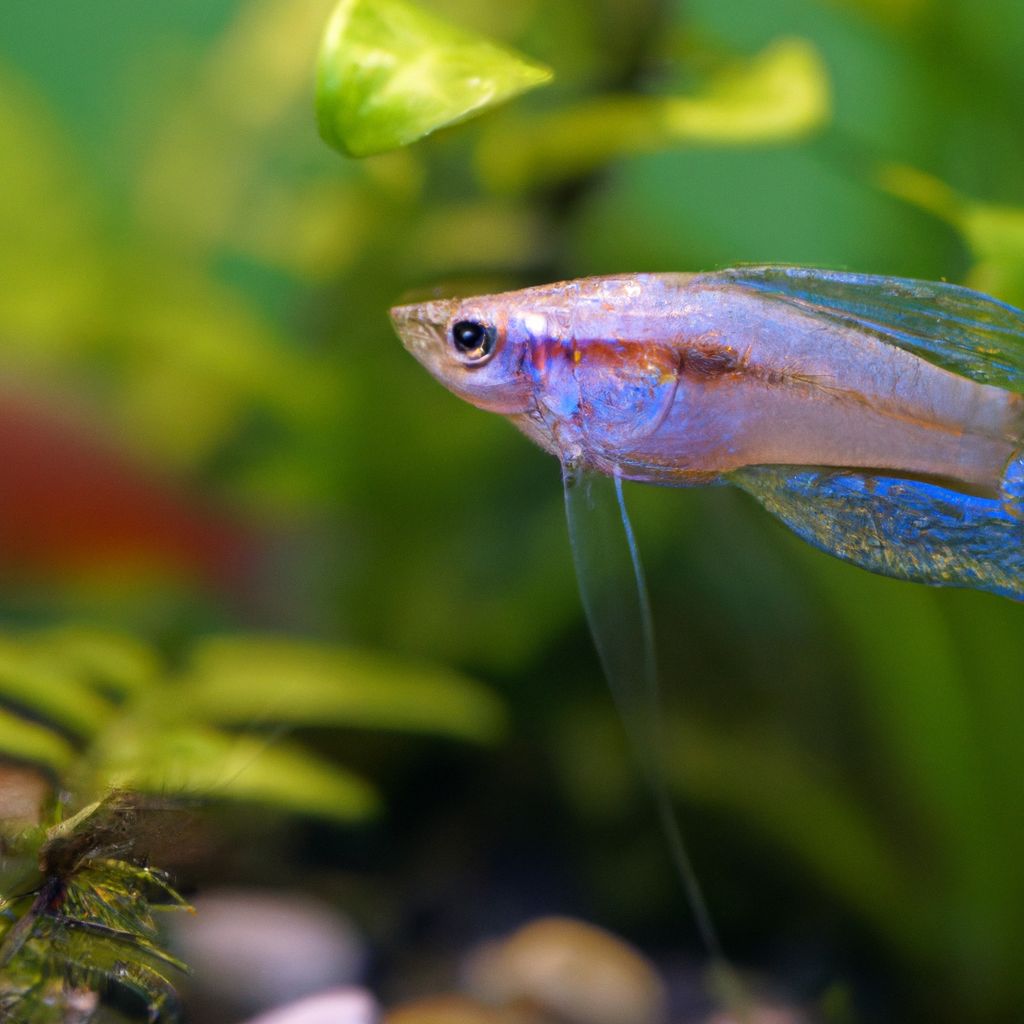
Dwarf gourami and shrimp are popular aquatic creatures that many fishkeepers enjoy having in their aquariums. However, there may be concerns about whether these two species can coexist peacefully or if the dwarf gourami will eat the shrimp. In this article, we will explore the nature of dwarf gourami and shrimp, their relationship with each other, and whether dwarf gourami are prone to consuming shrimp.
Dwarf gourami (Trichogaster lalius) is a small freshwater fish native to South Asia, known for its vibrant colors and peaceful temperament. Shrimp, on the other hand, refer to various freshwater species such as Amano shrimp (Caridina multidentata) or Cherry shrimp (Neocaridina spp.). They are renowned for their unique appearance and their ability to clean algae in the aquarium.
To determine if dwarf gourami and shrimp can coexist, it is essential to understand the natural behavior and diet of dwarf gourami. we will explore the relationship between these two species and examine factors that may influence the dwarf gourami’s diet, based on studies and experiences from fishkeepers. This will help us determine the likelihood of dwarf gourami preying on shrimp.
If you are concerned about the shrimp’s safety, we will also provide preventative measures that you can take. These include providing adequate hiding places, maintaining water parameters favorable for the shrimp, and implementing feeding strategies to distract the dwarf gourami.
By the end of this article, you will have a better understanding of the interactions between dwarf gourami and shrimp, and how to ensure the well-being of both species in your aquarium.
Key takeaway:
- Dwarf Gourami and Shrimp can coexist: Despite some factors that may influence their diet, observations and experiences from fishkeepers suggest that Dwarf Gourami and Shrimp can live together peacefully.
- Providing hiding places protects Shrimp: Offering adequate hiding places for Shrimp can help protect them from being eaten by Dwarf Gourami.
- Maintaining favorable water parameters is important: Keeping the water parameters suitable for Shrimp can further enhance their chances of survival in the presence of Dwarf Gourami.
What are Dwarf Gourami and Shrimp?
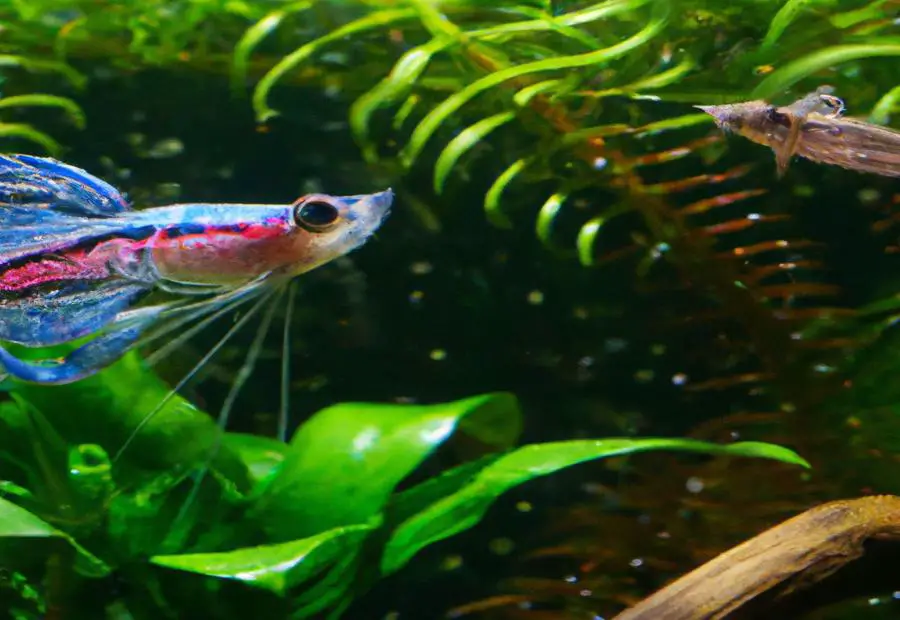
Photo Credits: Bettafishworld.Com by Bruce Davis
Dwarf Gourami and shrimp are both intriguing aquatic creatures that bring charm and variety to aquariums. Dwarf Gourami is a freshwater fish belonging to the Osphronemidae family, while shrimp are small crustaceans that can be found in both saltwater and freshwater environments.
Dwarf Gourami is petite in size, typically growing up to 3 inches long, and is renowned for its vibrant colors, which make it a popular choice for aquarium enthusiasts. These fish are generally docile in nature and relatively easy to care for.
On the other hand, shrimp possess a distinct body structure, featuring a rigid exoskeleton and numerous pairs of legs. They often serve as part of the cleaning crew in aquariums due to their scavenging behavior, consuming leftover food and algae.
It should be noted, however, that Dwarf Gourami may consume shrimp if the shrimp are small enough to fit into their mouths. As a result, when maintaining these two species together, it is crucial to consider the size and compatibility of the tank inhabitants.
Can Dwarf Gourami and Shrimp Coexist?
Can Dwarf Gourami and shrimp peacefully share a tank? Let’s dive into the natural behavior and diet of Dwarf Gourami, as well as the intriguing dynamic between Dwarf Gourami and shrimp. With fascinating facts and insights, we’ll explore whether these aquatic creatures can coexist harmoniously or if conflicts are bound to arise. Get ready to uncover the secrets behind this potential tank companionship!
1. Natural Behavior and Diet of Dwarf Gourami
Dwarf Gourami, also known as Colisa lalia, is a small tropical fish species that is native to South Asia. They are popular among fish enthusiasts due to their vibrant colors and interesting behavior. When it comes to their natural behavior and diet, it is important to understand their preferences and needs.
1. The natural behavior and diet of Dwarf Gourami play a significant role. It’s worth noting that they are peaceful fish, tending to be shy and timid in nature. These vibrant fish prefer to stay in the middle and top levels of the aquarium, often hiding among plants and other decorations. To create a harmonious environment, they do well in a peaceful community tank with other compatible fish.
2. In terms of their diet, Dwarf Gourami are classified as omnivorous. This means they eat both plant matter and small insects. To ensure their health and well-being, it is essential to provide them with a high-quality flake or pellet food specifically designed for tropical fish. Additionally, supplementing their diet with live or frozen foods such as brine shrimp or bloodworms is advisable. Offering a varied diet is crucial to ensure they receive all the necessary nutrients they need.
3. While Dwarf Gourami may occasionally nibble on algae or small invertebrates, they generally do not have a natural inclination to eat shrimp. Their preference leans more towards small insects or insect larvae.
If you are considering keeping Dwarf Gourami and shrimp together in a tank, it is crucial to provide adequate hiding places for the shrimp and ensure the water parameters are suitable for both species. Moreover, offering a well-balanced diet and ensuring the fish are well-fed can help minimize the chances of them targeting the shrimp.
Understanding the natural behavior and diet of Dwarf Gourami is vital in creating a harmonious environment for all the inhabitants of your aquarium. By providing the right conditions and ensuring proper nutrition, you can enjoy the beauty of these fascinating fish alongside compatible tank mates.
2. Relationship Between Dwarf Gourami and Shrimp
The relationship between dwarf gourami and shrimp can vary depending on various factors.
- Natural Behavior and Diet: Dwarf gourami are generally peaceful fish that prefer slow-moving water and densely planted tanks. They are omnivores, consuming both plant matter and small invertebrates, including shrimp.
- Interaction: In certain cases, dwarf gourami and shrimp can peacefully coexist in the same tank without any issues. They might even disregard each other and go about their own activities.
- Compatibility: However, there have been instances where dwarf gourami have been observed preying on and consuming shrimp, particularly if the shrimp are small or young. The risk of aggression or predation increases in tanks with limited hiding places or when gouramis are not provided with adequate alternative food sources.
- Protective Measures: To safeguard shrimp from dwarf gourami, it is essential to provide sufficient hiding places such as caves, plants, or rocks, where the shrimp can seek refuge. Maintaining optimal water parameters for shrimp, including temperature, pH, and water quality, is also crucial. Additionally, implementing feeding strategies to divert the gourami’s attention, such as offering a varied diet with ample protein-rich food options, can help reduce the likelihood of shrimp predation.
Will Dwarf Gourami Eat Shrimp?

Photo Credits: Bettafishworld.Com by Timothy Nguyen
Curious about the dietary habits of dwarf gourami? Let’s dive into the intriguing question of whether these little fish have a taste for shrimp. In this section, we’ll explore the factors that influence the diet of dwarf gourami, and we’ll also delve into the experiences and observations shared by fishkeepers. Get ready to uncover fascinating insights and discover whether the unlikely pairing of dwarf gourami and shrimp is a reality or just a myth.
1. Factors That Influence Dwarf Gourami’s Diet
The factors that influence dwarf gourami’s diet include its natural behavior, the availability of food sources, and water conditions.
| Natural Behavior | The dwarf gourami is an omnivorous fish with a preference for small invertebrates like insects and crustaceans. Its diet is influenced by its natural feeding habits. |
| Food Sources | The availability of different food sources affects the diet of the dwarf gourami. In its natural habitat, it feeds on a variety of live and frozen foods, including brine shrimp, daphnia, bloodworms, and small insects. |
| Water Conditions | The water parameters such as temperature, pH level, and water quality can influence the dwarf gourami’s appetite and ability to digest food. Maintaining suitable water conditions is important for its overall health and well-being. |
It is important to understand these factors that influence dwarf gourami’s diet and provide a diet that meets the nutritional needs of the dwarf gourami. Offering a varied diet with a combination of high-quality flakes, pellets, and live or frozen foods that mimic its natural diet can help ensure its nutritional requirements are met. Observing the fish’s behavior and adjusting the diet accordingly is also crucial for its health and vitality.
2. Observations and Experiences from Fishkeepers
Based on the observations and experiences of fishkeepers, here are some key observations regarding the coexistence of dwarf gourami and shrimp:
- Dwarf gourami and shrimp can coexist peacefully in a well-maintained aquarium.
- Many fishkeepers have successfully kept dwarf gourami and shrimp together without any issues.
- It is important to introduce the shrimp to the aquarium before adding the dwarf gourami to allow the shrimp to establish their territories.
- Some fishkeepers have observed that dwarf gouramis tend to ignore shrimp and do not show any aggressive behavior towards them.
- Providing ample hiding places, such as live plants and caves, can help shrimp feel safe and minimize any potential conflicts.
One fishkeeper shared their experience of successfully keeping a community tank with dwarf gourami and shrimp. They mentioned that the shrimp had plenty of places to hide, and the gouramis showed no interest in pursuing them. The fishkeeper also ensured that the water parameters, such as pH and temperature, were suitable for both species. With careful observation and appropriate tank setup, they were able to enjoy the beautiful combination of dwarf gourami and shrimp in their aquarium.
What Can I Do to Protect Shrimp from Dwarf Gourami?

Photo Credits: Bettafishworld.Com by Albert Hall
Worried about your shrimp falling prey to dwarf gourami? Don’t fret! In this section, we’ve got you covered with effective ways to protect your shrimp from these hungry predators. From creating hiding spots to maintaining optimal water parameters and even using feeding strategies to distract dwarf gourami, we’ll explore proven techniques that will ensure your shrimp’s safety and give you peace of mind. Let’s dive in and learn how to safeguard your shrimp buddies!
1. Providing Adequate Hiding Places
When housing dwarf gourami and shrimp together, it is essential to ensure the safety and well-being of the shrimp by providing adequate hiding places.
- Creating a densely planted aquarium with various plants like mosses and floating plants can offer excellent hiding spots for shrimp. Not only do these dense vegetation provide shelter, but they also create a natural environment for the shrimp to thrive.
- Additional hiding places can be provided by adding caves or tubes to the aquarium setup. These structures can be made using materials such as PVC pipes or small ceramic caves, allowing enough space for the shrimp to retreat.
- Natural hiding places for the shrimp can be created by introducing driftwood, rocks, or other aquarium decorations. The small crevices, gaps, or spaces between the decor can be utilized by the shrimp to take cover whenever they feel threatened.
- Incorporating carpeting plants like dwarf hairgrass or mosses like java moss can provide a safe cover for the shrimp. These plants form dense mats or carpets on the substrate, offering protection and camouflage to the shrimp.
By providing adequate hiding places, the shrimp can feel secure and confident in their environment, minimizing the chances of them being preyed upon by dwarf gourami.
2. Maintaining Water Parameters Favorable for Shrimp
To maintain water parameters that are favorable for shrimp, it is crucial to create an environment that supports their well-being. Here are some important factors to consider:
- Water temperature: Shrimp thrive within specific temperature ranges. It is essential to consistently monitor and adjust the water temperature to keep it within the optimal range for the specific shrimp species you have. This can be achieved by using a reliable aquarium heater and regularly checking the water temperature.
- Water pH level: Shrimp prefer slightly acidic to neutral pH levels. It is important to test the water pH and make necessary adjustments to provide a suitable habitat for the shrimp. Using pH testing kits and adding pH buffers can assist in maintaining the desired pH range.
- Water hardness: Shrimp are sensitive to water hardness, so it is important to ensure it remains within the appropriate range for their species. Water hardness can be controlled by using suitable mineral additives or by carefully selecting the water source.
- Water cleanliness: Shrimp are highly sensitive to pollutants and ammonia levels in the water. Regular water changes, proper filtration, and the use of a high-quality water conditioner are essential for maintaining clean and safe water conditions for the shrimp.
- High water quality: Maintaining good water quality is crucial for shrimp health. This involves regular removal of debris, maintaining proper oxygen levels, and minimizing the accumulation of organic waste. Using a reliable filtration system and conducting frequent water tests can help ensure optimal water quality.
By paying close attention to these factors and regularly monitoring and adjusting the water parameters, you can create a suitable and favorable environment for the well-being and thriving of your shrimp.
3. Feeding Strategies to Distract Dwarf Gourami
Feeding Strategies to Distract Dwarf Gourami:
- Offer a variety of live or frozen foods. Dwarf gouramis have a preference for live foods such as brine shrimp, bloodworms, and daphnia. These tempting distractions can help divert the gourami’s attention from the shrimp.
- Use floating foods. In order to lure the dwarf gourami away from the shrimp, provide floating foods like flakes or pellets. Shrimp tend to stay in the lower regions of the tank, while gouramis prefer feeding on the surface.
- Utilize feeding rings. By placing a feeding ring in the tank, you can specifically target the feeding behavior of the dwarf gourami. Place food inside the ring, away from the shrimp’s hiding spots, to redirect the gourami’s attention.
- Feed the gourami separately. If possible, set up a separate feeding area for the dwarf gourami using tank dividers or feeding stations. This will prevent the gourami from interfering with the shrimp’s meals.
- Provide ample vegetation. To keep the gourami occupied and less interested in the shrimp, ensure your tank has plenty of plants for the gourami to nibble on as an alternative food source.
- Monitor feeding times. Pay attention to when the dwarf gourami is most active and hungry. Feeding it before introducing the shrimp’s food can help minimize any aggressive behavior towards the shrimp.
- Consider adding more hiding places. Increase the number of hiding spots for the shrimp to create a sense of security and reduce the chances of them encountering the gourami during feeding time.
- Regularly observe the interactions. Keep a close eye on the tank to monitor the behavior of both the shrimp and the gourami. If you notice any signs of aggression or stress, take immediate action to separate them.
Some Facts About “Will Dwarf Gourami Eat Shrimp”:
- ✅ Dwarf Gouramis have a high predatory instinct and can easily eat smaller sized shrimp, such as dwarf and cherry shrimp. (Source: Shrimp Tips)
- ✅ Large-sized shrimp, like Amano, bamboo, and vampire shrimp, are usually safe to keep with Dwarf Gouramis as they are not typically targeted as prey. (Source: Jaljeev)
- ✅ To protect shrimp from Dwarf Gouramis, it is recommended to have a large tank with ample hiding places, especially during molting, and to feed the gouramis adequately to reduce their cravings. (Source: Jaljeev)
- ✅ Adding lots of shrimp to the tank and keeping large-sized shrimp can help deter Dwarf Gouramis from attacking and eating them. (Source: Fish Article)
- ✅ The compatibility of Dwarf Gouramis with Ghost Shrimp depends on the order of introduction and the availability of hiding places and live plants in the tank. (Source: Fish Article)
Frequently Asked Questions
Can Dwarf Gouramis and Shrimp live together?
Answer: It is possible for Dwarf Gouramis and Shrimp to live together, but it depends on the size of the shrimp and the aggressiveness of the gourami. Providing a heavily planted tank with hiding places for the shrimp is recommended.
How can I prevent Dwarf Gouramis from eating shrimp?
Answer: There are several ways to prevent Dwarf Gouramis from eating shrimp. These include adding lots of shrimp to the tank so that the gourami is less likely to target them, feeding the gouramis properly and adequately so that they are not hungry enough to eat the shrimp, using a large tank that provides protection for the shrimp, keeping large-sized shrimp as gouramis prefer to eat small things, providing ample hiding places for the shrimp to protect themselves, and introducing the gouramis and shrimp together in the tank and using the same water for both to help them get acquainted.
What types of shrimp are safe to keep with Dwarf Gouramis?
Answer: There are certain types of shrimp that are safe to keep with Dwarf Gouramis, such as Bamboo shrimp, Amano shrimp, and Ghost shrimp. The size of the shrimp should also be considered.
Can Dwarf Gouramis eat Cherry Shrimp or shrimp fry?
Answer: Dwarf Gouramis have a predatory instinct and may eat small-sized shrimp like Cherry shrimp or shrimp fry. It is important to take precautions when keeping these shrimp with Dwarf Gouramis.
Are Dwarf Gouramis picky eaters?
Answer: Dwarf Gouramis are not picky eaters and will consume a variety of food. Their favorite food is small fish, but they can also eat shrimp if given the opportunity.
Do I need a large tank to keep Dwarf Gouramis and shrimp together?
Answer: It is recommended to have a large tank to keep Dwarf Gouramis and shrimp together. A larger tank provides more space for the shrimp to hide and reduces the chances of them crossing paths with the gouramis, minimizing the risk of aggression.