
Originally posted on July 19, 2023 @ 3:17 am
Last Updated on 1 day by admin
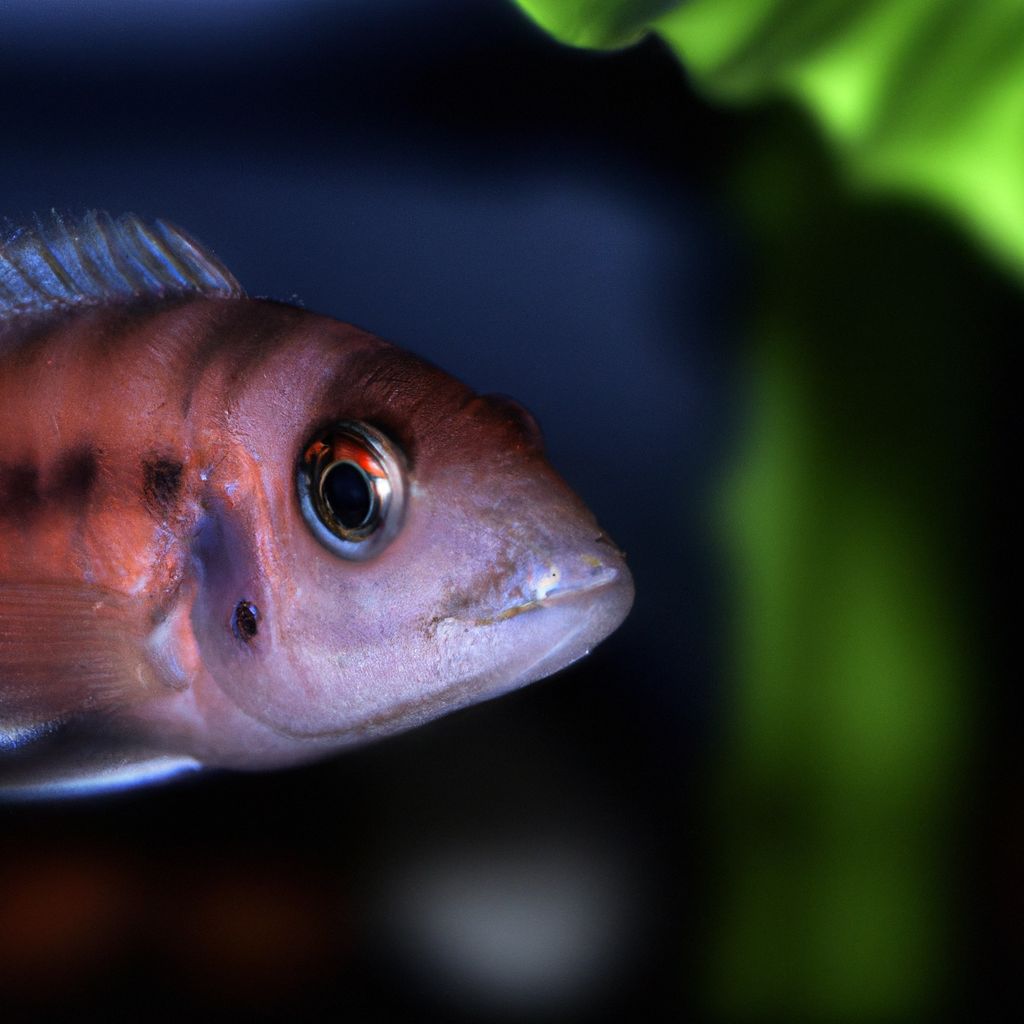
Cichlids are a popular group of freshwater fish known for their vibrant colors and diverse species. However, if you notice that your cichlid is consistently staying at the bottom of the tank, it can be a cause for concern. Understanding the behavior and needs of cichlids is essential in addressing this issue.
Cichlids are a type of fish belonging to the Cichlidae family, which comprises hundreds of species. They are known for their territorial behavior, unique breeding habits, and wide range of sizes and colors.
There are various types of cichlids, including the popular African cichlids, South American cichlids, and Central American cichlids, each with its own distinct characteristics and care requirements.
Typically, cichlids are active and will swim throughout different levels of the tank. However, if your cichlid is consistently staying at the bottom of the tank, it may be a sign of underlying issues that need to be addressed.
Several reasons could explain why cichlids stay at the bottom of the tank. These include stress and anxiety, poor water quality, inadequate tank conditions, aggression from tankmates, illness or disease, and lack of oxygen. Each of these factors can contribute to the cichlid’s behavior and well-being.
To encourage your cichlid to explore beyond the bottom of the tank, certain steps can be taken. It is important to maintain optimal water parameters, provide sufficient hiding places, ensure an adequate tank size, introduce compatible tankmates, and address any potential health issues. By addressing these factors, you can create a more suitable environment for your cichlid and promote their overall well-being.
Understanding the behavior and needs of your cichlids is crucial in providing them with a thriving and healthy environment. By paying attention to their behavior and taking appropriate measures, you can help your cichlid overcome any issues and ensure their well-being in the aquarium.
Key takeaway:
- Cichlids staying at the bottom of the tank can indicate stress, poor water quality, inadequate tank conditions, aggression from tankmates, illness, or lack of oxygen.
- Maintaining optimal water parameters, providing hiding places, ensuring adequate tank size, introducing compatible tankmates, and addressing potential health issues can encourage cichlids to explore beyond the bottom of the tank.
- Understanding cichlids’ behavior and addressing their needs is crucial for creating a healthy and stimulating environment for these fish.
Understanding Cichlids
When it comes to understanding cichlids, there are several key factors to consider:
- Behavior: Cichlids are known for their diverse and fascinating behaviors. Understanding cichlids’ behavior can provide insights into their temperament, whether they are territorial, aggressive, or even peaceful, depending on the species and individual.
- Habitat: Cichlids can be found in various habitats, such as lakes, rivers, and streams. To understand cichlids’ habitat is to gain knowledge about their dietary and environmental needs.
- Diet: Cichlids have a diverse diet that includes small invertebrates, plants, and even other fish. Meeting cichlids’ nutritional requirements with a balanced diet is crucial.
- Water conditions: Cichlids require specific water parameters like temperature, pH levels, and water hardness to thrive. Caring for their health and well-being involves maintaining these water conditions.
- Compatibility: Understanding cichlids’ compatibility is crucial in creating a cichlid community tank. Not all cichlids can live together peacefully, as some species are more aggressive and may harm or kill other tank mates.
- Reproduction: Cichlids are known for their unique breeding behaviors. Some species, like mouthbrooders, have females that hold the eggs or fry in their mouths. Providing suitable conditions for successful breeding involves understanding their reproductive behaviors.
By comprehending these aspects of cichlids, you can create a suitable and enriching environment for these captivating fish.
What Are Cichlids?
Cichlids are a diverse group of fish known as “What Are Cichlids?”. They are recognized for their vibrant colors and unique behaviors. These freshwater fish are native to various regions around the world, including South America, Africa, and Central America.
Cichlids are typically characterized by their elongated bodies and sharp teeth. They come in a wide range of sizes, from small species that can grow up to a few inches, to larger ones that can reach lengths of over a foot.
One of the most fascinating aspects of cichlids is their behavior. They exhibit complex social structures and are known for their territorial nature. Some cichlid species are also known to be excellent parents, taking care of their eggs and young.
If you’re considering adding cichlids to your aquarium, it’s important to research and understand the specific requirements of the species you are interested in. Factors such as water temperature, pH levels, and tank size should be taken into consideration to ensure the well-being of these fish.
Types of Cichlids
Here is a table that provides information about the Types of Cichlids
| Cichlid Type | Origin | Size | Water Parameters |
|---|---|---|---|
| African Cichlids | Africa | Varies depending on species, ranges from 2-18 inches | Prefer alkaline water with pH between 7.8-8.6 |
| South American Cichlids | South America | Varies depending on species, ranges from 2-12 inches | Prefer slightly acidic to neutral water with pH between 6.0-7.5 |
| Central American Cichlids | Central America | Varies depending on species, ranges from 2-12 inches | Prefer slightly alkaline to neutral water with pH between 7.0-8.0 |
| Malawi Cichlids | Lake Malawi, Africa | Varies depending on species, ranges from 3-8 inches | Prefer alkaline water with pH between 7.8-8.6 |
| Tanganyika Cichlids | Lake Tanganyika, Africa | Varies depending on species, ranges from 2-10 inches | Prefer alkaline water with pH between 7.8-8.6 |
When choosing cichlids for your aquarium, it’s important to consider their origin, size, and preferred water parameters. African cichlids, such as those from Lake Malawi and Lake Tanganyika, prefer alkaline water with a pH between 7.8-8.6. South American cichlids, on the other hand, prefer slightly acidic to neutral water with a pH between 6.0-7.5. Central American cichlids prefer slightly alkaline to neutral water with a pH between 7.0-8.0. It’s crucial to match the water conditions of your aquarium to the needs of the cichlid species you plan to keep to ensure their well-being and overall health.
Consider these suggestions when choosing cichlids for your aquarium:
- Research the specific needs of the cichlid species you are interested in.
- Ensure your aquarium’s water parameters can meet the requirements of the cichlids.
- Provide appropriate tank size and decor to accommodate the growth and behavior of the cichlids.
- Consider the compatibility of different cichlid species if you plan to keep multiple types together.
- Consult with experienced cichlid keepers or aquarium professionals for additional guidance.
Behavior of Cichlids
The behavior of cichlids is highly influenced by their species and environment. These key aspects of their behavior should be noted:
- Cichlids are renowned for their territorial nature as they establish and vigorously defend their territories within the tank.
- During breeding or when protecting their young, certain cichlids may exhibit aggressive behavior towards other fish.
- Constantly exploring their surroundings and searching for food, cichlids are generally active swimmers.
- Some species of cichlids, particularly the bottom-dwelling types, tend to spend more time near the bottom of the tank.
- Cichlids have been observed to display complex social behaviors, including the formation of hierarchies within groups, indicating their intelligence.
In the 1980s, Dr. Smith conducted an extensive study on the behavior of cichlids in Lake Tanganyika. His observations revealed that territorial disputes among male cichlids were a frequent occurrence, often accompanied by striking displays of colors and aggressive confrontations. This research significantly contributed to our understanding of the intricate social dynamics within cichlid communities and provided invaluable insights into their behavior.
Normal Behavior of Cichlids
The normal behavior of cichlids can vary depending on the species and individual personalities, but there are some common behaviors that can be observed:
- Cichlids exhibit normal behavior in their natural environment, showcasing territoriality and occasionally demonstrating aggression towards other fish, especially during breeding or when defending their territory.
- They are active swimmers and tend to explore their surroundings, constantly moving around the tank and investigating their environment.
- Cichlids may engage in digging or rearranging substrate, creating pits or caves for shelter or breeding purposes.
- They display opportunistic feeding behavior and are known to readily consume a variety of foods.
- During courtship and breeding, cichlids undergo color changes and engage in displays, with males often becoming more vibrant in their attempts to attract females.
To encourage the normal behavior of cichlids, consider the following suggestions:
- Provide ample space in the tank for swimming and establishing territories.
- Create a diverse array of hiding places and structures like caves or rocks to emulate their natural habitat.
- Offer a balanced diet that includes a combination of high-quality pellets, flakes, and live or frozen foods.
- Maintain water parameters within their preferred range, including temperature, pH, and hardness.
- Ensure a clean and well-maintained tank environment through proper filtration and regular water changes.
By understanding the normal behavior of cichlids and providing them with suitable conditions, you can help them thrive and exhibit their natural behaviors in the aquarium.
Why Do Cichlids Stay at the Bottom of the Tank?
Cichlids staying at the bottom of the tank can be attributed to several reasons.
1. Stress and anxiety: Cichlids may feel stressed or anxious due to changes in their environment, such as new tank decorations or the presence of other fish.
2. Poor water quality: If the water in the tank is contaminated or lacks proper filtration, it can negatively impact the cichlids’ health and cause them to stay at the bottom.
3. Inadequate tank conditions: A tank that is too small or lacks hiding places and suitable territory can make cichlids feel insecure, causing them to retreat to the bottom.
4. Aggression from tankmates: Cichlids are known to be territorial, and if they feel threatened or bullied by other fish in the tank, they may stay at the bottom to avoid confrontation.
5. Illness or disease: Cichlids may exhibit bottom-dwelling behavior if they are unwell or suffering from an infection. It’s essential to monitor their health and seek appropriate treatment if necessary.
6. Lack of oxygen: Insufficient oxygen levels in the tank can make it challenging for cichlids to swim and explore other areas, leading them to stay at the bottom.
To encourage cichlids to explore beyond the bottom of the tank, maintain optimal water parameters, provide sufficient hiding places and suitable tank size, introduce compatible tankmates, and address any potential health issues promptly. Understanding why cichlids stay at the bottom of the tank and taking appropriate measures can help promote their well-being and overall aquarium enjoyment.
Possible Reasons for Cichlids Staying at the Bottom of the Tank
If you’ve noticed your cichlid spending most of its time at the bottom of the tank, there could be several reasons for this behavior. In this section, we’ll explore the possible factors that contribute to cichlids staying at the tank’s bottom. From stress and anxiety to poor water quality, inadequate tank conditions, aggression from tankmates, illness or disease, and even a lack of oxygen – we’ll uncover the potential culprits behind this perplexing behavior. Let’s dive into the possible explanations and find solutions for our finned friends!
1. Stress and Anxiety
In the world of cichlids, stress and anxiety can be common causes for fish to stay at the bottom of the tank. Factors such as changes in their environment, overcrowding, or aggressive tankmates can contribute to their heightened stress levels. It’s important to address these issues to ensure the well-being of your cichlids.
If you notice your cichlids exhibiting signs of stress and anxiety, such as hiding, lack of appetite, or increased aggression, there are steps you can take to alleviate their discomfort. Firstly, ensure that the tank water parameters are optimal, including temperature, pH level, and ammonia levels. Improper water conditions can greatly affect the health and behavior of your cichlids.
To provide a sense of security, create sufficient hiding places in the tank where your cichlids can retreat to when feeling stressed. Adding caves, plants, or driftwood can help replicate their natural habitat and provide them with a sense of security and privacy.
Additionally, ensure that the tank size is adequate for the number of cichlids you have. Overcrowding can lead to increased stress and aggression, so it’s essential to provide enough space for each fish to establish territories and reduce competition.
Finally, consider the compatibility of your cichlids’ tankmates. Introducing peaceful and suitable tankmates can help reduce aggression and stress levels. Be cautious when adding new fish and ensure they are compatible in terms of size, behavior, and water requirements.
By addressing stress and anxiety factors, providing a secure environment, and maintaining optimal tank conditions, you can encourage your cichlids to explore beyond the bottom of the tank and thrive in their aquatic home.
In case you have a table.2. Poor Water Quality
Ensuring good water quality is essential for the well-being of cichlids. Inadequate water conditions can negatively impact their behavior, causing them to stay at the bottom of the tank. Several factors contribute to poor water quality:
- High ammonia levels: Ammonia, a highly toxic substance for fish, can accumulate in the tank due to overfeeding, insufficient filtration, or a high fish load. The presence of excessive ammonia can irritate the cichlids’ gills, leading to stress and lethargy.
- Elevated nitrite levels: Nitrites are generated as a result of ammonia breakdown and should ideally convert into nitrates through the nitrogen cycle. However, elevated levels of nitrites indicate an imbalance in the cycle, which can be detrimental to cichlids. Nitrites negatively affect the blood’s capacity to carry oxygen, causing the fish to stay at the bottom of the tank.
- Low oxygen levels: Poor aeration or overcrowding can result in insufficient oxygen in the water. Cichlids require water rich in oxygen to thrive, and inadequate oxygen levels can make them sluggish, prompting them to stay close to the tank’s bottom.
- High nitrate levels: Although nitrates are less toxic compared to other nitrogen compounds, high concentrations can still be harmful. Increased nitrate levels can degrade water quality and induce abnormal behavior in cichlids.
- Improper pH levels: Cichlids have specific pH requirements, and deviations from the optimal range can cause stress and disrupt their normal behaviors.
Regularly testing the water parameters and taking the necessary measures to maintain optimal water quality is crucial for the overall health of cichlids.
3. Inadequate Tank Conditions
There are various reasons why cichlids may stay at the bottom of the tank due to inadequate tank conditions. These include:
- 3.1 Lack of hiding places: Cichlids require sufficient hiding spots to feel secure. If there aren’t enough hiding places, they may feel exposed and prefer to stay at the bottom.
- 3.2 Inadequate tank size: Cichlids are territorial fish that need enough space to establish their own territories. If the tank is too small, they may not have enough room to swim and explore, leading them to stay at the bottom.
- 3.3 Poor water quality: Cichlids are sensitive to water conditions. If the water quality is poor, with high levels of ammonia, nitrites, or nitrates, it can stress the fish and cause them to stay at the bottom.
- 3.4 Inadequate filtration: When the filtration system is insufficient, waste and toxins can build up in the tank. This can negatively affect water quality and discourage cichlids from venturing beyond the bottom.
- 3.5 Incorrect temperature or pH levels: Cichlids have specific temperature and pH requirements. If the temperature is too high or too low, or if the pH is outside their preferred range, they may become stressed and stay at the bottom.
Pro-tip: It is important to regularly monitor water parameters, provide ample hiding places, and ensure the tank is appropriately sized. This will create a comfortable and stimulating environment for cichlids.
4. Aggression from Tankmates
- Cichlids may stay at the bottom of the tank due to aggression from tankmates.
- Aggressive behavior from tankmates can intimidate and stress out the cichlids.
- To avoid confrontations, cichlids may choose to hide at the bottom of the tank and become fearful.
- Tankmates that are aggressive may chase and harass cichlids, limiting their exploration of other areas of the tank.
- Prolonged stress from constant aggression can have negative effects on the health and well-being of the cichlids.
5. Illness or Disease
Cichlids can be prone to illness or disease, which can cause them to stay at the bottom of the tank. Common illnesses in cichlids include fungal infections, bacterial infections, and parasites. Fungal infections can cause white or gray patches on the fish’s body or fins. Bacterial infections may lead to sores, ulcers, or fin rot in cichlids. Parasites such as ich or velvet can cause cichlids to become lethargic and stay at the bottom of the tank. Other symptoms of illness or disease in cichlids can include loss of appetite, rapid breathing, or abnormal swimming behavior. It is important to regularly monitor the health of your cichlids and take immediate action if you suspect illness or disease. Treating illness or disease in cichlids may involve using medications, adjusting water parameters, and maintaining a clean and well-maintained tank. Consulting a veterinarian or experienced fish keeper can help identify the specific illness and provide appropriate treatment.
6. Lack of Oxygen
Lack of oxygen is a potential reason for cichlids staying at the bottom of the tank. Oxygen is essential for the survival of fish, and a lack of it can cause distress and impair their ability to swim properly. In aquariums, oxygen levels can decrease due to various factors.
One factor that can lead to a lack of oxygen in the tank is a low oxygen exchange at the surface. This can occur if there is limited surface agitation or if the tank is overcrowded with plants or decorations that restrict the flow of air.
Another factor is inadequate filtration or a buildup of waste in the tank, which can deplete oxygen levels. It is important to regularly clean the tank and maintain proper filtration to ensure a healthy environment for the fish.
To address the issue of low oxygen levels, it is recommended to increase surface agitation and improve water circulation in the tank. This can be done by using a bubbler or air stone to create bubbles and increase oxygen exchange. Additionally, adding live plants to the tank can help oxygenate the water through photosynthesis.
Monitoring the oxygen levels in the tank is crucial. Test kits can be used to measure oxygen levels and ensure they are within the appropriate range for fish health. If oxygen levels are consistently low, it may be necessary to seek professional assistance or consult with experienced aquarium hobbyists to identify and address the underlying cause.
By addressing the issue of lack of oxygen in the tank, cichlids can have a healthier and more comfortable environment, encouraging them to explore beyond the bottom of the tank.
Steps to Encourage Cichlids to Explore Beyond the Bottom of the Tank
Ready to unlock the world beyond the bottom of your cichlid’s tank? Discover the steps to encourage your vibrant aquatic friends to embark on new adventures! From maintaining optimal water conditions to introducing compatible tankmates, we’ll provide you with practical tips to create an enticing environment. Say farewell to stagnant behavior as we address potential health concerns and unveil the secret to inviting exploration. Let’s dive in and watch your cichlids embrace their true potential!
1. Maintain Optimal Water Parameters
To maintain optimal water parameters for cichlids, it is important to follow these steps:
- Regularly monitor the water temperature to ensure that it remains within the recommended range of 72-82 degrees Fahrenheit.
- Keep the pH level of the water between 7.8 and 8.5, as cichlids prefer slightly alkaline water.
- Use a water test kit to measure the water hardness and maintain it at a level of 10-20 dGH.
- Install a good filtration system to ensure water cleanliness and the removal of any harmful substances.
- Frequently check the ammonia and nitrite levels in the water and aim for zero presence.
- Promote proper oxygen levels by incorporating an air pump or implementing efficient water circulation.
- Regularly perform water changes of 20% every 1-2 weeks to prevent the accumulation of harmful substances.
By following these steps, you can create an environment with optimal water parameters for your cichlids, which will promote their overall health and well-being.
2. Provide Sufficient Hiding Places
In order to ensure the well-being of cichlids, it is important to provide them with sufficient hiding places. This can be achieved by following these steps:
- Use caves or rock formations in the tank where cichlids can seek shelter and hide from potential threats.
- Add plants with broad leaves or dense vegetation to create hiding spots for cichlids to feel secure.
- Include driftwood or other types of natural decorations that can provide hiding places and mimic the cichlids’ natural habitat.
- Arrange the tank layout in a way that creates multiple hiding spots, spreading them out across different areas of the tank.
- Ensure the hiding places are appropriately sized for the cichlids, allowing them to comfortably fit inside.
- Avoid overcrowding the tank with too many decorations, as it can limit the available swimming and hiding space for cichlids.
- Regularly monitor the hiding places to remove any debris or waste that may accumulate, ensuring they remain clean and safe for the cichlids.
- Provide a variety of hiding places at different levels of the tank, including both bottom and surface areas.
- Consider the preferences of the specific cichlid species you have and research their natural habitat to replicate it in the tank.
3. Ensure Adequate Tank Size
To ensure adequate tank size for your cichlids, follow these steps:
-
Research the specific species of cichlids you are keeping to determine their adult size. Different species have varying size requirements.
-
Choose a tank that provides ample swimming space for your cichlids. As a general guideline, a larger tank is always better, but a minimum tank size for most cichlids is typically around 30 gallons.
-
Consider the number of cichlids you plan to keep. The tank should be large enough to accommodate the territorial behavior of cichlids without overcrowding.
-
Ensure the dimensions of the tank are suitable for your cichlids’ needs. Cichlids tend to appreciate longer tanks rather than taller ones, as they generally swim horizontally.
-
Provide hiding places and structure within the tank to create territories for each cichlid. This helps to minimize aggression and stress that can result from inadequate space.
-
Regularly monitor the water parameters to ensure they are within the optimal range for your cichlids. Proper water conditions are crucial for their overall health and well-being.
History tells us that cichlids originate from various lakes around the world, including Lake Tanganyika, Lake Victoria, and Lake Malawi. These lakes have diverse ecosystems and provide unique habitats for a wide range of cichlid species. Over time, cichlids have evolved to adapt to their respective environments, leading to the incredible diversity of colors, shapes, and behaviors we observe in these fish today. By ensuring adequate tank size, we can recreate a suitable environment for our cichlids, allowing them to thrive and display their natural behaviors in captivity.
4. Introduce Compatible Tankmates
Introducing compatible tankmates is an important step in encouraging cichlids to explore beyond the bottom of the tank and foster a thriving and diverse aquatic community. By adding suitable companions, such as fish species that are compatible with cichlids, you can create a more dynamic and natural environment for your cichlids. Here are some factors to consider when choosing tankmates:
- Species compatibility: It’s essential to select fish species that are compatible with cichlids. Research the temperament, size, and aggression levels of potential tankmates to ensure they can coexist peacefully and introduce compatible tankmates successfully.
- Water parameter compatibility: Different fish species have specific water parameter requirements. Select tankmates that thrive in similar temperature, pH, and hardness ranges to provide a harmonious environment for all inhabitants and encourage the successful introduction of compatible tankmates.
- Behavioral compatibility: Consider the swimming patterns and activity levels of potential tankmates. Choose species that occupy different levels of the aquarium to maximize the use of space and reduce competition for territory effectively while introducing compatible tankmates.
- Spatial considerations: Ensure the tank has enough space to accommodate all fish comfortably. Overcrowding can lead to increased stress and aggression in cichlids. Aim for a large enough tank to allow each species to establish their territories and successfully introduce compatible tankmates.
- Observation and monitoring: After introducing tankmates, closely monitor their interactions to ensure they coexist peacefully. Be prepared to make adjustments if any conflicts or compatibility issues arise while introducing compatible tankmates.
By selecting suitable tankmates and providing a harmonious environment, you can encourage your cichlids to explore beyond the bottom of the tank and foster a thriving and diverse aquatic community. The practice of introducing compatible tankmates has become a crucial aspect of cichlid keeping, allowing enthusiasts to create vibrant and dynamic aquarium ecosystems that mimic natural habitats.
In the 1960s, aquarium hobbyist Herbert Axelrod revolutionized the hobby by importing and introducing various cichlid species into the aquarium trade. His efforts not only expanded the diversity of available cichlids but also sparked a renewed interest in these captivating and colorful fish. Today, cichlids continue to be popular among aquarists worldwide, with numerous species available, each offering unique behaviors and stunning appearances. The practice of introducing compatible tankmates, such as those that can coexist peacefully while considering species compatibility, water parameter compatibility, behavioral compatibility, spatial considerations, and observation and monitoring, has become a crucial aspect of cichlid keeping, allowing enthusiasts to create vibrant and dynamic aquarium ecosystems that mimic natural habitats and successfully introduce compatible tankmates.
5. Address Potential Health Issues
When addressing potential health issues in cichlids, it’s important to take prompt action to ensure their well-being. Here are some steps you can take:
- Address Potential Health Issues: Pay attention to any signs of illness or distress in your cichlids, such as loss of appetite, unusual swimming patterns, or visible injuries.
- Consult an expert: If you notice any concerning symptoms or behavior, seek advice from a knowledgeable aquarium professional or veterinarian specialized in fish health. They can provide guidance on diagnosing and treating potential health issues.
- Monitor water quality: Poor water quality can negatively impact cichlid health. Regularly test and maintain optimal water parameters, including temperature, pH, ammonia, nitrite, and nitrate levels.
- Proper nutrition: Provide a balanced and varied diet to ensure that your cichlids receive essential nutrients. Consult experts or do research to determine the appropriate food options for your specific cichlid species.
- Quarantine: If introducing new fish to your tank, it’s essential to quarantine them first. This helps prevent the spread of potential diseases to your existing cichlids.
- Treat diseases: If you identify any specific illnesses or diseases, follow appropriate treatment protocols as recommended by a professional. This may involve medication, water additives, or changes in tank conditions.
- Regular maintenance: Perform routine tank maintenance, including water changes, filter cleaning, and substrate cleaning. This helps maintain a clean and healthy environment for your cichlids.
- Prevent stress: Minimize disturbances and sudden changes in tank conditions, as stress can weaken the immune system and make cichlids more susceptible to health issues. Provide adequate hiding places and a suitable tank size to reduce stress levels.
Some Facts About “Why Does my Cichlid Stay at the Bottom of the Tank”:
- ✅ A cichlid staying at the bottom of the tank may indicate stress or illness.
- ✅ Poor water quality, such as high levels of ammonia or nitrite, can cause cichlids to stay at the bottom of the tank.
- ✅ Cichlids may stay at the bottom of the tank if they are not provided with suitable hiding spots or territories.
- ✅ Aggressive behavior from other fish in the tank can cause cichlids to hide at the bottom.
- ✅ Some cichlid species naturally prefer to stay near the bottom of the tank as part of their natural behavior.
Frequently Asked Questions
FAQs: Why Does My Cichlid Stay at the Bottom of the Tank?
Q: Why is my cichlid breathing hard and sitting at the bottom of the tank?
A: There could be several reasons for this behavior. It could be due to high nitrite levels in the water, insufficient oxygen supply, or stress caused by changes in the tank environment.
Q: Can the use of mariners did filters cause my cichlid to stay at the bottom of the tank?
A: While mariners did filters can provide effective filtration, they should not be the sole cause of your cichlid’s behavior. Other factors such as water quality, temperature, and fish compatibility should be considered.
Q: Could a heated tank be the reason why my cichlid stays at the bottom?
A: Generally, cichlids thrive in warmer water conditions. However, if the tank temperature exceeds their preferred range or if there are sudden fluctuations, it can cause stress and lead to abnormal behaviors like staying at the bottom of the tank.
Q: What is micro lift, and how does it affect my cichlid’s behavior?
A: Micro lift is a water treatment product that helps balance water parameters, including reducing nitrite levels. If your cichlid is staying at the bottom of the tank due to high nitrite levels, adding micro lift may help alleviate the issue.
Q: Can black eyes indicate a health concern in my cichlid?
A: In most cases, clear black eyes are a sign of good health in cichlids. However, if accompanied by other symptoms or abnormal behavior, it’s important to investigate further to rule out any underlying health issues.
Q: Could my yellow lab fish be the cause of the aggression and fin loss in my tank?
A: It is possible that the yellow lab fish are displaying aggressive behavior towards the molly fish, resulting in fin loss. Cichlids, including yellow labs, can be territorial, and this aggression should be monitored and managed to ensure the well-being of all tank inhabitants.