
Last Updated on 3 years by admin
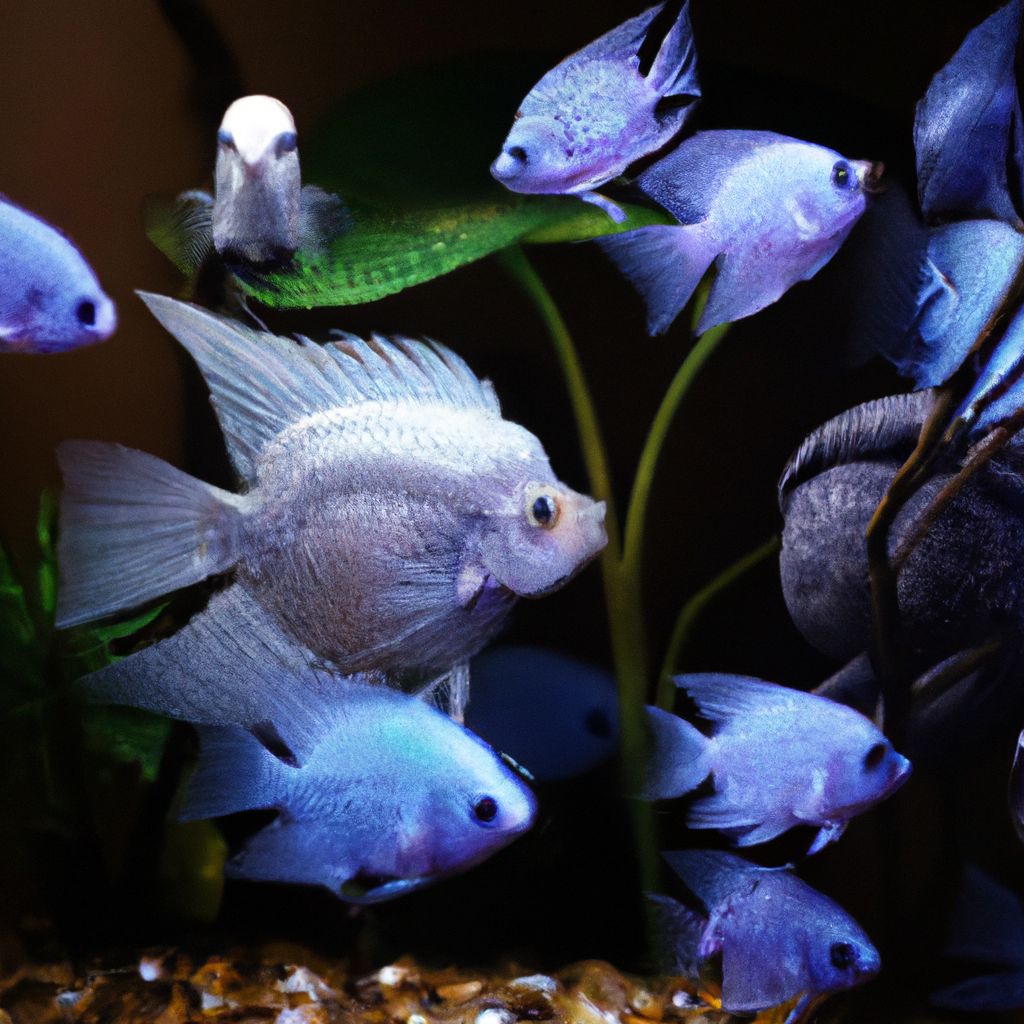
Bullying behavior in gourami can disrupt the harmony of your aquarium and negatively impact the well-being of other fish. Understanding and addressing this issue is crucial to maintain a peaceful and thriving aquatic environment. In this article, we will explore the topic of bullying gourami and provide insights on how to deal with this behavior effectively.
To begin, let’s understand what a gourami is and what bullying behavior entails in this species. Gouramis are a popular group of freshwater fish known for their vibrant colors and unique behaviors. Bullying behavior in gourami refers to aggressive actions directed towards other fish, such as chasing, nipping, or dominating.
Identifying bullying gouramis is essential to ensure prompt action. We will discuss the signs and different types of aggressive behaviors to look out for. we will dive into methods to deal with bullying gouramis, such as separating the bully, rearranging the tank environment, and providing hiding places.
Prevention plays a vital role in maintaining harmony within your aquarium. We will explore strategies for preventing bullying in gouramis, including choosing compatible tankmates, proper feeding techniques, and regular monitoring and observations.
While these measures can be effective, seeking professional advice from aquarists or fish experts can provide valuable insights tailored to your specific situation.
By gaining a deeper understanding of bullying gourami and implementing appropriate strategies, you can create a serene and harmonious environment for all the inhabitants of your aquarium.
Key takeaway:
- Understanding Bullying Gourami: Bullying behavior in gourami can be detrimental to the overall well-being of the fish. It is important to identify the signs and types of aggressive behaviors exhibited by gourami in order to address the issue effectively.
- Dealing with Bullying Gourami: When faced with a bullying gourami, separating the bully, rearranging the tank environment, adding hiding places, and providing a proper tank size can help mitigate the aggressive behavior and create a peaceful environment for all fish.
- Preventing Bullying in Gourami: To prevent bullying in gourami, it is crucial to choose compatible tankmates, implement proper feeding techniques, and regularly monitor and observe the fish. These measures can help establish a harmonious and stress-free tank for gourami.
Understanding Bullying Gourami
Gourami fish, renowned for their vibrant colors and distinctive personalities, may occasionally display aggressive and bullying behavior towards other fish in the tank.
Identifying bullying gourami: Keep a close watch for signs of bullying, such as chasing, fin nipping, or continually harassing other fish in the tank. It’s important to note that not all gourami fish exhibit this behavior.
Root causes: Bullying in gourami fish can arise from territorial disputes, competition for mating, or when they feel threatened by other fish invading their space.
Impact on tank dynamics: Bullying gourami have the potential to disturb the harmony of the aquarium, causing stress and possible harm to other fish. It’s essential to address the issue promptly.
Prevention and solutions: To mitigate bullying, ensure there are abundant hiding places and territories within the tank. In some cases, it may be necessary to separate the aggressive fish into a separate tank.
Compatible tank mates: When introducing new fish to the tank, select species that are known to be compatible with gouramis and have similar temperaments, minimizing the risk of bullying.
Seeking advice: If the bullying behavior persists or escalates, consult with a knowledgeable aquarium hobbyist or a professional fish expert for further assistance.
By understanding bullying gourami behavior and implementing appropriate measures, you can foster a harmonious and peaceful environment for all the fish in your aquarium.
What Is a Gourami?
A Gourami is a type of fish that belongs to the Osphronemidae family.
What Is a Gourami?
They are native to the freshwater rivers and lakes in Southeast Asia.
Gouramis are known for their vibrant colors and unique patterns, making them popular choices for aquarium enthusiasts.
These fish have a labyrinth organ, which enables them to breathe air from the surface of the water. This adaptation allows Gouramis to survive in oxygen-depleted environments.
They have elongated bodies and typically grow to be around 2-6 inches in length, although some species can reach up to 12 inches.
Gouramis are peaceful and generally friendly towards other fish. They are also known for their intelligent behavior and can recognize their owners. However, it’s important to note that some species of Gouramis can display territorial behavior, especially during breeding seasons or when they feel threatened.
Understanding the behavior and characteristics of Gouramis is essential for providing them with a suitable and harmonious environment. By considering factors such as tank size, appropriate tankmates, and providing adequate hiding places, you can create a peaceful and stress-free environment for your Gouramis to thrive in.
In the wild, Gouramis play a vital role in maintaining the ecological balance of their natural habitats. They help control the population of insects and other small aquatic organisms, contributing to the overall health and stability of freshwater ecosystems. By studying and appreciating these fascinating creatures, we not only enhance our understanding of aquatic life but also develop a deeper respect for the delicate balance of nature.
What Is Bullying Behavior in Gourami?
What Is Bullying Behavior in Gourami? The bullying behavior in gourami can be identified by certain signs and types of aggressive behaviors. Here are some key points to understand:
- Bullying behavior in gourami can be exhibited through chasing, nipping, and fin damage.
- Aggressive gourami may establish a pecking order, where dominant individuals assert their authority over others.
- It is important to recognize bullying behavior early on to prevent further harm to other fish in the tank.
Pro-tip: To address bullying behavior in gourami, ensure there is enough space in the tank for all fish to establish territories and reduce stress levels. If bullying persists, consider separating the bully or introducing compatible tankmates to disrupt the aggression. Monitor and observe the interactions regularly to maintain harmony in the tank.
Identifying Bullying Gourami
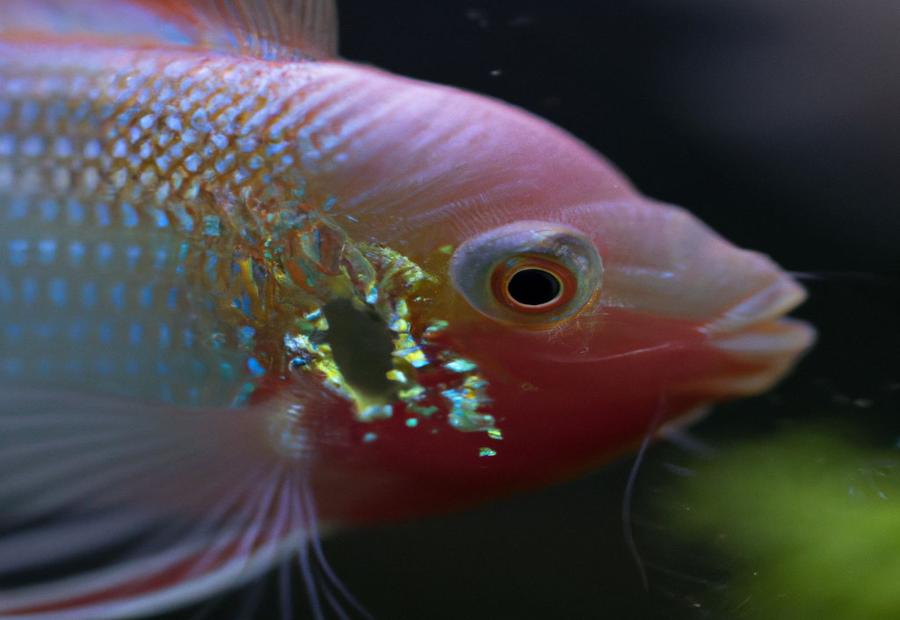
Photo Credits: Bettafishworld.Com by Ralph Ramirez
Gouramis can sometimes display aggressive behaviors that can be challenging to identify. In this section, we’ll delve into how to spot signs of bullying in gouramis and explore the various types of aggressive behaviors they may exhibit. By understanding these aspects, you’ll be better equipped to address and manage bullying issues among your gourami fish. Plus, we’ll throw in some interesting facts and statistics to back up our insights.
Signs of Bullying in Gourami
The signs of bullying in gourami can be observed through their behavior and physical appearance. Here are some signs to look out for:
- Chasing: Bullying gourami may continuously chase other fish in the tank, showing aggressive behavior.
- Frequent fin nipping: If you notice that the fins of other fish are frequently being nipped or torn, it may indicate bullying by gourami.
- Isolation: The bullied fish may isolate themselves and hide in corners or behind decorations to avoid interaction with the bully.
- Visible damage: Bullying gourami can cause visible damage to other fish, such as torn fins, injuries, or missing scales.
- Overaggression during feeding: Bully gourami may forcefully prevent other fish from accessing food, dominating the feeding area.
- Stress signs: Bullying can lead to stressed behavior in other fish, such as decreased appetite, faded colors, or excessive hiding.
- Constant chasing and aggression towards a specific fish: If one fish is consistently targeted and chased by a gourami, it indicates bullying.
Recognizing these signs of bullying in gourami is essential to take appropriate actions to ensure the well-being of all fish in the tank.
Types of Aggressive Behaviors in Gourami
Aggressive behaviors are common among gourami fish, and it is important to understand the different types to effectively address and prevent bullying. The table below outlines the various aggressive behaviors exhibited by gourami fish:
| Types of Aggressive Behaviors in Gourami |
| Fin nipping: Gouramis may nip at the fins of other fish, causing damage and stress. |
| Tail chasing: Some gouramis may engage in tail-chasing, relentlessly pursuing other fish around the tank. |
| Displaying aggression: Aggressive gouramis may puff up their bodies, flare their fins, or exhibit other intimidating behaviors to establish dominance. |
| Territorial aggression: Gouramis defend their territory and may aggressively chase away other fish from their preferred areas. |
| Bullying during feeding: Dominant gouramis may hog food and prevent other fish from accessing enough nourishment. |
| Chasing and aggression towards specific fish: Gouramis may single out and relentlessly pursue certain fish, causing them constant stress. |
| Breeding aggression: During spawning, gouramis become more aggressive, especially males, as they protect their nests and eggs. |
By recognizing these aggressive behaviors, fish owners can take appropriate measures to reduce bullying among gouramis. Providing enough space, establishing a proper pecking order, ensuring sufficient food, and adding hiding places in the tank can help minimize aggression. Additionally, monitoring stress levels, selecting compatible tankmates, and seeking professional advice when necessary can contribute to a harmonious and peaceful tank environment.
Dealing with Bullying Gourami
Is your gourami being a bully in your tank? Don’t worry, we’ve got you covered! In this section, we’ll delve into effective strategies for dealing with bullying gouramis. From separating the bully to creating a more harmonious tank environment, we’ll explore different approaches to tackle this issue. Plus, we’ll discuss the importance of adding hiding places and providing the right tank size for your gouramis’ well-being. Get ready to regain peace and serenity in your aquarium!
Separating the Bully
Observe the aggressive gourami closely to identify the bully in the tank.
Once the bully has been identified, you should promptly separate it from the other fish.
Prepare a separate tank or container to house the bully gourami temporarily.
Ensure that the separate tank has appropriate conditions, such as suitable water parameters and filtration.
Transfer the bully gourami to the separate tank carefully, minimizing stress to the fish.
Monitor the behavior of the other gouramis in the main tank after separating the bully.
If the aggression reduces and the other gouramis seem calmer, it confirms that the separated fish was the main instigator.
Keep the bully gourami separated for a sufficient amount of time to allow the tank dynamics to settle.
Consider reintroducing the bully gourami back into the main tank gradually, only if its behavior improves.
If the aggression continues, it may be necessary to find a new permanent home for the bully gourami.
Consult with an experienced aquarist or seek professional advice if needed.
Rearranging the Tank Environment
When dealing with bullying gourami, one effective step to take is rearranging the tank environment. This can help in reducing aggression and creating a more peaceful atmosphere for all the fish in the tank.
- Remove any existing territorial structures or objects – This can help break up the established pecking order and reduce aggression. Providing a blank canvas can help reset the dynamics in the tank.
- Add new hiding places – Introduce new plants, rocks, or decorations in the tank. These hiding places will provide refuge for bullied fish and create more territories for the gourami to establish.
- Reposition existing tank elements – Rearrange plants, rocks, or decorations to disrupt the established territories. This can help in alleviating aggression and promoting equal access to space in the tank.
- Consider the size of the tank – Ensure that the tank size is appropriate for the number and size of fish present. Overstocking or cramming fish into a small space can increase stress levels and aggression.
Rearranging the tank environment provides a fresh start and allows the gouramis to establish new territories. However, it’s important to monitor the behavior and stress levels of the fish after making changes. If bullying continues or if fish show signs of distress, it may be necessary to seek professional advice from a knowledgeable aquarium expert.
Adding Hiding Places
When dealing with bullying gourami, one effective solution is to incorporate hiding places into the tank. Follow these steps:
- Choose suitable hiding spots: Select rocks, caves, or dense plants that can provide secure hiding places for the bullied gourami.
- Distribute the hiding places evenly: Ensure that each gourami has access to a hiding place by placing them in different areas of the tank.
- Consider the size of the hiding places: Make sure they are large enough to accommodate gourami of all sizes, even fully grown individuals.
- Remove visual obstacles: Arrange the tank layout for proper visibility and prevent any blind spots that may cause territorial disputes.
- Monitor stress levels: Observe the gourami’s behavior to see if the hiding places effectively reduce bullying. Reduced stress levels indicate their effectiveness.
- Adjust hiding places if needed: If bullying persists, consider rearranging or adding more hiding places to provide additional escape routes.
- Ensure proper spacing: Place the hiding spots with enough space between them to avoid overcrowding and allow easy movement for the gourami.
By incorporating hiding places into the tank, you create safe spaces for bullied gourami and minimize aggressive behavior. This enhances the overall harmony of your tank environment for the gourami.
Providing Proper Tank Size
When it comes to dealing with bullying gourami, one of the most crucial factors to consider is providing the proper tank size. It is important to note that a small tank can greatly contribute to increased stress levels and aggression among gourami. Therefore, in order to ensure a suitable environment for your fish, it is essential to consider the following:
- Assess the size requirements: It is important to research and understand the specific needs of your gourami species in terms of their full-grown size. This will enable you to select an appropriate tank size in accordance with their requirements.
- Allow enough space for each fish: Given that gourami are territorial by nature, overcrowding can result in heightened aggression. To determine the appropriate number of gourami for your tank size, you can make use of a stocking calculator.
- Understand the pecking order: Gourami typically establish a hierarchy within their group. By providing enough space within the tank, you allow them to establish a pecking order, which in turn minimizes bullying behavior.
- Consider owning a community tank: Opting for a larger tank allows gourami to coexist with other fish, thereby reducing the likelihood of bullying incidents.
- Protect and provide hiding places: It can be beneficial to add hiding places such as plants and decorations in the tank. These provide refuge for bullied gourami and help alleviate stress levels.
- Monitor aggression levels: Regularly observing and recognizing instances of bullying is crucial. If one gourami consistently displays aggressive behavior, it may be necessary to separate the bully in order to ensure the well-being of other tank inhabitants.
By ensuring that you provide the proper tank size and creating an optimal environment, you can effectively reduce bullying tendencies in gourami and promote a healthier and more harmonious aquatic community.
Preventing Bullying in Gourami
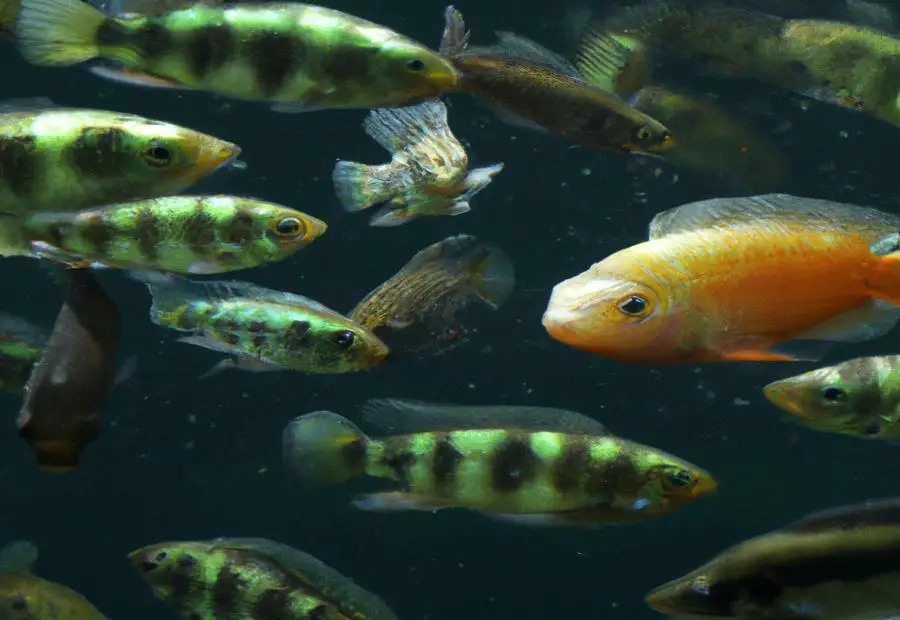
Photo Credits: Bettafishworld.Com by Adam Gonzalez
Preventing bullying in gourami is crucial for maintaining a harmonious aquarium environment.
By carefully selecting compatible tankmates, employing proper feeding techniques, and regularly monitoring and observing the behavior of our gourami, we can ensure their well-being and prevent aggressive behavior.
Let’s dive into these strategies to create a peaceful and thriving ecosystem for our aquatic friends.
Choosing Compatible Tankmates
When it comes to dealing with bullying gourami, choosing compatible tankmates is crucial. It is important to have the right companions in the tank as they can help reduce bullying behavior and create a harmonious environment for your fish. Here are some factors to consider when selecting tankmates for gourami:
Species compatibility: Make sure to select fish species that are known to coexist peacefully with gourami. Some good options include mollies, tetras, and corydoras catfish.
Size compatibility: Ensure that the tankmates are of similar size to the gourami or slightly smaller. Avoid adding significantly larger fish as they may intimidate or bully the gourami.
Temperament: Look for peaceful or semi-aggressive fish that are unlikely to provoke or attack the gourami. Avoid adding highly aggressive or territorial fish to the tank.
Habitat preferences: Take into consideration the water parameters and temperature requirements of the gourami species you own. Choose tankmates that have similar environmental preferences to ensure compatibility.
By carefully selecting compatible tankmates, you can create a peaceful and stress-free environment for your gourami. Remember to monitor the interactions between the fish and be prepared to make adjustments if any bullying behavior occurs.
Proper Feeding Techniques
Proper feeding techniques are crucial when dealing with bullying gourami. Here are some steps to follow:
- Ensure that you provide an adequate amount of food for all the gourami in the tank. This will help reduce aggression caused by competition for food. It is important to follow proper feeding techniques.
- If there are multiple gourami in the tank, it is recommended to feed them in separate areas. This will help prevent bullying during feeding time. Proper feeding techniques suggest feeding the gourami in separate areas.
- Offering a diverse diet to the gourami can help satisfy their nutritional needs and prevent boredom. Include pellets, flakes, frozen or live food, and vegetables. This is one of the proper feeding techniques to follow.
- Instead of feeding large meals, feed smaller portions multiple times a day. This will mimic their natural feeding habits and reduce the chances of aggression. It is an important part of the proper feeding techniques for gourami.
- Watch how the gourami behave during feeding. If any fish are bullying others during meals, take appropriate action to address the issue. Proper feeding techniques require observing and monitoring feeding behavior.
By following these proper feeding techniques, you can help create a more harmonious environment for your gourami and reduce instances of bullying. Remember to always be observant and adjust strategies as needed to ensure the well-being of your fish.
Regular Monitoring and Observations
When it comes to dealing with bullying gourami in your tank, regular monitoring and observations are crucial. By closely observing your fish, you can easily spot any signs of aggression or bullying behavior early on and take appropriate actions to prevent further harm. Here are some key aspects to consider:
- Regularly observe the behavior of your gourami to identify any signs of bullying, such as chasing, nipping, or aggressive posturing.
- Paying attention to the pecking order within your gourami community is essential. Bullying often occurs due to the establishment of dominance or the defense of territories.
- Monitor the stress levels of your fish, as stress can contribute to aggressive behaviors. Ensure they have sufficient space, hiding places, and an appropriate tank size to reduce stress.
- Keep track of the feeding habits of your gourami and ensure each fish is receiving enough food to prevent competition and aggression over resources.
- Take note of any changes in the tank environment or the introduction of a new type of fish. These factors can disrupt social dynamics and trigger bullying behaviors.
By consistently monitoring and observing your gourami, you can promptly intervene to address bullying and create a harmonious tank environment for all your fish.
In a real-life scenario, a fish enthusiast noticed an increase in aggression among their gourami. Through regular monitoring and observations, they were able to identify a dominant male gourami as the main bully. They decided to temporarily separate the bully, rearranged the tank environment, and added more hiding places to diffuse tension. By diligently monitoring the tank dynamics and observing improved behaviors, the fish enthusiast successfully resolved the bullying issue and restored a peaceful tank for all their gourami.
Seeking Professional Advice
If you are dealing with a bullying gourami, seeking professional advice is vital. Consulting an experienced fish veterinarian or an aquatic specialist can provide valuable insights and guidance. They have the expertise to assess the situation and offer practical solutions. It is crucial to reach out to an expert who can observe the gourami’s behavior and environment firsthand, as they will be better equipped to address the issue effectively. Their knowledge will ensure that the well-being of both the gourami and other fish in the tank is taken into consideration. Additionally, professionals can educate you on the various strategies to prevent or manage bullying behavior in gouramis. Remember, seeking professional advice is vital in resolving your gourami’s behavior and creating a harmonious aquarium environment.
Some Facts About What to Do with Bullying Gourami:
- ✅ Owning a community tank allows for a variety of fish in different shapes, sizes, and colors.
- ✅ Researching before adding a new fish to the tank can help prevent aggression and bullying between different fish species or within a species.
- ✅ Gouramis can exhibit bullying behavior towards other gouramis or other species, but there are usually reasons behind it such as establishing a pecking order, lack of space, lack of food, being in spawning condition, or protecting their fry.
- ✅ Signs of gourami bullying include damaged fins, a fish staying away from the group, hiding away, not eating, or swimming in an unusual manner.
- ✅ To reduce bullying in gouramis, it is recommended to have the correct male to female ratio, provide a proper tank size, have hiding places, keep the correct number of gouramis, feed them the correct amount, and introduce them to the tank at the same time.
Frequently Asked Questions
FAQ: What to Do with Bullying Gourami
1. How can I prevent bullying among gourami in my community tank?
To prevent bullying among gourami in your community tank, it is important to have the correct male to female ratio, provide a proper tank size, have hiding places, keep the correct number of gouramis, feed them the correct amount, and introduce them to the tank at the same time. These measures can help reduce aggression and establish a peaceful and social environment.
2. What are the reasons for gourami bullying?
Gourami bullying can be caused by various factors, including establishing a pecking order, lack of space, lack of food, being in spawning condition, or protecting their fry. Understanding these reasons can help you address the root cause of the bullying behavior and take appropriate steps to mitigate it.
3. How can I recognize gourami bullying?
Signs of gourami bullying include damaged fins, a fish staying away from the group, hiding away, not eating, or swimming in an unusual manner. If you observe these behaviors in your gouramis, it is important to address the bullying situation promptly to ensure the well-being of all the fish in your tank.
4. Can adding a new type of fish to the tank cause gourami bullying?
Introducing a new type of fish to the tank can sometimes trigger gourami bullying. It is essential to research before adding a new fish to prevent aggression issues. The selection of different fish should be done carefully, ensuring that they are peaceful and social species that do not pose a threat to the gouramis.
5. What should I do if my gourami is being bullied and is not comfortable in the tank?
If your gourami is being bullied and is not comfortable in the tank, there are a few options to consider. You can try returning the aggressive gourami to the store and replace it with a female gourami to potentially alleviate the bullying. Alternatively, you may consider returning the original gourami if it was already hiding and not well before the second batch of fish was introduced, suggesting possible underlying discomfort.
6. What is the best course of action for dealing with bullying gourami in my tank?
The best course of action for dealing with bullying gourami in your tank depends on the specific situation. It is recommended to first try implementing the preventive measures mentioned above. If the bullying persists and is causing harm to the other fish or the bullied gourami, seeking assistance from a professional fish expert or a specialized aquatic store can provide tailored advice to address the issue effectively.