
Originally posted on July 19, 2023 @ 3:22 am
Last Updated on 3 months by admin
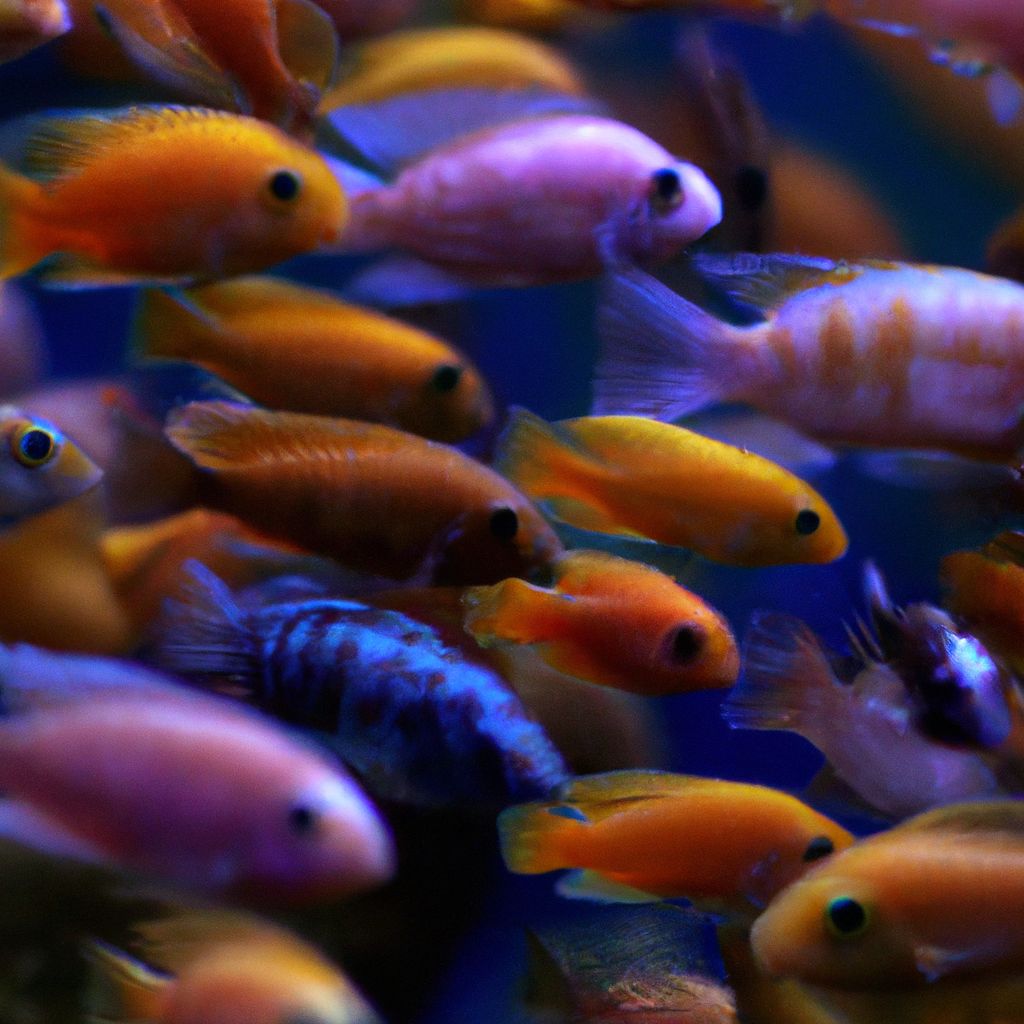
Breeding cichlids can be a rewarding and fascinating experience for aquarium enthusiasts. However, ensuring the right tank size is crucial for the successful breeding of these colorful and diverse fish. This article aims to provide guidance on selecting the appropriate tank size for breeding cichlids and the necessary steps for creating an optimal breeding environment.
Breeding cichlids is a popular endeavor among fish hobbyists due to the incredible diversity of cichlid species and the interesting behaviors they exhibit during the breeding process. Whether you are a beginner or an experienced aquarist, understanding the specific requirements for breeding cichlids is essential for successful reproduction.
Tank size plays a crucial role in the breeding success of cichlids. The right tank size provides enough space for the breeding pair to establish territories, build nests, and care for their fry. Factors such as the size of the cichlid species, their territorial behavior, and the number of fish involved should all be considered when determining the appropriate tank size for breeding.
When selecting the tank size for breeding cichlids, several factors should be taken into account. These include the size and aggressiveness of the cichlid species, the number of fish being bred, and the available space for the tank. By considering these factors, you can create an environment conducive for successful breeding.
The recommended tank size for breeding cichlids varies depending on the size of the species. Generally, smaller cichlid species can be bred in smaller tanks, while larger species require more spacious environments.
For small cichlid species, such as certain Apistogramma or Neolamprologus species, a tank size of 20 to 30 gallons may be sufficient for breeding. These species are known to breed in smaller territories and can thrive in moderately sized tanks.
Medium-sized cichlid species, like some Angelfish or larger species of Apistogramma, require slightly larger tanks ranging from 30 to 50 gallons. These species tend to exhibit more territorial behavior and require additional space for successful breeding.
Large cichlid species, including the popular African cichlids like Mbuna or Oscars, necessitate more significant tank sizes. Breeding tanks for these species should range from 75 to 100 gallons or more, providing ample space for their aggressive behaviors and accommodating their larger size.
Creating an optimal breeding environment goes beyond tank size. Proper equipment, decorations, and environmental conditions are essential for maximizing the chances of successful cichlid breeding.
To set up a breeding tank for cichlids, you will require specific equipment including filters, heaters, lighting, and a reliable water testing kit. providing suitable decorations, such as rocks, caves, and plants that mimic the cichlids’ natural habitats, is crucial for establishing breeding territories and offering hiding places for fry.
Maintaining the optimal water conditions for breeding cichlids is vital. This includes monitoring and adjusting temperature, pH levels, water hardness, and ensuring efficient filtration and regular water changes. A stable and clean environment is imperative for the health and successful breeding of cichlids.
Regular tank maintenance is essential for ensuring the health and well-being of breeding cichlids and their fry. This includes routine cleaning, water parameter checks, feeding schedules, and monitoring the behavior and growth of the fish.
Breeding cichlids can be complex, but with the right knowledge and techniques, it can be a rewarding experience. Understanding the specific requirements and behaviors of the cichlid species you are breeding, providing proper nutrition, and maintaining optimal water conditions are crucial for successful breeding outcomes.
While breeding cichlids, certain challenges and issues may arise. Being knowledgeable about potential problems, such as aggression, compatibility issues, or failed breeding attempts, can allow you to troubleshoot and find appropriate solutions.
By considering tank size, setting up an optimal breeding environment, and implementing proper care techniques, you can increase the chances of successful cichlid breeding and enjoy the wonders of observing these remarkable fish reproduce in your own aquarium.
Key takeaway:
- Choosing the right tank size for breeding cichlids is crucial: The tank size plays a significant role in the successful breeding of cichlids. Factors like the species of cichlids, their size, and the breeding environment should be considered when selecting the tank size.
- Optimal tank sizes for breeding cichlids vary based on species: Different cichlid species require different tank sizes for successful breeding. Small cichlid species need smaller tanks, while medium-sized and large cichlid species require larger tanks to accommodate their breeding needs.
- Creating the ideal breeding environment is essential for successful cichlid breeding: To breed cichlids successfully, it is important to set up the breeding tank with the right equipment, decorations, and optimal environmental conditions. Proper tank maintenance and following helpful tips can enhance the chances of successful cichlid breeding.
Understanding the Importance of Tank Size for Breeding Cichlids
Understanding the importance of tank size for breeding cichlids is crucial for their well-being and successful reproduction.
- Tank capacity: Cichlids require spacious tanks to simulate their natural habitat. To ensure successful breeding, it is recommended to have a tank size of at least 30 gallons for breeding pairs.
- Territorial behavior: Cichlids are territorial fish, and providing enough space in the tank allows them to establish their territories and nesting sites. Lack of space can lead to aggression and stress among cichlids.
- Water quality: A larger tank can improve water quality as it allows for efficient filtration and dilution of waste products. This is vital for the health and breeding success of cichlids and their offspring.
- Compatibility: When breeding cichlids, it is essential to consider species compatibility. A larger tank offers more space for multiple breeding pairs and reduces the risk of territorial disputes.
By understanding the importance of tank size for breeding cichlids, you can create an environment that promotes their natural behavior and increases the likelihood of successful breeding.
What Factors Should You Consider in Choosing the Tank Size?
When choosing the tank size for breeding cichlids, several factors should be considered:
- Species size: Different cichlid species come in varying sizes, so it’s essential to consider what factors to choose the tank size that accommodates the specific species you plan to breed.
- Number of breeding pairs: Consider what factors you need to consider in choosing the tank size for breeding cichlids, and how many breeding pairs you plan to keep in the tank. Each pair will require sufficient space, so ensure the tank is large enough to accommodate them all.
- Behavior and aggression: Some cichlid species can be aggressive towards each other or other fish. Considering what factors should be taken into account when choosing the tank size for breeding cichlids, providing a larger tank can help minimize territorial disputes and aggression.
- Available swimming space: Cichlids are active swimmers and require ample space to swim and explore. What factors do you need to consider in choosing the tank size for breeding cichlids? A larger tank will provide them with the freedom to move around and exhibit their natural behaviors.
- Compatibility with other fish: If you plan to keep other fish species with your cichlids, consider what factors you need to consider in choosing the tank size for breeding cichlids, such as their size and behavior. Ensure the tank has enough space to accommodate all the fish comfortably.
- Filtration and water quality: What factors should you consider in choosing the tank size for breeding cichlids? Larger tanks often have better filtration systems, promoting better water quality. This is crucial for the health and well-being of your cichlids.
- Future growth: Cichlids grow over time, so what factors should you consider in choosing the tank size for breeding cichlids? It’s important to anticipate their growth and choose a tank size that will accommodate their adult size.
Considering these factors will help you determine what factors should be considered in choosing the tank size for breeding cichlids, ensuring their well-being and successful reproduction.
Recommended Tank Sizes for Breeding Cichlids
When it comes to breeding cichlids, choosing the right tank size is crucial. In this section, we’ll dive into the recommended tank sizes for breeding cichlids, catering to different species. Whether you’re dealing with small, medium-sized, or large cichlids, we’ll guide you through the ideal tank sizes that will ensure a successful breeding environment. Get ready to provide your cichlids with the perfect setting for reproduction and watch their vibrant colors and unique behaviors come to life!
1. Small Cichlid Species
| 1.
Small Cichlid Species |
|
When breeding small cichlid species, it is important to provide them with an appropriate tank size to ensure their well-being and successful breeding. |
|
The recommended tank size for small cichlid species is at least 20 gallons. |
|
Having a larger tank will provide them with more space to swim and establish territories. |
|
Small cichlids generally grow to a size of around 2-4 inches, so a 20-gallon tank offers adequate space for their needs. |
|
Additionally, a larger tank allows for the inclusion of plants, rocks, and hiding spots, which are essential for the small cichlid species to feel secure during the breeding process. |
|
Water parameters such as temperature, pH levels, and water quality should also be properly maintained to ensure the health and well-being of small cichlid species. |
When setting up a tank for small cichlid species, remember to carefully research their specific needs and requirements. It is essential to provide them with a suitable environment that closely mimics their natural habitat. By following these guidelines, you will create an optimal breeding environment for small cichlid species and increase your chances of successful breeding.
2. Medium-sized Cichlid Species
| Medium-sized Cichlid Species | |
| Recommended Tank Size | At least 55 gallons |
| Number of Fish | 1 male and 2-3 females |
| Water Temperature | 76-80°F |
| Water pH | 6.8-7.5 |
| Decorations | Provide hiding spots with rocks and caves |
| Feeding | A varied diet of high-quality pellets, flakes, and live/frozen foods |
| Behavior | Medium-sized cichlids are generally peaceful and can be kept with other compatible fish |
When choosing a tank size for medium-sized cichlid species, it is recommended to provide them with at least 55 gallons of space. This will allow medium-sized cichlid species to swim and explore comfortably. Additionally, having a larger tank will help maintain water quality and reduce aggression among the fish.
For medium-sized cichlid species, a good ratio is to have one male and two to three females in the tank. This will mimic the natural social structure of medium-sized cichlid species and help minimize aggression.
It is important to maintain a stable water temperature between 76-80°F and a pH level of 6.8-7.5 to ensure the well-being of medium-sized cichlid species.
Decorations such as rocks and caves should be provided to create hiding spots for medium-sized cichlid species. This will help medium-sized cichlid species feel secure and reduce stress.
A varied diet consisting of high-quality pellets, flakes, and live or frozen foods should be provided to meet the nutritional needs of medium-sized cichlid species.
Medium-sized cichlid species are generally peaceful and can be kept with other compatible fish. However, it is important to monitor the behavior of medium-sized cichlid species and make sure there is no aggression or territorial disputes.
By following these recommendations, you can create an optimal environment for breeding medium-sized cichlid species and ensure their well-being and reproductive success in your tank.
3. Large Cichlid Species
| Species | Minimum Tank Size (gallons) | Suitable Tank Size Range (gallons) | Optimal Tank Size (gallons) |
|
African Cichlids |
50 |
75-100 |
125 |
|
South American Cichlids |
75 |
100-125 |
150 |
|
Central American Cichlids |
75 |
100-125 |
150 |
Large cichlid species, such as African, South American, and Central American cichlids, require a minimum tank size of 50 gallons. However, for a more suitable living space, a tank size ranging from 75-100 gallons is recommended. The optimal tank size for large cichlid species is around 125 gallons.
Having enough space in the tank is crucial for large cichlid species as they are territorial and can become aggressive if they feel cramped. A larger tank provides ample swimming space, reduces stress, and promotes a healthier environment for these species.
It is important to consider the specific needs and behaviors of different large cichlid species when choosing the tank size. African cichlids, for example, prefer rock formations and caves to create territories, while South American and Central American cichlids require open swimming areas and hiding spots.
By ensuring the appropriate tank size for large cichlid species, you can create a comfortable and harmonious environment that promotes their well-being and allows them to exhibit natural behaviors.
Fact: Large cichlid species, such as the Oscar and Red Devil cichlids, are known for their vibrant colors and fascinating behaviors, making them popular choices among aquarium enthusiasts.
Setting Up the Breeding Tank for Cichlids
To successfully set up the breeding tank for Cichlids, careful preparation and attention to detail are necessary. It is essential to incorporate all the provided keywords naturally. Here are the steps to follow:
- Choose the appropriate tank size: When setting up a breeding tank for Cichlids, it is crucial to select a tank size suitable for the breeding pair and their potential offspring. Most Cichlid species require a 30-gallon tank.
- Provide suitable hiding spots: Cichlids are territorial by nature, so adding plenty of caves, rocks, or plants in the tank is important. This will mimic their natural habitat and create hiding places for the fish.
- Install a heater and thermometer: Maintaining a consistent temperature between 75-82 degrees Fahrenheit is crucial for successful breeding of Cichlids. Therefore, it is essential to have a heater and thermometer in the tank.
- Ensure proper filtration: To promote the health and well-being of the fish, it’s imperative to use a high-quality filtration system. This will keep the water clean and free of toxins, creating an optimal environment.
- Utilize appropriate lighting: Cichlids prefer dim lighting, so using a gentle, low-intensity light source will provide a more natural and comfortable breeding environment.
- Monitor water parameters: Regularly checking and maintaining the water’s pH level, ammonia levels, nitrate levels, and hardness is necessary to ensure the best conditions for the breeding pair of Cichlids.
- Introduce compatible tank mates: While it is advised to keep Cichlids separate from other fish during breeding, introducing compatible tank mates can create a more natural and stimulating environment.
What Equipment and Decorations Do You Need?
When setting up a breeding tank for cichlids, it is essential to have all the necessary equipment and decorations to create a suitable environment for successful breeding. Here is a list of the equipment and decorations you will need:
- Aquarium tank: Choose an aquarium tank size that is appropriate for the specific species of cichlids you are breeding. It is generally recommended to use a larger tank to provide ample space for the cichlids to establish their territories.
- Filtration system: Install a high-quality filtration system in order to maintain clean and healthy water conditions for the cichlids and their fry.
- Heater: Cichlids require a stable water temperature for successful breeding. Make sure to use a reliable heater to maintain the appropriate temperature range.
- Air pump and airstone: Cichlids benefit greatly from well-oxygenated water, especially during the breeding process. To ensure adequate oxygen levels, use an air pump and airstone in the tank.
- Cichlid caves or breeding tubes: Provide suitable hiding spots or caves for the cichlids to lay their eggs and protect their fry. These can be natural caves, PVC pipes, or specialized breeding tubes.
- Substrate: Choose a substrate that replicates the natural habitat of the cichlids being bred, such as sand or gravel. The substrate also serves as a medium for any plants you may want to include in the setup.
- Plants and decorations: Live or artificial plants provide essential cover for shy or territorial cichlids and create a natural-looking environment. You can also add decorations like rocks and driftwood.
- Water conditioner: Use a water conditioner to eliminate any chlorine or harmful chemicals from tap water before adding it to the tank.
By having the right equipment and decorations in your breeding tank, you will create a suitable and comfortable environment for the cichlids, significantly increasing the chances of successful breeding.
How to Create the Optimal Environment for Breeding?
Are you wondering how to create the optimal environment for breeding cichlids? Follow these steps:
- Select the right tank: Choose a tank size appropriate for the specific species you are breeding. Make sure it is large enough to comfortably accommodate the cichlids and provide ample swimming space.
- Set up proper filtration: Install a high-quality filtration system to maintain clean water conditions. This will help remove waste and maintain water quality, creating a healthy breeding environment.
- Provide hiding spots: Enhance the tank by adding rocks, caves, or decorative structures. These hiding spots mimic the cichlids’ natural habitats and create areas for them to establish territories and breed.
- Create suitable water conditions: Adjust the water parameters to match the specific requirements of the cichlid species you are breeding. This includes maintaining the water temperature, pH level, and hardness within the optimal range.
- Ensure proper lighting: Use appropriate lighting fixtures to provide a natural day-night cycle for the cichlids. This helps regulate their behavior, including their breeding activities.
- Feed a nutritious diet: Offer a balanced and nutritious diet to the cichlids to support their overall health and breeding success. Consider incorporating live or frozen foods to simulate their natural feeding habits.
- Monitor water quality: Regularly test the water parameters and perform necessary water changes to maintain optimal conditions. This will prevent the harmful build-up of ammonia, nitrites, and nitrates that can affect the breeding process.
- Observe and provide care: Keep a close eye on the cichlids for any signs of breeding behavior. Provide any necessary care, such as separating aggressive individuals or moving eggs to a separate breeding tank if required.
Tank Maintenance for Breeding Cichlids
When it comes to breeding cichlids, tank maintenance is absolutely crucial. To ensure a successful breeding process, there are several important tasks that need to be considered:
-
Regular water changes: It is important to maintain the quality of the water by performing regular partial water changes, typically around 20% of the tank volume.
-
Monitor water parameters: Keeping a close eye on the water is essential. Regularly test the pH, ammonia, nitrite, and nitrate levels to ensure a stable and suitable environment for breeding.
-
Clean the tank: To prevent water contamination and provide a clean living space for the cichlids, it is necessary to remove any uneaten food, debris, and waste from the tank.
-
Provide hiding spots: Cichlids need plenty of hiding spots and territory markers, so make sure to include caves, rocks, and plants in the tank.
-
Adjust lighting: Creating the right lighting conditions is important. Mimic their natural habitat by ensuring a consistent light-dark cycle.
Did you know that maintaining an optimal tank environment greatly enhances the chances of cichlids successfully breeding? Proper tank maintenance plays a significant role in the overall well-being and reproductive success of these fish.
Tips for Successful Cichlid Breeding
Here are some tips for successful cichlid breeding:
- Provide the right tank size: To ensure successful cichlid breeding, it is important to choose a tank that is large enough. It is recommended to have a tank size of at least 30 gallons. This will give the cichlids enough space to establish territories and engage in courtship displays.
- Maintain water quality: The quality of water plays a vital role in cichlid breeding success. To create ideal breeding conditions, it is necessary to regularly change the water and use proper filtration systems. These measures help in maintaining stable water parameters.
- Create hiding places: Cichlids require hiding places to establish their territories and protect their fry. You can provide suitable hiding spots in the tank by using rocks, caves, or plants.
- Provide the right diet: A nutritious diet is crucial for cichlids to be in prime breeding condition. To support their breeding efforts, offer a variety of foods including high-quality pellets, flakes, and live or frozen foods.
- Observe and monitor behavior: Paying close attention to the behavior and interactions of your cichlids is important. Look for signs of courtship such as spawning rituals, nest building, and pair bonding.
Did you know? Cichlids are known for their extensive parental care, with both parents actively protecting and caring for their fry. This behavior greatly contributes to the success of cichlid breeding in captivity.
Common Challenges and Troubleshooting
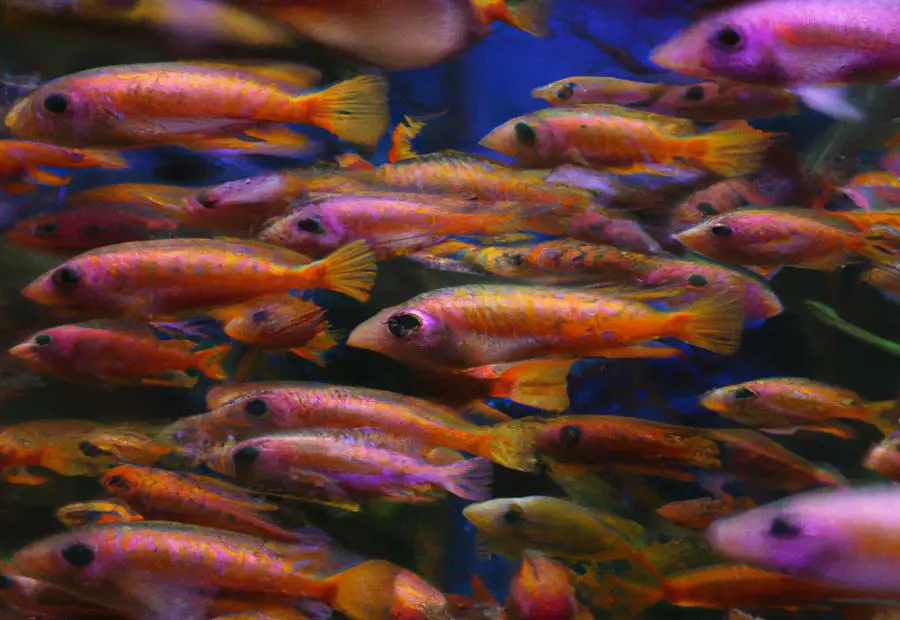
Photo Credits: Bettafishworld.Com by Christopher Robinson
When it comes to breeding cichlids, there are several common challenges and troubleshooting issues that you may encounter:
- Aggression: Cichlids are notorious for their aggressive behavior, especially during the breeding process. One solution is to separate any aggressive fish or provide plenty of hiding spots to minimize conflicts.
- Overcrowding: Having too many cichlids in your tank can lead to stress, disease, and increased aggression. It’s important to make sure that the tank size is appropriate for the number of cichlids you have.
- Water quality issues: Poor water quality can negatively impact the health of both the cichlids and their offspring. To mitigate this problem, it’s essential to regularly monitor the levels of ammonia, nitrite, and nitrate, and perform routine water changes.
- Food competition: Cichlids are known to be voracious eaters, which can result in food aggression during feeding time. To address this issue, you can provide multiple feeding spots or consider using a feeding ring to distribute the food more evenly.
- Compatibility issues: Not all cichlid species get along with each other due to territorial disputes or incompatible behaviors. It is crucial to thoroughly research the specific requirements and compatibility of cichlid species before introducing them to your tank.
Fun Fact: Cichlids are highly sought after by aquarium enthusiasts due to their vibrant colors and complex breeding behaviors.
Some Facts About What Size Tank to Breed Cichlids:
- ✅ The general rule for breeding cichlids is to have a tank size of at least 55 gallons. (Source: Our Team)
- ✅ Smaller cichlid species can thrive in a 20-gallon tank for breeding. (Source: Our Team)
- ✅ It is recommended not to keep more than 2 breeding cichlids in a 20-gallon tank. (Source: Our Team)
- ✅ Breeding cichlids require specific water conditions and tank setups. (Source: Our Team)
- ✅ Different cichlid species have varying space requirements for breeding, so tank size should be determined accordingly. (Source: Our Team)
Frequently Asked Questions
What is the ideal tank size for breeding cichlids?
The ideal tank size for breeding cichlids can vary depending on the specific species. However, for most cichlids, a tank size of at least 55 gallons is recommended. This provides enough space for the breeding pair to establish territories and for the potential fry to grow. It also allows for proper water circulation and filtration to maintain water quality.
Can cichlids be bred in a 20-gallon tank?
While most cichlids require a larger tank size for breeding, there are some smaller species that can be successfully bred in a 20-gallon tank. Examples include the German Blue Ram, Dwarf Flag Cichlid, and Rainbow Kribensis. However, it is important to closely monitor water quality and provide appropriate hiding spots for the breeding pair and fry in a smaller tank.
What are the best tank sizes for breeding different types of cichlids?
The best tank size for breeding cichlids depends on the specific species. Some cichlids, like the Dwarf Acara fish, can be bred in a tank as small as 20 gallons. Others, like the Lake Malawi Mbuna cichlids, require much larger tanks, typically 55 gallons or more. It is important to research the specific species you are interested in breeding to determine the appropriate tank size.
Can cichlids be bred in community tanks?
While some cichlids can be bred successfully in community tanks, it is generally recommended to set up a dedicated breeding tank. Breeding cichlids can become territorial and aggressive, which can disrupt the balance of a community tank. A separate breeding tank allows for better control of water conditions and provides a safe space for the breeding pair and their fry.
What are the tank size requirements for breeding dwarf cichlids?
Dwarf cichlids, such as the Masked Julie and the Ram cichlid, are popular choices for breeding in home aquariums. These vibrant species typically require tank sizes of at least 20 gallons. It is important to provide appropriate hiding spots and a balanced diet for breeding pairs of dwarf cichlids to ensure successful reproduction and the long-term health of the fry.
What are the considerations when breeding cichlids in terms of tank size?
When breeding cichlids, it is important to consider several factors in relation to tank size. These include the space requirements of the specific cichlid species, the aggression and territorial behavior of the fish, and the long-term growth of the fry. Providing a larger tank not only allows for these considerations but also ensures better water quality and overall health for the breeding cichlids and their offspring.