
Originally posted on July 19, 2023 @ 3:16 am
Last Updated on 4 months by admin
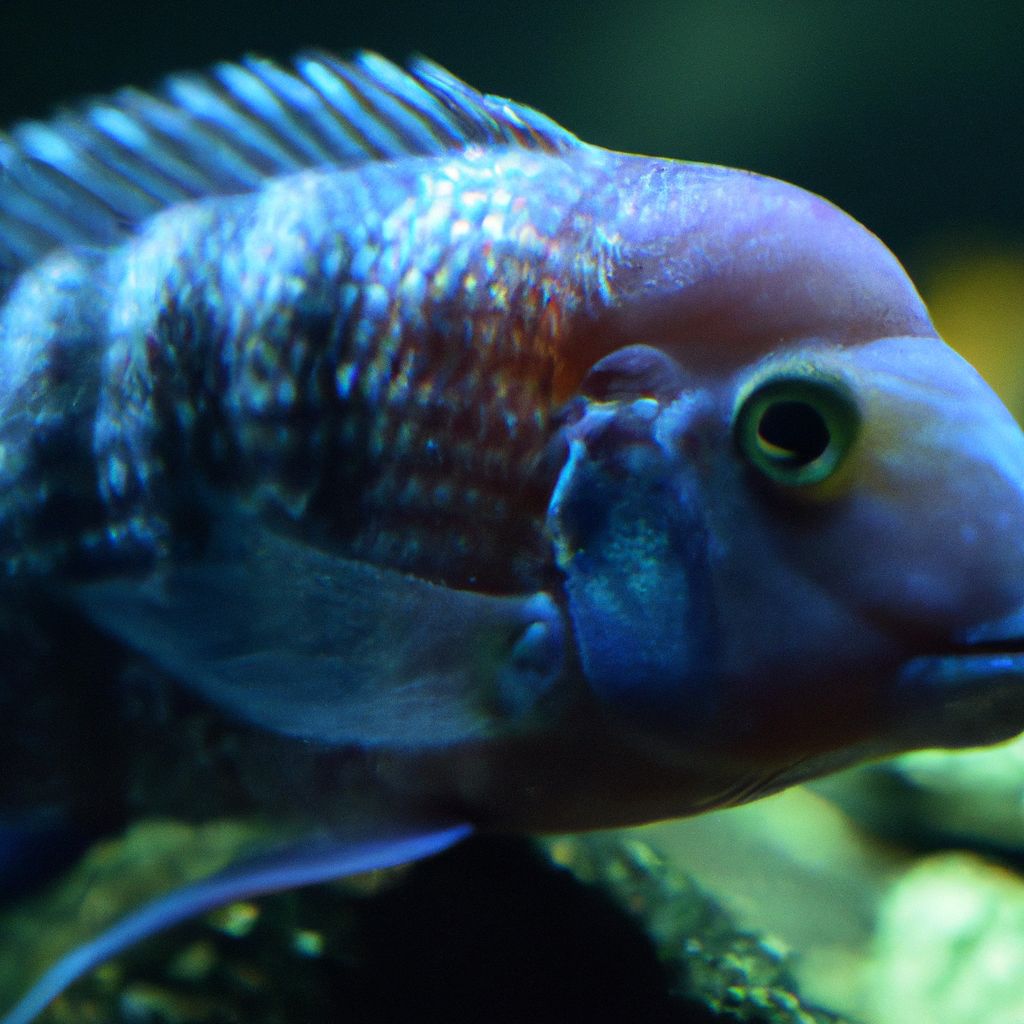
Cichlids, a group of colorful and diverse freshwater fish species, are known for their intriguing behavior, including their tendency to move rocks. This article explores the reasons behind this behavior and the benefits it provides for these fascinating fish.
The natural behavior of cichlids, especially their inclination towards rock dwelling, is a key aspect to understand. Cichlids are often found in habitats with rocky structures, such as lakes and rivers, where they use rocks as their shelter and breeding grounds.
Cichlids move rocks for various reasons, and this behavior is particularly prominent during specific stages of their lifecycle. One reason is territorial defense, as cichlids move rocks to mark and protect their territory from other fish. Another reason is nest building, where cichlids create elaborate structures using rocks to provide a safe space for their eggs and fry. rock moving behavior is observed during courtship and mating rituals, as cichlids rearrange rocks to attract mates and establish dominance.
Moving rocks serves several benefits for cichlids’ survival. Firstly, it provides protection from predators, as the rocks create hiding places and obstacles that make it difficult for predators to reach the cichlids. Secondly, rock moving behavior enhances water circulation, which helps in maintaining water quality and oxygenation in their habitat. Lastly, the rearrangement of rocks creates hiding places for cichlids themselves, offering them a sense of security and reducing stress.
Various types of cichlids exhibit rock moving behavior, each with its own unique characteristics. Mbuna cichlids, originating from Lake Malawi in Africa, are known for their vibrant colors and extensive rock-dwelling behavior. Tanganyikan cichlids, found in Lake Tanganyika, are also notable for their rock-dwelling tendencies. South American cichlids, such as the popular Oscar and Discus, may not be as closely associated with rocks, but they still display rock moving behavior to some extent.
Key takeaway:
- Cichlids move rocks for various reasons: Cichlids exhibit rock moving behavior primarily for territory defense, nest building, and courtship and mating rituals.
- Rock moving behavior offers benefits: The behavior provides protection from predators, enhances water circulation, and creates hiding places for cichlids.
- Common types of cichlids that exhibit rock moving behavior: Mbuna Cichlids, Tanganyikan Cichlids, and South American Cichlids are known for their rock moving behavior.
The Natural Behavior of Cichlids
Cichlids, those fascinating fish, have a natural behavior that revolves around rocks.
In this section, we’ll dive into the intriguing world of cichlids and their affinity for rock dwelling.
We’ll also explore the connection between cichlids and reproduction, uncovering the secrets behind their unique reproductive strategies.
Get ready to discover the captivating behaviors of these underwater rock enthusiasts!
1. Cichlids and Rock Dwelling
The behavior of cichlids and rock dwelling is an intriguing aspect of their natural behavior. Here are some key points:
- Cichlids have a strong affinity for rocks and often choose to inhabit rocky areas in their natural habitats.
- They use rocks for various purposes, including shelter, creating territories, and breeding activities.
- Rock dwelling provides cichlids with protection from predators, as the rocky crevices and hiding spots help them avoid being seen or caught.
- By moving rocks, cichlids can rearrange their environment and create territories for themselves, which they defend vigorously.
- Rock dwelling also plays a crucial role during the breeding season, as cichlids build nests by moving rocks and creating suitable areas for their eggs to be laid.
- These rock structures not only safeguard the eggs but also provide a safe space for newly hatched fry to seek shelter and grow.
- Cichlids also utilize rocks during courtship and mating rituals, with males often constructing elaborate structures to attract females and establish their dominance.
- By observing cichlids’ rock dwelling behavior, researchers can gain insights into their natural habitat preferences and the significance of rocks in their overall well-being.
2. Cichlids and Reproduction
When it comes to cichlids and reproduction, there are several fascinating aspects to explore. Here are some key points:
- Cichlids are known for their complex reproductive behaviors. They engage in various courtship rituals, which can involve color displays, fin movements, and vocalizations.
- Male cichlids are often territorial and will create and defend a nesting site in their habitat. They carefully select a suitable rock or cave to serve as the nest.
- Once the nest is prepared, the male cichlid will entice a female to inspect the nest by performing elaborate displays. If the female approves of the nest, she will lay her eggs inside.
- The male then fertilizes the eggs externally and takes on the role of guarding and aerating the nest. He will fan the eggs with his fins to provide them with oxygen-rich water.
- After the eggs hatch, the parents continue to protect and care for the fry. They may also relocate the fry to different hiding spots to keep them safe from predators.
During the reproductive process, cichlids exhibit remarkable parental care and ensure the survival of their offspring. Their behaviors, such as nest building and courtship rituals, contribute to the successful continuation of their species.
Now, let’s shift our focus to a true history that reflects this intriguing behavior:
In Lake Malawi, one of the most famous cichlid habitats, researchers observed a unique reproductive behavior known as “mouthbrooding.” This behavior involves the female cichlid incubating and protecting the eggs in her mouth until they hatch. The female will take the eggs into her mouth immediately after fertilization and keep them safely tucked away for weeks or even months. This remarkable adaptation ensures the survival of the offspring in a challenging environment filled with potential predators. The female releases the fry from her mouth only when they are strong enough to swim and fend for themselves. This reproductive strategy showcases the extraordinary adaptability and intricate behaviors of cichlids in their quest for successful reproduction.
Reasons Why Cichlids Move Rocks
Cichlids, those fascinating aquatic creatures, have various reasons for their rock-moving antics. In this section, we’ll dive into the intriguing world of cichlid behavior and explore the motivations behind their rock-moving habits. From defending their territory to building nests, and even engaging in courtship and mating rituals, each sub-section will unveil the captivating tales that unfold beneath the water’s surface. So, get ready to uncover the secrets behind why cichlids just can’t resist giving those rocks a little slant or shift!
1. Territory Defense
Territory defense is one of the primary reasons why cichlids move rocks.
Cichlids are highly territorial and use rocks to establish and defend their territory from other fish.
By moving rocks, cichlids create physical barriers that delineate their territory and prevent intruders from entering.
These rock formations also serve as a visual display of dominance and signal to other fish that the territory is occupied.
Pro-tip: When setting up an aquarium for cichlids, provide plenty of rocks and hiding places to promote territorial behavior and reduce aggression.
2. Nest Building
- Cichlids carefully select a suitable location for their nest.
- They move rocks and other materials to create a structure.
- The nest provides a safe and secure place for the eggs and young cichlids.
- The male cichlid takes the lead in building the nest, while the female observes and inspects the progress.
- They use their mouths or scoop up sand and rocks with their fins to move them.
I once had a pair of cichlids in my aquarium that exhibited the fascinating behavior of nest building. The male cichlid tirelessly engaged in nest building, carefully arranging each rock to construct a spacious nest. It was truly remarkable to witness the dedication and precision with which he built the nest. Once the nest was completed, the female inspected it and laid her eggs inside. This natural behavior of nest building by cichlids showcased their incredible instincts and capabilities.
3. Courtship and Mating Rituals
During courtship and mating rituals, cichlids engage in a series of fascinating behaviors that play a crucial role in their reproductive process. These rituals are essential for establishing and maintaining successful breeding pairs.
Courtship behaviors involve the male cichlid engaging in various displays to attract the female. He may showcase his vibrant colors, flare his fins, or perform intricate swimming patterns. These displays not only capture the attention of the female but also signal his suitability as a mate.
Once courtship is successful, the cichlids engage in mating rituals. This involves the male leading the female to a previously prepared nesting site. The male intensifies his displays, often chasing away competing males. The female then deposits her eggs in the chosen spot, which the male immediately fertilizes.
During the entire courtship and mating process, cichlids exhibit remarkable protective behaviors. The male guards the nest, fiercely defending it from predators or intruders. He actively fans the eggs with his fins to ensure optimal oxygen circulation, promoting their healthy development.
Understanding the intricacies of courtship and mating rituals is vital for any cichlid enthusiast. It enhances their appreciation for the complexity of these behaviors and the role they play in the survival and propagation of cichlid species.
For those interested in observing and promoting these behaviors in their aquariums, it is important to provide suitable rock formations or other structures that can serve as nesting sites. Creating a suitable environment that mimics their natural habitat will help facilitate successful courtship and mating rituals in cichlids.
Benefits of Rock Moving Behavior
Photo Credits: Bettafishworld.Com by Anthony Baker
Rock moving behavior in cichlids serves numerous benefits in their aquatic habitats. From protection against predators to enhancing water circulation and creating hiding places, these sub-sections will delve into the advantages of this fascinating behavior. So buckle up and discover how these rock-moving experts protect themselves, keep their environment clean, and find the perfect hiding spot in their underwater world. Get ready to dive into the incredible benefits of rock moving behavior in cichlids!
1. Protection from Predators
One of the benefits of cichlids moving rocks is protection from predators. Here are some reasons why this behavior provides them with protection:
- Camouflage: By moving rocks, cichlids can create hiding spots that blend in with their surroundings, making it more difficult for predators to spot them.
- Obstruction: Rocks can create physical barriers, preventing larger predators from reaching the cichlids or their eggs.
- Defensive Territory: Cichlids often establish territories around their rock structures, defending them from intruders. This territorial behavior helps deter predators and reduces the chances of an attack.
By moving rocks to protect themselves, cichlids enhance their chances of survival in their natural habitats. Encouraging this behavior in captivity can help create a more secure and natural environment for these fish. Providing an aquarium with plenty of rocks and hiding spots can boost the well-being of cichlids and reduce their stress levels.
2. Enhancing Water Circulation
Enhancing water circulation is one of the benefits of rock moving behavior in cichlids.
When cichlids move rocks, it creates spaces and gaps where water can flow more freely.
This improved water circulation helps to oxygenate the water and remove waste products.
By moving rocks, cichlids ensure that stagnant areas are minimized and water is constantly refreshed.
Enhanced water circulation also helps to distribute nutrients and ensure a healthy ecosystem for other aquatic organisms.
The movement of rocks by cichlids can create natural currents that mimic the water flow in their native habitats.
Improved water circulation can also prevent the buildup of harmful bacteria and algae.
Cichlids instinctively move rocks to create optimal conditions for their survival and the well-being of their offspring.
By enhancing water circulation, cichlids are able to maintain a clean and healthy environment in their aquarium or natural habitat.
This behavior also adds visual interest to the aquarium, as the movement of rocks creates a dynamic and ever-changing landscape.
3. Creating Hiding Places
Creating hiding places is a crucial aspect of the rock moving behavior displayed by cichlids. These fish rearrange rocks in order to create safe and concealed spaces for various purposes.
Cichlids move rocks to establish hiding places, which provide protection from predators. By rearranging rocks, they can create gaps and crevices where they can hide and seek refuge when they feel threatened.
Hiding places also play a role in providing shelter for cichlids during nesting and breeding. They offer a secure location for the eggs or fry, safeguarding them from potential threats or disturbances.
In addition to providing protection, creating hiding places helps cichlids establish territorial boundaries. By arranging rocks to form designated areas, cichlids can mark their territory and defend it against intruders.
Pro-tip: When setting up an aquarium for cichlids that exhibit rock moving behavior, it is important to provide plenty of rocks of different sizes and shapes. This will enable them to create hiding places based on their preferences and natural instincts, ultimately promoting a more comfortable and secure environment for them.
Common Types of Cichlids that Exhibit Rock Moving Behavior
When it comes to cichlids and their fascinating behavior, one common phenomenon that captures our attention is their rock moving tendencies. In this section, we’ll dive into the world of cichlids and explore the different types that exhibit this unique behavior. From the vibrant Mbuna Cichlids to the intriguing Tanganyikan Cichlids, and the captivating South American Cichlids, we’ll uncover the diversity and characteristics of these rock-moving cichlids. Get ready to be amazed by the wonders of the underwater realm!
1. Mbuna Cichlids
Mbuna cichlids are fascinating fish that exhibit colorful displays and unique behaviors. Found in Lake Malawi, these Mbuna cichlids are territorial fish that prefer rocky areas along the lake’s shores. They are mouthbrooders, building nests or digging pits among the rocks to lay their eggs. Maintaining their own territory is important to Mbuna cichlids, and they can display aggressive behavior towards others of their species. These Mbuna cichlids are herbivores, primarily feeding on algae and plant matter found on rocks and in the water. The vibrant colors and distinct behaviors of Mbuna cichlids make them a popular choice for aquarium enthusiasts.
2. Tanganyikan Cichlids
Tanganyikan Cichlids, commonly found in Lake Tanganyika, exhibit fascinating behavior that involves moving rocks. This behavior is influenced by various factors that contribute to their survival and reproduction.
To understand more about Tanganyikan Cichlids and their rock moving behavior, let’s take a look at the following table:
| Tanganyikan Cichlids | Type of Behavior |
| 1. Julidochromis transcriptus | Use rocks to establish territories and create hiding places. |
| 2. Neolamprologus brichardi | Move rocks to construct nests for spawning and protect their eggs. |
| 3. Altolamprologus calvus | Rearrange rocks to attract mates during courtship rituals. |
Tanganyikan Cichlids’ rock moving behavior serves several purposes. Firstly, it helps Tanganyikan Cichlids establish territories and defend against potential predators. By rearranging rocks, Tanganyikan Cichlids create natural barriers and hiding places, ensuring their safety.
Secondly, the movement of rocks enhances water circulation in the habitats of Tanganyikan Cichlids. This is particularly important for maintaining oxygen levels and filtration, contributing to the overall water quality and the well-being of the fish.
Lastly, rock moving behavior is crucial for the reproductive success of Tanganyikan Cichlids. Tanganyikan Cichlids use rocks to build nests and protect their eggs from predators. The arrangement of rocks also plays a role in courtship and mating rituals, attracting potential mates and facilitating successful breeding.
And now, let’s dive into the story of a Tanganyikan Cichlid named Mika, who spent hours carefully arranging rocks to create a cozy and safe nest for her offspring. Her dedication paid off as her eggs hatched, and a new generation of Tanganyikan Cichlids thrived in their rock-built sanctuary. Mika’s meticulous attention to detail and protective instincts showcase the remarkable nature of Tanganyikan Cichlids and their rock moving behavior.
3. South American Cichlids
- South American Cichlids are a group of cichlids native to South America.
- They are known for their rock moving behavior.
- This behavior is primarily observed during courtship and mating rituals.
- Male South American Cichlids often move rocks to create nesting sites for their eggs.
- By moving rocks, South American Cichlids create a safe and secure environment for their offspring.
- This behavior also helps protect the eggs and young fry from predators.
- Additionally, the movement of rocks enhances water circulation in the breeding area, providing oxygen and nutrients for the developing eggs.
- South American Cichlids that exhibit rock moving behavior include species such as Angelfish (Pterophyllum), Discus (Symphysodon), and Apistogramma.
- This behavior is an important part of the natural breeding and survival strategies of South American Cichlids.
- Understanding the rock moving behavior of South American Cichlids helps us appreciate their fascinating adaptations and reproductive strategies.
Some Facts About Why Cichlids Move Rocks:
- ✅ Cichlids move rocks in their tanks to defend their chosen areas. (Source: pets.thenest.com)
- ✅ They create clear visual boundaries by arranging rocks and spaces between them. (Source: pets.thenest.com)
- ✅ Cichlids move rocks to hide from larger and more aggressive fish. (Source: pets.thenest.com)
- ✅ The movement of rocks by cichlids can be a display of courtship or territorial fighting. (Source: pets.thenest.com)
- ✅ Cichlids rearrange rocks to find, build, and defend suitable nest sites for their young. (Source: pets.thenest.com)
Frequently Asked Questions
FAQ 1: Why do cichlids move rocks?
Cichlid fish, belonging to the order Cichliformes, move rocks in their aquariums for several reasons. One common reason is to defend their chosen territories. Cichlids are territorial and aggressive, and they move around rocks to establish clear visual boundaries and protect their areas from other fish. They may also move rocks to create hiding places from larger, more aggressive fish that may be chasing them.
FAQ 2: What is the best substrate for African cichlids?
The best substrate for African cichlids is aquarium sand. Sand or very fine gravel, like the Carib Sea African Mix, are recommended substrates to prevent harm to the fish and minimize damage to the tank. African cichlids have a tendency to dig into the substrate, and sand provides them the opportunity to engage in their natural digging behavior without causing harm.
FAQ 3: How can I prevent damage caused by cichlid fish moving rocks?
To prevent damage caused by cichlid fish moving rocks, it is important to arrange the rocks in the aquarium in a way that provides hiding spaces for the fish. This helps to reduce dangerous chasing behavior and allows the fish to escape aggression. Additionally, using rocks without sharp edges and ensuring the gravel or substrate is smooth and free of toxic dyes can further prevent harm to the fish.
FAQ 4: Do African cichlids move rocks to prepare for spawning?
Yes, African cichlids often move rocks to prepare for spawning. They may rearrange the tank structures, including rocks, to find suitable nest sites for their eggs. This behavior is part of their reproductive behavior and is influenced by their natural instincts to create a safe space for their young.
FAQ 5: Why do African cichlids spit sand in their tanks?
African cichlids may spit sand as part of their regular tank rearrangement behavior. They do this to sieve the sand and search for missed food particles. Spitting sand is a natural behavior for cichlids and should not be a cause for concern.
FAQ 6: How can I prevent African cichlids from uprooting plants in their tank?
To prevent African cichlids from uprooting plants in their tank, it is recommended to opt for artificial plants or plants with strong roots. African cichlids are known to uproot and displace live plants as they move around their tank. By choosing plants with stronger roots or artificial plants, you can minimize the chances of them uprooting the plants and maintain a visually appealing aquarium.