
Originally posted on July 19, 2023 @ 2:48 am
Last Updated on 4 months by admin
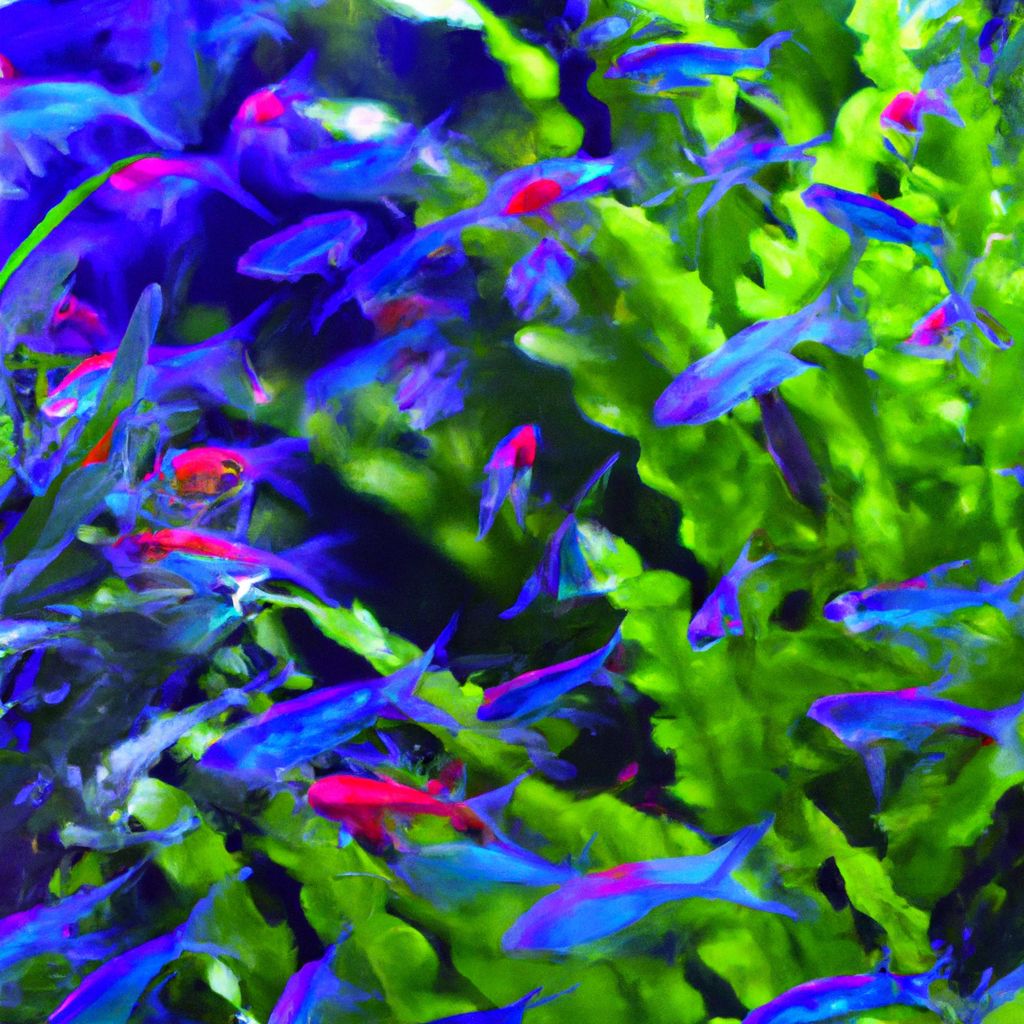
Neon Tetras are small, vibrant fish that are popular among aquarium enthusiasts. Their striking colors and peaceful nature make them a desirable addition to any aquarium. However, it is important to understand the care requirements of Neon Tetras before bringing them home.
In this article, we will explore whether Neon Tetras are hard to keep and the factors that affect their ease of care. We will also discuss the ideal tank conditions, feeding habits, common health issues, and provide tips for keeping these beautiful fish healthy and happy.
Neon Tetras are generally considered to be a relatively easy species to care for, making them suitable for beginner fish keepers. However, certain factors can influence the ease of keeping these fish.
Factors such as water temperature and pH levels, tank size and setup, water quality and filtration, as well as lighting and substrate choices, can impact the health and well-being of Neon Tetras. Understanding and providing the ideal tank conditions is crucial for their overall health and longevity.
Furthermore, we will explore the diet of Neon Tetras and offer guidance on how to feed them properly. Feeding plays a vital role in their growth, color enhancement, and overall vitality.
We will delve into common health issues and diseases that Neon Tetras may encounter, including Ich (White Spot Disease), Fin Rot, and Neon Tetra Disease. Recognizing the signs and knowing how to prevent and treat these conditions is essential for maintaining the well-being of your Neon Tetras.
To ensure that your Neon Tetras thrive in their environment, we will provide tips and recommendations for creating a healthy and stimulating aquarium that promotes their natural behavior and supports their overall happiness.
By the end of this article, you will have a comprehensive understanding of the care requirements for Neon Tetras, enabling you to create an optimal habitat for these mesmerizing fish.
Key takeaway:
- Neon Tetras are popular freshwater aquarium fish known for their vibrant colors and peaceful nature.
- Keeping Neon Tetras can be challenging for beginners due to their sensitivity to water conditions and specific care requirements.
- Successful care of Neon Tetras depends on factors like maintaining optimal water temperature and pH levels, providing adequate tank size and setup, maintaining water quality through filtration, and ensuring suitable lighting and substrate.
- Neon Tetras are omnivorous fish that require a varied diet consisting of high-quality flakes, pellets, and live or frozen foods.
- Common health issues in Neon Tetras include Ich, fin rot, and Neon Tetra Disease, which can be prevented through proper tank conditions and hygiene.
- Tips for keeping Neon Tetras healthy and happy include regular water testing, performing regular water changes, monitoring tank parameters, and providing a stress-free environment.
Are Neon Tetras Hard to Keep?
Neon tetras, the vibrant and mesmerizing fish, have become a popular choice among aquarium enthusiasts. But are they hard to keep? Let’s dive into the factors that determine the ease of keeping these mesmerizing creatures. From water temperature to tank mates, we’ll unravel the secrets behind maintaining a thriving neon tetra community. So, if you’re considering adding these stunning fish to your tank, stay tuned as we explore the key elements that play a role in the ease of keeping neon tetras.
Factors Affecting the Ease of Keeping Neon Tetras
- Water quality plays a significant role in the ease of keeping neon tetras. These fish are sensitive to changes in water parameters, such as pH and temperature. Maintaining stable and suitable water conditions is crucial for their well-being.
- Compatibility with tank mates: Neon tetras are relatively peaceful fish and can coexist with other small, non-aggressive species. However, aggressive or larger fish may stress or harm them. Choosing compatible tank mates is essential for the ease of keeping neon tetras.
- Tank size: Neon tetras require a spacious tank to swim and school comfortably. A larger tank provides more water volume, which helps maintain stable water conditions. It also allows for a greater number of tetras, enhancing their natural schooling behavior.
- Filtration: Proper filtration is vital to maintain water quality and ensure a healthy environment for neon tetras. Ample biological filtration helps remove toxins and maintain oxygen levels in the water.
Pro-tip: Regularly monitor water parameters, perform proper tank maintenance, and provide a suitable environment to ensure the ease of keeping neon tetras. Taking these Factors Affecting the Ease of Keeping Neon Tetras into account will contribute to the overall health and longevity of these beautiful fish.
What are the Ideal Tank Conditions for Neon Tetras?
Photo Credits: Bettafishworld.Com by Kenneth Roberts
Setting up the perfect environment for neon tetras is crucial for their well-being. In this section, we’ll unravel the secrets to creating the ideal tank conditions that neon tetras thrive in. From maintaining the optimal water temperature and pH levels to choosing the right tank size and setup, we’ll cover it all. We’ll also explore the importance of water quality and filtration, as well as how lighting and substrate play a role in creating a comfortable and healthy habitat for these mesmerizing fish.
1. Water Temperature and pH
When it comes to keeping Neon Tetras, water temperature and pH are crucial factors to consider. Maintaining the appropriate water conditions is essential for the health and well-being of these beautiful fish.
| Water Temperature | 72-80°F (22-27°C) |
| pH Level | 6.0-7.0 |
Neon Tetras thrive in slightly acidic to neutral water and prefer temperatures within the specified range. It is important to use a reliable aquarium thermometer to monitor the water temperature regularly.
Additionally, maintaining the pH level of the water is crucial for the overall well-being of Neon Tetras. The pH should be kept stable within the recommended range to prevent stress and health issues.
To achieve the ideal water temperature and pH level, you can use a heater with a thermostat to regulate the temperature and a pH testing kit to monitor and adjust the pH as needed. Regular water testing and maintenance are key to creating a suitable environment for your Neon Tetras to thrive.
By ensuring the water temperature and pH are within the recommended ranges, you can provide a comfortable and healthy habitat for your Neon Tetras, promoting their overall well-being and longevity.
2. Tank Size and Setup
|
Tank Size |
Ideal Setup |
|
Minimum 10 gallons |
Aquarium with a secure lid to prevent jumping |
|
20 gallons or larger |
Recommended for a larger neon tetra community |
|
Filtered and heated |
Proper filtration system to maintain water quality |
|
Properly cycled |
Establish a nitrogen cycle before adding neon tetras |
|
Dimly lit |
Provide hiding spots with plants or decorations |
When it comes to Tank Size and Setup for neon tetras, it is crucial to take into account the minimum size of the tank and its overall configuration. A minimum tank size of 10 gallons is necessary to ensure that the neon tetras have enough space to move around comfortably. To prevent the neon tetras from jumping out of the tank, it is recommended to have an aquarium with a secure lid.
For those planning to have a larger community of neon tetras, a tank size of 20 gallons or larger is highly advised. This will provide ample room for the neon tetras to thrive and interact with their companions in a spacious environment.
To maintain the well-being of the neon tetras, it is important to have a tank that is both filtered and heated. A reliable filtration system is essential to remove waste and maintain excellent water quality. Additionally, heating the tank ensures that the water temperature is suitable for the neon tetras’ needs.
Before introducing the neon tetras, the tank should go through a proper cycling process. This involves establishing a nitrogen cycle, which creates a stable and safe habitat for the fish. Allowing the tank to cycle adequately before adding the neon tetras is vital for their health and longevity.
In terms of the tank’s setup, creating a dimly lit environment is recommended for the neon tetras. This can be achieved by incorporating floating plants or aquarium decorations that provide hiding spots. Neon tetras are peaceful fish and require areas where they can retreat and feel secure.
By taking into consideration the tank size and setup, you can create an ideal environment for neon tetras to flourish, showcasing their vibrant colors in your aquarium.
3. Water Quality and Filtration
When it comes to keeping neon tetras, maintaining good water quality and filtration is crucial for their health and well-being. Here are some important factors to consider:
- Regular water testing: It’s essential to regularly test the water parameters such as ammonia, nitrite, nitrate levels, pH, and temperature. Maintaining optimal levels is vital for the overall health of neon tetras.
- Proper filtration: A good filtration system is necessary to remove impurities and toxins from the water. Choose a filter that provides mechanical, chemical, and biological filtration to maintain water quality and ensure a safe environment for neon tetras.
- Water changes: Regular water changes help maintain water quality by removing accumulated waste and replenishing essential minerals. Aim for weekly water changes of around 20-30% of the tank volume to promote a healthy habitat for neon tetras.
- Proper cycling: Before adding neon tetras to a new tank, ensure it has undergone the nitrogen cycle. This process establishes beneficial bacteria that break down harmful substances, thus improving water quality and maintaining the well-being of neon tetras.
- Avoid overfeeding: Overfeeding can lead to excess organic waste and poor water quality. To maintain optimal water quality, feed your neon tetras small amounts of high-quality fish food once or twice a day, providing them only with what they can consume within a few minutes.
By ensuring optimal water quality and filtration, you can create a healthy and thriving environment for your neon tetras to flourish.
4. Lighting and Substrate
When setting up a tank for neon tetras, it’s vital to consider the lighting and substrate. Here are some crucial points to keep in mind:
- Lighting: Neon tetras thrive in dimly lit environments. It’s important to use low-intensity lighting to replicate their natural habitat. It is best to avoid bright or harsh lighting as it can cause stress to the fish.
- Substrate: It is recommended to choose a substrate that closely resembles the natural environment of neon tetras. Fine-grained sand or small pebbles are ideal choices. It’s essential to avoid rough or sharp substrates that may harm the delicate bodies of the fish.
- Lighting schedule: Maintaining a consistent lighting schedule for your neon tetras is crucial. Aim for 8-10 hours of light followed by 14-16 hours of darkness. This helps simulate their natural day-night cycle and promotes their overall well-being.
- Plant placement: Creating dimly lit areas in the tank by strategically placing live plants can provide shade and cover for the neon tetras. These areas serve as retreats for the fish when they feel stressed or overwhelmed.
- Substrate maintenance: Regularly cleaning the substrate to remove debris or uneaten food is essential. Use a siphon or aquarium vacuum to gently stir the substrate and eliminate any waste. Taking care not to disturb the fish or cause unnecessary stress is crucial in this process.
By paying careful attention to the lighting and substrate in your neon tetra tank, you can ensure a comfortable and stress-free environment for your fish.
What Do Neon Tetras Eat and How to Feed Them?
Photo Credits: Bettafishworld.Com by Gary Garcia
When it comes to feeding neon tetras, it’s essential to know what do neon tetras eat and how to feed them to keep them healthy and vibrant. Here is a list of foods that neon tetras eat and how to incorporate them into their diet:
- Flake food: Neon tetras can be fed a balanced and high-quality flake food specifically formulated for tropical fish. Look for flake food that contains a variety of ingredients and essential nutrients to provide them with a well-rounded diet.
- Frozen or live foods: Neon tetras also enjoy occasional treats of small live or frozen foods like brine shrimp, daphnia, or bloodworms. These can enhance their diet and provide additional nutrition.
- Vegetables: Adding blanched vegetables such as spinach or lettuce to the tank can offer neon tetras extra nutrition. However, it is important to remove any uneaten vegetables promptly to maintain water quality.
- Small pellets: Specially formulated pellets are available for neon tetras, offering a balanced diet. These pellets sink slowly, allowing the fish to feed at their own pace and meet their nutritional needs.
Now, let’s delve into a fascinating true story about neon tetras. In 1936, a German aquarium enthusiast named August Raben stumbled upon neon tetras during a trip to the Amazon rainforest. He was mesmerized by their vibrant colors and decided to bring some specimens back to Germany. Through successful breeding, Raben popularized the neon tetra in the aquarium hobby, making it one of the world’s most beloved and iconic fish species.
Common Health issues and Diseases in Neon Tetras
Neon Tetras may be small and colorful, but they are not immune to health issues and diseases. In this section, we’ll dive into the common problems that can affect these vibrant fish. From the notorious Ich to the ominous Neon Tetra Disease, we’ll uncover the challenges that many aquarium owners face. Get ready to explore the world of neon tetra health, and discover how to keep these delicate beauties swimming happily in your aquarium.
1. Ich
Here is an informative table that presents details about the common health issue known as “Ich” in Neon Tetras:
| Health Issue | Symptoms | Treatment |
| Ich | White spots resembling grains of salt on the body and fins, flashing or rubbing against objects | For treatment, it is recommended to use an anti-parasitic medication containing malachite green or formalin. Another method is to increase the water temperature to around 85°F (29°C) to speed up the lifecycle of the parasite. |
To prevent the spread of Ich in your Neon Tetra tank, it is advisable to quarantine new fish before introducing them to the main tank, as the introduction of new fish often brings Ich. Additionally, it is crucial to maintain clean water conditions and avoid overcrowding the tank, as the immune system of the fish can be weakened by stress, thus increasing their susceptibility to diseases.
2. Fin Rot
Fin rot, also known as fin disease, is a bacterial infection that commonly affects neon tetras. It is important to address and understand the following key points about fin rot:
- Fin rot primarily targets the fins of fish and is caused by bacterial infection.
- Poor water quality is a major contributing factor to fin rot as it can induce stress and weaken the fish’s immune system.
- Aside from poor water conditions, fin rot can also be triggered by injuries to the fins caused by sharp objects or aggressive tank mates.
- Early signs of fin rot include fraying or disintegration of the fins, accompanied by possible discoloration and inflammation.
- If left untreated, fin rot can progress, leading to further deterioration of the fins and the affected fish becoming lethargic while losing their appetite.
- To effectively treat fin rot, it is crucial to enhance water quality through regular water changes and proper filtration practices.
- In severe cases, the use of antibiotics might be necessary; however, consulting a veterinarian is highly recommended in such instances.
To prevent the occurrence of fin rot, it is essential to provide a clean and well-maintained tank environment for your neon tetras. Avoid overcrowding the tank and carefully choose tank mates to minimize aggression. Regular monitoring of water parameters and ensuring they fall within the appropriate range for neon tetras is also advisable.
3. Neon Tetra Disease
Neon tetra disease is a common health issue in neon tetras. The disease, known as neon tetra disease, is caused by a parasite called Pleistophora hyphessobryconis. This parasite infects the muscle tissue of neon tetras, leading to severe damage. Infected fish may show symptoms such as loss of color, bloating, swimming erratically, and eventually death. It’s important to note that neon tetra disease is highly contagious and can easily spread to other fish in the same tank.
To prevent neon tetra disease, it is crucial to maintain a clean and well-maintained aquarium. Regular water changes and proper filtration play a significant role in reducing the chances of infection. Additionally, it is highly recommended to quarantine new fish before adding them to the tank. This step helps to prevent the introduction of the parasite. If any neon tetras display symptoms of the disease, it is crucial to isolate them from the healthy fish and seek appropriate treatment.
The identification of neon tetra disease dates back to the 1930s, and since then, it has remained a significant concern for neon tetra keepers. The parasite responsible for this disease, Pleistophora hyphessobryconis, has been found to affect neon tetras both in the wild and in captivity. Continuous efforts have been made to develop effective treatments and preventive measures to protect these beautiful fish from this devastating disease. Ongoing research and advancements in the understanding of neon tetra disease have played a crucial role in mitigating its impact on the population of neon tetras.
Tips for Keeping Neon Tetras Healthy and Happy
Neon tetras, known for their vibrant colors and peaceful nature, are beautiful and vibrant fish that can bring life to your aquarium. To keep them healthy and happy, here are some tips for keeping neon tetras healthy and happy:
- Water Conditions: Neon tetras thrive in soft, slightly acidic water with a pH level between 6.0 and 7.0. It is important to maintain the water temperature around 75°F (24°C) to 80°F (27°C).
- Proper Tank Set-up: To make your neon tetras feel secure, provide plenty of hiding spots and plants. They prefer a well-planted aquarium with subdued lighting.
- Diet: Neon tetras are omnivorous and require a varied diet. Feed them a combination of high-quality flake food, freeze-dried or frozen foods like brine shrimp or bloodworms, and occasional live foods.
- Schooling: Neon tetras are schooling fish and thrive when kept in groups of at least six to eight individuals. Keeping a larger group will make them feel more secure and reduce stress.
- Water Quality: It is crucial to regularly test the water parameters and perform partial water changes to maintain good water quality. Neon tetras are highly sensitive to poor water conditions.
- Compatibility: When selecting tankmates, avoid keeping neon tetras with aggressive or larger fish that may prey on them. Opt for tankmates of similar size and temperament.
Now, let’s dive into a true history related to neon tetras. These mesmerizing fish were first discovered in the Amazon basin in 1936 by the renowned ichthyologist Dr. George Myers. Dr. Myers was captivated by their striking neon blue stripe and brought them back to the United States for further study. Since then, neon tetras have become incredibly popular among aquarium hobbyists worldwide due to their energy, beauty, and ability to create a stunning visual display in any tank.
Some Facts About Are Neon Tetras Hard to Keep:
- ✅ Neon tetras are popular and iconic fish in the aquarium hobby. They have a blue back, silver-white abdomen, and a neon stripe that can change color depending on lighting conditions.
- ✅ Neon tetras are suitable for beginners as long as the water quality parameters are maintained. They require a 10-gallon tank with slow and sedate water flow, a temperature of around 76 degrees Fahrenheit, and a pH level of 6-7.
- ✅ Neon tetras are schooling fish and should be kept in groups of at least ten to reduce stress. They should not be kept with larger fish that may prey on them, but small peaceful fish like Guppies and Platies can be suitable tank mates.
- ✅ Neon tetras require a tank with aquatic plants to mimic their natural environment, provide hiding places, and improve water quality. LED lights are sufficient for growing live plants.
- ✅ Neon tetras can be fed a diet of commercially prepared flake or pellet food, but a combination of dried, frozen, and live food is ideal for optimum health. It is important to choose healthy fish and examine them closely for signs of disease before introducing them to the tank.
Frequently Asked Questions
Are neon Tetras hard to keep?
Neon Tetras are suitable for beginners as long as the water quality parameters are maintained. They require a 10-gallon tank with slow water flow and a temperature of around 76 degrees Fahrenheit. Neon Tetras can live in water with a pH level of 6-7, and tap water is usually suitable after allowing it to sit for 24 hours to release chlorine. Adding Indian Almond leaves or using RODI water can help maintain natural water conditions. They are a schooling fish and should be kept in groups of at least ten to reduce stress. Keeping them in a tank with aquatic plants is important for mimicking their natural environment.
Can neon Tetras coexist with other fish?
Neon Tetras should not be kept with larger fish that may prey on them. However, small peaceful fish like Guppies and Platies can be suitable tank mates for neon Tetras. It is important to choose tank mates that are compatible in terms of temperament and water requirements.
Why are neon Tetras dying in my tank?
There could be various reasons for neon Tetras dying in your tank. It is important to ensure that the water parameters and temperature are appropriate for neon Tetras. High temperature, above 82 degrees Fahrenheit, can be detrimental to their health. It is also possible that the neon Tetras were not acclimated properly to the tank or there may have been a problem with the batch of neon Tetras you acquired.
What is the difference between neon Tetras and cardinal Tetras?
Neon Tetras and cardinal Tetras are both popular choices for home aquariums. While neon Tetras have a blue back, silver-white abdomen, and a neon stripe that can change color depending on lighting conditions, cardinal Tetras have a red stripe instead. Neon Tetras are generally considered hardier and a better choice for beginners compared to cardinal Tetras, which are more sensitive.
Where should I buy neon Tetras?
Neon Tetras can be purchased from various sources such as chain store fish stores, independent fish shops, or online retailers. However, it is important to carefully examine the health of the neon Tetras before purchasing them. Some people have reported getting bad batches of neon Tetras from certain stores. It may be helpful to ask for recommendations from experienced fishkeepers or participate in online communities to find reputable sources.
What should I feed neon Tetras?
Neon Tetras can be fed a varied diet of commercially prepared flake or pellet food. However, to ensure optimum health, it is ideal to offer them a combination of dried, frozen, and live food. This can include pelleted dried food, frozen or live brine shrimp, daphnia, or bloodworms. Providing a varied diet helps mimic their natural feeding habits and promotes their overall well-being.