
Originally posted on July 19, 2023 @ 2:55 am
Last Updated on 4 months by admin

Tetras are a popular choice for aquarium enthusiasts due to their vibrant colors and peaceful nature. If you’re considering keeping tetras in a 10-gallon tank, there are some factors to consider to ensure a healthy and thriving environment for your fish. Here is a guide providing information on tetras, their habitat, and how many tetras can be kept in a 10-gallon tank.
Introduction to Tetras:
Tetras are a diverse group of small freshwater fish known for their beautiful coloration and active behavior. They originate from South America and are commonly found in rivers and streams of the Amazon Basin. With their peaceful temperament and schooling behavior, tetras make a great addition to community aquariums.
Tetras and Their Habitat:
Tetras are accustomed to living in densely vegetated areas of rivers and streams. They prefer soft, acidic water conditions and require plenty of hiding spaces in the form of plants, driftwood, and rocks. Replicating their natural habitat is crucial for their well-being in a home aquarium.
Factors to Consider:
When determining the number of tetras suitable for a 10-gallon tank, several factors need to be taken into account. These include the size and behavior of tetras, tank setup, and maintenance requirements.
How Many Tetras Can You Keep in a 10 Gallon Tank?
The rule of thumb for stocking tetras suggests a general guideline of 1 inch of fish per gallon of water. For a 10-gallon tank, this equates to approximately 10 inches of fish. However, it’s essential to consider the adult size and swimming behavior of tetras.
Factors Affecting Stocking Density:
Some tetra species, such as Neon Tetras or Ember Tetras, are small and can be kept in larger numbers in a 10-gallon tank. However, larger tetras, like Black Skirt Tetras or Serpae Tetras, require more swimming space and may need to be kept in smaller numbers.
Considerations for a Healthy Tank:
Maintaining a healthy tank for tetras involves ensuring appropriate water parameters and filtration. Tetras thrive in slightly acidic to neutral water conditions with temperatures ranging from 72-80°F (22-27°C). They also require clean water with adequate filtration to remove waste and toxins. choosing compatible tank mates that share similar water requirements is vital to reduce stress and aggression.
By considering these factors, you can determine the appropriate number of tetras to keep in a 10-gallon tank while providing a suitable and thriving environment for your fish.
Key takeaway:
- Tetras are small freshwater fish commonly kept in aquariums.
- A 10 gallon tank is a popular choice for housing tetras.
- The number of tetras that can be kept in a 10 gallon tank depends on various factors such as the rule of thumb for stocking, tank size, and compatibility with tank mates.
Tetras and Their Habitat
When it comes to tetras and their habitat, there are several factors to consider:
- Water temperature: Tetras prefer slightly warmer water, ideally around 75-82 degrees Fahrenheit.
- Water parameters: Tetras thrive in soft, slightly acidic water with a pH level between 6.0 and 7.5.
- Tank size: Tetras are schooling fish and require a minimum tank size of 10 gallons to allow for adequate swimming space.
- Tank decorations: Providing ample hiding spots with plants, rocks, and caves is important to create a sense of security for tetras.
- Filtration system: A good filtration system is essential to maintain water quality and keep the tank environment healthy for tetras.
- Lighting: Tetras prefer subdued lighting, so it’s best to use low-intensity lights or provide some shaded areas in the tank.
- Compatible tankmates: Tetras are peaceful fish and do well with other small, non-aggressive species such as rasboras, corydoras, and guppies.
Creating an optimal habitat for tetras not only promotes their well-being but also enhances their natural behavior and coloration. By considering these factors, you can provide a suitable environment for your tetras to thrive.
What Are Tetras?
“What Are Tetras? Tetras are small, vibrant freshwater fish that are popular among aquarium enthusiasts. They are known for their beautiful colors and active behavior. These fish are native to South America and can be found in various rivers and streams. Tetras are schooling fish, which means they prefer to live in groups of their own kind. Keeping them in a species-specific tank is essential for their well-being and happiness.
One of the most common types of tetras is the neon tetra. Neon tetras have stunning blue and red colors that make them stand out in any aquarium. They are peaceful fish that get along well with other peaceful species. Another popular type is the cardinal tetra, which has similar colors to the neon tetra but with a longer body.
When choosing tetras for your aquarium, it’s important to consider their size and behavior. Tetras are small fish, usually growing up to two inches in length. They are active swimmers and require ample swimming space. A 10-gallon tank is suitable for a small school of tetras, but larger tanks are recommended for bigger schools.
– https://www.thesprucepets.com/neon-tetra-care-1378470
– https://www.aquariumcoop.com/blogs/aquarium/tetra-fish-care-guide
What Is a 10 Gallon Tank?
A 10 gallon tank, also known as a 10 gallon fish tank, is a standard size tank used for keeping fish, including tetras. It is important to understand the dimensions and capacity of a 10 gallon tank when considering it as a habitat for tetras. The tank measures approximately 20 inches long, 10 inches wide, and 12 inches tall, with a capacity of 10 gallons of water.
This tank size is suitable for small to medium-sized tetras, such as neon tetras or cardinal tetras. It provides enough space for them to swim and explore, while also allowing for a sufficient amount of water for their needs.
However, it is important to note that a 10 gallon tank has limitations on the number of tetras it can accommodate. It is recommended to follow the rule of thumb of having 1 inch of fish per gallon of water. Therefore, in a 10 gallon tank, you can typically keep 10 inches of fish in total.
It is also essential to consider the compatibility of tetras with other fish species if you plan to have a community tank. Some fish, like bettas, may not be suitable tank mates for tetras due to their aggressive nature. Additionally, it is crucial to regularly monitor the water parameters and perform regular tank maintenance to ensure a healthy environment for the tetras.
Tank Setup and Maintenance
When it comes to tank setup and maintenance for tetras, it is crucial to adhere to proper Tank Setup and Maintenance guidelines in order to ensure a healthy and thriving environment for these fish.
- Tank requirements: It is essential to provide a tank with a minimum size of 10 gallons to comfortably accommodate the tetras. Additionally, it is important to ensure that the tank has asecure lid to prevent any fish from jumping out.
- Water conditions: Maintaining suitable water conditions is key. This includes maintaining a water temperature between 72-82°F and a pH level of 6.0-7.0. Regularly testing the water parameters and making necessary adjustments to keep them within the ideal range is crucial.
- Nitrogen cycle: Establishing a proper nitrogen cycle in the tank is a vital step. This involves cycling the aquarium before introducing the tetras. During this process, beneficial bacteria break down harmful ammonia into nitrites and then nitrates.
- Spatial requirements: Creating hiding spots and adding live plants to mimic the tetras’ natural habitat is essential. Tetras thrive in an environment that offers plenty of swimming space and places to explore.
- Fish tank accessories: Consider incorporating accessories such as a sponge filter or a heater to maintain water quality and temperature. Additionally, decorations like rocks, driftwood, or caves can provide shelter and enrichment for the tetras.
By following proper Tank Setup and Maintenance practices, you can ensure the well-being and longevity of your tetras.
How Many Tetras Can You Keep in a 10 Gallon Tank?
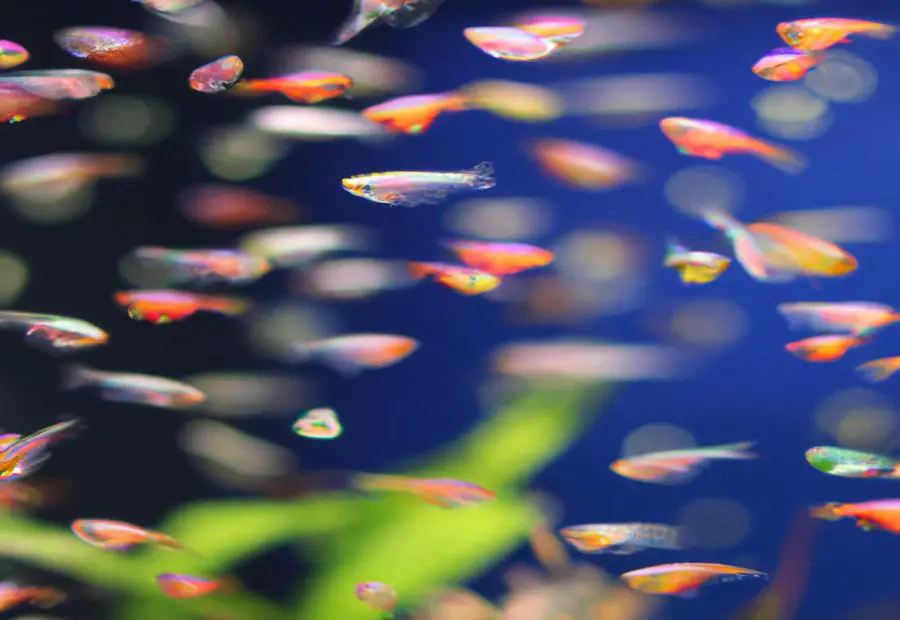
Photo Credits: Bettafishworld.Com by Anthony Miller
When it comes to creating a harmonious aquarium, one crucial aspect to consider is the number of tetras you can keep in a 10-gallon tank. Let’s dive into the fascinating world of fish stocking and uncover the optimal quantity of tetras for your tank. We’ll explore the rule of thumb for stocking tetras and discover the various factors that can influence the stocking density. Get ready to make informed decisions and provide your tetras with the ideal living space they deserve!
The Rule of Thumb for Stocking Tetras
The rule of thumb for stocking tetras in a 10-gallon tank is to have 1 inch of fish per gallon of water.
Here are some key points to consider:
- Calculate the adult size of the tetras you want to keep. For example, if the adult size of a tetra is 1.5 inches, you can have approximately 6 tetras in a 10-gallon tank.
- Avoid overcrowding the tank as it can lead to stress, poor water quality, and health issues for the fish.
- Consider the activity level and behavior of tetras. Some tetras are more active and require more swimming space.
- Take into account the space occupied by decorations, plants, and filtration equipment in the tank.
Pro-tip: It’s always better to err on the side of caution and understock rather than overstock your tetra tank. This allows for better water quality, reduces aggression, and promotes the overall well-being of your fish.
Factors Affecting Stocking Density
| 1. Tank Size | The size of the tank plays a crucial role in determining the stocking density of tetras. In a 10 gallon tank, the available space limits the number of tetras that can be kept. |
| 2. Tetra Species | The specific species of tetras also affects the stocking density. Different species have varying sizes and behaviors, which can impact how many tetras can comfortably coexist in the tank. |
| 3. Tank Mates | The presence of other fish in the tank needs to be considered when determining stocking density. Some fish may be more aggressive or territorial, requiring more space per fish. |
| 4. Water Parameters | The water parameters, such as temperature, pH, and hardness, can influence the health and well-being of tetras. Maintaining optimal water conditions for the desired stocking density is essential. |
| 5. Filtration System | The efficiency and capacity of the filtration system impact the stocking density. A well-functioning filtration system ensures proper water quality and reduces the risk of overstocking. |
Considering these factors affecting stocking density will help determine the appropriate stocking density for tetras in a 10 gallon tank, ensuring a healthy and thriving environment for the fish.
Considerations for a Healthy Tank
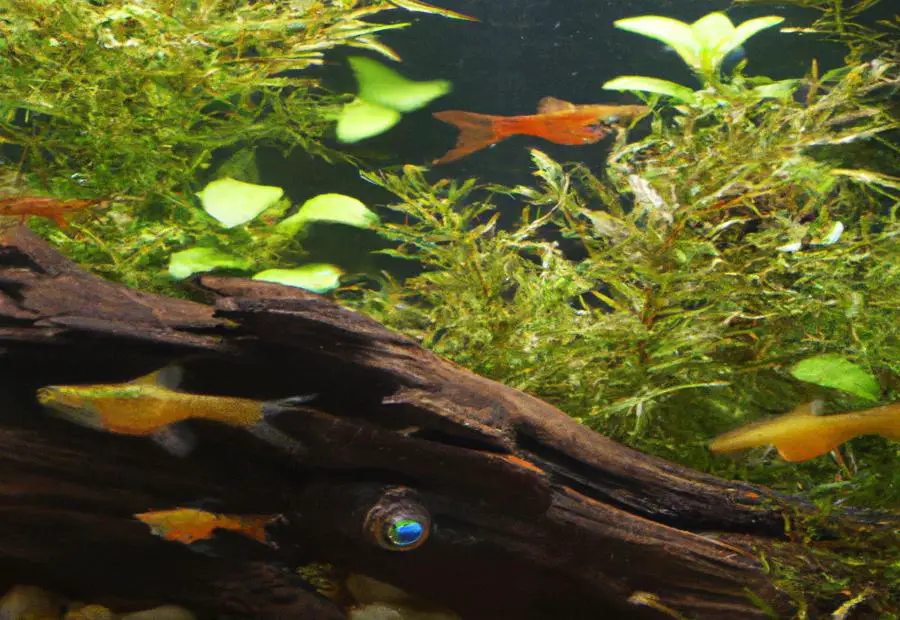
Photo Credits: Bettafishworld.Com by Willie Baker
When it comes to maintaining a healthy tank, there are a few key considerations to keep in mind. We’ll take a closer look at two important factors: water parameters and filtration, as well as finding compatible tank mates. So if you’re wondering how to create the perfect environment for your Tetras in a 10-gallon tank, buckle up because we’re diving into the essentials right here.
Water Parameters and Filtration
When it comes to the health and well-being of your tetra fish, proper water parameters and filtration are essential. Maintaining the right conditions in your tank ensures a clean and thriving environment for your tetras.
| Water Parameters | Filtration |
| The temperature of the water should be kept between 72-80 degrees Fahrenheit. This range mimics the natural habitat of tetras. | A reliable filtration system is crucial for removing waste, excess food, and other pollutants from the water. A high-quality filter will promote good water quality. |
| The pH level should be maintained between 6.0 and 7.5 to ensure the water is not too acidic or alkaline. | An efficient mechanical filtration system traps debris, while biological filtration uses beneficial bacteria to break down harmful substances like ammonia and nitrite. |
| Water hardness, measured by the amount of dissolved minerals, should be around 5-12 dH to mimic their natural habitat. | Regular cleaning and maintenance of the filter, including replacing filter media, is necessary to ensure optimal performance. |
| Ammonia and nitrite levels should be consistently monitored and kept at zero, as these compounds can be toxic to fish. | Aquarium sponge filters or canister filters are popular choices for tetra tanks as they provide effective mechanical and biological filtration. |
Compatible Tank Mates
When considering compatible tank mates for Tetras, it is important to choose fish that have similar water temperature and pH requirements. This will help ensure the well-being of all the fish sharing the tank. Here are some suitable tank mates for Tetras:
- Betta Fish: Betta fish are often compatible with Tetras as long as the tank size is appropriate and there is ample hiding space for both species. It is important to monitor their interactions closely to ensure harmony.
- Community Tank: Many peaceful community fish, such as guppies, mollies, and dwarf gouramis, can coexist with Tetras. These fish generally have similar behavior and water parameter preferences.
- Stress and Disease: It is crucial to avoid adding aggressive or fin-nipping fish to a tank with Tetras. Aggressive behavior can cause stress and potentially lead to health issues. It is also important to quarantine new fish to prevent the introduction of diseases to the tank.
Remember to research the specific requirements of each fish species before adding them to the tank. Consider factors such as tank size, feeding habits, and compatibility with Tetras. By selecting compatible tank mates, you can create a harmonious and thriving aquarium environment.
Proper Care for Tetras
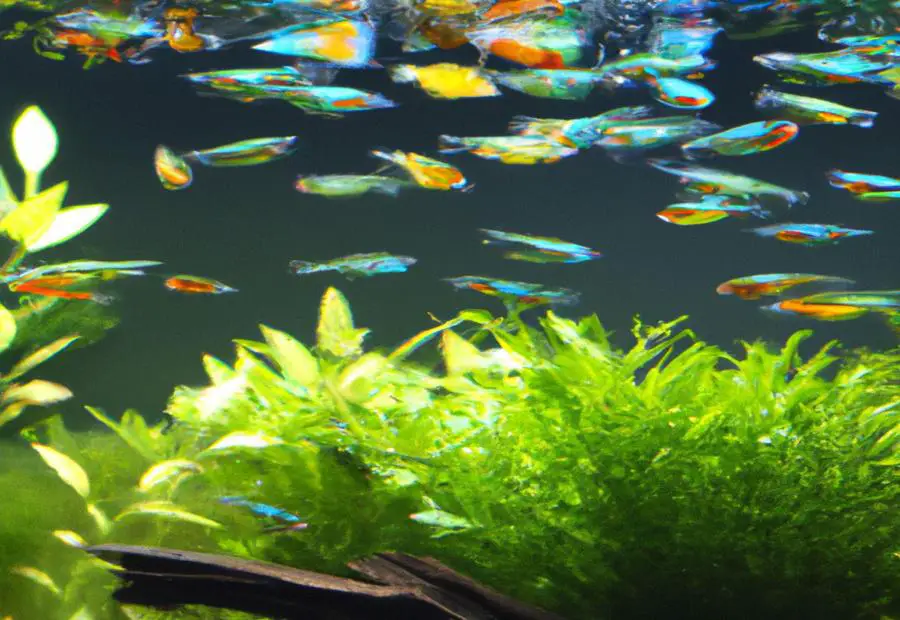
Photo Credits: Bettafishworld.Com by Christian King
Proper care for tetras is essential to ensure their health and happiness in your aquarium. In this section, we’ll dive into the world of tetra fish care and explore the secrets to keeping them thriving. From understanding their feeding habits to providing the perfect tank environment, we’ll uncover everything you need to know. Get ready to unlock the tips and tricks of successful tetra tank setups that will make your little aquatic friends feel right at home.
Tetra Fish Care
Tetra fish care is essential for maintaining a healthy and thriving population in your aquarium. Here are some important factors to consider:
- Diet: A balanced and varied diet is crucial for Tetra fish care. They are omnivorous and should be fed a combination of high-quality flakes, pellets, and live or frozen foods. Offer a variety of foods to ensure they get all the necessary nutrients.
- Water quality: Tetra fish care requires regular monitoring of water conditions. Maintain appropriate temperature (around 75-80°F), pH level (slightly acidic to neutral), and low ammonia and nitrate levels. Perform regular water changes to keep the water clean and healthy.
- Tank setup: Tetra fish thrive in a well-planted tank with plenty of hiding places. Provide them with suitable tankmates that won’t harm or stress them, like small peaceful community fish. Pay attention to the spatial requirements to ensure they have enough space to swim comfortably.
- Observation and behavior: Keep a close eye on your Tetra fish’s behavior and appearance. Healthy Tetra fish should be active, vibrant in color, and have clear eyes and fins. If you notice any abnormal behavior or signs of illness, take prompt action to address the issue.
Remember, proper Tetra fish care leads to happier and healthier fish that will thrive in your aquarium for years to come.
I once had a beautiful school of neon Tetra fish in my aquarium. I followed all the necessary care guidelines, ensuring a well-balanced diet and appropriate water parameters. It was a joy to watch them dart around the tank, displaying their vibrant colors. One day, I noticed that one of the Tetra fish was behaving differently, swimming alone and showing signs of distress. I immediately tested the water and discovered elevated ammonia levels. I quickly performed a water change and added a suitable water conditioner. Within a few hours, the Tetra fish’s behavior improved, and it joined the school again. This experience taught me the importance of regular water testing and maintenance in providing the best care for my Tetra fish.
Tetra Tank Setups
When it comes to tetra tank setups, there are several important factors to consider. First and foremost, make sure the tank is the correct size for tetras to prevent overcrowding and potential stress and health issues.
Additionally, it is crucial to maintain optimal water conditions, including the right temperature, pH level, and water hardness, in order to create an ideal environment for tetras.
Establishing a proper nitrogen cycle in the tank is another key aspect, as this will keep ammonia and nitrite levels in check and promote the overall well-being of the fish.
To provide tetras with a comfortable habitat, it is necessary to incorporate adequate swimming space and hiding spots into the tank. This can be achieved by adding plants, rocks, and other tank decorations.
Also, consider including appropriate accessories like a filter, heater, and lighting system in order to meet the specific needs of tetras.
By following these guidelines and creating a well-designed and properly maintained tank, you can ensure that tetras have a safe and healthy habitat to thrive in.
Varieties of Tetras
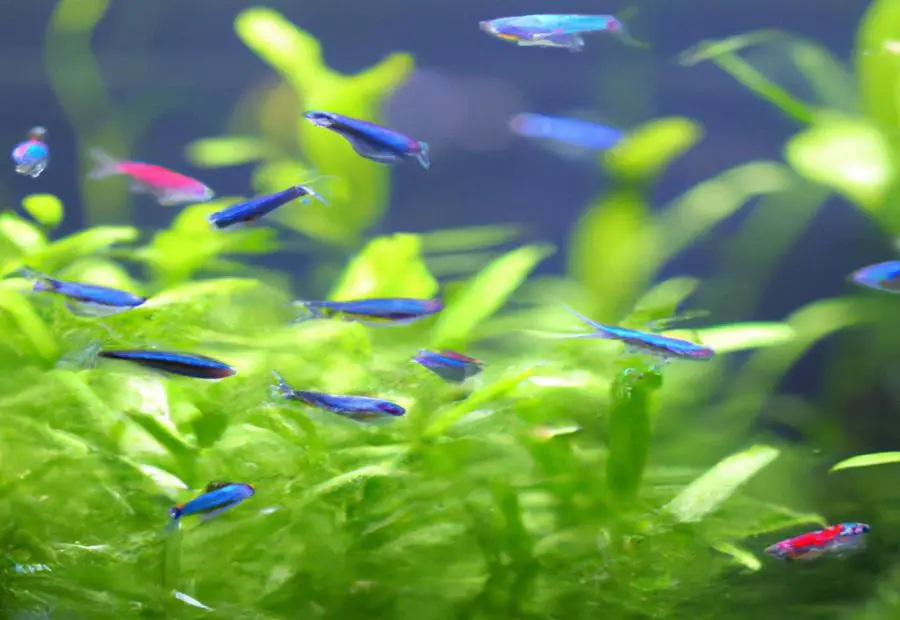
Photo Credits: Bettafishworld.Com by Eric Smith
When it comes to the world of tetras, the variety is simply mesmerizing. In this section, we’ll dive into the fascinating range of tetras you can have in your aquarium. From the vibrant and playful neon tetras to the lesser-known but equally captivating species, we’ll explore the diverse array of tetras that make for captivating aquatic companions. Get ready to discover the enchanting world of tetras that will bring life and color to your tank.
Neon Tetras
Neon Tetras are a popular species of tetras known for their sensational coloration and translucent colors. They are small fish that typically grow to an average size. It is important to note that neon tetras are prone to developmental health diseases, so proper care is essential.
When keeping Neon Tetras in a tank, it is recommended to create an environment that mimics their natural habitat. This includes providing them with suitable water parameters and filtration. Maintaining stable water conditions and monitoring parameters such as temperature, pH, and ammonia levels is crucial for the well-being of Neon Tetras.
Neon Tetras are generally compatible with other peaceful tank mates. However, it is important to consider suitable tank mates like Betta fish or other species that won’t cause stress or disease among the Neon Tetras.
Feeding Neon Tetras a balanced diet is necessary to ensure their health and vitality. They should be provided with suitable foods that cater to their nutritional needs. It is recommended to feed them multiple small meals throughout the day, rather than one large meal, to mimic their natural feeding patterns.
By following these guidelines, you can cultivate a thriving population of Neon Tetras in your tank and enjoy their vibrant colors and active nature.
Other Species of Tetras
When it comes to tetras, there are several other species of tetras apart from the popular neon tetras. These species are found in different regions of the Americas.
| South America | Central America |
| In South America, you can find species such as black skirt tetras, serpae tetras, and bleeding heart tetras. These tetras are known for their vibrant colors and unique patterns, making them a beautiful addition to any aquarium. They thrive in warm water conditions and prefer to be kept in groups. | In Central America, you can find species such as green fire tetras, red eye tetras, and jewel tetras. These tetras are known for their striking colors and lively behavior. They are generally easy to care for and can adapt well to different water conditions. |
Each of these species has its own unique characteristics and requirements, so it’s important to research and understand the specific needs of the tetras you choose. Providing them with a suitable habitat and proper care will ensure they thrive in your aquarium.
Choosing the Right Tank Size
Finding the right tank size is crucial when it comes to keeping tetras. In this section, we’ll dive into the importance of choosing the appropriate tank size for your tetras.
From discussing the minimum tank size required to exploring the range of recommended tank sizes, we’ll equip you with the knowledge to create a thriving and comfortable habitat for these vibrant fish.
Say goodbye to cramped quarters and hello to a spacious and ideal environment for your tetras!
Minimum Tank Size
The minimum tank size for tetras is an important consideration to ensure their well-being and proper development.
- The minimum tank size for tetras should be 10 gallons or larger.
- Smaller tanks can restrict the swimming space for tetras and lead to stress and behavioral issues.
- A larger tank provides more room for tetras to swim and exhibit their natural behaviors.
- In a 10-gallon tank, it is recommended to keep a small number of tetras, such as 5 to 7 individuals, to maintain optimal water quality.
- Overstocking a small tank can increase waste levels and lead to poor water conditions, putting the tetras’ health at risk.
- By providing a larger tank, you can ensure that your tetras have enough space to swim freely and comfortably.
- A larger tank also allows for better filtration and maintenance, promoting clean and healthy water conditions for the tetras.
Considering the minimum tank size is essential to create a suitable environment for tetras, promoting their well-being and enabling them to thrive in your aquarium.
Recommended Tank Sizes
To present the information about recommended tank sizes for Tetras, here is a table that provides the necessary details:
| Tetra Type | Minimum Tank Size | Recommended Tank Size |
| Neon Tetras | 10 gallons | 20 gallons or more |
| Other Tetra Species | 10 gallons | 30 gallons or more |
As for the recommended tank sizes, it is important to consider the comfort, well-being, and behavior of the Tetras. Neon Tetras, for instance, require a minimum tank size of 10 gallons. However, to enhance their well-being and allow them ample space to swim and thrive, a suggested tank size of 20 gallons or more is advised. Other species of Tetras also require a minimum tank size of 10 gallons, but for their optimal growth and happiness, it is recommended to have a tank size of 30 gallons or more. These larger tank sizes provide the Tetras with the space they need to exhibit their natural behaviors and reduce any potential stress or health issues. It is essential to ensure that the Tetras have enough room to thrive in their aquatic environment for the best outcomes.
Feeding Tetras
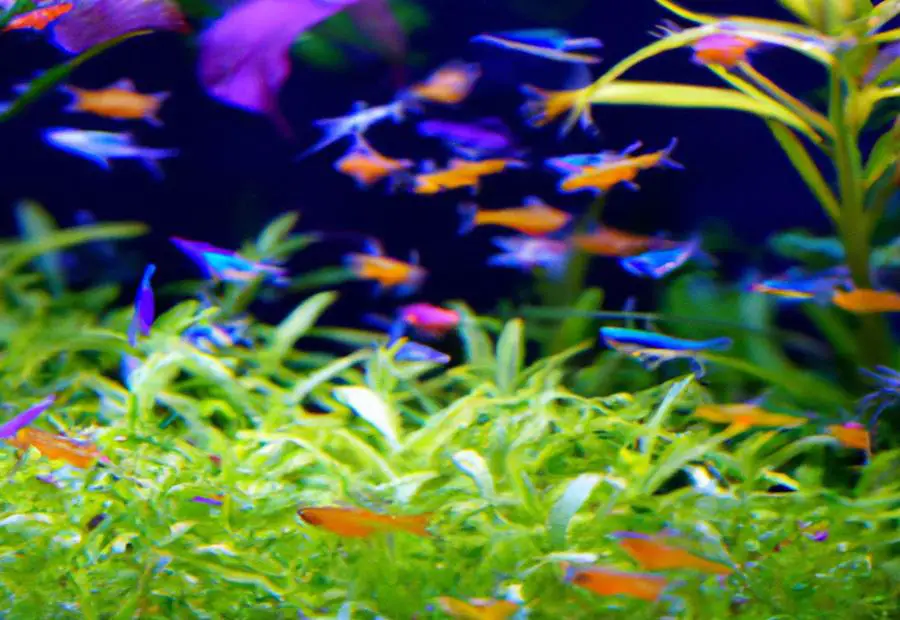
Photo Credits: Bettafishworld.Com by Ralph Martinez
Feeding Tetras is crucial for their health and well-being. So, let’s dive into the world of nourishing these colorful fish! Discover the suitable foods that will keep your Tetras happy and thriving. We will also explore the feeding schedule and amounts required to maintain their optimum nutrition levels. Get ready to learn all the essential techniques to keep your Tetras well-fed and flourishing in their 10-gallon tank. So, let’s ensure our Tetras have a splendid dining experience!
Suitable Foods
| Suitable Foods for Tetras | |
|---|---|
| Foods | Description |
| Frozen Foods | Tetras enjoy a variety of frozen foods such as bloodworms, daphnia, and brine shrimp. These foods are rich in nutrients and provide a natural diet for tetras. |
| Live Foods | Live foods like mosquito larvae, small worms, and baby brine shrimp are highly preferred by tetras. They mimic the natural prey of tetras and provide them with essential proteins. |
| Pellets and Flakes | Tetras can also be fed with high-quality pellets and flakes specifically designed for tropical fish. Look for products that contain a variety of ingredients like fish meal, shrimp, and vegetable matter to meet their nutritional needs. |
| Vegetables | Some tetras, like the herbivorous species, can benefit from small amounts of vegetables. Options like blanched spinach or lettuce can be offered as occasional treats. |
| Supplementary Foods | Supplementary foods like freeze-dried brine shrimp and daphnia can provide additional nutrition and variety to their diet. These can be used as occasional treats. |
It is important to remember that the key to a healthy and balanced diet for tetras is variety. Offer a combination of these suitable foods to ensure they receive all the necessary nutrients for their well-being. It’s recommended to feed tetras small amounts multiple times a day, as they have tiny stomachs and need frequent meals to thrive.
Additionally, closely monitor their eating habits and adjust the amount of food accordingly to avoid overfeeding and potential water quality issues. Ensure that any uneaten food is promptly removed from the tank to maintain good water conditions.
By providing a diverse diet of suitable foods, you can help your tetras maintain optimal health and vibrant colors. Experiment with different food options and observe how your tetras respond to find the best combination for their specific needs.
Feeding Schedule and Amounts
The feeding schedule and amounts for tetras are crucial for their health and well-being. Here are some important points to consider:
- Frequency: It is recommended to feed tetras twice a day, once in the morning and once in the evening. This will provide them with a consistent source of nutrition.
- Amount: It is important to offer only what the tetras can consume within 2-3 minutes. Overfeeding can lead to poor water quality and health issues.
- Suitable Foods: Tetras are omnivorous and should be fed a balanced diet. Include a variety of high-quality flakes, pellets, and live or frozen foods such as brine shrimp or bloodworms.
- Dietary Supplements: Occasionally supplement their diet with spirulina or vegetable matter to provide additional nutrition.
- Observation: It is essential to observe the tetras during feeding to ensure they are actively consuming the food. If there is excess food left uneaten, adjust the amount for the next feeding.
- Water Quality: Remove any uneaten food to maintain good water quality and prevent deterioration.
By following a regular feeding schedule and providing the appropriate amount of food, you can ensure the health and vitality of your tetra population.
Maintaining a Healthy Tetra Population
Maintaining a healthy tetra population is crucial for any aquarium enthusiast. In this section, we dive into the key aspects of ensuring the well-being of your tetras. From monitoring water parameters to regular tank maintenance, and observing their behavior, we’ll explore the essential practices that contribute to a thriving tetra community. So, let’s dive in and discover the secrets to keeping your tetras happy and flourishing in their 10-gallon tank!
Monitoring Water Parameters
Regularly monitoring water parameters is an essential aspect of maintaining a healthy tetra population in your tank. Monitoring pH levels is crucial to ensure that the water remains within the ideal range for tetras, which is generally between 6.5 and 7.5. Additionally, it is important to monitor the water temperature and keep it within the recommended range for tetras, which is usually between 72°F and 78°F.
Furthermore, testing the water for ammonia levels regularly is necessary as high levels can be toxic to tetras. It is important to aim for keeping ammonia levels at 0 parts per million (ppm). Keeping an eye on nitrite levels is also crucial, as elevated levels can be harmful to tetras. Maintaining nitrite levels at 0 ppm is essential.
In addition, testing the water for nitrate levels is important, and the aim should be to keep them below 20 ppm. High nitrate levels can impair the health of tetras. Monitoring the hardness of the water is also necessary, as tetras prefer slightly soft to moderately hard water. The ideal range for tetras is typically between 4 and 8 dGH (degrees of General Hardness).
Lastly, it is crucial to ensure that the water is free from chlorine and chloramine, as these chemicals can be harmful to tetras. Using a water conditioner to neutralize these substances is recommended.
By regularly monitoring these water parameters, you will be able to maintain optimal conditions for your tetras, promoting their health and overall well-being.
Regular Tank Maintenance
In order to keep your tetra population healthy and thriving, regular tank maintenance is essential. Here are some important tasks to include in your routine:
- Regular water changes: It is important to change approximately 25% of the tank water every two weeks. This helps to remove accumulated toxins and refreshes the water quality.
- Cleaning the tank decor: Make sure to remove any algae or debris from tank decorations, artificial plants, and rocks. This will help maintain a clean and aesthetic environment for your tetras.
- Filter maintenance: It is crucial to clean or replace the filter media according to the manufacturer’s instructions. By doing so, you ensure optimal water circulation and effective removal of waste and impurities.
- Vacuuming the substrate: Use a gravel vacuum to siphon out debris and waste from the substrate. This helps prevent the build-up of harmful substances and improves overall water quality.
- Checking water parameters: It is important to regularly test the water parameters such as ammonia, nitrite, nitrate, pH, and temperature using appropriate test kits. Make any necessary adjustments to maintain stable and suitable conditions.
To ensure success, consider these suggestions:
- Keep a maintenance schedule: It is beneficial to create a calendar or reminder system to stay on top of regular tank maintenance tasks.
- Monitor your tetra’s behavior: Pay attention to any changes in behavior, appetite, or appearance as these may indicate potential issues with water quality or overall health.
- Document important details: Keeping a log of water parameters, maintenance activities, and any notable observations can help identify patterns or issues over time.
Observation and Behavior
When keeping tetras in a 10-gallon tank, it is essential to incorporate observation and behavior into their care:
-
Tetras are known for their schooling behavior, so closely observe how they interact with each other. They feel more secure when kept in a group of at least six or more.
-
Pay attention to signs of aggression or stress among the tetras. Aggressive behavior, such as chasing or nipping at other fish, can indicate territorial disputes or insufficient space.
-
Observe their feeding behavior closely. Tetras are typically active eaters and should eagerly consume their food. If a tetra shows a lack of interest in food or appears lethargic, it may be a sign of illness or stress.
-
Give special attention to the overall health and appearance of the tetras. Look for any signs of disease, such as visible parasites, unusual growths, or discoloration.
-
Regularly monitor the water parameters, including temperature, pH, ammonia, nitrites, and nitrates. Sudden changes in water conditions can affect the behavior and health of tetras.
-
Keep a close eye on the activity level of the tetras. They should be actively swimming around the tank and exploring their environment. If they become less active or spend a lot of time hiding, it may indicate a problem.
By closely observing the behavior of tetras in a 10-gallon tank, you can ensure their well-being and address any issues promptly.
Some Facts About How Many Tetras in a 10 Gallon Tank:
- ✅ It is safe to fit around 6 Neon Tetras in a 10-gallon tank. (Source: Our Team)
- ✅ Neon Tetras typically grow to be 1.5 to 2 inches in length. (Source: Our Team)
- ✅ Neon Tetras require about 1 gallon of water for each inch of fish. (Source: Our Team)
- ✅ Neon Tetras should be kept in groups of at least 10 to 15 fish. (Source: Our Team)
- ✅ It is not recommended to house Neon Tetras in a 2.5-gallon tank. (Source: Our Team)
Frequently Asked Questions
How many Neon Tetras can fit in a 10-gallon tank?
According to experts, it is recommended to have around five to six Neon Tetras in a 10-gallon tank.
Can I add too many Neon Tetras in a 10-gallon tank?
No, it is not recommended to add too many Neon Tetras as it can overcrowd the tank and lead to various health issues for the fish.
What is the proper tank size for Neon Tetras?
The minimum tank size for Neon Tetras is five gallons, but a 10-gallon tank is more suitable to accommodate a small group of them.
Can I keep Neon Tetras with other fish species in a 10-gallon tank?
Neon Tetras can be housed with Betta fish, but it is important to provide a larger tank and ensure there is enough space and resources for both species. It is not recommended to keep them with Guppies or Platys in a 10-gallon tank.
How many Neon Tetras should I keep in a tank?
It is advised to have at least six Neon Tetras in a tank to ensure they grow healthily and minimize stress. Keeping fewer than five or more than ten Neon Tetras in a 10-gallon tank is not recommended.
What factors should I consider when determining the number of Neon Tetras for my tank?
When determining the number of Neon Tetras for your tank, it is important to consider the tank size, compatibility with other fish species, and the need for a proper environment for the Neon Tetras to thrive.